Cosa succede a tutti i Lions di Venezia?
Dai santi contrabbandieri a una città piena di bestie alate
La grande rapina di Alessandria
Contrabbandare santi come se fosse un film d'azione
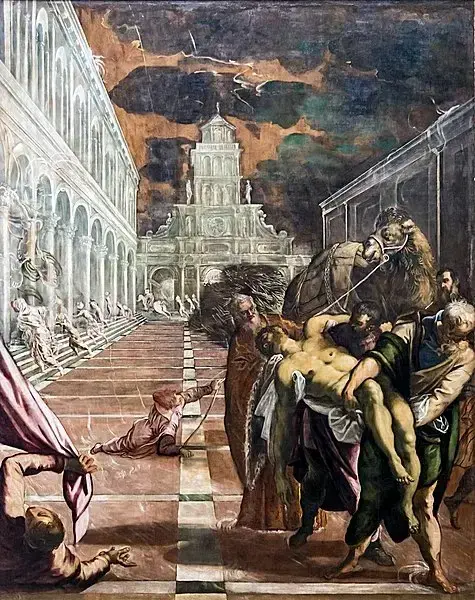
Torniamo indietro all'anno 828 d.C., quando un gruppo di audaci mercanti veneziani si imbarcò in una missione che sembra uscita da un film d'azione. In seguito all'incursione dei Saraceni ad Alessandria d'Egitto, essi organizzarono un audace piano per contrabbandare le spoglie di San Marco, l'evangelista cristiano, a Venezia. Secondo la leggenda, per far passare le reliquie davanti ai sempre attenti ispettori musulmani, nascosero il corpo di San Marco sotto strati di carne di maiale. Geniale, vero? La carne di maiale era un grande no per gli ispettori, quindi ci passarono sopra e i veneziani salparono trionfanti con il loro prezioso carico. Questa non fu solo un'avventura epica, ma segnò l'inizio di un legame a vita tra Venezia e San Marco.

Un santuario per un santo
Trasformare una reliquia di contrabbando nel battito cardiaco di Venezia
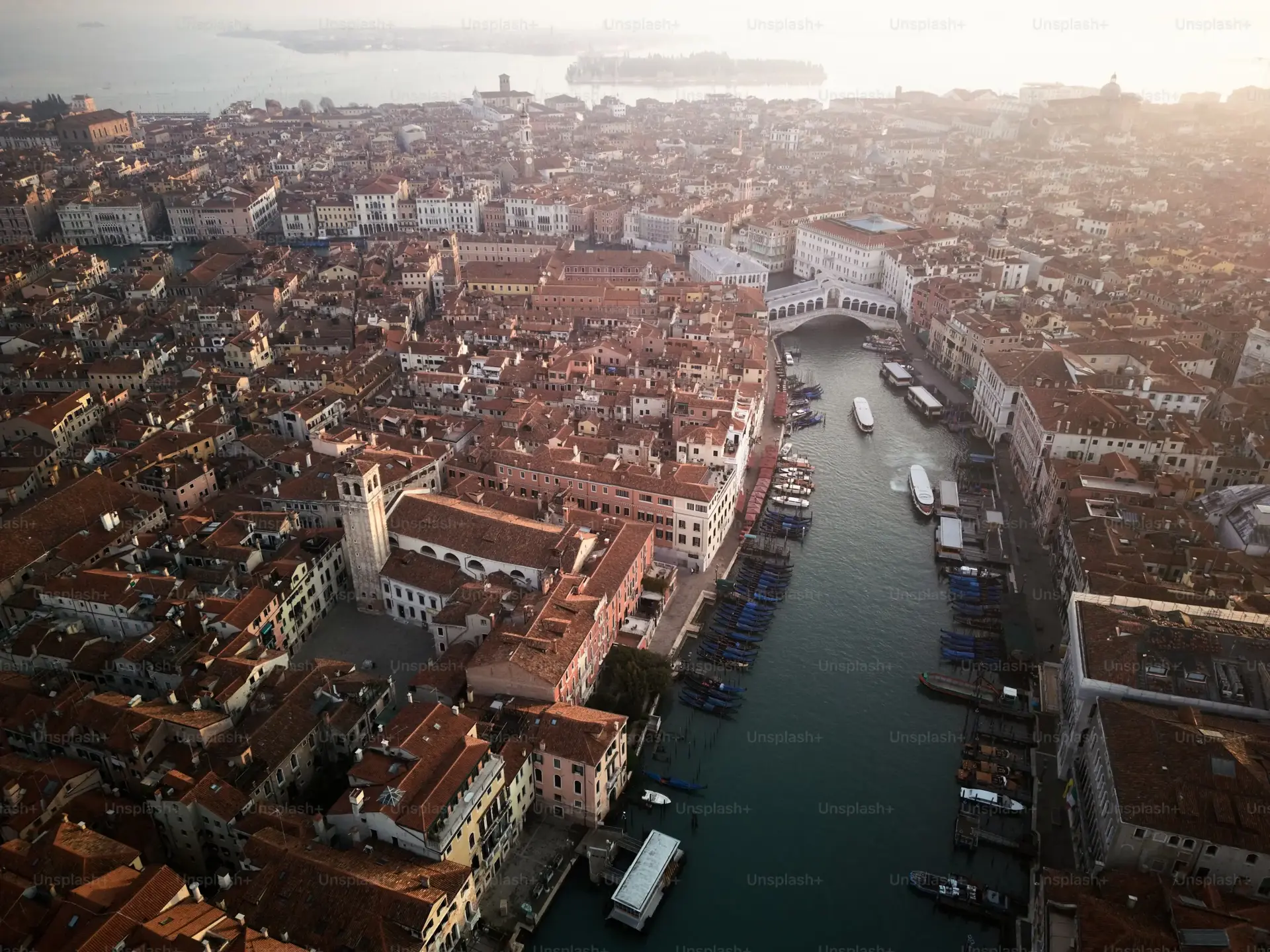
Dopo il loro ritorno vittorioso, i veneziani diedero a San Marco un posto da VIP nel cuore della loro città. Le sue reliquie vennero racchiuse in quello che sarebbe diventato uno dei punti di riferimento più iconici di Venezia: la Basilica di San Marco. Da quel momento in poi, Venezia non fu più una città qualsiasi, ma la città di San Marco. La Basilica, uno splendido pezzo di architettura bizantina, divenne la sua dimora permanente, trasformandosi in un luogo imperdibile per chiunque volesse immergersi nella miscela unica di storia e leggenda di Venezia. Più che un semplice luogo di culto, divenne il cuore e l'anima di Venezia, un simbolo dell'arguzia, del coraggio e della profonda devozione della città.
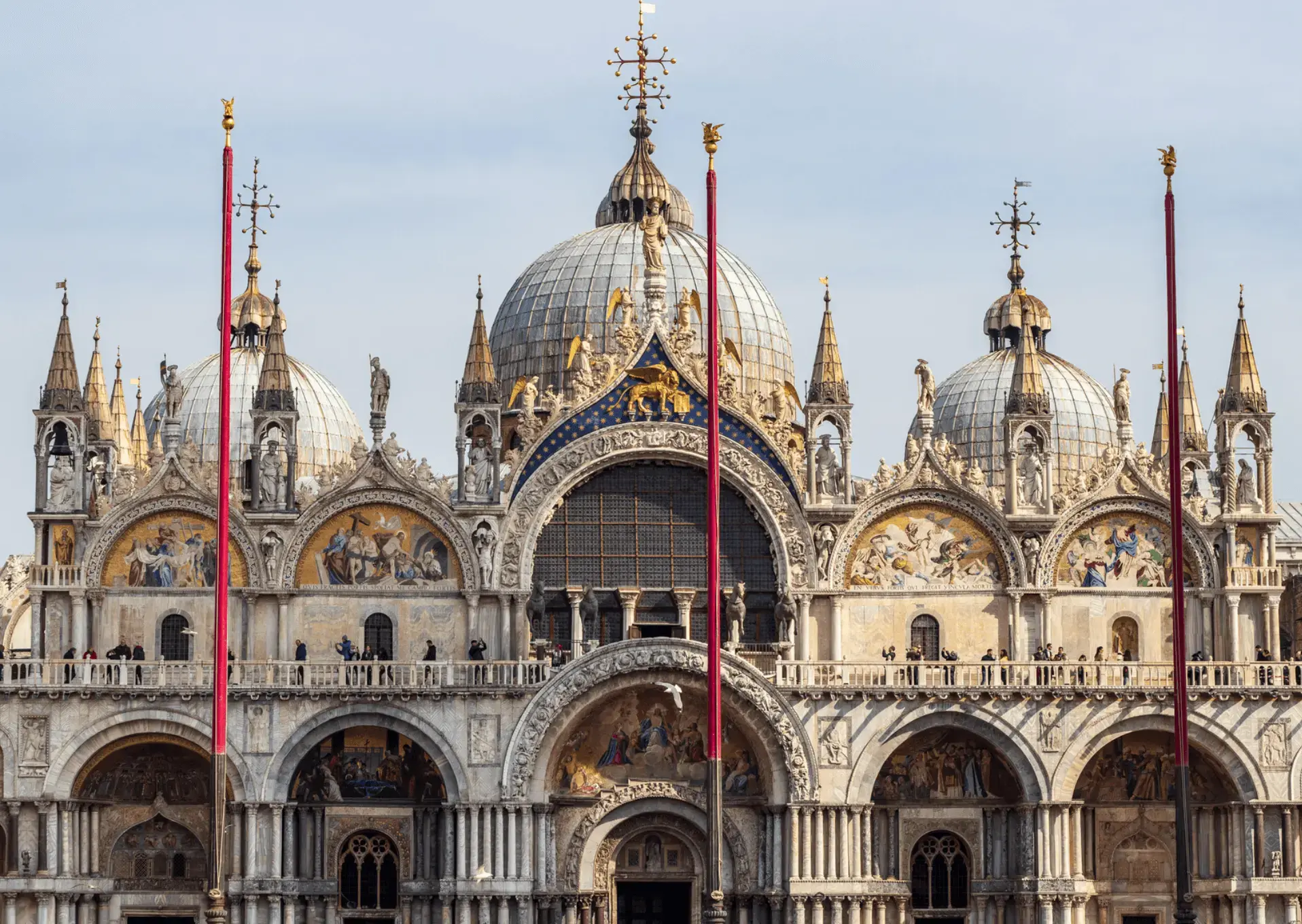
Il Leone e la Leggenda
Dall'interpretazione biblica alla mascotte preferita di Venezia
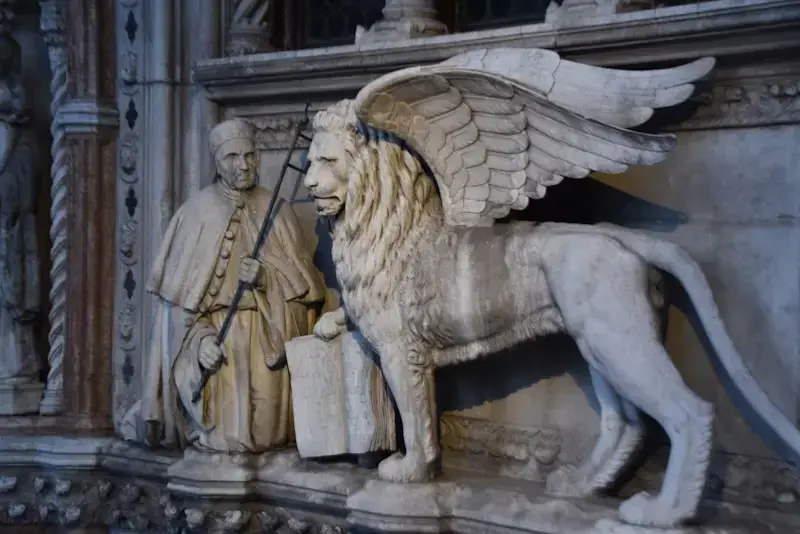
St. Mark's association with the lion comes from interpretations of the Bible rather than the ancient texts themselves. In Christian tradition, the four evangelists were each linked to a symbolic creature: the lion for St. Mark, the eagle for St. John, the bull for St. Luke, and the man for St. Matthew. But what makes Venice's lion stand out? According to legend, as St. Mark passed through the Venetian lagoon, an angel appeared and greeted him with, 'Peace to you, Mark, my Evangelist.' It was a divine hint that Venice would become his final resting place. From then on, the winged lion—often depicted holding a book with this heavenly message—became Venice’s emblem. It wasn’t just a religious figure; it became the city's mascot, appearing everywhere from flags to facades. The Venetians embraced it wholeheartedly, and the winged lion became as much a part of Venice as its canals and gondolas.
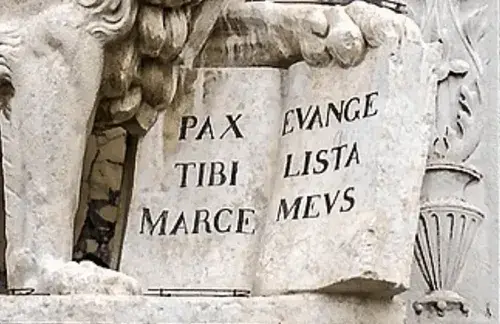
Leoni, leoni ovunque
Il ruggito alato che si sente nelle ex terre veneziane
Lions linked to Venice are everywhere, and not just in the city itself. Sure, they’re guarding the entrances of palazzos, perched atop columns, and keeping a watchful eye over the canals. But as the Republic of Venice expanded its influence far and wide, it took the lion with it. In the cities and territories that used to be under Venetian control, these winged lions still proudly stand today. They’re like the ultimate Venetian souvenirs, left behind as reminders of the Republic's power. You might spot them carved into fortress walls, keeping watch over ancient harbors, or even adorning modern city emblems.
Whether you're wandering through a distant European city or exploring a corner of the Mediterranean once touched by Venice, finding a winged lion is like uncovering a piece of Venice’s epic story—of daring merchants, divine encounters, and a city that let its symbol roar across continents.