Perché c'è una grande nicchia vuota nel municipio di Rennes?
Il Municipio: risorgere dalle ceneri come una fenice
Come un incendio devastante ha portato alla rinascita di Rennes
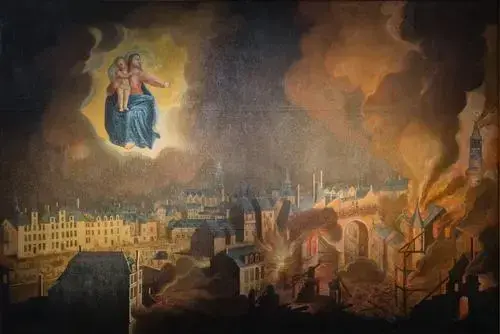
Rennes City Hall isn’t just a place where politicians shuffle papers and make decisions; it's a survivor. Its story starts with one of the most dramatic episodes in Rennes' history—the Great Fire of 1720. Picture this: a carpenter's shop, a bunch of folks having a bit too much fun, a domestic spat, and suddenly—boom! A lamp shatters, and the entire city goes up in flames. For a whole week, fire tore through the medieval streets like it had a grudge, leaving behind nothing but ashes and heartbreak.
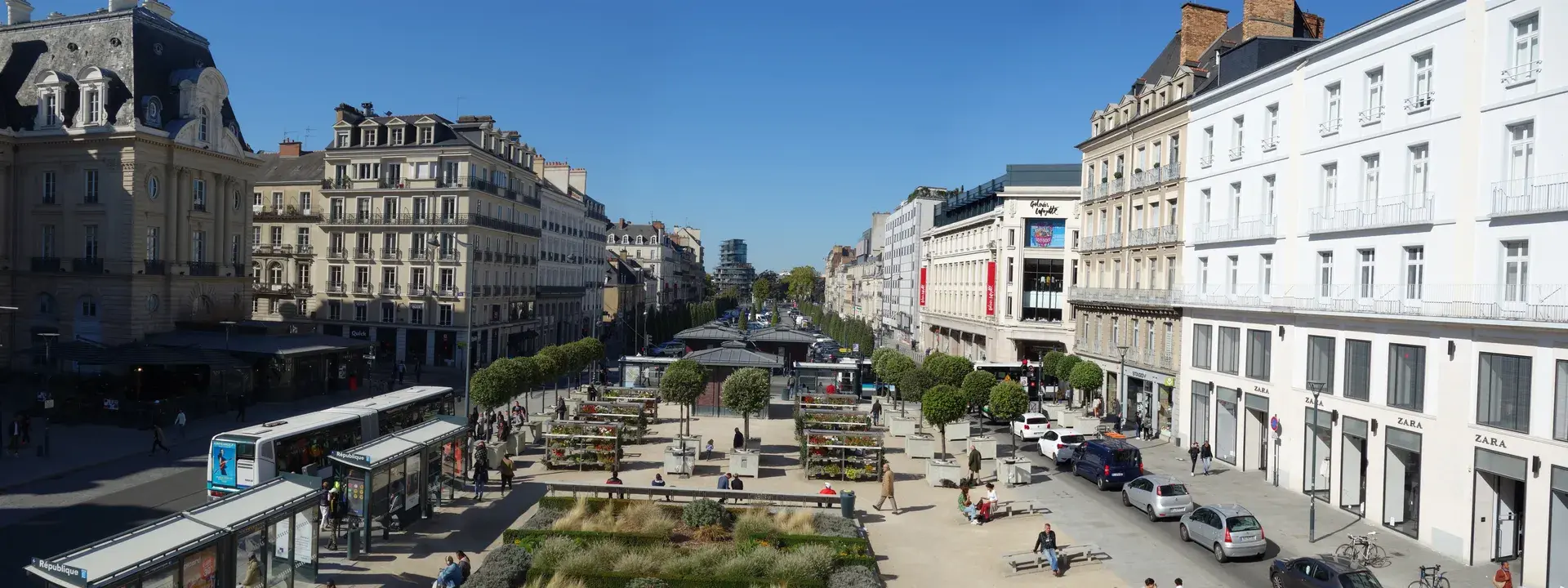
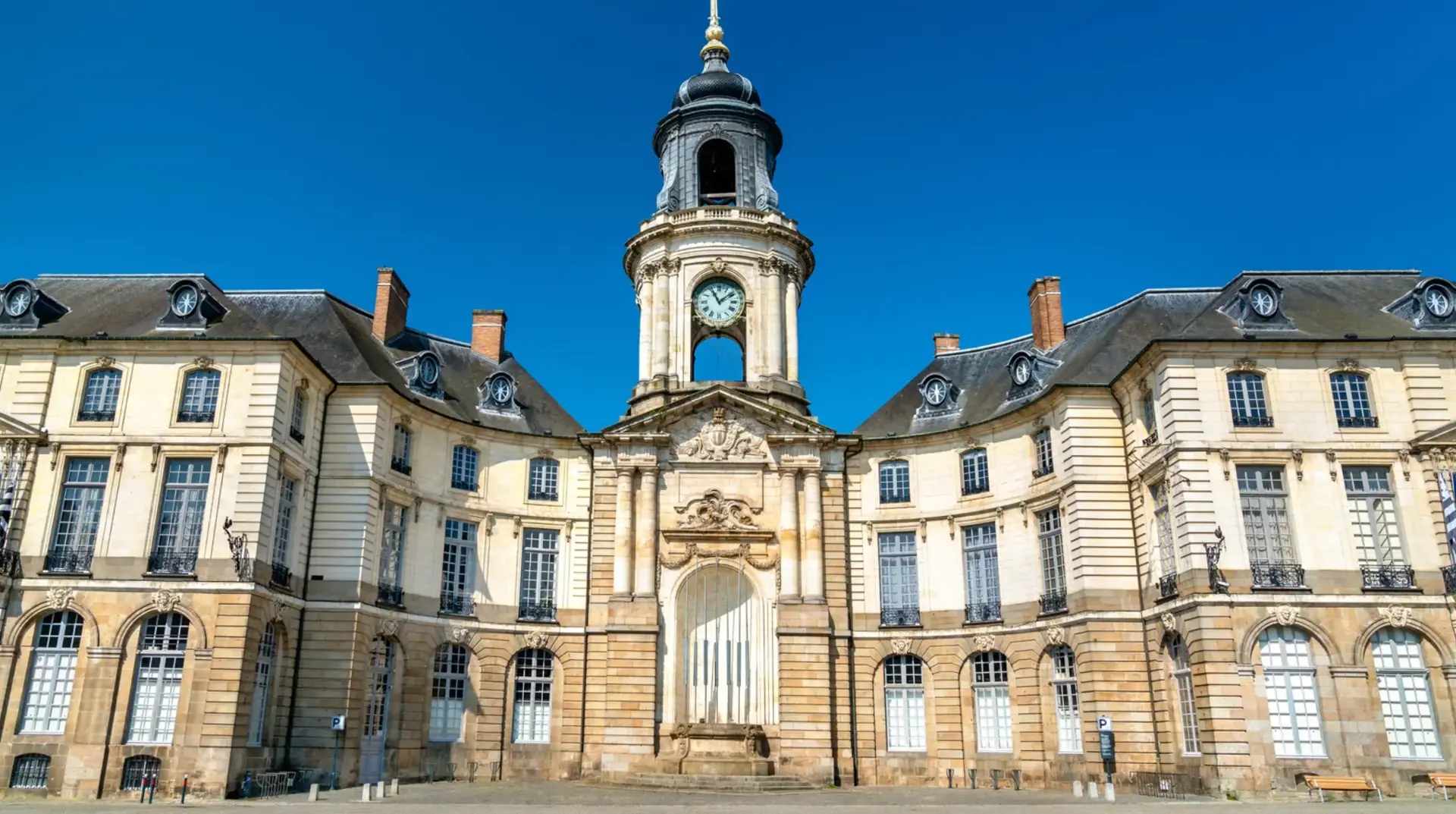
But Rennes wasn’t about to give up. In the aftermath, King Louis XV sent his top architect, Jacques Gabriel, to rebuild the city from scratch. Out with the old chaotic medieval streets and in with grand squares and straight streets. The centerpiece of this new city was the Place de la Mairie, where the stunning City Hall still stands today. It's more than just a building; it's a symbol of Rennes’ spirit—knocked down but never out.

Un grande rinnovamento: la costruzione della nuova Rennes
La visione dell'ordine e dell'autorità di Jacques Gabriel
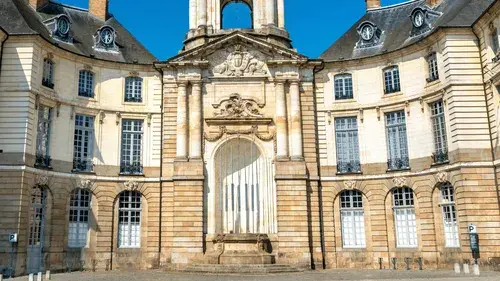
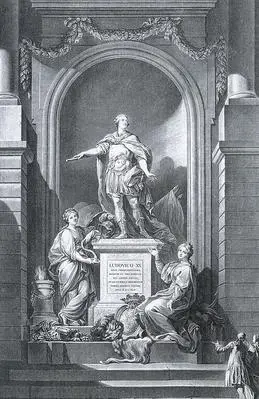
Gabriel non ha scherzato quando ha progettato il Municipio: ha optato per il barocco, con due ali identiche e una bella torre dell'orologio al centro. Da un lato, c'è il tribunale civile; dall'altro, il centro amministrativo. È come un grande abbraccio architettonico che avvolge la giustizia e il governo. Ma veniamo alla parte più interessante: la nicchia sotto la torre dell'orologio centrale. Oggi è solo un grande buco vuoto, ma non è sempre stato così. In passato, questa nicchia era il luogo ideale per una statua del re Luigi XV, colui che aiutò Rennes a tornare dall'orlo del baratro dopo l'incendio. Si trattava di rendere omaggio all'uomo al comando. Ma si sa come va la storia: le cose cambiano.
La Rivoluzione: Via la testa (o meglio, la statua)!
Quando la Rivoluzione Francese arrivò per il Re
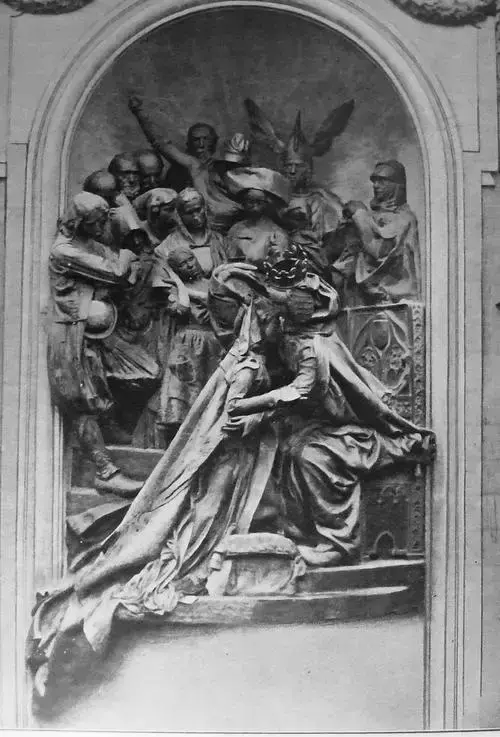
La statua del re Luigi XV doveva essere abbattuta. I rivoluzionari volevano abbattere i simboli della monarchia e quella statua non faceva eccezione. Così la abbatterono, lasciando la nicchia goffamente vuota. Era come se il municipio avesse improvvisamente perso un dente. Ma aspettate, la nicchia non sarebbe rimasta vuota a lungo. Fu inserita una nuova scultura, questa volta raffigurante l'unione della Bretagna con la Francia, con Anna di Bretagna inginocchiata di fronte a una figura allegorica della Francia. Sembra tutto bello e unificante, giusto? Beh, non proprio. Questa nuova aggiunta scatenò una polemica e rese la storia della nicchia ancora più complicata.
Il tumulto nazionalista: la nicchia diventa un campo di battaglia
Un simbolo di discordia tra Bretagna e Francia
Turns out, not everyone was thrilled with the whole 'Union of Brittany with France' idea. Nationalist sentiment in Brittany was not about to let this monument slide. To them, it was a symbol of oppression, not unity. So, in 1932, during the 400th anniversary of Brittany's union with France, things got heated—literally. A group of protesters decided that this sculpture was a 'monument of national shame' and tore it down. And just like that, the niche was empty again.
And there it remains, an empty spot right in the middle of the City Hall's grand façade. But don’t let that emptiness fool you—it's packed with stories. Every time you walk by, it's like the niche is whispering tales of fire, rebellion, identity struggles, and the eternal tug-of-war between past and present.