Casa del Boia: Lucca's Executioner's House History
此内容尚无中文版本。显示英文版本。
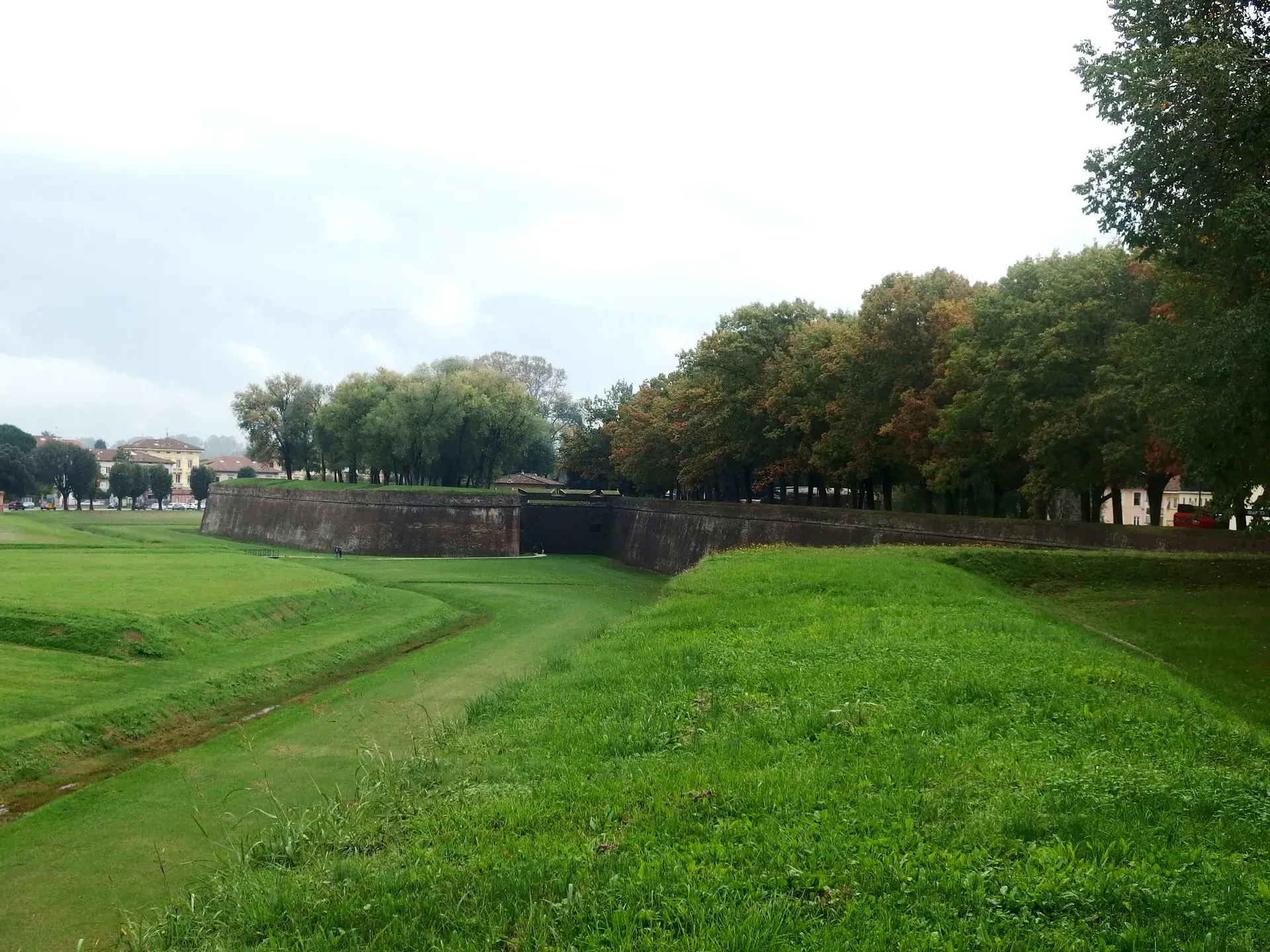
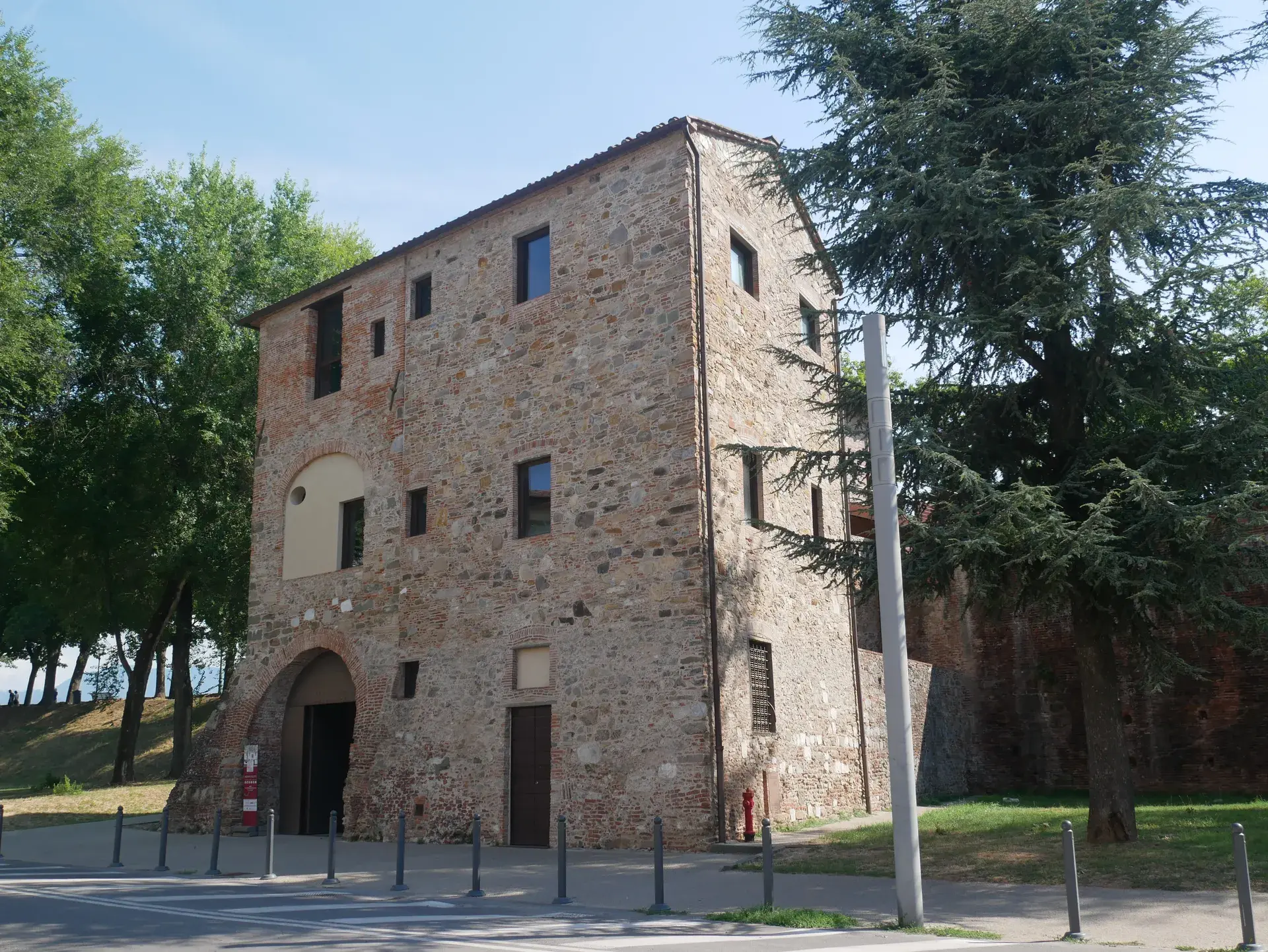
The Casa del Boia, or 'Executioner's House,' is a historic stone building integrated into the ancient city walls of Lucca, near the San Salvatore bastion. This structure encapsulates centuries of the city's history, from military defense to its modern role as a cultural hub.
Military Origins
Before gaining its grim moniker, the building was a 16th-century military structure known as the Torrione del 'Bastardo'. It served as a defensive post, complete with barracks for bombardiers, as part of Lucca's expanding fortifications. The building's military past is still visible in its architecture, which includes an underground gallery with barrel vaults supported by stone pillars. During recent restoration, excavations even uncovered the foundations of an older medieval city wall tower that was partially demolished to build the 16th-century bastion.
The Executioner's Residence
The building's most famous period began around 1826. Faced with the need to operate a new guillotine ordered from Florence and the unwillingness of locals to take the job, the Lucchese government appointed Tommaso Jona, an assistant executioner from Rome, as the city's official executioner. He was provided this isolated house by the walls as his residence. Ironically, despite his title, Jona reportedly rarely performed his duties. One notable instance where he was called upon was for the 1845 condemnation of five men from the 'Band of Barbanera'.
Jona lived in the house until 1846 and was briefly succeeded by Benedetto Paltoni. The role became obsolete when the death penalty was abolished in Lucca in 1847. Following this, the guillotine was burned, and its blade was ceremoniously cast into the sea at Viareggio.
From Industry to Culture
After the unification of Italy, the Casa del Boia underwent another significant transformation, becoming a silk spinning mill (filanda). It served this industrial purpose for several decades into the 20th century. Following a period of disuse, extensive restoration work began in May 2013 to repurpose the historic building once again.
The Casa del Boia Today
Today, the Casa del Boia is a vital cultural center within Lucca. It serves as a dedicated meeting point for pilgrims traveling the historic Via Francigena and houses a multimedia museum dedicated to this famous route. The restored building hosts conferences and cultural events. Emphasizing accessibility, the facility is equipped with the only lift within Lucca's walls designed for disabled visitors. An adjacent structure, the Casermetta San Salvatore, has been developed as a welcome point with amenities for those using the walls for physical activity.
FAQ
What was the Casa del Boia before it was the executioner's house?
Before 1826, the Casa del Boia was a 16th-century military outpost known as the Torrione del 'Bastardo'. It was part of Lucca's fortifications and housed barracks for bombardiers.
Who was the executioner who lived in the Casa del Boia?
The most notable resident was Tommaso Jona, an executioner hired from Rome in 1826. He lived there until 1846 but, despite his title, rarely carried out executions.
When was the death penalty abolished in Lucca?
The death penalty was abolished in Lucca in 1847. Afterwards, the city's guillotine was burned and its blade was thrown into the sea at Viareggio.
What is the Casa del Boia used for now?
Today, it is a cultural hub that serves as a meeting point for pilgrims on the Via Francigena, hosts cultural events, and contains a multimedia museum about the historic pilgrimage route.
前所未有地探索Lucca
通过Ciceru的互动之旅,深入了解Lucca的隐藏故事和秘密景点。
探索游览
语音导览
测验
地图
单人
情侣
团体与家庭

© Wikimedia Commons | CC-BY-SA