Hohensalzburg Fortress (Funicular Base)

为探索者和旅行者准备的贴士与路线

Salzburg城市指南

萨尔茨堡将精致紧凑的联合国教科文组织巴洛克老城,与壮阔的阿尔卑斯山前地带融为一体。莫扎特的音乐遗产、名扬天下的萨尔茨堡音乐节,以及萨尔茨堡要塞脚下交错的步行巷弄,共同勾勒出这座城市的灵魂。

国家
奥地利
语言
德语
货币
欧元 (EUR)
插头
类型 C/F
时区
Europe/Vienna
紧急电话
112、133、144和122
自来水
可饮用
区号
+43

景点

Salzburg必做之事

萨尔茨堡紧凑的小城核心,在萨尔察赫河与僧侣山绝壁之间徐徐铺展,适合全程徒步游赏。古老的历史广场、莫扎特的故迹与巴洛克庭院自然衔接,拾级而上,更能直抵萨尔茨堡要塞。

米拉贝尔宫及花园 – 丑闻绽放

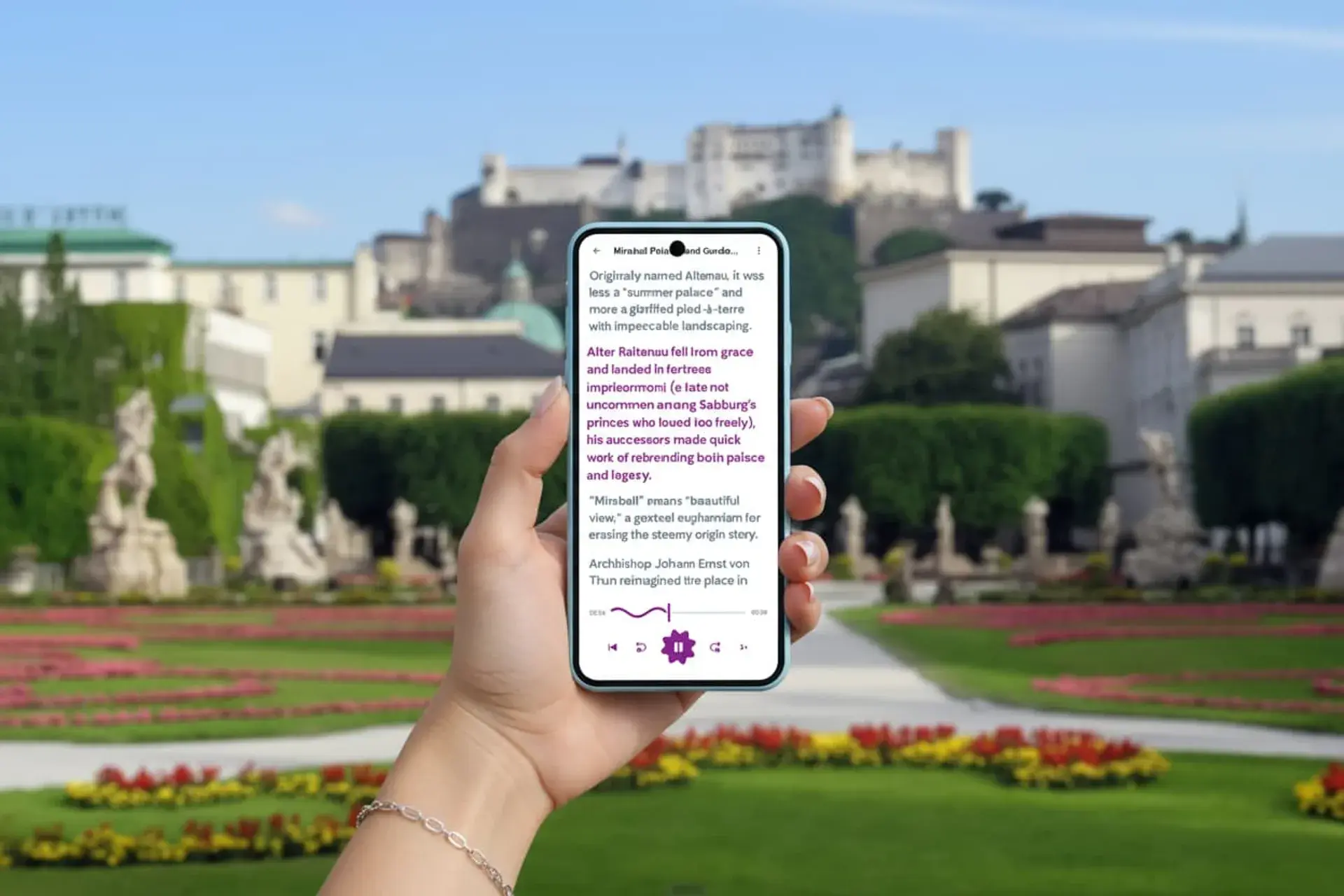
In Salzburg, even the scandals come landscaped. This refined city, threaded along the Salzach River and backed by snow-dusted hills, carries centuries on its shoulders like a well-tailored coat. You’ll find elegance in its Baroque façades, genius in its music halls, and a surprising amount of personality tucked between palaces and pastries. This walk invites you into the layered charm of Salzburg’s history. Not just the postcard version, but the winks, quirks, and human contradictions that fill its alleyways and bell towers. From ecclesiastical strongholds to twirling Do-Re-Mi meadows, local folklore shares pavement with world fame. And while the city’s most celebrated son—Mozart—makes frequent curtain calls, he’s far from the only story worth hearing. We begin with a garden that once bloomed for love, rumor, and a defiant archbishop’s family tree. It’s orderly now, but the roots remember. Mirabell was born out of scandal, which makes its present respectability all the more ironic. Around 1606, Prince-Archbishop Wolf Dietrich Raitenau built this palace—not for God, country, or cultural posterity—but for his mistress, Salome Alt, and their 15 children. Originally named Altenau, it was less a “summer palace” and more a glorified pied-à-terre with impeccable landscaping. After Raitenau fell from grace and landed in fortress imprisonment (a fate not uncommon among Salzburg’s princes who loved too freely), his successors made quick work of rebranding both palace and legacy. “Mirabell” means “beautiful view,” a genteel euphemism for erasing the steamy origin story. Archbishop Johann Ernst von Thun reimagined the place in the Baroque mode, adding a grand marble hall and sculpted gardens that today host weddings more politically correct than their namesake’s domestic arrangements. The gardens, a choreography of hedges and fountains, are more obedient than their original royal patron. You’ll spot the Pegasus fountain and the hedge theater, which now plays more Mozart sonatas than moral scandals. And of course, there’s the Dwarf Garden. Originally 28 strong, these bulbous stone figures were carved for amusement, then scandalized into storage. A few survivors now grin toothlessly for selfie-seeking tourists. Modern crowds remember it less for ecclesiastical gossip and more for Julie Andrews twirling to “Do-Re-Mi.” Mirabell now houses the mayor’s office rather than mistresses, and the Marble Hall doubles as one of Europe’s loveliest registry offices. It’s as buttoned-up as a civil servant—only with vastly better drapery. Children tell tales of the “Hexenkuss,” a tree bark formation they claim grants wishes if kissed. Botanically implausible, but charmingly persistent. Touch at your own peril—or promises. Come early. The only thing more surgically trimmed than the topiary are the tourists’ schedules. At sunrise, the scent of clipped yews and fresh blooms hangs in the air, unbothered yet by camera shutters. Raitenau would have hated the modesty. And just across the river, another Salzburg household brimming with sound and tension awaits—Mozart’s later home and creative crucible.
莫扎特的居所 - 近距离接触天才

<p>Makartplatz 8 is surprisingly sedate for a house that once echoed with symphonies, family quarrels, and the squawks of a pet starling with suspiciously refined taste. This is where the Mozarts moved in 1773 when their old apartment—above a busy street and below their increasing fame—could no longer contain their ambitions or elbows.<br><br>Leopold Mozart, ever the stage father with a manuscript in one hand and a travel itinerary in the other, designed an octagonal music room here, ideal for shaping Austria’s most precocious export. Wolfgang, by this point just 17, already had the posture of a man weary of small talk and provincial rituals. Many early masterpieces were composed beneath these ceilings.<br><br>WWII bombings shattered much but didn’t silence it. The residence was meticulously reconstructed, giving the building a faintly ghostly feel—the kind of place where the past hangs behind the plaster like a second wallpaper. Within, there’s Mozart’s own fortepiano (still sturdier than his finances ever were) and family instruments that saw more rehearsals than reconciliations.<br><br>The house is heavy with father-son tension, sibling talent (Nannerl, brilliant in her own right, mortally overshadowed), and creative genius caged. Even the alleged starling gets a mention—a bird who memorized Mozart’s tunes and maybe improved them. That kind of feedback loop is hard to come by on Spotify.<br><br>Today, hushed visitors drift through the rooms, headphones on, reverently peering at compositions like naturalists observing a rare fossil. Out the window, the modern city carries on with buses and bratwurst carts, oblivious to internal arias.<br><br>You leave realizing two truths: one, even Mozart needed better acoustics; and two, no genius is ever at home in a house for long.<br><br>From domestic dramas to defensive grandeur, before crossing the bridge we’ll pause by the riverbank and look south to the Hohensalzburg Fortress, which rises above the city like a stone crown still keeping watch over every note and rooftop.</p>

霍亨萨尔茨堡堡垒 – 权力的视角

<p>You are not climbing it today, just admiring it from afar. Perched on Mönchsberg since 1077, Hohensalzburg began as a holy man’s backup plan: if diplomacy failed, build higher walls. It still dominates the skyline, a pale fortress that has outlasted its founders and the arguments that built it.</p> <p>Over centuries, each Prince-Archbishop added another layer, tower, or torture implement, crafting Europe’s fortification equivalent of a bureaucratic nesting doll. Archbishop Leonhard von Keutschach was especially fond of upgrading, adding princely apartments, self-aggrandizing crests, and what can only be described as medieval flexes. His family’s radish emblem appears in more places than is strictly necessary.</p> <p>Centuries passed. Empires fell. Hohensalzburg remained stubbornly unconquered. Even Napoleon, usually so skilled at turning castles into smoking ruins, declined the invitation. It served as a prison, a bastion, and, ironically, a symbol of safety from the men who built it.</p> <p>Inside, visitors now find museums devoted to war, puppetry, and princely taste, because Salzburg believes in categorizing its ghosts. Then there is the Salzburg Bull, not livestock but a wheezing mechanical organ built to psych out attackers by pretending the fortress had endless cattle. It plays daily, a moody soundtrack that seems to suggest, “We hear you down there, and we are incredibly unbothered.”</p> <p>The Torture Tower, once a medieval HR office, still looms beside the princely rooms, proof that splendor and dread often share hallways. From below, the panorama is just as grand. The fortress that once kept peasants out now welcomes them three times a day via guided tours. Even ramparts lose their edge after a few centuries.</p> <p>You can climb it after the tour if you wish, either on foot or by funicular from the Old Town. For now, keep the fortress in your sight as you head toward the river, where Salzburg’s quieter side glints ahead over a bridge heavy with declarations of love and locks.</p>

Makartsteg桥 – 锁、钥匙和美好的愿望

Getreidegasse – 商业与记忆之巷

Getreidegasse is Salzburg’s answer to the question: what happens when centuries of commerce squeeze into an alley no wider than a marching band? Answer: gorgeously compressed chaos, with an aroma of strudel and capitalism. The name translates to “Grain Lane,” a nod to its Middle Ages functionality. But let’s not be quaint. This was a business street, where grain, shoes, cheese, and possibly gossip were traded with equal vigor. The street’s real genius lies in its signage: wrought-iron symbols so elaborate, even McDonald’s bowed to tradition and swapped out its golden arches for curlicues. Above the shops, you’ll spot the narrow, high-gabled houses reaching for sun like Florentine tenements. Hidden courtyards nestle behind archways, once secret merchant passageways and now Instagram catnip. At No. 9, Mozart entered the world and promptly began upstaging everyone else on the street. Today, Getreidegasse is more boutique than Baroque premise, but the bones remain: uneven cobbles, iron hooks where pigs once hung, and windows designed for window-shopping long before display ads existed. Locals tell whispered tales of passageways between buildings—an anecdotal labyrinth for evading taxes or love triangles. True or not, they track with the street’s mercantile cunning. If you listen, there’s a particular sound: expensive heels clip-clopping over stones worn by generations of bargains and schemes. It’s the soundtrack of a street that’s survived Romans, revolutions, and rent hikes—and still sells leather handbags at full markup. Among all these facades, one address hums a little louder—just ahead is the modest apartment where Mozart first heard the world.

莫扎特的出生地 - 小房间,大回声

It’s not especially big. Or lavish. Or noticeably purple, which is to say, it’s not how we usually imagine a genius’s nursery. But Getreidegasse 9 is where Wolfgang Amadeus Mozart was born on January 27, 1756—a third-floor tenant above a grocery shop, with a view of shopkeepers, street noise, and destiny. The Mozarts lived here for over 15 years. The apartment, by all accounts, was snug—a polite way of saying Leopold’s violin might’ve occupied more space than a sibling. It was here that infant Wolfgang banged keys and then promptly rewrote the instruction manual for European music. Inside, the museum displays aren’t glitzy. That’s the point. There’s his childhood violin (less than half his adult height), a battered clavichord, and family letters that read like dispatches from a very musical, very tense powder keg. There’s something uncanny about the reconstructions: a silent kitchen barely big enough for elbows, a modest living space drowned in foot traffic from fans with iPhones. Even legends start small—sometimes three rooms and a view of bakers. Legend says loud trumpet blasts once made baby Mozart burst into tears. Not fear—ear pain. Even at one year old, he was already critiquing the brass section. You leave realizing this: Mozart didn’t grow up in a palace. He grew up in a rental unit, squeezed in with parental ambition and melodic instincts. And that makes his music feel less divine and more miraculous. From a prodigy's cradle to a prince-archbishop’s front yard—next, we enter Residenzplatz, where religion, rule, and fountain drama converge.

Residenzplatz – 大主教的剧院

萨尔茨堡大教堂 – 石头、声音与救赎

Kapitelplatz – 秩序、艺术与金色球体

你的私人导游,就在口袋里

这些地方,准备好去走一趟了吗?

  • 自助导览,现在出发或改天再走
  • 离线音频,7 种语言
  • 30 天内不满意可退款
  • 含 500MB 全球 eSIM 流量

€5.00

Salzburg的 1 条自助导览

查看全部导览

规划行程

Salzburg要待几天?1天完美行程

第1天

从米拉贝尔花园起步,漫步萨尔茨堡老城

从米拉贝尔穿过萨尔察赫河,信步走入步行老城区;若想去往更远的地方,搭乘无轨电车最为方便。

€5.00

天气与人流

最佳旅行时间

七月是萨尔茨堡通常最热的月份,气温可达25.0°C,但六月至八月也是降雨最集中的时节,弗赖萨尔站记录的各月降雨量均在180毫米以上。九月通常最高气温为20.4°C,且少见夏日豪雨;十二月至二月游人虽少,但寒气袭人。

推荐

寒冷清幽的冬日

12月–2月

-3–7°C/ 27–45°F

游客较少偶有降雨
  • 降临节节日氛围
  • 十二月和一月气温常年跌破冰点

不容错过

  • 萨尔茨堡圣诞市集

春季过渡期

3月–5月

1–20°C/ 34–69°F

游客渐多多雨
  • 五月午后的温和时光
  • 五月降雨量达169.7毫米

不容错过

  • 萨尔茨堡复活节艺术节

热力十足的艺术盛夏

6月–8月

12–25°C/ 54–77°F

旅游旺季多雨
  • 萨尔茨堡音乐节
  • 六月至八月月均降雨量逾180毫米

不容错过

  • 萨尔茨堡音乐节

清爽秋日

9月–11月

1–20°C/ 34–69°F

人多拥挤偶有降雨
  • 温暖舒适的九月天
  • 十一月通常最高气温降至9.2°C

不容错过

  • 鲁佩特传统市集

交通

Salzburg到达与交通

萨尔茨堡机场

Salzburg到达与交通
市区2路公交直达中央火车站约23分钟€3.00
市区10路公交直达市中心约15分钟€3.00

无轨电车与市区公交

首选出行方式

萨尔茨堡交通局核心区1小时车票在售票机、官网或App购买为2.60欧元;24小时票为5.20欧元。若提前购票,请按要求在乘车时打卡验票。

游客畅行通票

住客免费享受

过夜旅客在入住期间可免费搭乘全萨尔茨堡州的公共交通。2025年5月1日至2027年4月30日期间,15岁及以上旅客每人每晚收取0.50欧元的交通附加费。

步行

游览老城极佳

萨尔茨堡市中心精巧玲珑,许多路线徒步最惬意;唯一的考验,是古意盎然的鹅卵石路、穿河桥梁以及通往周边山坡的陡峭小径。

自行车

沿河平坦车道

沿着萨尔察赫河穿梭或骑往外围街区都很舒服,但骑入受保护的老城与步行街之前,务必先看清当地指示牌。

老城全凭双脚丈量,较远路程交由无轨电车接驳。如果有过夜住宿,游客畅行通票即可搞定全州交通,比单次购票划算得多。

预算

游览Salzburg需要多少钱?

住在萨尔茨堡市中心并不算便宜。市内交通花费可控,但七八月音乐节期间房价飙升,且每人每征税晚需额外缴纳3.50欧元的综合税费与交通附加费,外加单独收取的0.05欧元专项基金。

游览Salzburg需要多少钱?
萨尔茨堡核心区1小时票€2.60–€3.00
萨尔茨堡核心区24小时票€5.20–€6.40
萨尔茨堡5次行程票€12.50
P+R停车换乘联票,至多5人€7.50–€15.00
机场P4停车场单日停放€37.00–€39.00

Cash or card?

萨尔茨堡交通局核心区车票可通过自动售票机、官网及手机端购买。根据营运商2026年的票价公示,车厢内并不保证支持境外银行卡支付,建议在条件允许的情况下上车前备好车票。

住宿

Salzburg住宿区域

老城区

初次造访

萨尔茨堡历史中心区是漫步河岸与游走核心文化场馆的理想落脚点。但要做好心理准备,这里多为鹅卵石路,设有步行禁行区,且音乐节期间住宿极为抢手。

新城区与安德烈区

居于中心,入夜宁谧

坐落于萨尔察赫河东岸,新城区既能步行前往市中心,又保留了比老城区更具烟火气的街区格局。无轨电车四通八达,去往稍远的去处也格外省心。

沙尔莫斯区

火车枢纽,性价比之选

沙尔莫斯位于市中心东北侧,紧邻萨尔茨堡中央火车站。这里虽没有明信片式的如画街景,却换来了极其便捷的交通与地道平实的日常生活节奏。

伊丽莎白城郊区

火车出行,短暂停留

火车站周边街区适合清晨赶车或搭乘区域列车的旅客,亦有频密公交开往市中心。缺憾在于车站附近车流杂乱,历史风情稍显欠缺。

马克斯格兰与里登堡区

幽静居住区,近靠机场

位于萨尔察赫河以西,马克斯格兰与里登堡属于安静宜人的居住区,搭乘公交可轻松抵达市中心或机场。环境虽幽静,但若想频繁步行往返老城,路途稍显遥远。

导览

一步一故事,探索Salzburg

刮刮乐

来刮一刮

涂层下面也许藏着好东西。中奖的话,我们会告诉你怎么用。

每位旅行者限一份奖品,有效期 2 年。

口碑

旅行者评价

安全

Salzburg安全吗?

萨尔茨堡整体治安优良。出行需留意的主要是紧凑老城里的行路安全、2026年7月起的老城机动车限行规则、山路湿滑防跌,以及在繁忙枢纽与音乐节人潮中的日常防盗防窃。紧急求助电话为112、133、144和122。

老城机动车限行区

自2026年7月1日起,萨尔茨堡老城区基本禁止常规机动车驶入。切勿盲目跟着导航强冲自动升降路障;入住老城酒店的旅客,请在抵达前索取专属通行指引。

音乐节人流拥挤

萨尔茨堡音乐节于七八月间举行,全城客流爆满。在排队、搭乘拥挤公交以及活动入场处穿梭时,务必拉好背包拉链,看管好手机与钱包,在老城区游逛时更需多加留心。

湿滑山道防跌

弗赖萨尔站数据显示,萨尔茨堡六月至八月的月均降雨量均在180毫米以上。大雨过后,走在湿滑的鹅卵石街面或依山陡峭小径上需放慢脚步。通用紧急报警电话为112,急救电话请拨打144。

骑行与步行规则

切勿认为步行街就允许骑行。在老城区穿行需留意萨尔茨堡当地指示牌,遇到禁骑路段请下车推行;狭窄桥梁与客流密集的跨河通道尤易发生磕碰与摩擦。

紧急医疗求助

呼叫救护车请拨打144。萨尔茨堡旅游局建议就诊咨询与健康建议致电1450;非工作时段的紧急医疗求助热线为141。

实用信息

实用提示

游客畅行通票

自2025年5月1日至2027年4月30日,凡15岁及以上的过夜征税住客均需缴纳0.50欧元的交通附加费,但在停留期间可免费畅行萨尔茨堡全州的公共交通网络。

老城升降路障通行新规

萨尔茨堡将于2026年7月1日起调整常规机动车准入规则:老城区将全面谢绝社会普通车辆驶入,住店旅客需依照酒店提供的引导指引办理进出。

萨尔茨堡音乐节缘起

萨尔茨堡音乐节诞生于1920年8月22日,当天马克斯·莱因哈特在萨尔茨堡执导上演了胡戈·冯·霍夫曼斯塔尔的戏剧名作《每个人》。

问题

Salzburg常见问题

可以。萨尔茨堡市政公用事业公司(Salzburg AG)证实,这里的自来水完全可以直接饮用。大约90%的水源来自受保护的地下水,其余均取自天然泉水。

准备出发?

遍布Salzburg的自助语音路线。

查看Salzburg的路线