Porque é que há um grande nicho vazio na Câmara Municipal de Rennes?
A Câmara Municipal: renasce das cinzas como uma fénix
Como um incêndio devastador levou ao renascimento de Rennes
Rennes City Hall isn’t just a place where politicians shuffle papers and make decisions; it's a survivor. Its story starts with one of the most dramatic episodes in Rennes' history—the Great Fire of 1720. Picture this: a carpenter's shop, a bunch of folks having a bit too much fun, a domestic spat, and suddenly—boom! A lamp shatters, and the entire city goes up in flames. For a whole week, fire tore through the medieval streets like it had a grudge, leaving behind nothing but ashes and heartbreak.
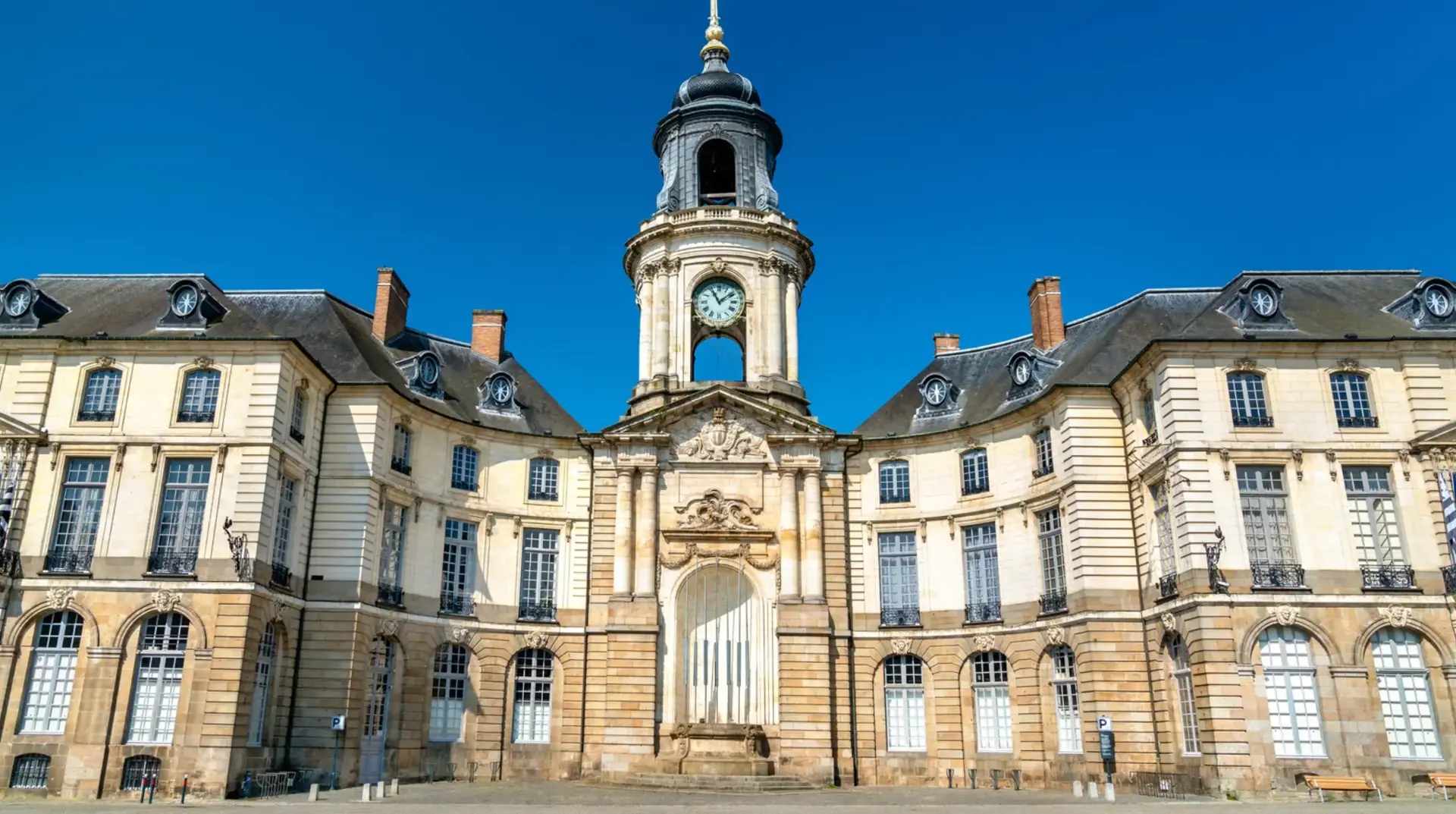
But Rennes wasn’t about to give up. In the aftermath, King Louis XV sent his top architect, Jacques Gabriel, to rebuild the city from scratch. Out with the old chaotic medieval streets and in with grand squares and straight streets. The centerpiece of this new city was the Place de la Mairie, where the stunning City Hall still stands today. It's more than just a building; it's a symbol of Rennes’ spirit—knocked down but never out.
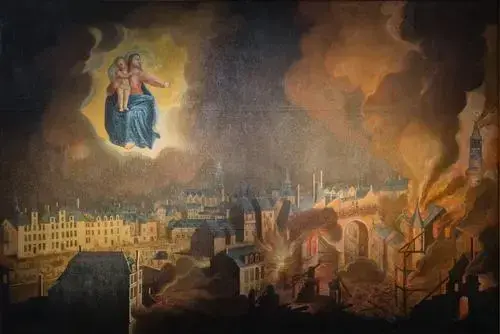

Uma grande remodelação: construir a nova Rennes
A visão da ordem e da autoridade de Jacques Gabriel
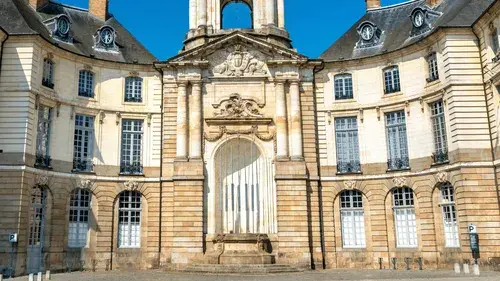
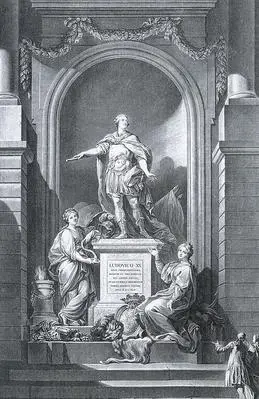
Gabriel não brincou em serviço quando desenhou a Câmara Municipal. Foi totalmente barroco, com duas alas idênticas e uma torre do relógio no meio. De um lado, tens o tribunal civil; do outro, o centro administrativo. É como um grande abraço arquitetónico que envolve a justiça e a governação. Mas vamos à parte sumarenta - o nicho sob a torre do relógio central. Hoje, é apenas um grande buraco vazio, mas nem sempre foi assim. Antigamente, este nicho era o local ideal para uma estátua do Rei Luís XV, o homem que ajudou a trazer Rennes de volta da beira do abismo após o incêndio. Era tudo uma questão de dar adereços ao homem que mandava. Mas sabes como é a história - as coisas mudam.
A Revolução: Tira-lhe a cabeça (bem, a estátua)!
Quando a Revolução Francesa veio buscar o Rei
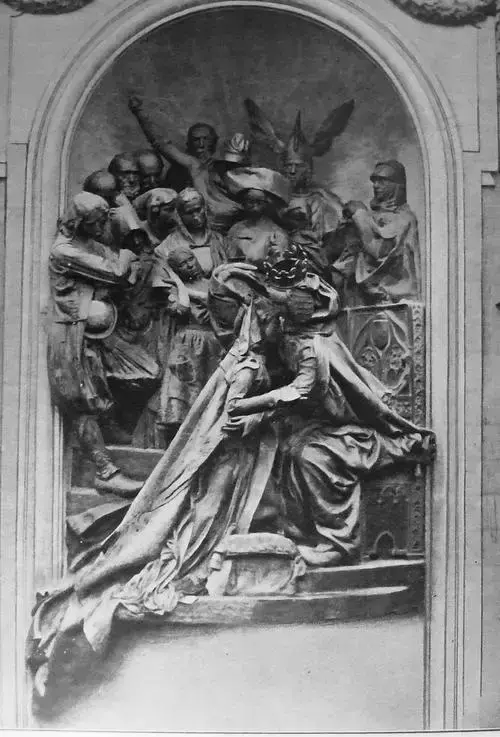
A estátua do rei Luís XV tinha de desaparecer. Os revolucionários queriam derrubar os símbolos da monarquia, e essa estátua não era exceção. Por isso, deitaram-na abaixo, deixando o nicho estranhamente vazio. Era como se a Câmara Municipal tivesse ficado sem um dente. Mas espera, o nicho não ia ficar vazio por muito tempo. Foi colocada uma nova escultura, desta vez mostrando a união da Bretanha com a França. Apresentava Ana da Bretanha ajoelhada em frente a uma figura alegórica da França. Parece tudo bonito e unificador, certo? Bem, não é bem assim. Esta nova adição provocou a sua própria controvérsia e tornou a história do nicho ainda mais complicada.
O nicho torna-se um campo de batalha
Um símbolo de discórdia entre a Bretanha e a França
Turns out, not everyone was thrilled with the whole 'Union of Brittany with France' idea. Nationalist sentiment in Brittany was not about to let this monument slide. To them, it was a symbol of oppression, not unity. So, in 1932, during the 400th anniversary of Brittany's union with France, things got heated—literally. A group of protesters decided that this sculpture was a 'monument of national shame' and tore it down. And just like that, the niche was empty again.
And there it remains, an empty spot right in the middle of the City Hall's grand façade. But don’t let that emptiness fool you—it's packed with stories. Every time you walk by, it's like the niche is whispering tales of fire, rebellion, identity struggles, and the eternal tug-of-war between past and present.