Museo Casa Montejo: Mérida's Oldest Colonial Mansion
Este conteúdo ainda não está disponível em português. Mostramos a versão em inglês.
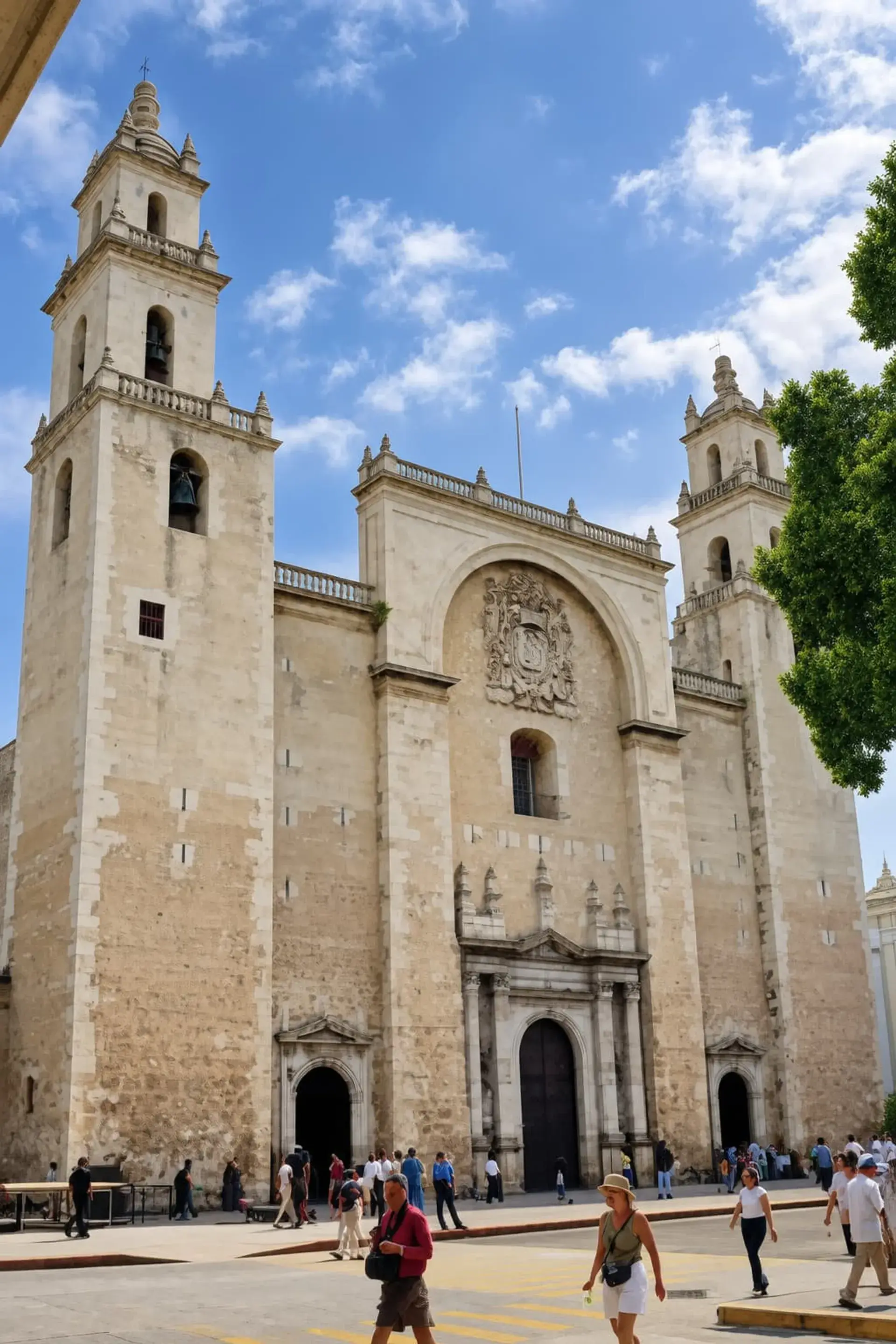
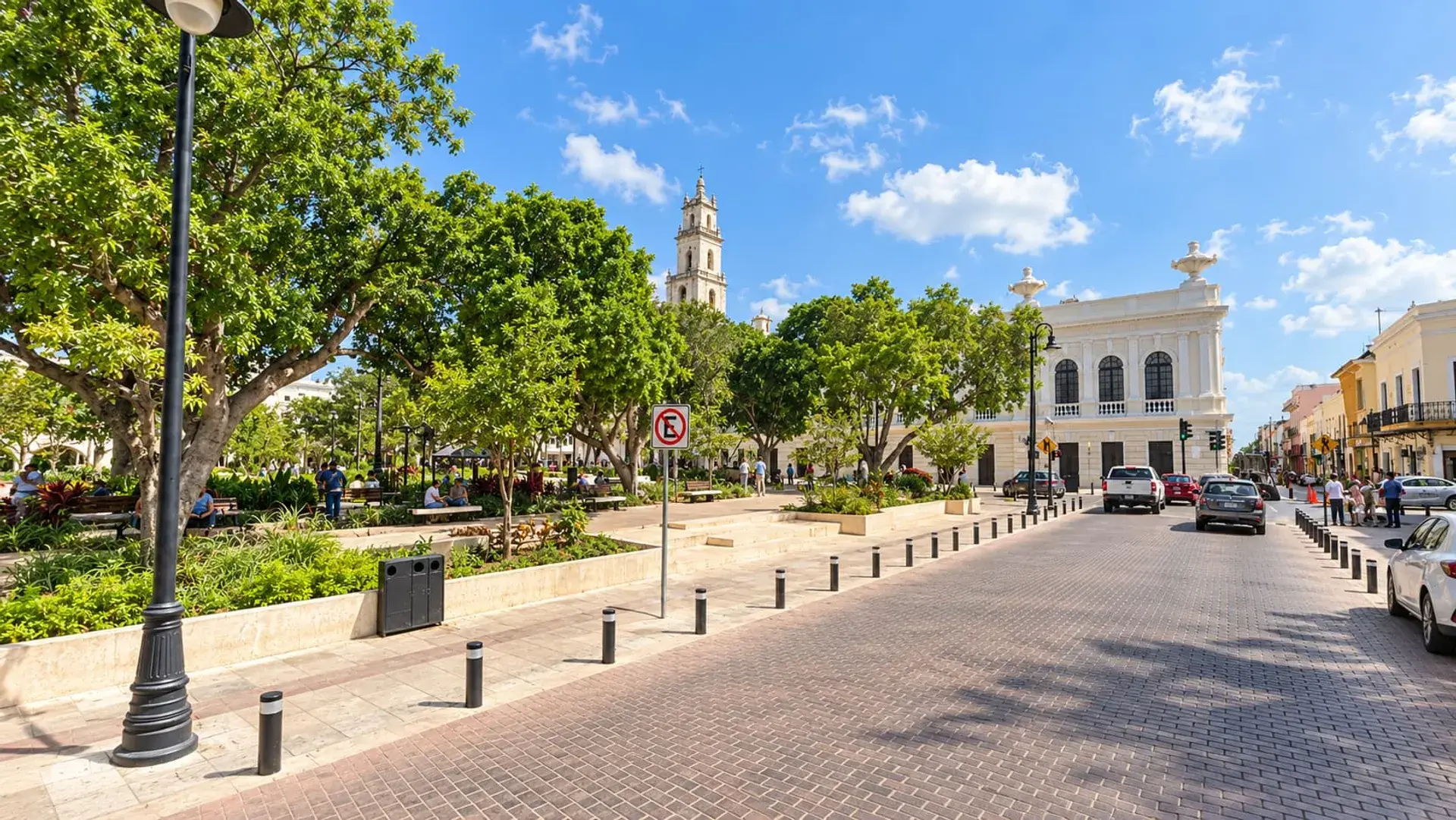
Behind the oldest secular colonial facade in Mérida lies a timeline of power, from 16th-century conquest to 19th-century henequen wealth. Anchoring the southern edge of Plaza Grande opposite the Cathedral and Palacio Municipal, Museo Casa Montejo illustrates the physical transition of Yucatán from an ancient Maya settlement to a colonial capital.
A Monument to the Spanish Conquest
Following the foundation of Mérida over the Maya city of T'Hó in 1542, the Montejo family claimed a prime plot facing the main square for their family palace. Construction on the mansion began that same year and was completed in 1549 under the orders of Spanish conqueror Francisco de Montejo "El Adelantado" and his son, Francisco de Montejo "El Mozo." Today, the structure is regarded as the oldest surviving secular and domestic colonial building in Mérida.
The Plateresque Facade and Its Iconography
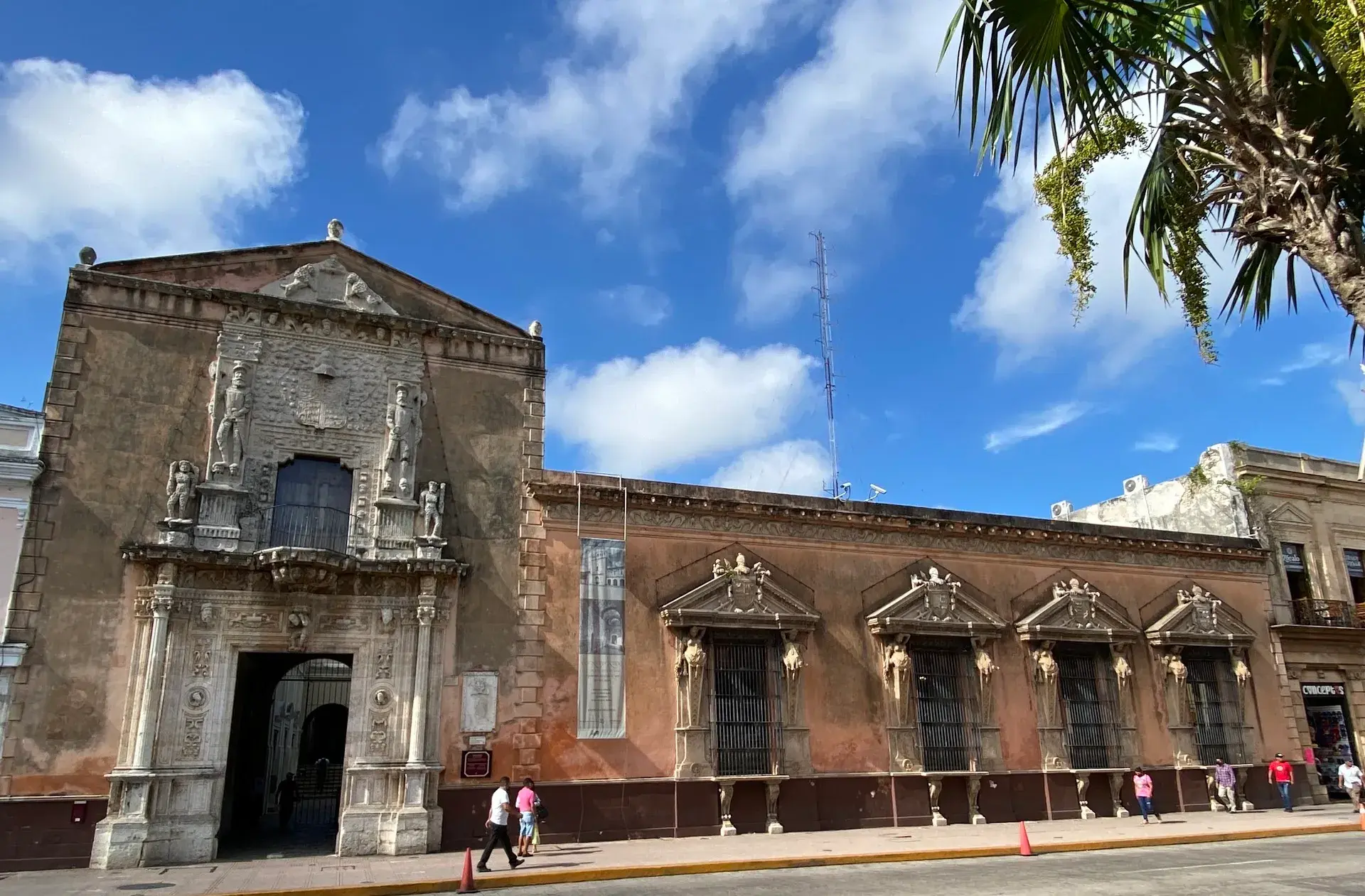
The exterior of Casa Montejo is considered one of the purest examples of Plateresque civic architecture in Mexico. The high-relief carved limestone portal is rich with tactile details, including finely etched family heraldry and carved lions that stand in stark contrast to the surrounding whitewashed and yellow walls.
The upper tier of this entrance gate features an explicit visual declaration of Spanish dominion. It depicts two armored Spanish conquistadors, armed with halberds, standing directly atop the severed or bowed heads of defeated indigenous warriors. Local art-historical tradition notes a compelling cultural parallel: this depiction of conquerors standing over defeated enemies mirrors pre-Hispanic Maya stelae, where indigenous rulers were frequently carved in similar dominant stances over captured foes. A stone plaque positioned between two lions on the exterior wall still preserves the original 1549 Latin and Spanish inscription crediting the Adelantado Don Francisco de Montejo.
Henequen Wealth and Architectural Transformation
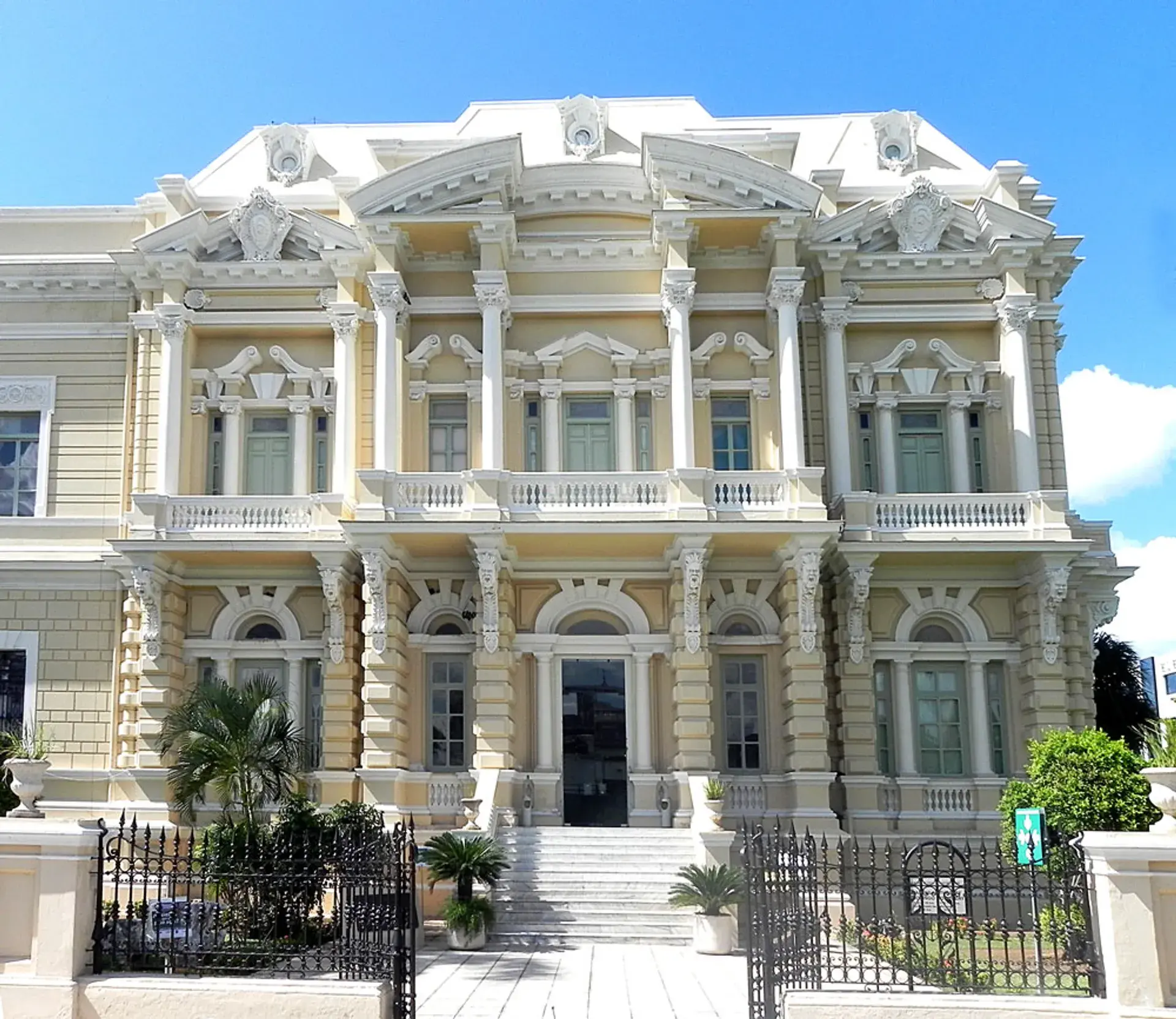
The mansion remained in the Montejo family for over four centuries until approximately 1840, when it was passed down to prominent regional hacienda owners. In the 19th century, successive owners, notably Simón Peón Cano, modernized the interiors. The addition of French, Victorian, and Neo-Rococo aesthetics mirrored the immense regional wealth generated during the Yucatán henequen boom.
Exploring Museo Casa Montejo Today
In 1981, Banco Nacional de México (Banamex) purchased the property. The institution carried out extensive historical restorations in the 1980s and again between 2007 and 2010, adapting the mansion into a free cultural center managed by Fomento Cultural Banamex.
Passing from the sun-drenched, bustling traffic of Plaza Grande through the heavy stone portal reveals a sudden acoustic and thermal shift. The thick 16th-century walls enclose a tranquil interior courtyard, shaded by garden foliage and cooled by stone fountains. Surrounding this courtyard, the museum features three temporary exhibition halls for Mexican and international art, a gift shop, and four permanent period rooms. The office-library, living room, bedroom, and dining room are fully furnished in late 19th- and early 20th-century styles, preserving the opulence of Mérida's henequen era. An active Banamex bank branch operates in the rear annex.
FAQ
Where is Museo Casa Montejo located?
The museum is located at Calle 63 #506, situated on the south side of Plaza Grande in the historic center of Mérida, directly opposite the Mérida Cathedral and Palacio Municipal.
How much does it cost to visit Museo Casa Montejo?
Admission to Museo Casa Montejo is completely free. It operates as a Casa de Cultura Citibanamex, providing public access to its historic courtyard and galleries.
What is inside Museo Casa Montejo?
The interior contains a shaded courtyard, three temporary exhibition halls, a gift shop, and four permanent period rooms (an office-library, living room, bedroom, and dining room) furnished in 19th- and 20th-century styles. There is also an active bank branch in the rear annex.
Who built Casa Montejo?
The mansion was built between 1542 and 1549 by the Spanish conquerors Francisco de Montejo "El Adelantado" and his son Francisco de Montejo "El Mozo."