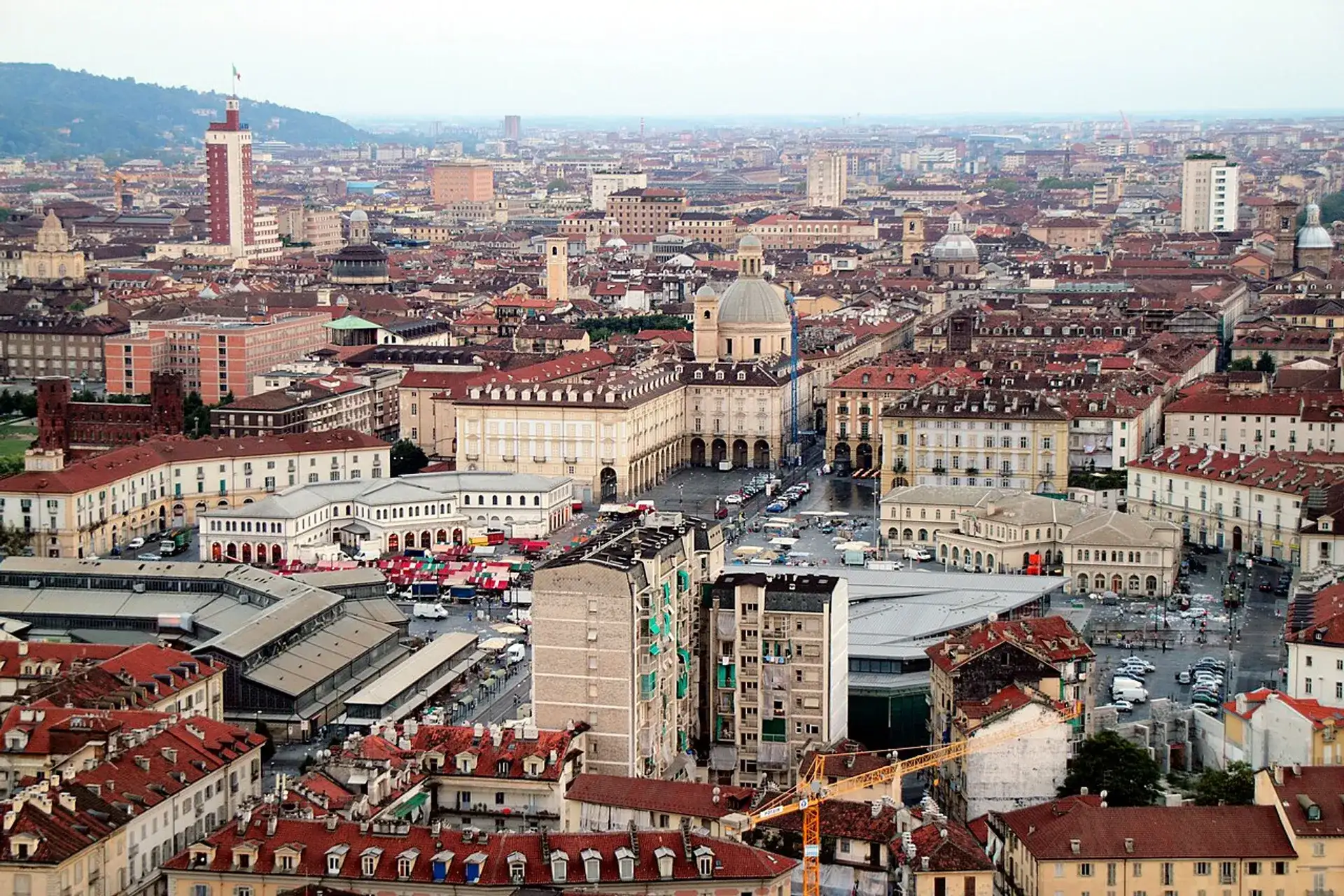
Porta Palazzo: Europe's Largest Open-Air Market
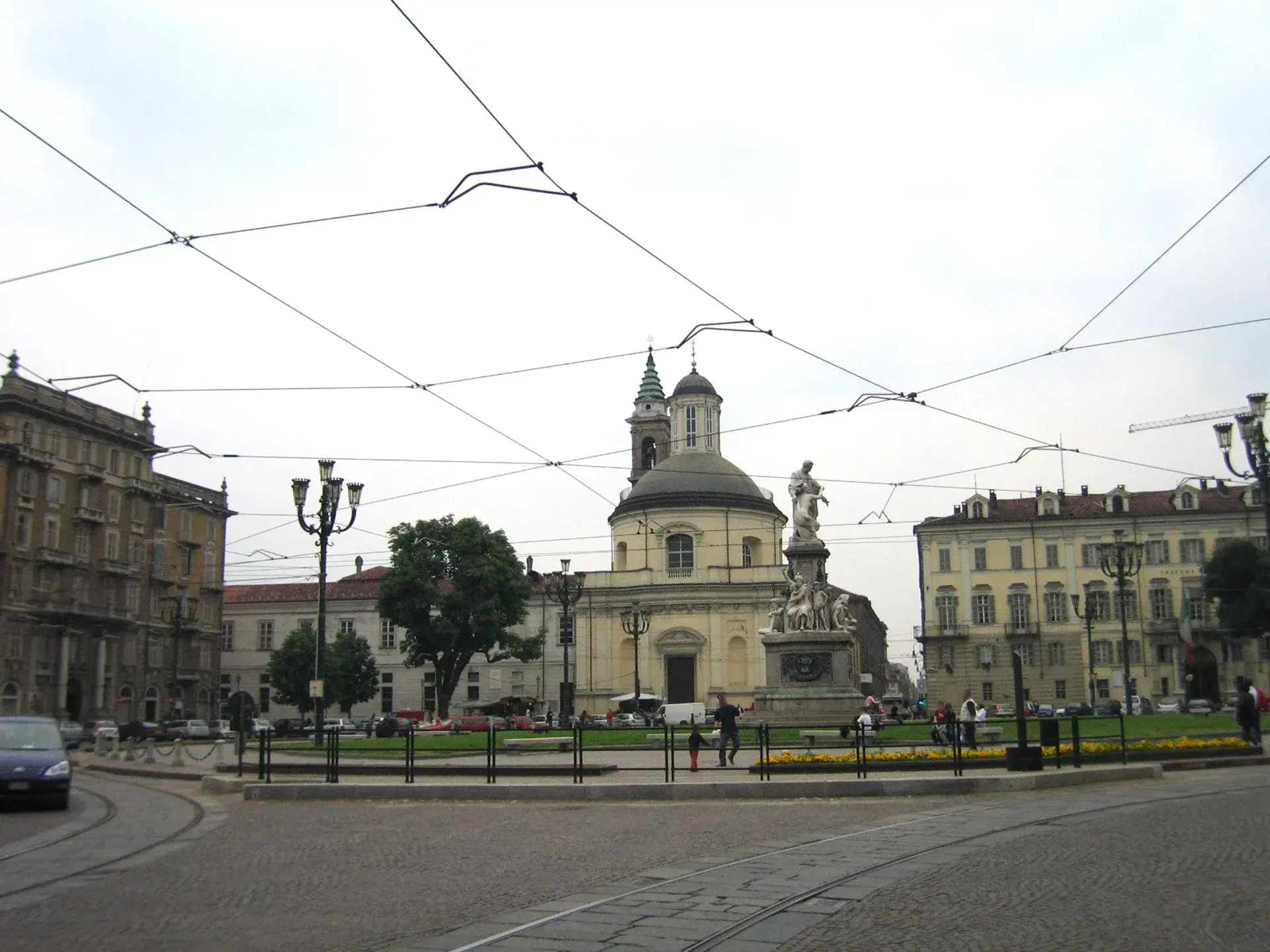
Just beyond the borders of ancient Roman Turin lies a vast octagonal square that transforms daily into the largest open-air market in Europe. Officially named Piazza della Repubblica but universally known as Porta Palazzo, this 51,300-square-meter site is the largest square in Turin and the city's vibrant commercial heart.
A Hub of Historical Transformation
The site's name traces back to the northern gateway of the ancient Roman settlement, Augusta Taurinorum. In 1729, Royal architect Filippo Juvarra planned a rectangular military parade ground at this location. During the Napoleonic occupation around 1800, Turin's defensive bastions were demolished. This allowed the square to be integrated into the urban fabric and redesigned into its current vast octagonal form, largely completed by 1837.
A municipal decree in 1835 centralized the city's outdoor food trade in the square. Over the late 19th and 20th centuries, Porta Palazzo evolved into a primary arrival hub for migrants. It welcomed rural Piedmontese workers, southern Italians during the 1960s industrial boom, and eventually a diverse array of international communities.
Architectural Landmarks of the Square
Porta Palazzo features several distinct market structures from different eras. Key historical buildings include the Antica Tettoia dell'Orologio, a prominent iron-and-glass pavilion constructed in 1916, and symmetrical 19th-century covered pavilions dedicated to fish and produce.
Contrasting with the historical architecture is the Mercato Centrale, a contemporary glass-and-metal pavilion designed by architect Massimiliano Fuksas. This covered market operates from daytime into the evening, hosting artisanal food outlets, wine bars, and cultural events.
The Daily Pulse of Porta Palazzo
Operating six days a week, the square hosts hundreds of outdoor stalls selling fresh produce, flowers, cheese, clothing, and household goods. A dedicated farmers' market highlights regional Piedmontese agricultural goods. The surrounding perimeter reflects the area's modern demographics, featuring international grocers, halal butchers, bakeries, and ethnic restaurants.
The bustling environment produces a continuous wall of sound. Open-air hawking and vendor chants in Italian, Piedmontese dialect, and Arabic mix with the clatter of transport crates and passing trams. This intense commercial energy earned the market its Piedmontese nickname, "Porta Pila," derived from local slang for money.
Hidden Ice Vaults and Weekend Markets
Beneath portions of the square lie extensive 19th-century circular ice houses, known as ghiacciaie. Built into the foundations of dismantled Savoy fortifications, these underground vaults were used to keep perishables cold using winter river ice before the advent of modern refrigeration.
The commerce extends beyond daily food sales. Every Saturday, the streets stretching north into Borgo Dora host the historic Balôn flea market, a tradition active since the late 17th century. On the second Sunday of every month, this expands into the massive Gran Balôn antiques market. Today, Porta Palazzo continues to serve as a vital threshold, connecting the aristocratic Baroque center of Turin to its working-class, post-industrial northern neighborhoods.
FAQ
What is the official name of Porta Palazzo?
The official name of the square is Piazza della Repubblica, though it is universally known across Turin as Porta Palazzo.
Is Porta Palazzo the largest market in Europe?
Yes, Porta Palazzo hosts the largest daily open-air market in Europe, covering an expansive 51,300 square meters.
What are the underground ice houses at Porta Palazzo?
Beneath parts of the square are 19th-century circular ice houses called ghiacciaie. They were built into dismantled Savoy fortifications to store winter river ice, keeping perishables cold before modern refrigeration existed.
When does the Balôn flea market take place?
The historic Balôn flea market takes place every Saturday in the streets stretching north into Borgo Dora. On the second Sunday of every month, the event expands into the massive Gran Balôn antiques market.