Amsterdam Explained: What It Is Known For, When to Go and What to See
Last updated: October 2026
Intro
Amsterdam is known for its 17th-century canals, narrow gabled houses, big-name art museums and a long record of doing things its own way. The freshest thing to know in 2026 is that the city is steering visitors, not just welcoming them: the big museums run on timed slots, Anne Frank House sells tickets only online and only in weekly batches, guided groups are barred from the Red Light District, and the tourist tax is 12.5% of the overnight price. Prices below were checked in October 2026.
Ciceru offers one self-guided walk in Amsterdam, a €7 walk in the Ciceru app with a story and a quiz question at each stop and a free 500 MB global eSIM.

⚡ Quick answer
- What Amsterdam is known for: the canal ring, the Rijksmuseum and Van Gogh Museum, Anne Frank House, cycling, and a relaxed, liberal reputation
- Freshest changes: Anne Frank House tickets release every Tuesday at 10:00 for a visit six weeks later, and none are sold at the door. Rijksmuseum and Van Gogh Museum are €25 each with a booked start time. Guided tours are banned in De Wallen
- Best time to go: May to June and September, with highs of about 18°C to 20°C in May and June and 19°C in September
- Worst time: December to February for cold and short days, and August for the most rain
- How many days: three full days covers the main sights and a canal-side wander; two is workable if you pick one museum
🌷 What Amsterdam is actually known for
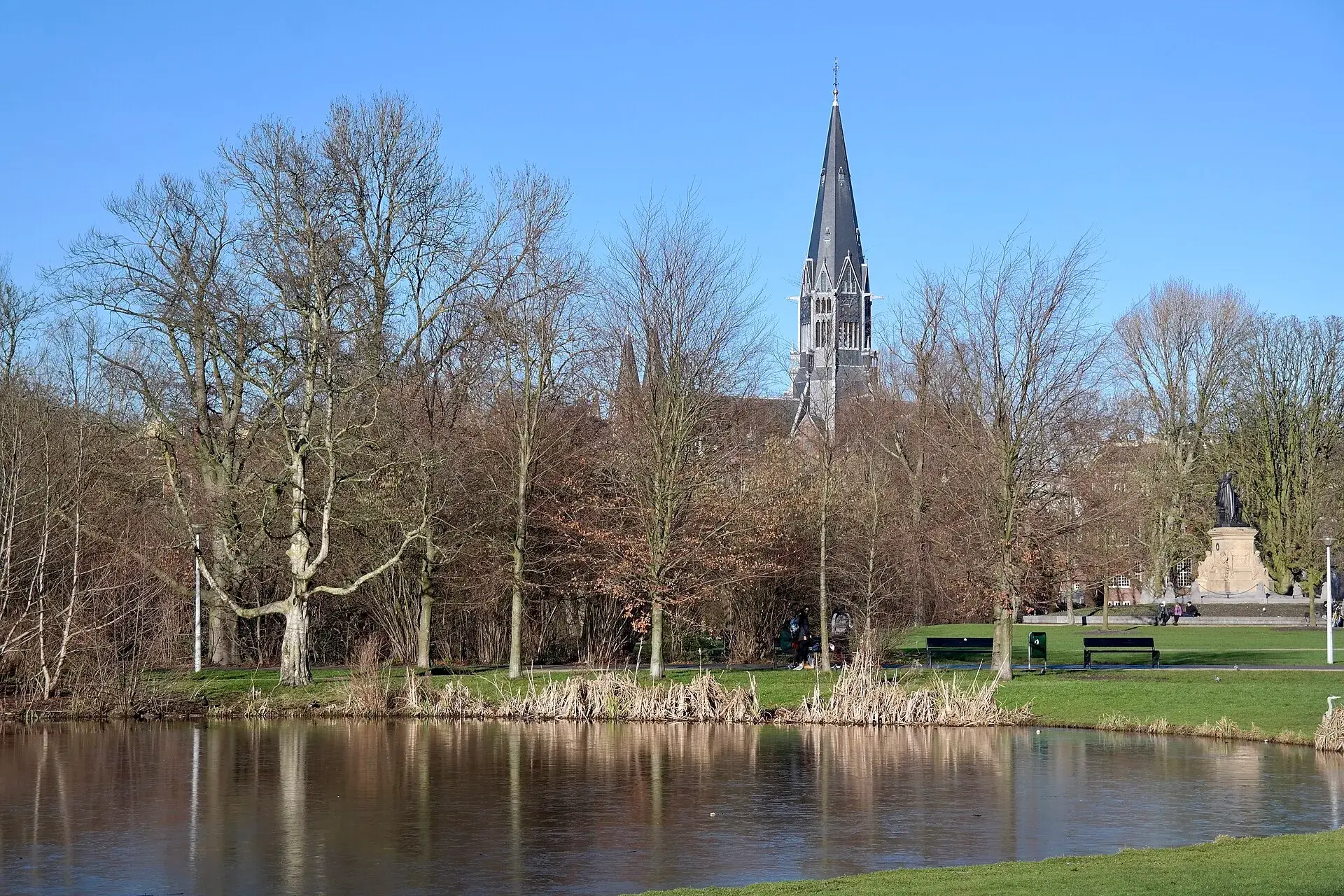
Amsterdam is a small, flat, walkable city organised around water. People come for the canal houses, for Rembrandt and Van Gogh, and for the Anne Frank story. In 2023 the city launched a "Renew your view on Amsterdam" campaign that aims for more conscious visits and sends people to quieter neighbourhoods. That is the context for much of what follows.
🏛️ The short history that explains the layout
The old centre sits around Dam Square and the Oude Kerk. The famous canal districts were added around it.
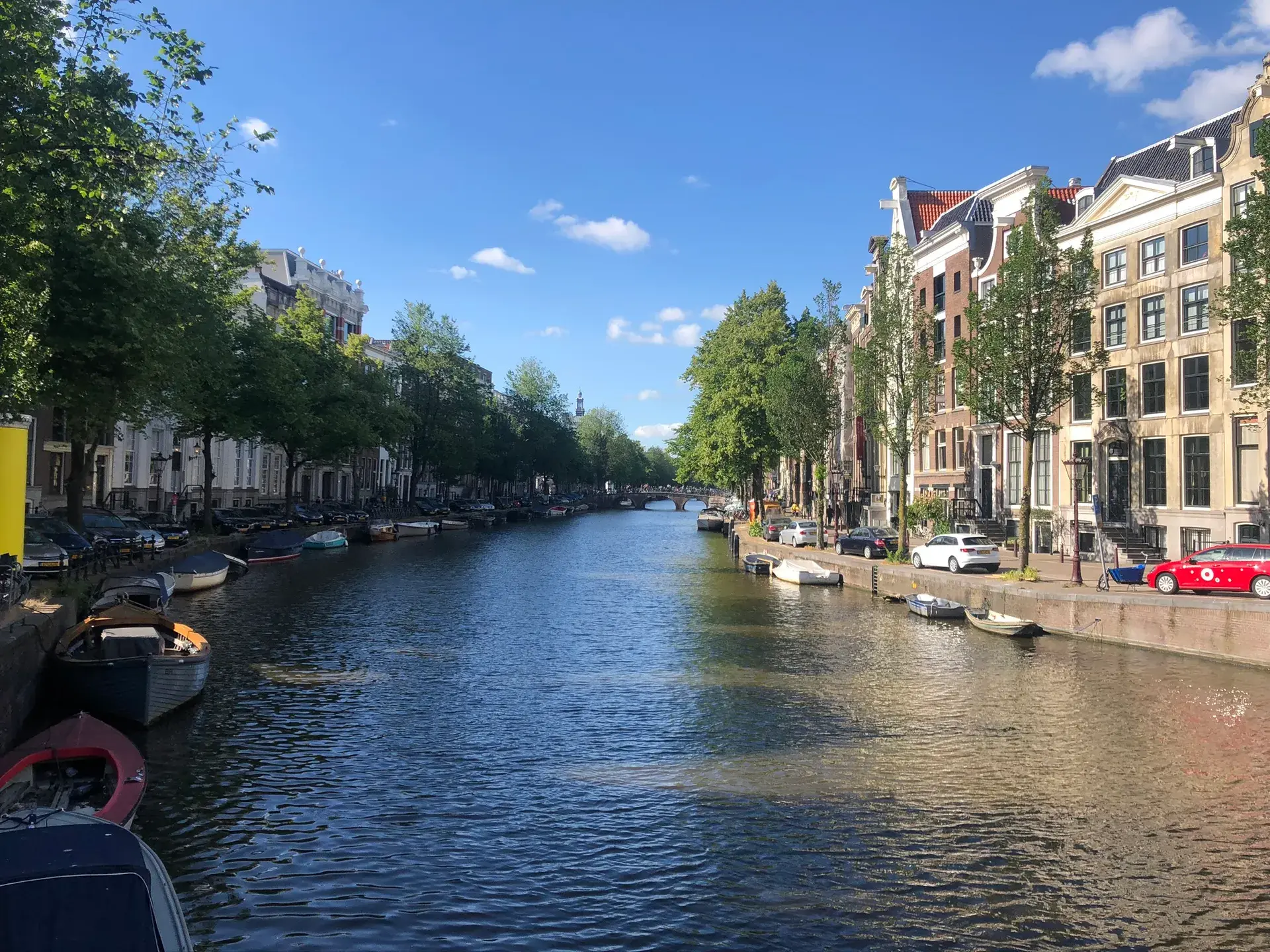
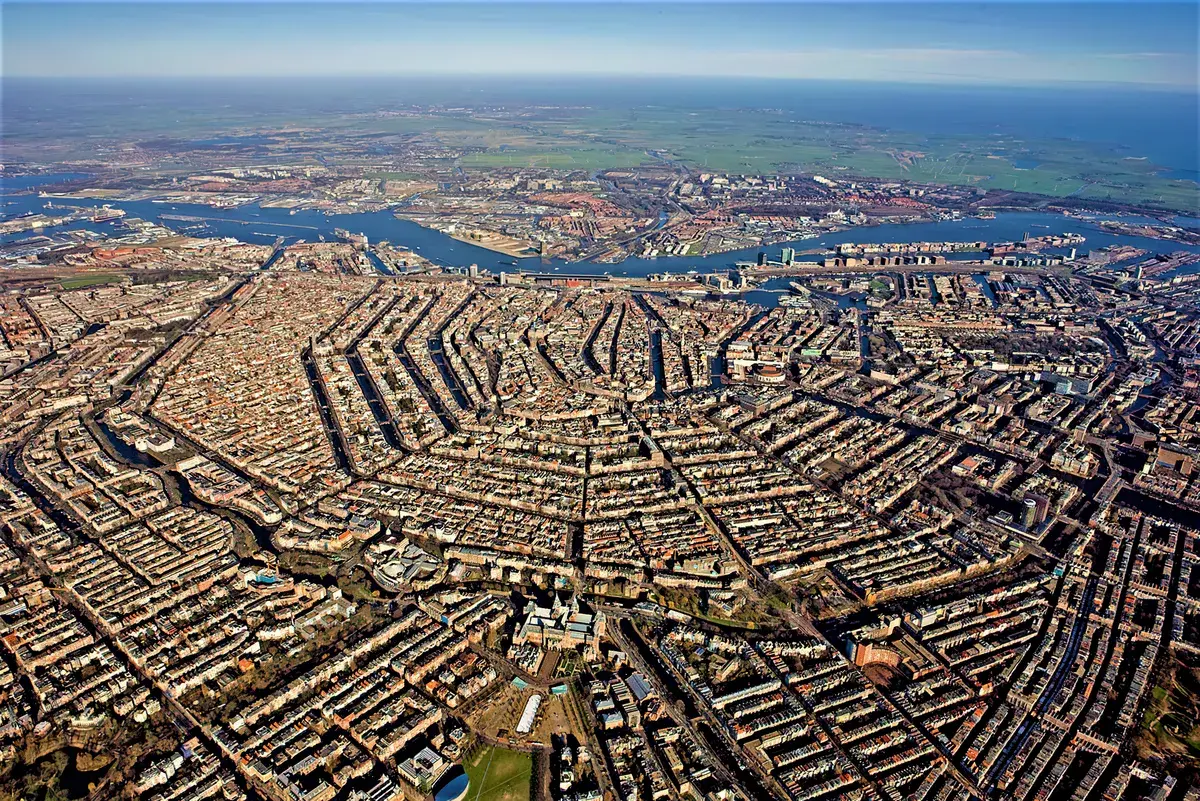
The canal ring is the part that matters. UNESCO says it was built at the end of the 16th and the beginning of the 17th century as a planned expansion: a network of canals in concentric arcs running west and south from the old centre, built by draining swampland. It was inscribed as a World Heritage property in 2010. In practice that means three big canals (Herengracht, Keizersgracht and Prinsengracht) curve around the old town like the rings of a tree, joined by smaller cross-canals.
The practical result is that the centre is compact and made for walking: follow a canal and it bends back towards the middle. The transport guide covers trams, trains from Schiphol and where to leave a bag.
📍 The five places everyone goes
Rijksmuseum 💶 €25 for adults, free for ages 18 and under 🕐 daily 09:00 to 17:00. Every visitor must reserve a start time in advance, with a few same-day tickets sometimes sold at the entrance. Verdict: worth it for Dutch Golden Age painting. Book a slot, then pick two or three rooms rather than the whole building.
Van Gogh Museum 💶 €25 for adults, free under 18, €16 for students aged 18 to 24 enrolled in the EU or EEA 🕐 open daily from 09:00, check the closing time for your date. Tickets are for a selected date and time, and are non-refundable. Verdict: worth it if you care about the paintings, and it is the one to book earliest.
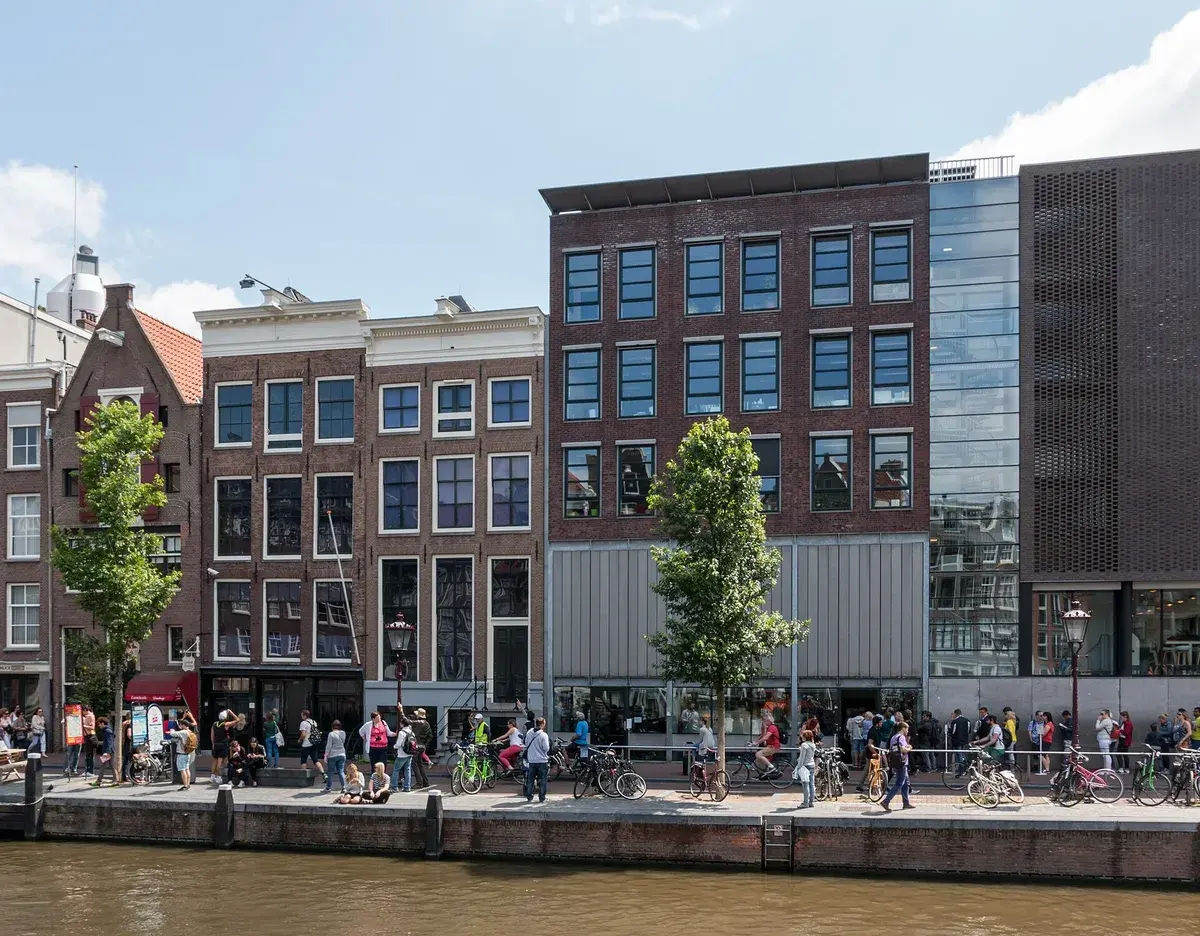
Anne Frank House 📍 Westermarkt 20 💶 €16.50 for adults including a €1 booking fee, €7 for ages 10 to 17, €1 for ages 0 to 9 🕐 daily 09:00 to 22:00, with reduced hours on days such as King's Day. Tickets are sold only online. Every Tuesday at 10:00 all tickets for a visit six weeks later are released. Verdict: moving and worth planning for, but only if you book on the right Tuesday.
Dam Square and the Royal Palace 📍 Dam 💶 square free, palace €13.50 for adults, €9 for students, free for ages 17 and under 🕐 palace from 10:00, open on more than 230 days in 2026, so check its calendar. Verdict: you will pass through the square anyway, since the centre's main streets run into it. Go inside the palace only if you like state rooms.
De Wallen (the Red Light District) 📍 around the Oude Kerk 💶 free to walk through. The city's tour rules bar guided tours from the Wallen and other streets with windows, and group tours of 5 to 15 people need an exemption elsewhere in the centre. You can walk through on your own. Verdict: see it once, with respect for the people who work and live there, and do not stay for the novelty.
🙈 Three places most visitors skip and shouldn't
- EYE and Amsterdam Noord 📍 IJpromenade 1. The free GVB ferry from behind Centraal, line F3 towards Buiksloterweg, takes under five minutes and, according to EYE, runs around the clock. The EYE Filmmuseum building is free to enter, and exhibitions cost extra (standard admission €16.50). EYE accepts cards only. The point is the view back at the old city and a different, less polished Amsterdam.
- Hortus Botanicus 📍 Plantage Middenlaan 2A. A botanical garden in the east of the centre, open 10:00 to 17:00 on the day checked. Its site says the Palm House roof restoration is due to finish in November, with the dome mostly accessible meanwhile. Check the garden's own site for the ticket price.
- Museum Het Schip 📍 Spaarndammerplantsoen 140. A museum in an Amsterdam School social-housing block, away from the centre. Check opening days and the price on its site before going.
More that costs nothing is in Free Things to Do in Amsterdam.
🧭 What the city is asking of visitors now
- Tourist tax: 12.5% of the overnight price in 2026, with a coalition plan to raise it to 16% in 2027 (not yet law). The budget guide has the current rate and how it is charged.
- Guided tours: barred from the Wallen, the Spuistraat area and Ruysdaelkade, and allowed only from 08:00 to 22:00 elsewhere, according to the city's flyer for tour guides.
- Cruise ships: plans reported in 2024 would cap sea cruise calls and move the cruise terminal away from the centre by 2035. Check the Port of Amsterdam for where that stands.
None of this stops you visiting. It does mean booking ahead and respecting the neighbourhoods you walk through.
🌦️ Weather month by month
Average daily highs and lows, from KNMI's 1991 to 2020 normals for the Schiphol station. KNMI is the Dutch national met service. Schiphol is the airport, outside the centre, so treat the figures as a guide.
- January: 6.5°C high, 1.2°C low, about 67 mm of rain
- February: 6.9°C high, 1.0°C low, about 55 mm
- March: 10.1°C high, 2.8°C low, about 52 mm
- April: 14.3°C high, 5.2°C low, about 40 mm
- May: 17.8°C high, 8.6°C low, about 54 mm
- June: 20.3°C high, 11.3°C low, about 65 mm
- July: 22.5°C high, 13.5°C low, about 82 mm
- August: 22.4°C high, 13.4°C low, about 99 mm
- September: 19.2°C high, 11.0°C low, about 84 mm
- October: 14.7°C high, 7.7°C low, about 87 mm
- November: 10.0°C high, 4.5°C low, about 85 mm
- December: 6.9°C high, 1.9°C low, about 82 mm
Rain falls in every month, with April the driest and August the wettest, so pack a light waterproof whenever you come. Sunshine runs from roughly 58 hours in December to roughly 225 hours in July. These are averages, so check the forecast.
🗓️ Best and worst months
Best: May, June and September. Highs of about 18°C to 20°C, long evenings, and less rain than August.
Tulips: Keukenhof, the bulb garden, ran from 19 March to 10 May in 2026. Its 2027 dates were not confirmed when this was checked, so look at keukenhof.nl before you book.
King's Day: 27 April. Anne Frank House runs reduced hours that day, so check before planning around it.
Busiest: July and August are the warmest months, so expect the main sights to be at their most crowded and book ahead.
Quietest: November to February. Highs fall to 6°C to 10°C and days are short, but the museums stay open.
📅 How many days
Three full days is the sweet spot: the old centre and De Wallen, the canal ring with one big museum (the Rijksmuseum or the Van Gogh Museum, not both), then Noord by ferry or Hortus. Two days works if you accept one museum and skip the rest. A fourth day suits the tulip fields in season or a slower day. Working remotely for part of the trip? See coworking spaces in Amsterdam.
🚶 A two-hour essentials walk
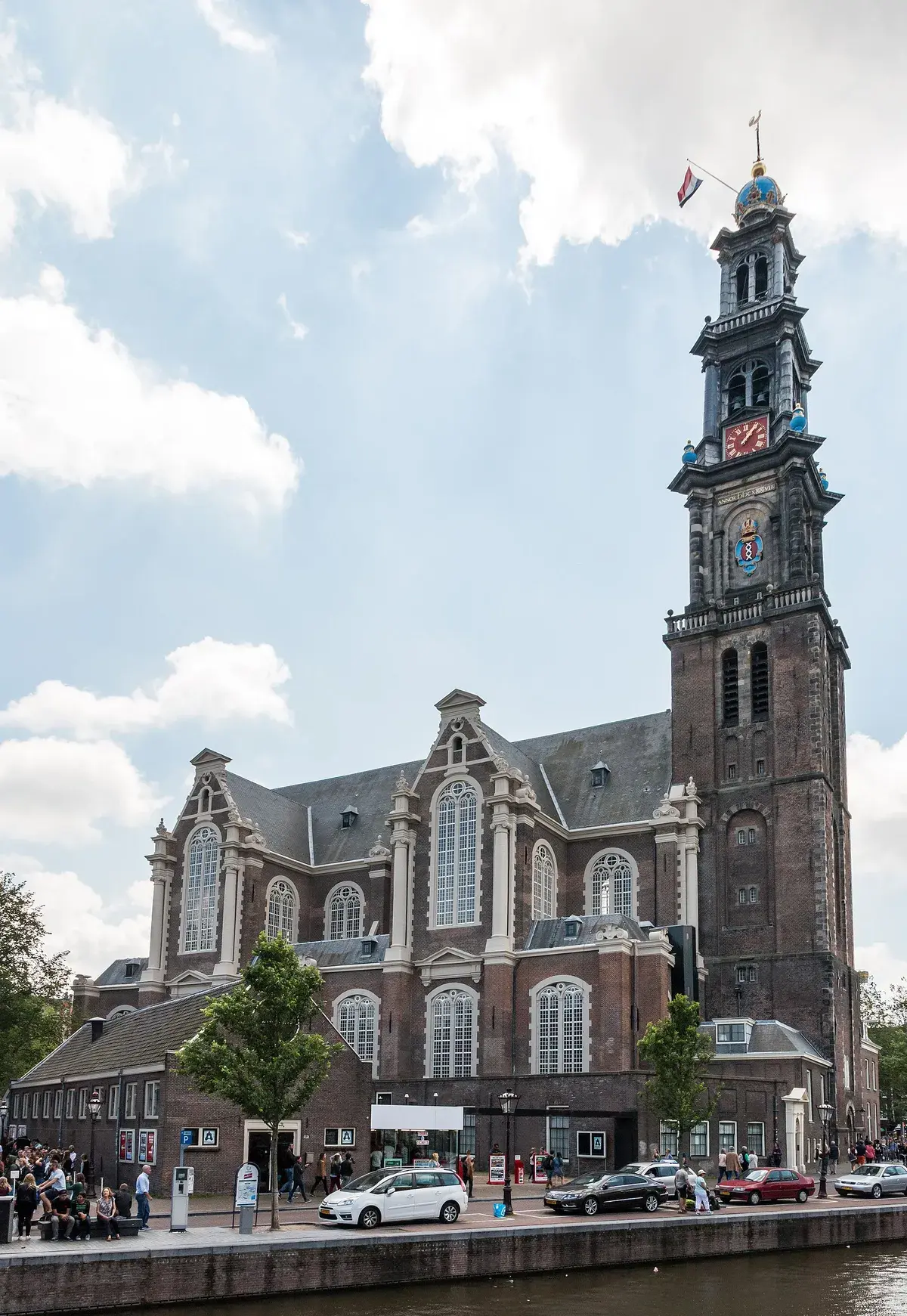
With only two hours, stay inside the canal ring. Start at Dam Square, walk west across the canals towards Westermarkt, then loop back east along the Singel. You see the old centre and the start of the planned canal ring in one go, and you pass the outside of Anne Frank House without paying for it.
The Amsterdam Essentials walk in the Ciceru app is a longer self-guided option: it starts at Dam Square, covers about 4 km in around 2.5 hours, and has 7 quiz stops. It costs €7. Details are on the tour page.
❓ FAQ
What is Amsterdam known for?
Canals and gabled houses, the Rijksmuseum and Van Gogh Museum, Anne Frank House, cycling, and a liberal reputation. The canal ring, built from the late 16th century, is the part that earned UNESCO World Heritage status.
What is the best month to visit Amsterdam?
May, June or September. Highs run from about 18°C to 20°C, and the rain is lighter than in August. Tulip season is spring, so check Keukenhof's dates for the year you travel.
How many days do you need in Amsterdam?
Three full days for the main sights without rushing. Two works if you choose one big museum.
✅ Before you go
Book the Rijksmuseum or Van Gogh Museum for a set time, plan Anne Frank House around the Tuesday 10:00 release for six weeks ahead, and expect the tourist tax on your accommodation bill. See Getting Around Amsterdam for transport and luggage, Amsterdam on a Budget for real costs, Cheapest Coworking Spaces in Amsterdam if you are working, What to Eat in Amsterdam for dishes, and Free Things to Do in Amsterdam for what costs nothing. To walk the centre in the Ciceru app, start with the Amsterdam Essentials walk, or see the destination page at ciceru.com/tours/netherlands/amsterdam.