Tips and tours for explorers and travellers
Athens City Guide
Ciceru walks Athens from Hadrian's Arch to the Changing of the Guard at Syntagma, then into Monastiraki past the Tzistarakis Mosque, a working mosque turned ceramics museum, finishing near the National Observatory on the Hill of the Nymphs.
- Country
- Greece
- Language
- Greek
- Currency
- Euro (EUR)
- Plug
- type C
- Time zone
- Europe/Athens
- Emergency
- 112
- Tap water
- Generally safe
- Dialling code
- +30
The stops
Things to do in Athens
Our Athens route concentrates on two stretches: Syntagma and Plaka around Hadrian's Arch and the Metropolitan Cathedral, then west through Monastiraki's Tzistarakis Mosque towards Thiseio and the National Observatory.
Unknown soldier and changing of the guard
Metropolitan Church of the Annunciation
Tzistarakis Mosque
Athens Technopolis
Athens National Observatory
Your private guide, in your pocket
Ready to walk these?
- Self-guided, start now or laterSelf-guided, start now or later and pause whenever you like
- Offline audio, 7 languagesOffline audio stories in 7 languages
- 30-day money-back guarantee30-day money-back guarantee
- 500MB global eSIM included500MB global eSIM included
from
€7.00
1 self-guided tour in Athens
Weather & crowds
Best time to visit
May, June and late September to October give the best trade-off: warm by day without June to August's 33 to 34°C peak, and drier than November and December, when rain reaches 71 to 76mm a month. High summer is driest and hottest, sometimes hot enough to shut the Acropolis for the early afternoon.
Winter
Dec–Feb8–14°C/ 46–57°F
Few visitorsWet
- Acropolis without queues
- Mild days near 14°C
- Wettest season, up to 76mm in Dec
Don't miss
Christmas and New Year lights, Syntagma Square
Epiphany blessing of the waters (6 January)
Spring
Mar–May13–22°C/ 55–71°F
Getting busierOccasional rain
- Dry days before the crowds
- Showers still possible into May
Don't miss
Orthodox Easter processions (date varies)
High summer
Jun–Aug23–33°C/ 74–92°F
Peak seasonDry
- Driest months of the year
- Long, light evenings
- Peaks near 34°C, Acropolis shuts midday in heatwaves
- Some local businesses close in August
Don't miss
Athens Epidaurus Festival at ancient theatres (Jun-Aug)
Early autumn
Sep–Oct18–27°C/ 65–81°F
BusyOccasional rain
- Warm sea, thinner crowds
- Rain returns in October, 39mm average
Late autumn
Nov12–19°C/ 54–66°F
Few visitorsWet
- Quiet, mild before winter
- Rain sets in, 71mm average
Don't miss
Athens Authentic Marathon (November)
Transport
How to get to & around Athens
Athens Airport (ATH)
| Metro Line 3 to Syntagma | 40 min | €9.00 |
|---|---|---|
| X95 express bus to Syntagma | 55-75 min | €5.50 |
| Official taxi, day rate (05:00-24:00) | 35-45 min | €50.00 |
| Official taxi, night rate (00:00-05:00) | 30-40 min | €65.00 |
Larissis rail station
| Metro Line 2 to Syntagma | 10 min | €1.20 |
|---|
Metro, bus, tram
Best defaultA 90-minute ticket is €1.20 across OASA's metro, bus, trolleybus and tram with free transfers. A 5-day ticket at €8.20 is better value for most stays; neither covers the separate airport fare.
Walking
Flat and centralSyntagma, Plaka, Monastiraki and the Acropolis sit within about 20 minutes of each other on flat, often pedestrianised streets. Marble paving near the Acropolis turns smooth and slippery in rain.
Taxi
Cheap, meteredMetered within the city, often only a few euro across the centre. Only the airport run has a fixed flat rate, €50.00 by day and €65.00 at night; everywhere else insist the meter runs.
Plaka tourist train
Slower than walkingThe rubber-wheeled sightseeing train looping Plaka and the Acropolis area sits in the same traffic as cars and costs more than the walk it replaces. Walking or the metro covers the same stops faster.
Walk the flat centre, buy the €8.20 five-day OASA ticket for everything else, and skip the Plaka tourist train: it is slower than walking and costs more than a short taxi.
Budget
How much does it cost to visit Athens?
Moving around and eating simply stays cheap: a souvlaki wrap and the €8.20 five-day travel card cover most of a short stay. Accommodation is the catch: the climate resilience fee adds €2.00 to €15.00 per room per night from April to October, on top of the room rate, paid at the property.
| Coffee at a Greek cafe | €2.50–€3.80 |
|---|---|
| Souvlaki wrap to taverna lunch | €3.50–€12.00 |
| Local draft beer at a bar | €4.00–€6.00 |
| OASA single, 90-minute ticket | €1.20 |
| OASA 5-day ticket | €8.20 |
| Taxi across the centre | €5.00–€9.00 |
| Airport taxi, flat rate day to night | €50.00–€65.00 |
| Climate resilience fee, per room | €2.00–€15.00 |
Cash or card?
Cards work almost everywhere, including OASA machines, the metro and licensed taxis, which must accept them. Keep €10-20 in cash for small tavernas, kiosks (periptera) and the Monastiraki flea market stalls, where card readers are less common.
Where to stay
Where to stay in Athens
Plaka
First visit, on the sightsThe oldest neighbourhood, pedestrianised lanes below the Acropolis close to Hadrian's Arch and the Roman Agora. Restaurants on the busiest lanes overcharge; the same food is cheaper two streets back.
Monastiraki
Nightlife and transport linksThe square where three metro lines meet, next to the flea market and the Tzistarakis Mosque. Loud into the night, and the platforms and market lanes are exactly where advisories flag pickpocketing.
Koukaki
Quieter, near Acropolis MuseumA residential grid south of the Acropolis Museum with fewer tour groups and small neighbourhood tavernas. It is a genuine 10 to 15 minute uphill walk to Plaka, longer in August heat.
Kolonaki
Upmarket, embassy districtSteep streets below Lycabettus Hill with the city's designer shops and priciest cafe bills. Fewer budget rooms, and the hilltop funicular queue can run long at sunset.
Exarcheia
Budget stays, student lifeA student district next to the National Archaeological Museum that the city's own tourism site calls the turf of anarchists and radicals. Cheaper than Plaka; check for planned protests first.
The tours
Athens, one story at a time
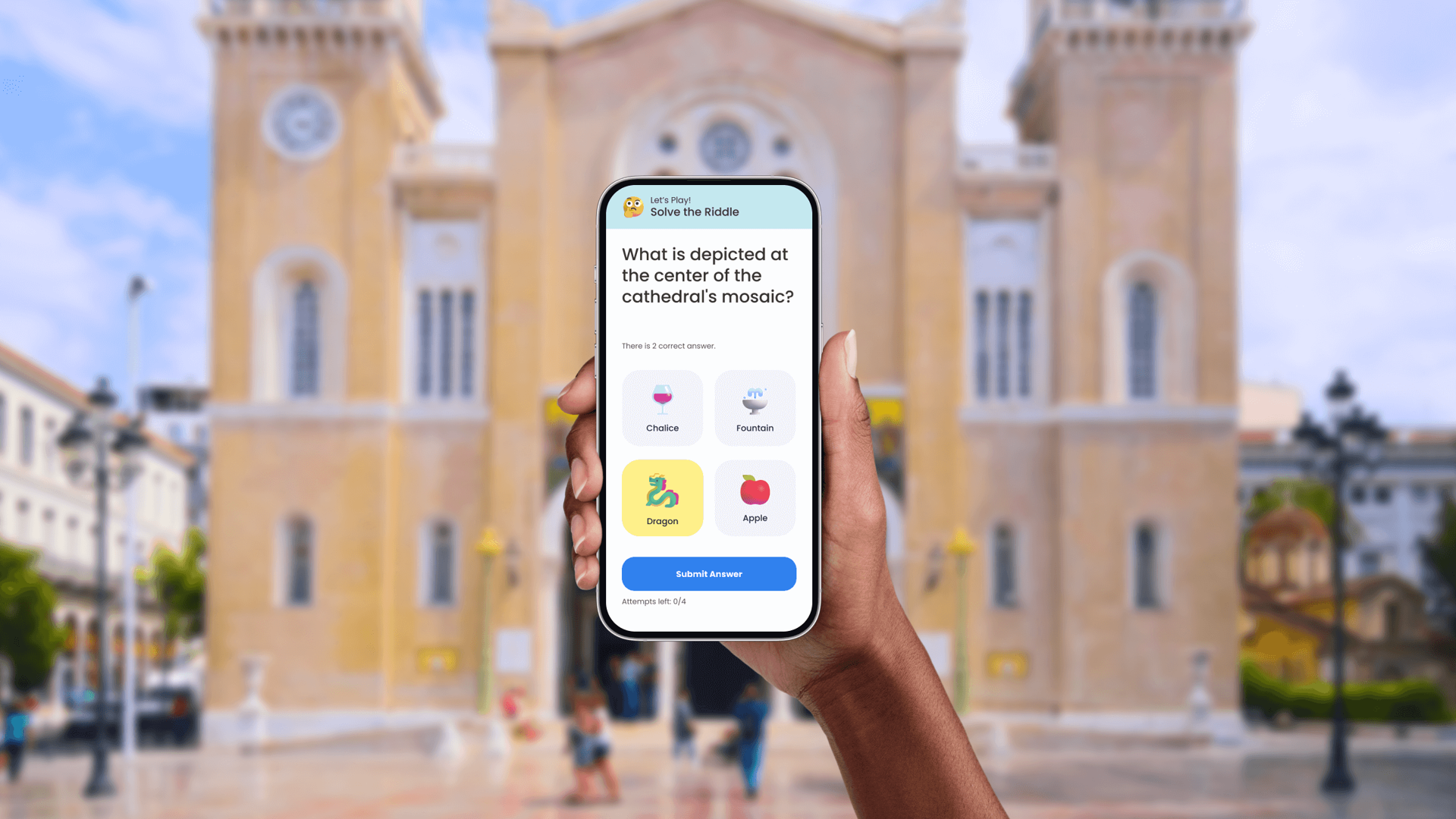
€72 hours
Authentic Athens: a walk in the cradle of civilization
 Edoardo Cucco
- Audio
- Quizzes
- Multiplayer
- Free eSIM
Scratch to win
Give it a scratch
Something good might be under there. If you win, we'll show you how to use it.
One prize per traveller. Good for 2 years.
Word of mouth
What travellers say

Safety
Is Athens safe?
Violent crime against visitors is rare. Theft is not: the US State Department and the UK government both describe a metro pattern where one person distracts or blocks you at the doors while another takes a bag or phone, concentrated around Monastiraki, Syntagma and other crowded interchanges.
Metro door snatches
One person blocks or jostles you as the doors open while a second takes your bag or phone, a pattern the US State Department names specifically for the Athens metro. Keep bags zipped and to the front through Monastiraki and Syntagma.
Crowds and bags
Hellenic Police advice for crowded public spaces and transport is to keep phones and wallets in a front pocket or a bag worn across the body, never a back pocket or a bag left open or hanging behind you.
Heat and marble paths
Summer highs reach 33 to 34°C and the ancient marble paths around the Acropolis are worn smooth and slippery, wet or dry. Carry water and grip soled shoes, and expect sites to shorten hours in the worst heatwaves.
Reporting a theft
Call 100 for Hellenic Police or report at any station the same day. Travel insurance claims need a written police report, so file it before you leave Greece.
Medical help
Call 112 for police, ambulance or fire; English speaking operators are available. EKAB, the national ambulance service, runs on 166, and a 24 hour English speaking support line for violence or serious trouble is 197.
Good to know
Good to know
Afternoon and Sunday closures
Small shops often close for a few hours after lunch and reopen near 17:30, and are shut all day Sunday except on the main tourist streets of Plaka and Monastiraki. Banks and public offices close by early afternoon.
The Acropolis can shut for heat
On the hottest days, the Ministry of Culture has repeatedly closed the Acropolis from 12:00 to 17:00, most recently in July 2025. No fixed temperature trigger is published: each closure is announced the evening before or that morning.
Book Acropolis entry ahead
Acropolis tickets are sold in timed entry slots online, and the early morning slots sell out days ahead in summer. Book before you travel rather than counting on the ticket office.
Service charge is already in the bill
Greek restaurant prices are required to include the service charge, so tipping is rounding up or leaving small change on the table, not a fixed percentage on top.
Worth reading
Read more about Athens
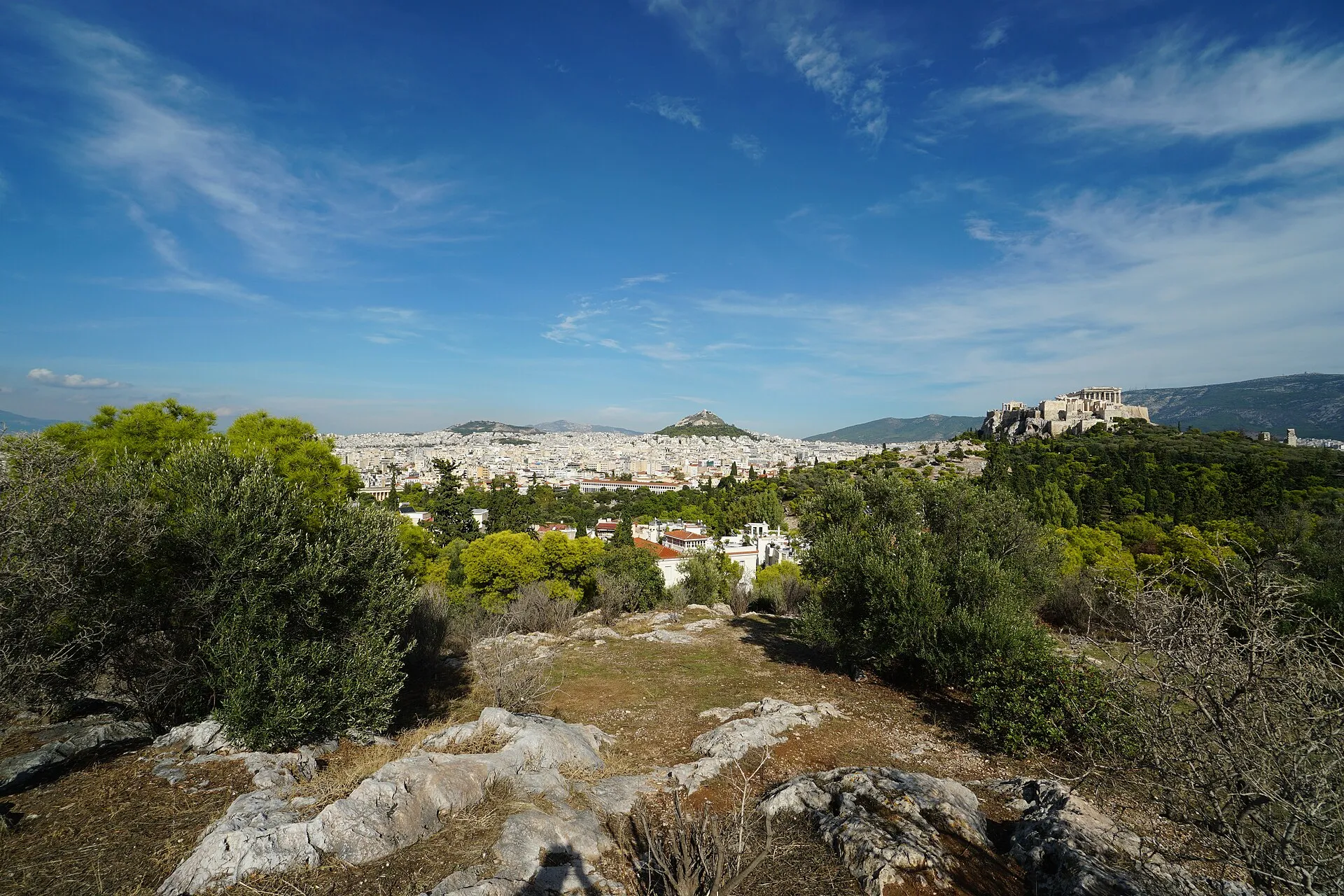
Story8 min read
Athens Explained: What It Is Known For, When to Go and What to See
Last updated: October 2026
Read moreStory7 min read
Free Things to Do in Athens: What Is Still Free in 2026
Last updated: October 2026
Read moreStory8 min read
What to Eat in Athens: A Food Lover's Guide
Last updated: October 2026
Read moreStory5 min read
The Cheapest Coworking Spaces in Athens
Last updated: October 2026
Read moreStory8 min read
Athens on a Budget: What Three Days Really Costs
Last updated: October 2026
Read moreStory9 min read
Getting Around Athens: Transport, Airport Transfers and Where to Leave Your Bag
Last updated: October 2026
Read moreQuestions
Athens FAQ
Yes. EYDAP, the utility that supplies the city, describes its drinking water as among the best in Europe, drawn largely from mountain reservoirs. Many residents still choose bottled water for the taste, since central Athens water can taste of chlorine, but there is no safety reason to avoid the tap.
Metro Line 3 is the most direct option, about 40 minutes to Syntagma for €9.00. The X95 express bus also reaches Syntagma, costs €5.50 and runs around the clock but takes longer in traffic. A flat rate taxi is €50.00 by day (05:00 to 24:00) and €65.00 at night (00:00 to 05:00), fixed by the airport regardless of the meter.
For a short stay, OASA's 5-day ticket at €8.20 covers unlimited metro, bus, trolleybus and tram travel and beats buying single €1.20 tickets after four trips. It does not cover the airport routes, which need their own €9.00 metro or €5.50 bus ticket.
Yes, charged as a climate resilience fee rather than a percentage of the room rate. Hotels add €2.00 to €15.00 per room per night from April to October depending on their star rating, and €0.50 to €4.00 from November to March, paid to the property directly at check-out.
Yes, in the historic centre. Plaka, Monastiraki, Syntagma and the area around the Acropolis sit within about 20 minutes of each other on mostly flat, often pedestrianised streets. The exception is high summer, when 33 to 34°C afternoons make the same walk feel much longer.
Violent crime against visitors is rare and the historic centre stays busy into the evening. The real risk is theft: pickpocketing around Monastiraki and Syntagma and on the metro, and distraction thefts in crowded bars, both flagged in US and UK government advice for Greece.
May, June or late September into October: warm without June to August's 33 to 34°C peak, and drier than November and December, when rainfall reaches 71 to 76mm a month. July and August are hottest and can bring midday closures at the Acropolis during heatwaves.
Almost everywhere, including OASA ticket machines, the metro and licensed taxis, which are required to accept cards. Carry €10 to €20 in cash for small tavernas, street food stalls, kiosks (periptera) and the Monastiraki flea market, where card readers are less common.