Dublin Explained: What It Is Known For, When to Go and What to See
Last updated: October 2026
Intro
Dublin is known for writers, pubs, Guinness, Georgian streets and the 1916 Easter Rising, all packed into a centre you can cross on foot in well under an hour. The freshest things to know in 2026 are that Dublin Castle is closed to the public until January 2027, the Long Room at Trinity has been emptied of most of its books for a restoration, Guinness prices move with the day and the time slot, and Kilmainham Gaol cannot be visited without booking ahead. Prices below were checked in October 2026.
Ciceru runs one self-guided walk in Dublin, the Ciceru Dublin walk in the Ciceru app. It costs €5, covers 3 km in about 2 hours, with a story and a quiz question at each of 9 stops and a free 500 MB global eSIM.

⚡ Quick answer
- What Dublin is known for: literature, Guinness and pub culture, Georgian streets, the 1916 Rising, and music
- Freshest changes: Dublin Castle is closed until January 2027, the Long Room has lost all but four bays of books during the Old Library project, Kilmainham Gaol is advance-booking only, and Guinness tickets start from €24 and vary by slot
- Best time to go: May, June and September, with highs of 14.8°C to 17.7°C and moderate rainfall of 57 mm to 64 mm a month
- Worst time: November to January, with highs of 8°C to 10°C and the wettest months of the year in October and November
- How many days: two full days for the centre, a third for Kilmainham and Phoenix Park
📚 What Dublin is actually known for
Dublin is known for talking, drinking and writing, in roughly that order. The pub is the living room of the city, the literary reputation shows up in statues and plaques on the main streets, and the Guinness brewery sits west of the centre. Add Georgian brick, a river that splits the city in two, and a rebellion in 1916 whose main site is still a working post office on the main street.
🏛️ The short history that explains the layout
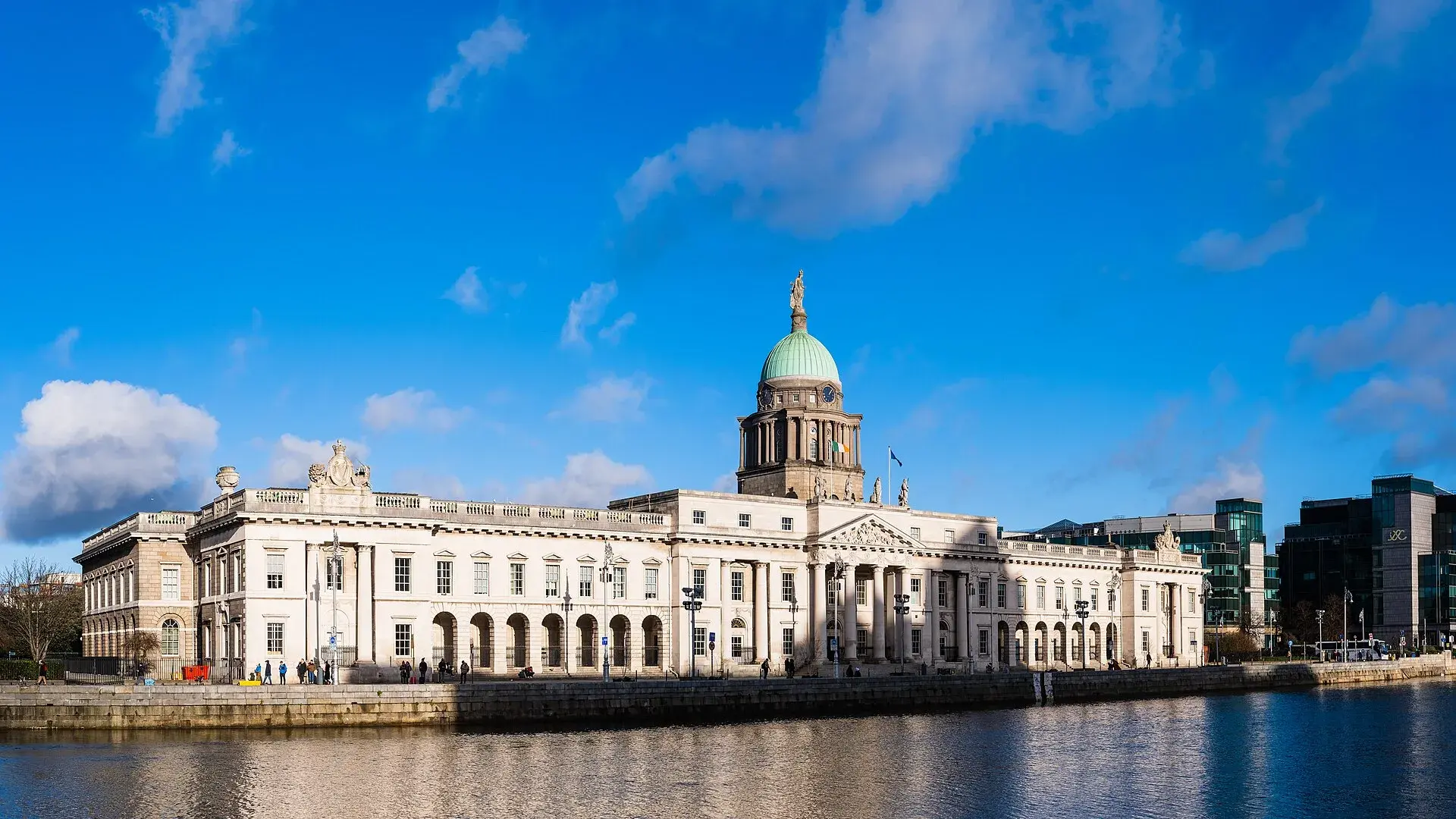
The name comes from the Irish for "black pool", Dubh Linn, a tidal pool where the River Poddle met the Liffey. Vikings built a fortified base there in 841, and the old medieval core, with Dublin Castle and Christ Church, grew up on the south bank.
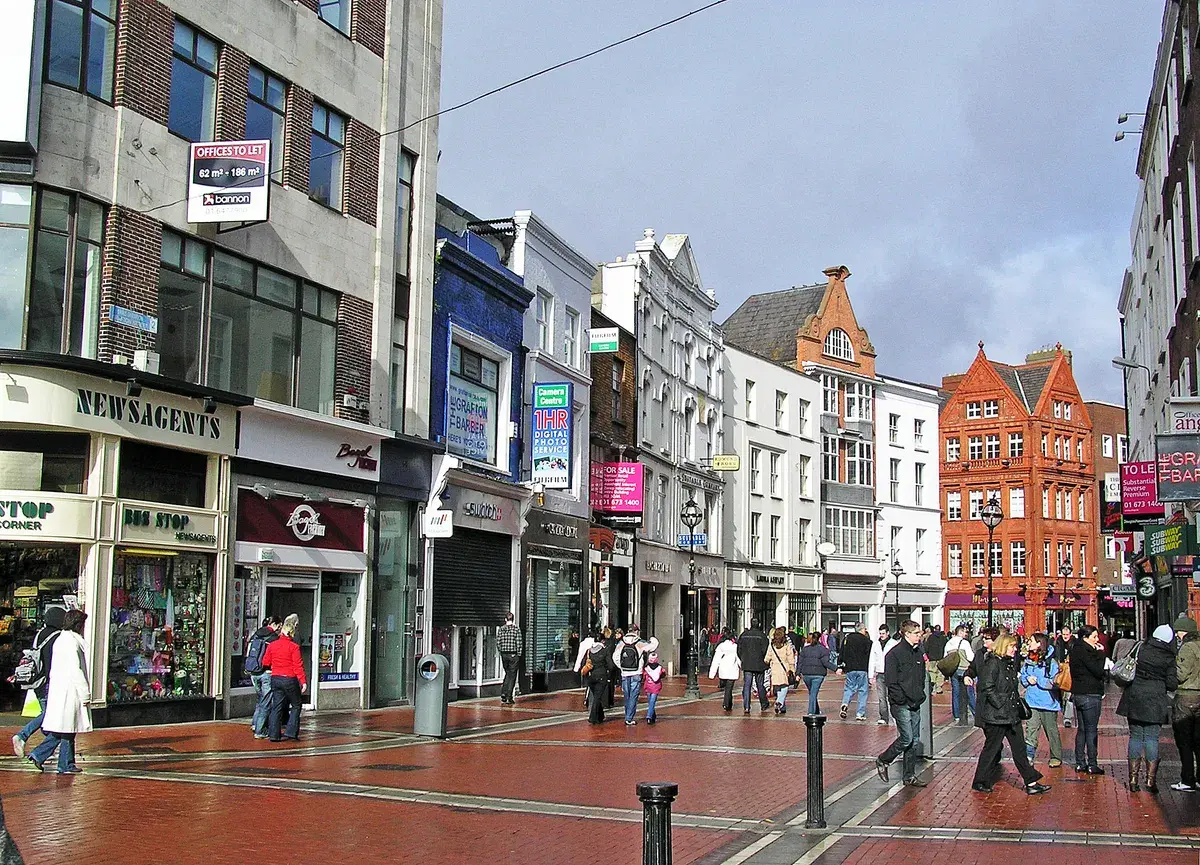
The Liffey is the dividing line. South of it you find Trinity, Grafton Street, Temple Bar and most of the old centre. North of it is O'Connell Street, the GPO and the shopping streets that run off it.
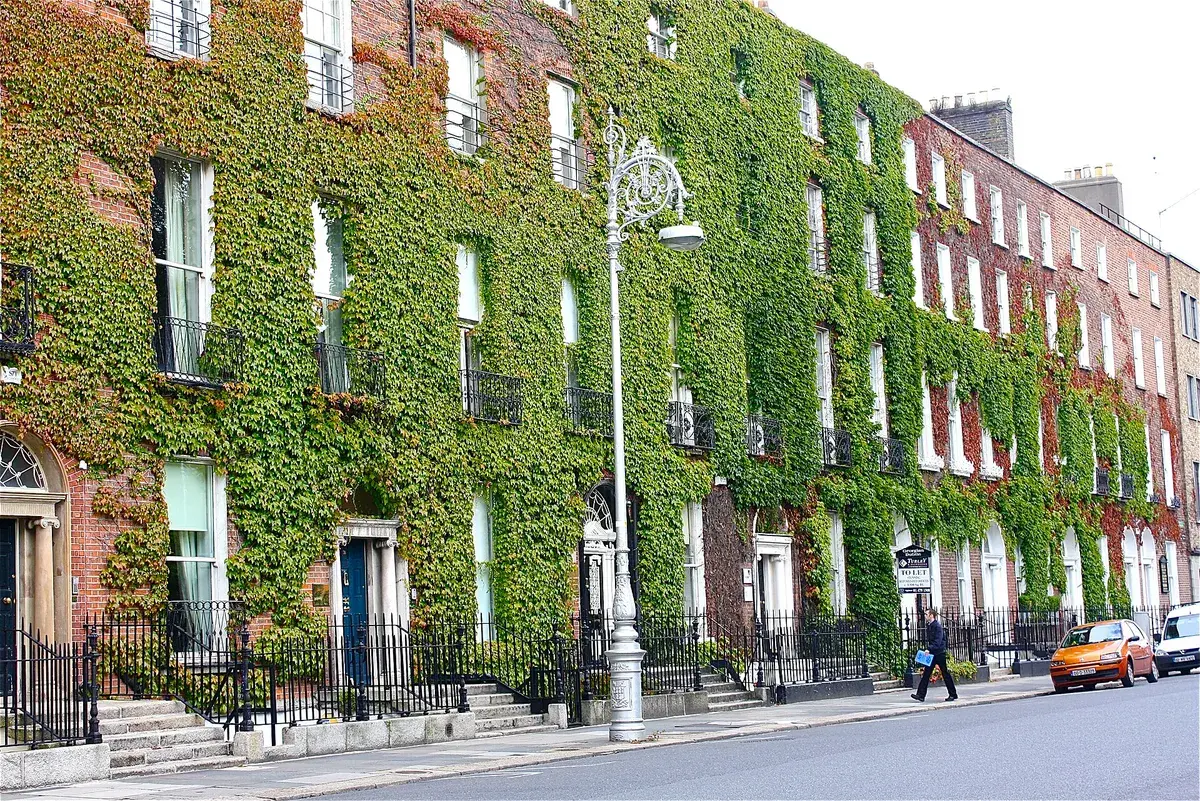
The Wide Streets Commission explains the look. Set up in the late 1750s, it knocked through narrow medieval lanes to lay out wide new streets. Sackville Street, now O'Connell Street, Parliament Street, Dame Street, Westmoreland Street and D'Olier Street all come from its work. The Georgian terraces and squares that visitors photograph belong to the same building boom.
📍 The five places everyone goes
Guinness Storehouse 💶 From €24 per person online for the standard experience, with the price varying by day and time slot. The ticket page shows a lower early-bird "from €14" for arrivals before 11:30, so check the slot you want. 🕐 Monday to Thursday and Sunday 09:30 to 17:00 last entry, Friday and Saturday to 18:00. Verdict: worth it if you like beer or industrial heritage. It is a self-guided tour across seven floors, with a drink at the Gravity Bar at the top. Arrive in your 15-minute window or you are moved to the next slot. Allow 90 minutes.
Book of Kells Experience at Trinity 💶 From €25 for the self-guided ticket, which covers the Old Library (the Book of Kells and the Long Room) and the Red Pavilion's digital exhibitions. A cheaper Book of Kells and Old Library ticket starts from €19. 🕐 Monday to Thursday 08:30 to 18:30, Friday and Saturday 08:30 to 19:00, Sunday 09:00 to 18:30. Verdict: worth it, but go in knowing what changed. Entry is timed, tickets are non-refundable once bought and online booking is strongly recommended. The Long Room is being restored: all but the first four bays of books have been removed, about 20,000 remain, and the Book of Kells stays on display. Trinity says the Old Library stays open until the end of 2027, then the manuscript moves to the Printing House while the works run.
Temple Bar 💶 Free to walk. Verdict: see it once, in daylight, and then eat and drink elsewhere. These days it is mostly pubs, restaurants and shops. For what things cost, see the budget guide, and the food guide has better places to sit down.
Dublin Castle 🕐 Closed to the public until January 2027. The castle's own site says the whole campus is shut so Ireland can host the Presidency of the Council of the European Union, with more than 100 events planned. Verdict: worth a visit once it reopens, for the State Apartments and the medieval start of the city, but you cannot go in during 2026. Before the closure the castle listed self-guided tickets at €8 and guided tickets at €12, and tickets were sold at the visitor reception in the upper courtyard. Check the castle's site for prices and hours after it reopens. The Cork Hill gate faces Dame Street, so the outside can still be seen from the pavement.
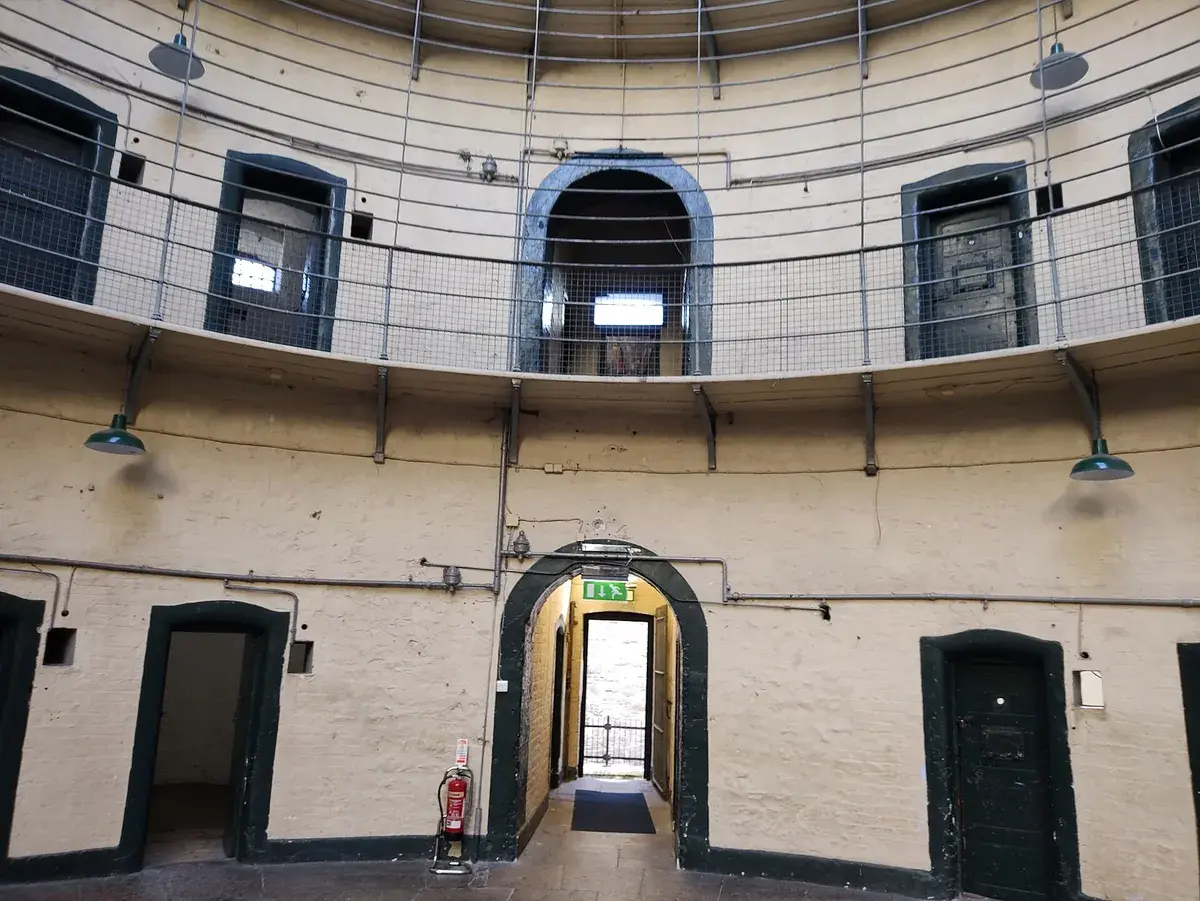
Kilmainham Gaol 💶 Adult €8, seniors €6, students €4, children 12 to 17 €4, under-12s free (a ticket is still needed). 🕐 Museum 10:30 to 17:15 from October to March, to 17:45 from April to September. Closed 24 to 27 December. Verdict: the one to book first, for Irish history told on the spot. Entry is by guided tour only, and tickets must be booked online in advance. A select number are released 28 days ahead from midnight Irish time, and extra tickets and cancellations can appear on the official site from 09:15 on the day. Allow about 90 minutes, and use only the official site.
🙈 Three places most visitors skip and shouldn't
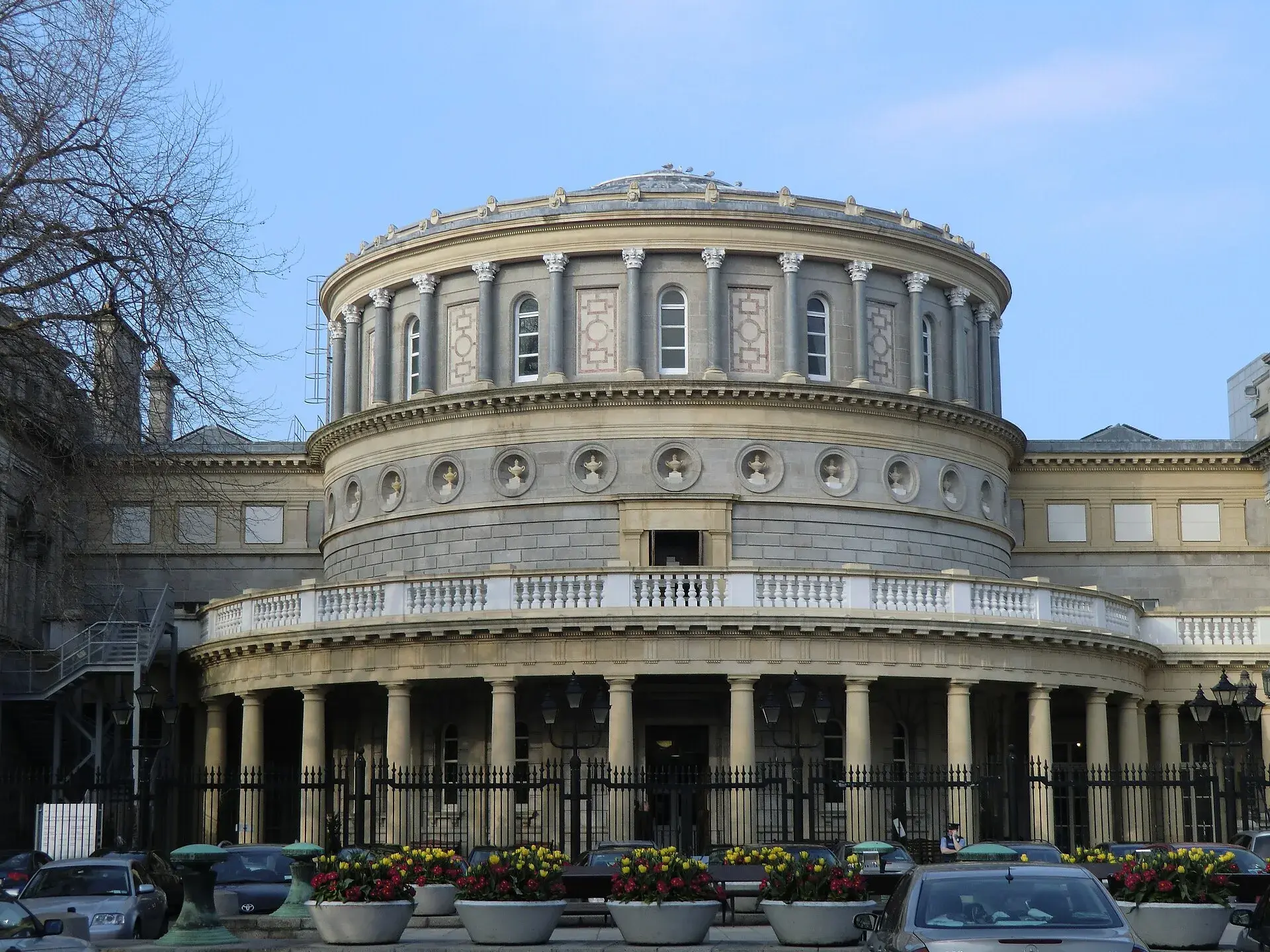
- National Museum of Ireland, Archaeology 📍 Kildare Street, Dublin 2. Free admission. 🕐 Tuesday to Saturday 10:00 to 17:00, Sunday and Monday 13:00 to 17:00. The Treasury, Ór (Ireland's gold), Viking Ireland and the Glendalough exhibition, in one building with no ticket.
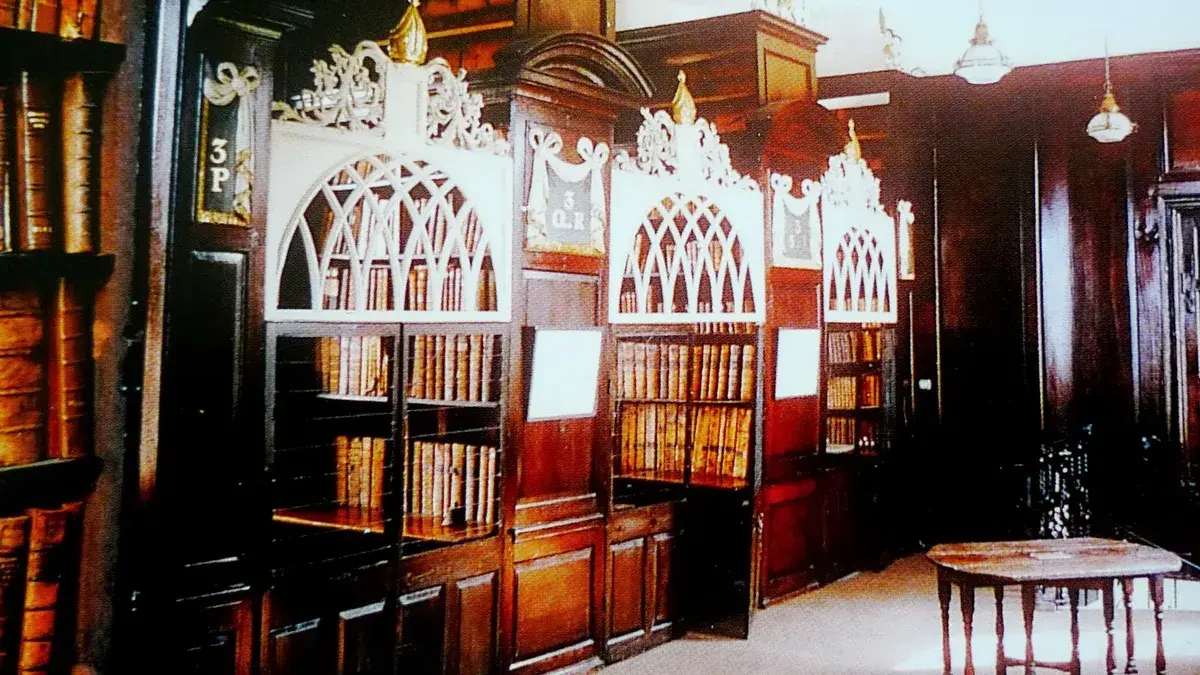
- Marsh's Library 📍 St Patrick's Close, next to St Patrick's Cathedral. Adults €8, seniors and students €6. 🕐 Tuesday to Friday 09:30 to 17:00, Saturday 10:00 to 17:00, closed Sunday.
- Phoenix Park 📍 about 1.5 miles from O'Connell Street, according to the park. Free, open 24 hours, and home to a wild herd of fallow deer.
Also worth a look in the same area as Kilmainham Gaol is the Irish Museum of Modern Art, free, at the Royal Hospital Kilmainham, closed Mondays except bank holidays. More free ideas are in Free Things to Do in Dublin.
🌦️ Weather month by month
Average daily highs and lows are the 1991 to 2020 averages for Dublin Airport, with rainfall as monthly totals. These figures are as listed on Wikipedia's Dublin page, which cites Met Éireann, so check Met Éireann's own station averages if you need exact numbers:
- January: 8.0°C high, 2.3°C low, 62 mm rain
- February: 8.5°C high, 2.2°C low, 52 mm
- March: 10.1°C high, 3.0°C low, 51 mm
- April: 12.3°C high, 4.0°C low, 55 mm
- May: 14.8°C high, 6.6°C low, 57 mm
- June: 17.7°C high, 9.0°C low, 64 mm
- July: 19.5°C high, 11.3°C low, 61 mm
- August: 19.1°C high, 11.2°C low, 73 mm
- September: 16.9°C high, 9.5°C low, 63 mm
- October: 13.6°C high, 7.1°C low, 78 mm
- November: 10.3°C high, 4.3°C low, 83 mm
- December: 8.3°C high, 2.6°C low, 72 mm
Rain falls on 10 to 13 days a month all year, so a waterproof belongs in every suitcase.
🗓️ Best and worst months
Best: May, June and September. Highs are in the mid to high teens, the winter gloom has gone, and rainfall sits between 57 mm and 64 mm. July is the warmest, at 19.5°C on average.
Worst: October to January. Highs fall from 13.6°C to around 8°C, and October and November are the wettest months in the series.
One date to plan around: St Patrick's Festival runs from Saturday 13 March to Wednesday 17 March in 2027. Book beds early and expect crowds on the main streets.
📅 How many days
Two full days covers the centre. Day one, Trinity, Grafton Street and Temple Bar, plus Dublin Castle once it reopens in January 2027. Day two, the north side and the GPO, then an afternoon in a museum. A third day suits Kilmainham Gaol and the Irish Museum of Modern Art, or a long walk in Phoenix Park. Planning a working trip? See the coworking guide.
🚶 A two-hour essentials walk
If you only have a couple of hours, loop around the south side of the river. Start at the front gate of Trinity, walk up Grafton Street to St Stephen's Green, then cut back east and north towards the Liffey through the old streets near the castle. Finish by the river. It takes about two hours at an easy pace, with a coffee stop.
Ciceru's Dublin self-guided walking tour is built on the same idea: about 3 km and 2 hours, with 9 quiz stops. It starts at the James Joyce statue on North Earl Street and ends at The Brazen Head.
❓ FAQ
What is Dublin known for?
Writers and pubs, Guinness, Georgian streets and the story of the 1916 Rising. The River Liffey splits the city into north and south, and most visitor sights sit within walking distance of it.
What is the best month to visit Dublin?
May, June or September. Daytime highs run from about 15°C to 18°C and rain is moderate. Dublin gets rain in every month, so pack for it in all of them.
How many days do you need in Dublin?
Two full days for the centre, and a third if you want Kilmainham Gaol and Phoenix Park without rushing. Book Kilmainham in advance, since it is guided-tour only.
✅ Before you go
Book Guinness and Kilmainham first, check Trinity's timed slots, and carry a waterproof whatever the month. See Getting Around Dublin for transport and luggage, Dublin on a Budget for real daily costs, What to Eat in Dublin for dishes, Free Things to Do in Dublin for what costs nothing, and Cheapest Coworking Spaces in Dublin for laptop days. To walk it, start with the Ciceru Dublin walk, or see the destination page at ciceru.com/tours/ireland/dublin.