Åland Maritime Museum: Legacy of the Last Windjammers
The Åland Maritime Museum in Mariehamn stands as a testament to the Åland Islands' profound connection to the sea. This world-class institution preserves the unique story of how this region became the 'home of the last windjammers,' defying the global shift to steam power well into the 20th century.
The Age of Sail's Final Chapter
Mariehamn's international renown is tied to shipowner Gustaf Erikson. Starting in 1913, Erikson pursued a unique business model, acquiring large sailing ships when the rest of the world was embracing steam. He built the world's last great commercial sailing fleet, amassing 66 merchant ships between 1913 and 1947. His vessels, including the famous four-masted barque Pommern, participated in the 'Grain Races,' transporting wheat from Australia to Europe. Erikson's detailed business archives, documenting this remarkable era, were inscribed in UNESCO's Memory of the World program in 2023.
Museum Origins and Architecture
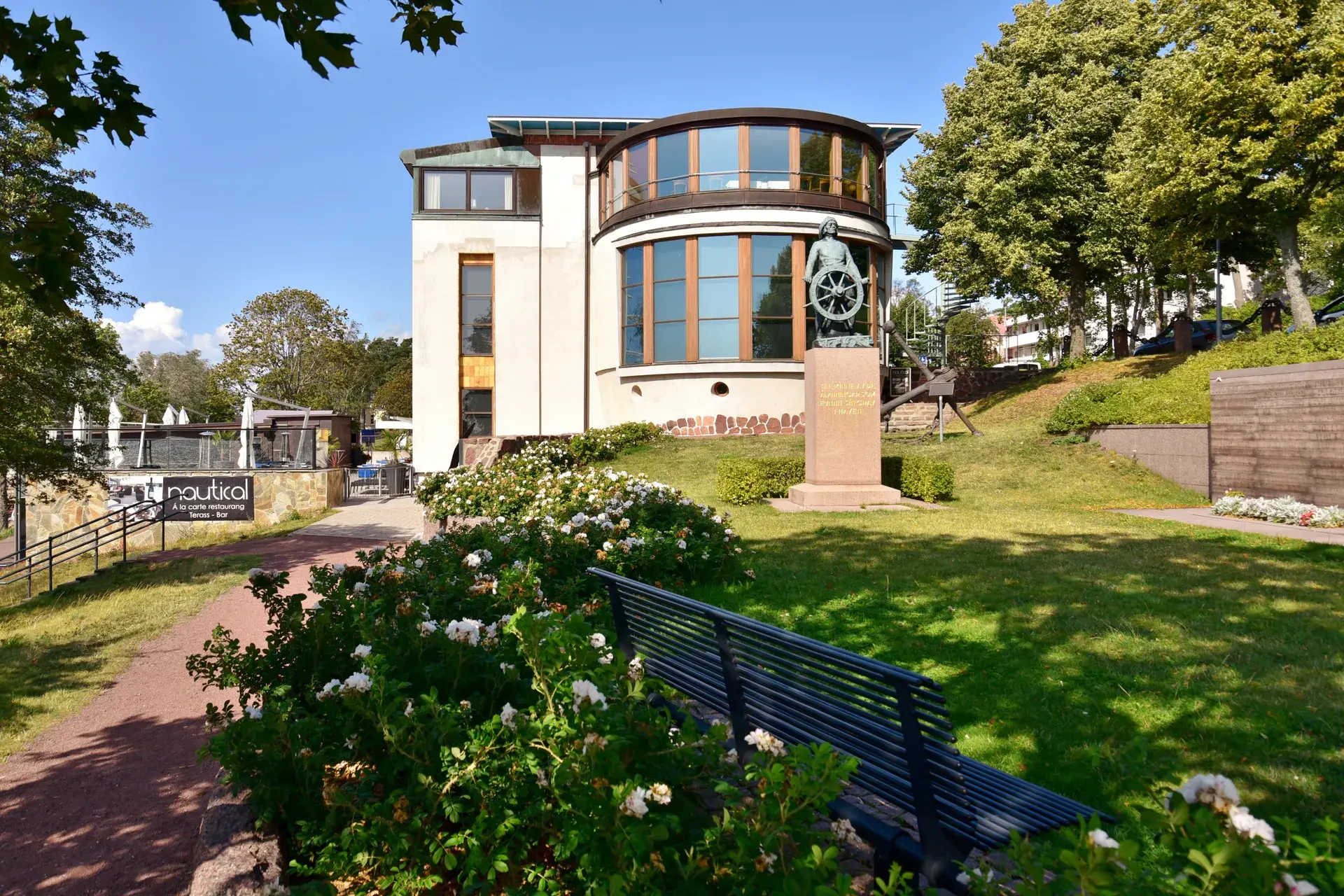
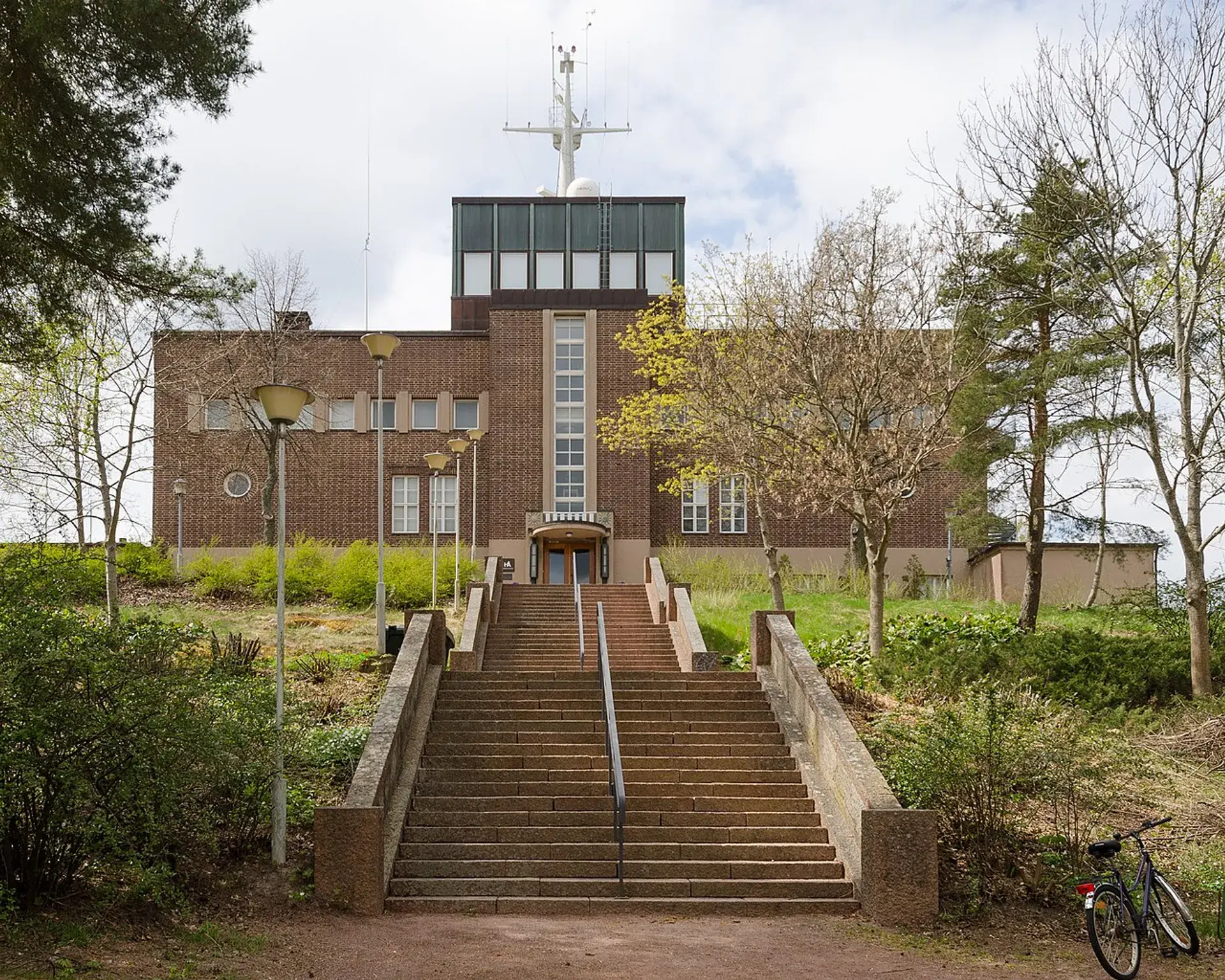
The museum's story begins in the 1920s with Captain Carl Holmqvist, who started collecting maritime objects to preserve Åland's heritage as the age of commercial sail waned. This led to the founding of the Åland Nautical Club in 1935 and the museum's official opening in 1954. The original building, designed by Jonas Cedercreutz, is a blend of Functionalism and Nordic Classicism, with a façade that symbolically represents a ship's bow cutting into the land. A major extension designed by Kangas & Vuorinen Architects was completed in 2012.
Exhibits and The Museum Ship Pommern
The museum offers a range of interactive exhibits, including a bridge simulator and a climbing mast. A highlight for younger visitors is the 'Ruby and the Sea' children's room and a treasure hunt featuring 'Ruby the ship's rat.' One of the museum's most surprising artifacts is an authentic 18th-century pirate flag, one of the only ones in the world, believed to have been flown off the Barbary Coast.
Permanently moored outside is the museum ship Pommern. Donated to Mariehamn in the 1950s by Gustaf Erikson's children, this four-masted barque is a central part of the museum experience. The ship, which once won the Grain Race twice and completed a 110-day non-stop voyage, can be explored with a ticket, often combined with museum admission.
A Center for Maritime History
Beyond its public exhibits, the Åland Maritime Museum is a resource for researchers, featuring a library and e-info points. It also provides educational programs, workshops, and lectures. The institution operates year-round and includes a 108-seat auditorium available for conferences, further cementing its role as a vital center for preserving and interpreting Åland's cultural, social, and economic maritime history.
FAQ
Who was Gustaf Erikson?
Gustaf Erikson was a shipowner from Mariehamn who, between 1913 and 1947, acquired and profitably operated the world's last great commercial sailing fleet, long after steam power had become dominant in global shipping.
What is the museum ship Pommern?
The Pommern is a four-masted barque that was part of Gustaf Erikson's fleet. After its final commercial voyage in 1939, it was donated to the city of Mariehamn and became a museum ship in 1957, where it serves as a key exhibit.
Does the Åland Maritime Museum have any particularly rare artifacts?
Yes, the museum's collection includes one of the only authentic 18th-century pirate flags in the world, which was purportedly flown by a pirate ship off the Barbary Coast.
Is the Åland Maritime Museum suitable for children?
Yes, the museum is family-friendly, featuring interactive exhibits like a climbing mast, a dedicated children's room called 'Ruby and the Sea,' and a treasure hunt game.