The Pommern: A Preserved Windjammer in Mariehamn
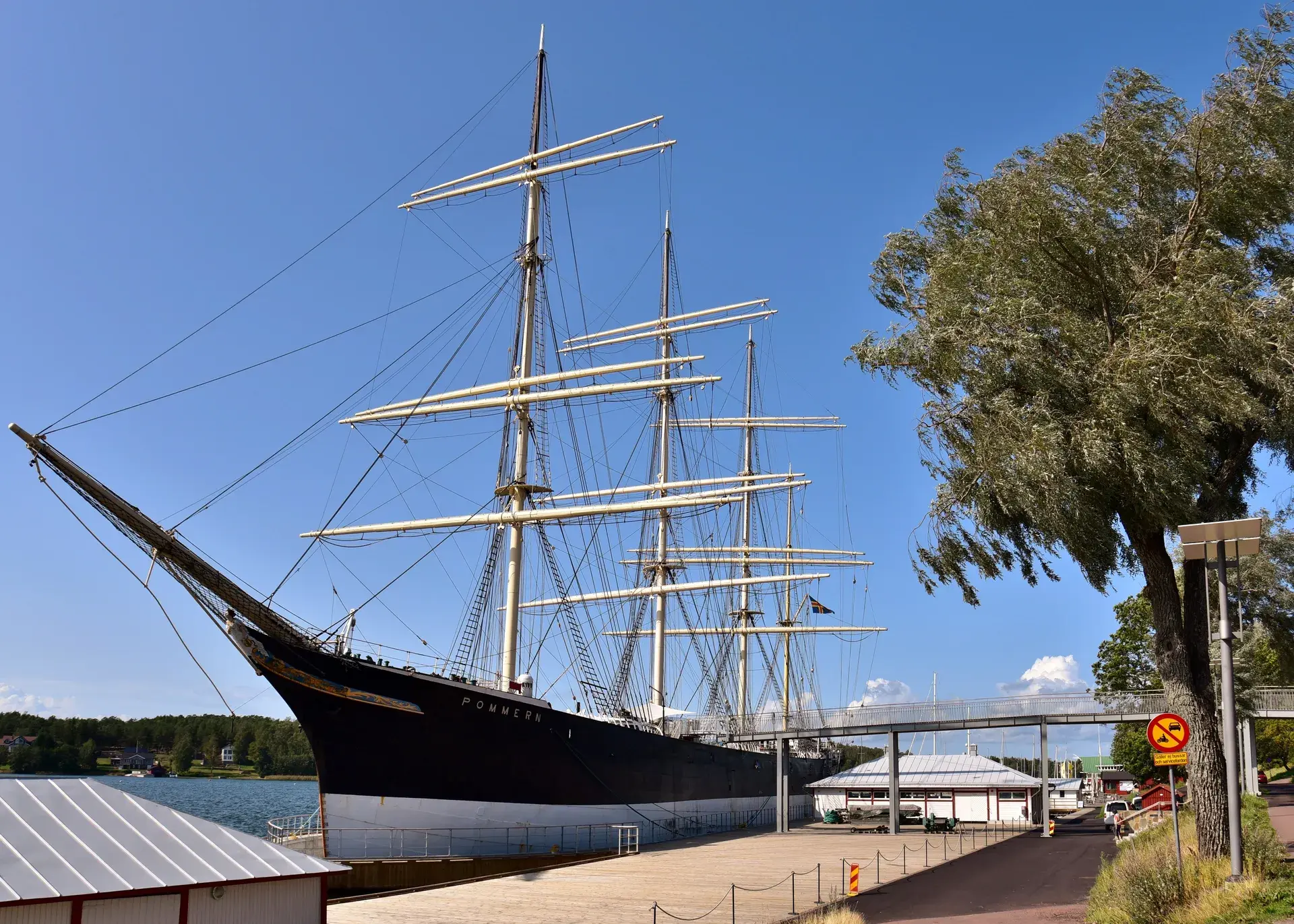
Anchored in the Western Harbour of Mariehamn, the four-masted barque Pommern stands as a powerful symbol of Åland's rich seafaring heritage. It is celebrated as the world's only four-masted merchant sailing ship preserved in its original, unaltered condition, a true survivor from the golden age of commercial sail.
From Construction to Grain Races
Built in 1903 at the J. Reid & Co shipyard in Glasgow, Scotland, the steel-hulled vessel was first named Mneme. After serving a German company and being handed over to Greece as war reparation, it was purchased in 1923 by the famed Åland shipowner, Gustaf Erikson, for £3,900 and renamed Pommern.
Under Erikson's ownership, the Pommern became a key player in the final era of commercial sail, transporting grain from Australia to Europe. The ship participated in the informal but competitive 'Grain Races,' winning twice in 1930 and 1937. Reputed as a 'lucky ship,' it survived both World Wars unscathed and lost only four crew members at sea throughout its commercial life. Its last commercial voyage concluded in Mariehamn in 1939, just before the start of World War II.
A Flagship of the Last Windjammers
The Pommern was a crown jewel in Gustaf Erikson's fleet, which was the world's largest assembly of commercial sailing vessels, or windjammers, during a time when steam power had become dominant. Erikson's enterprise represented a unique continuation of deep-sea sailing long after it had been abandoned elsewhere, cementing Mariehamn's identity as a hub for maritime prowess.
The ship itself is a 'bald-headed barque,' a specific rigging style that lacks royals over its upper topgallant sails. Its main mast towers 50 meters high, and its total sail area spans an impressive 3,240 square meters. These features, along with its divided topsails and topgallant sails, were designed for easier handling by the crew.
A Legacy Preserved
Following Gustaf Erikson's death in 1947, his children, Edgar Erikson and Eva Hohental, recognized the prohibitive costs of repairing the aging vessel. In 1953, they donated the Pommern to the City of Mariehamn to be preserved as a museum ship.
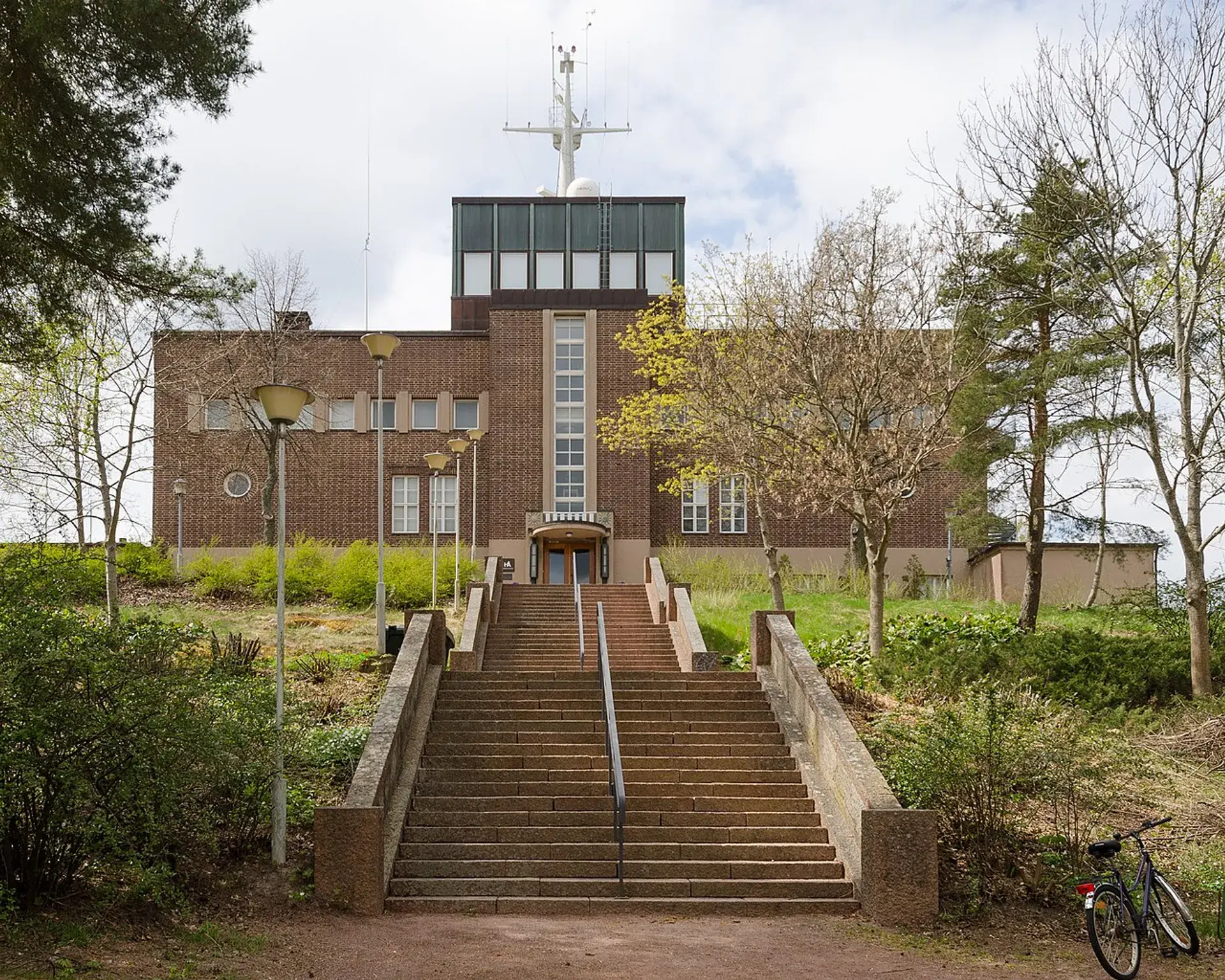
Today, the Pommern is a prominent cultural attraction and a part of the Åland Maritime Museum. Since 2019, it rests in a purpose-built dock that can be pumped dry for maintenance, ensuring its long-term preservation. The ship offers visitors an immersive experience into the life of a 1930s sailor, with exhibitions featuring artifacts, photographs, and films from its cargo-carrying days.
FAQ
What makes the Pommern unique?
The Pommern is considered the only four-masted steel barque in the world that remains in its original, unaltered cargo-carrying state. Other similar vessels were either lost, scrapped, or significantly modified.
Who was Gustaf Erikson?
Gustaf Erikson was a Finnish shipowner from Åland who assembled and operated the world's largest fleet of commercial sailing vessels, known as windjammers, during the era when steam power was dominant.
Where is the Pommern located?
The Pommern is a museum ship anchored in the Western Harbour of Mariehamn, Åland. It is part of the Åland Maritime Museum.
Did the Pommern always have that name?
No, the ship was originally named Mneme when it was built in 1903. It was renamed Pommern in 1908 by its German owners, F. Laeisz, to fit their tradition of ship names beginning with the letter 'P'.