Potomoi House & the Charm of Old Rauma's Wooden Town
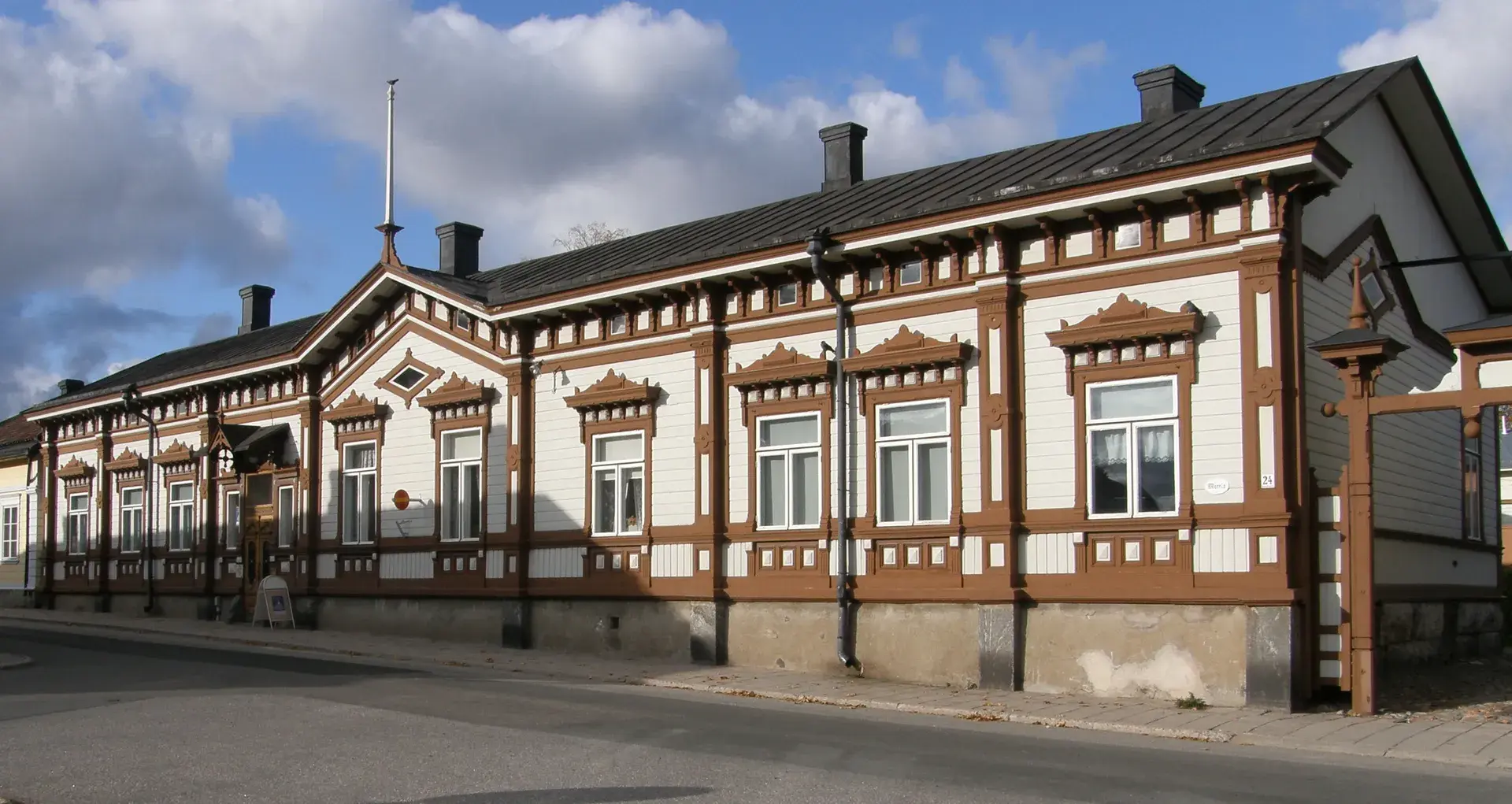
The Potomoi House, or Potton talo, is a distinctive building within the historic setting of Old Rauma. While specific historical records on this individual house are not widely documented, it stands as a fine example of the architectural character that defines this unique town.
A Living UNESCO World Heritage Site
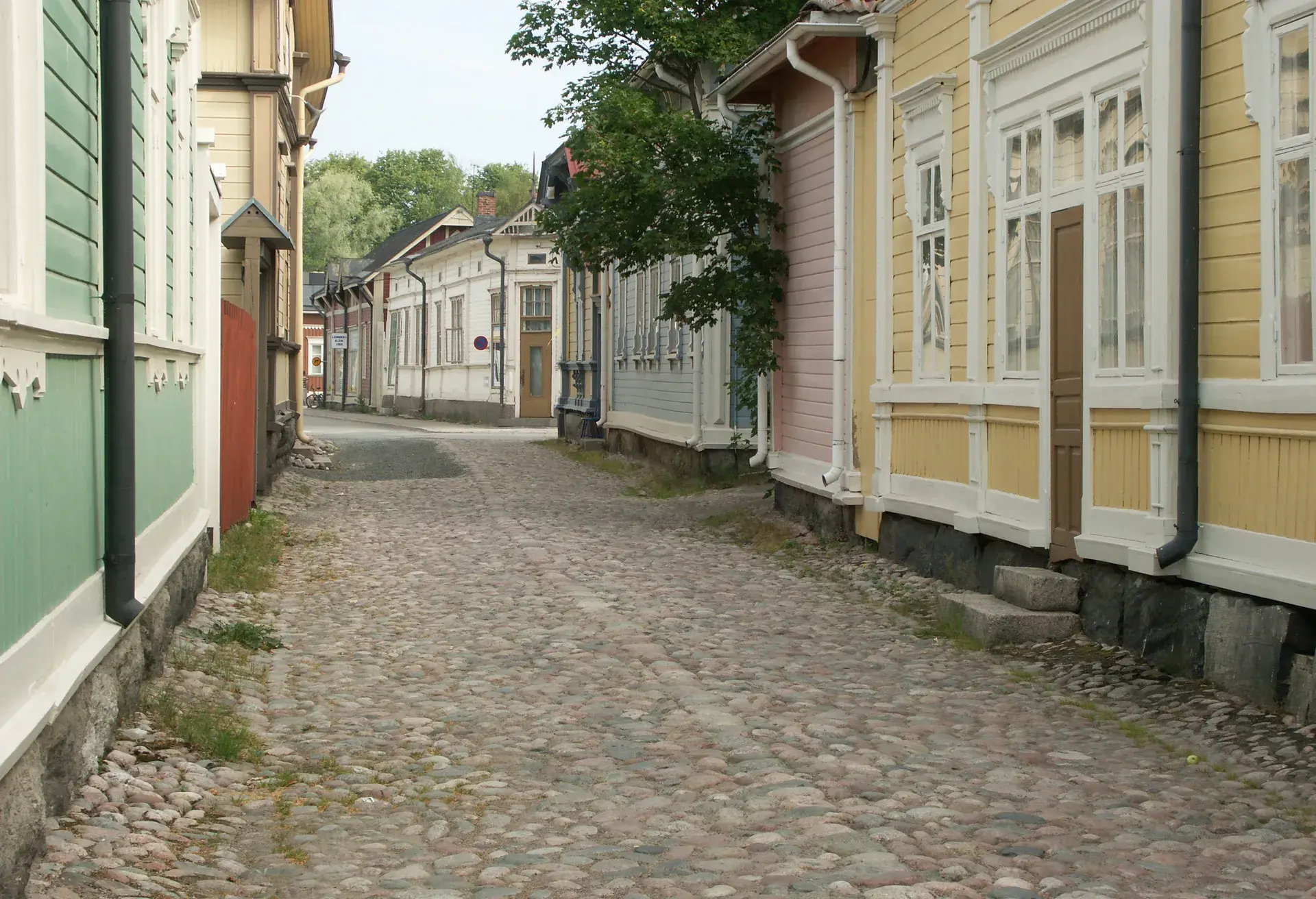
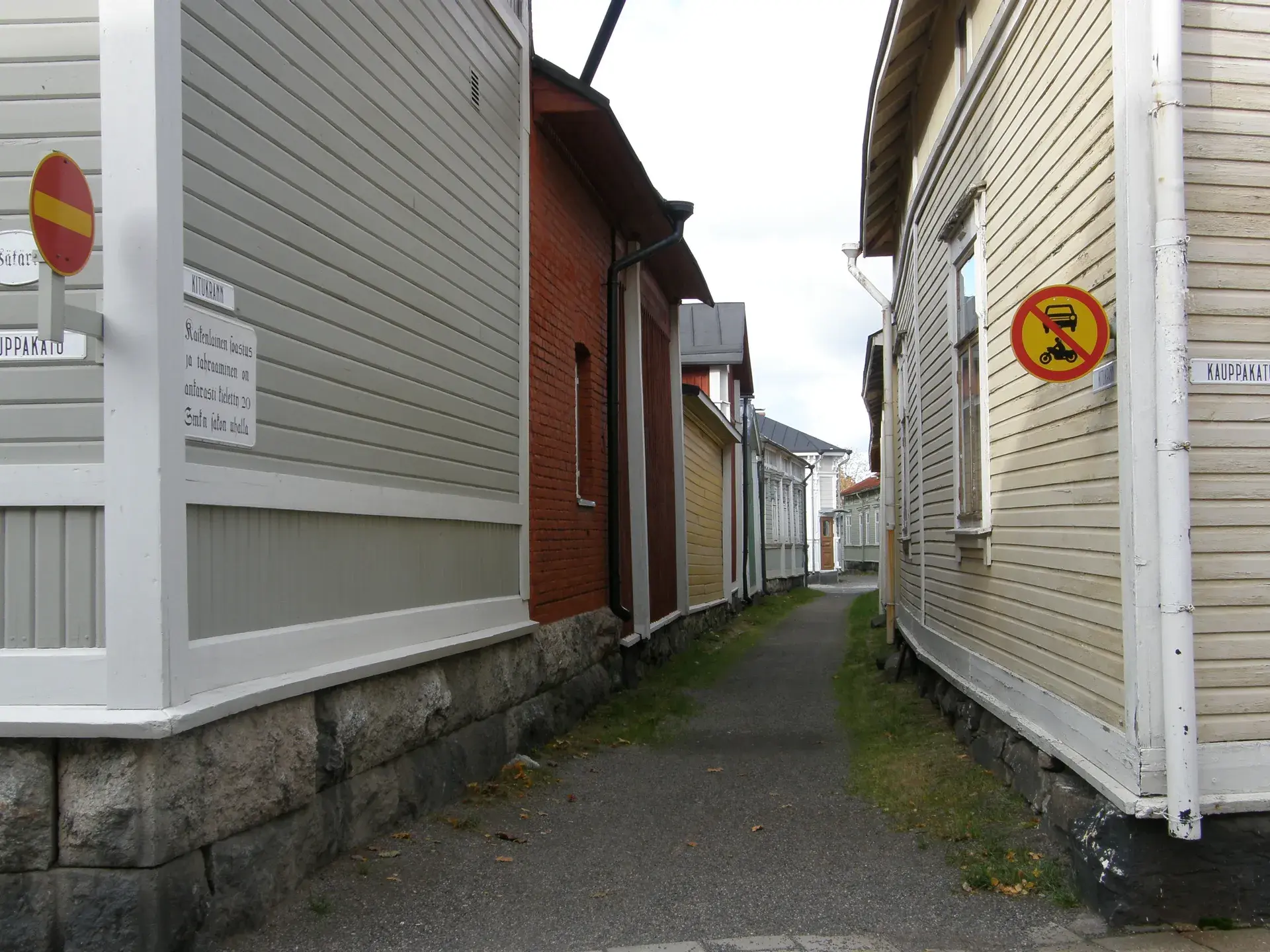
Old Rauma was designated a UNESCO World Heritage Site in 1991, recognized for its well-preserved medieval town layout and unique wooden architecture. It is the largest coherently preserved wooden town in the Nordic countries, covering a 29-hectare area with over 600 wooden buildings. Far from being just a museum, Old Rauma is a vibrant, functioning town center where most buildings are privately owned and inhabited, and main streets are lined with shops, cafés, and restaurants.
Architecture Forged by Fire and Craft
Rauma's history is marked by devastating fires, notably in 1640 and 1682, which destroyed much of the medieval town. Consequently, the oldest surviving structures date from the 18th century. The buildings showcase 18th and 19th-century Nordic wooden architecture, with many facades receiving Neo-Renaissance updates in the late 19th century. Remarkably, many of these houses were constructed without a single metal nail, relying instead on traditional notching techniques and wooden spikes.
Maritime Heritage and Local Traditions
As a flourishing seaport, Rauma's history is deeply connected to the sea. A charming local tradition reflects this maritime past: porcelain dogs displayed in windows. Historically, a dog facing outward signaled that the sailor of the house was away at sea, while a dog facing inward meant he had safely returned. The town also became renowned for bobbin lace-making, a craft that was practiced in nearly every home by the 1700s. For a deeper look into the lives of the town's residents, visitors can explore museum houses like the Marela House, a shipowner's residence, and the Kirsti House, a seaman's home.
FAQ
What is special about Old Rauma?
Old Rauma is the largest preserved wooden town in the Nordic countries and a UNESCO World Heritage Site. It features over 600 wooden buildings, mostly from the 18th and 19th centuries, situated on a medieval street plan.
Why do some houses in Old Rauma have porcelain dogs in the windows?
Historically, the porcelain dogs indicated a sailor's status. If the dog faced outward, the sailor was at sea; if it faced inward, he had returned home.
Are the buildings in Old Rauma just a museum?
No, Old Rauma is a living town center. While it contains museums, most of the 600-plus buildings are privately owned and inhabited, with many also housing shops, cafes, and restaurants.
How were the old wooden houses in Rauma built?
Many of the 18th and 19th-century wooden houses in Old Rauma were constructed without using metal nails. Instead, builders used traditional methods like notching techniques and wooden spikes.