Basilique Saint-Martin de Tours: History of a Sacred Site
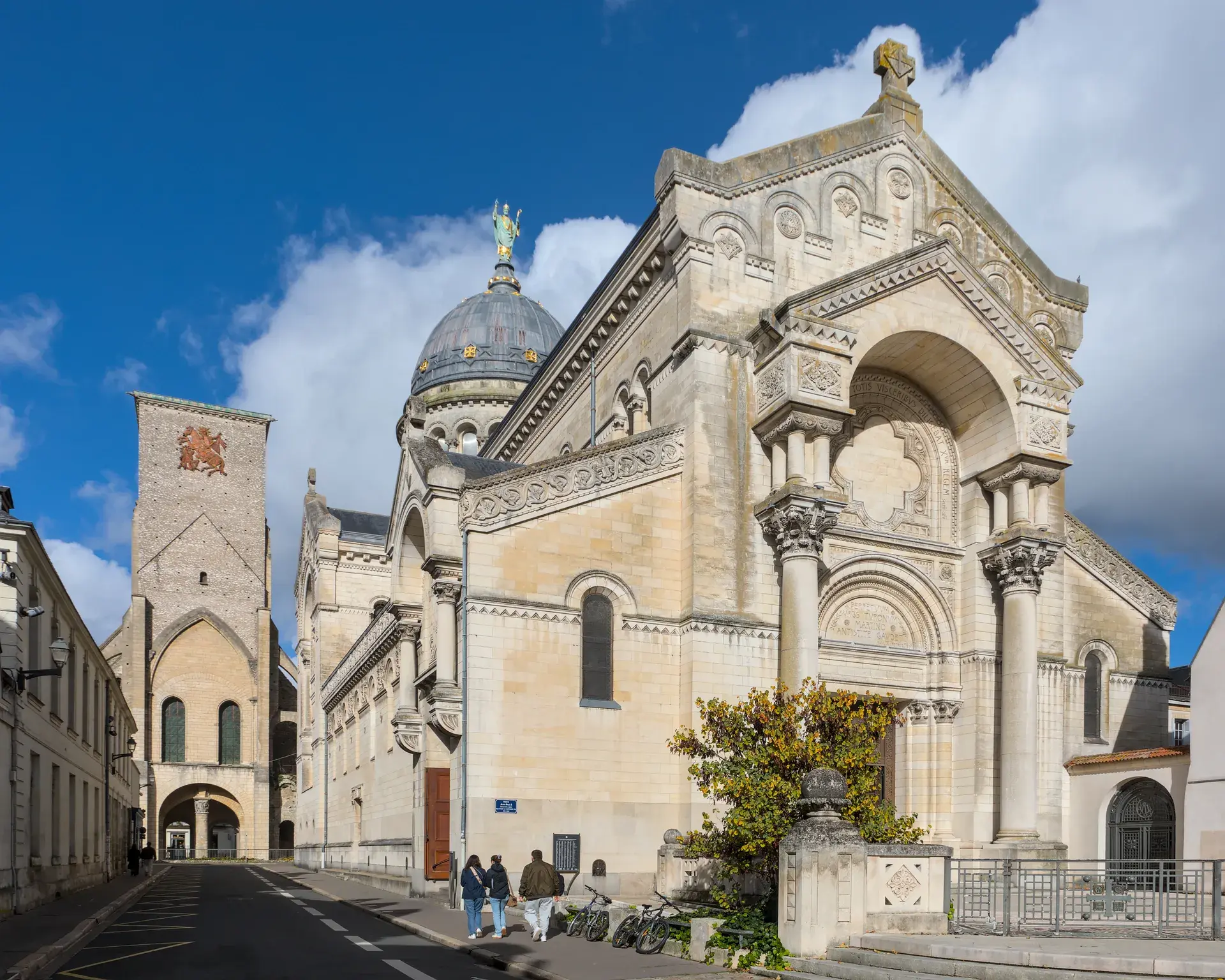
The Basilique Saint-Martin de Tours is a 19th-century neo-Byzantine basilica built to honor Saint Martin of Tours. It stands as a testament to the revival of a pilgrimage that shaped the city for over a millennium, built upon a site with a dramatic history of destruction and rebirth.
A Storied Medieval History
The site's religious significance began with the burial of Saint Martin in an outlying cemetery on November 11, 397 AD. A modest chapel was soon built over his grave, which Bishop Perpetuus replaced in 471 AD with a grand basilica. This structure, lavishly decorated with marble, mosaics, and 120 columns, became one of medieval France's most important pilgrimage destinations, comparable in status to Rome and a key stop for pilgrims en route to Santiago de Compostela.
The abbey that grew around the shrine became a major cultural center. Under the direction of Abbot Alcuin, an advisor to Charlemagne who served from 796 to 804, the abbey's scriptorium developed Carolingian minuscule, a clear and rounded script that significantly improved the legibility of manuscripts across Europe. The sanctuary's importance was also political, with Frankish King Clovis I visiting after his victory at Vouillé in 507 AD.
Over the centuries, the medieval basilica endured numerous calamities. It was repeatedly damaged by Norman Vikings in 853 and 903, burned in 994, and sacked by Protestant Huguenots during the French Wars of Religion in 1562, during which the saint's tomb was desecrated.
Demolition and Erasure
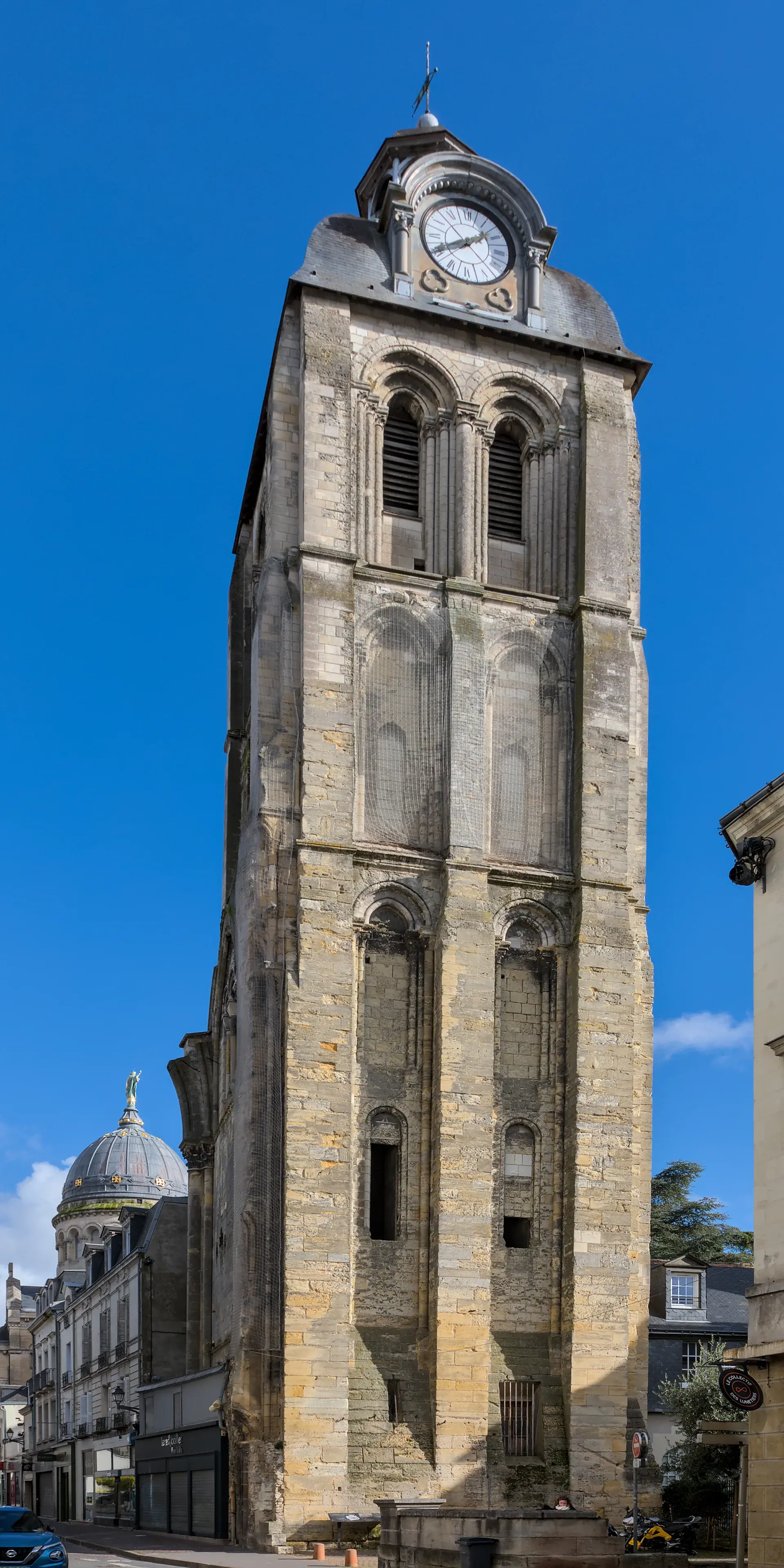
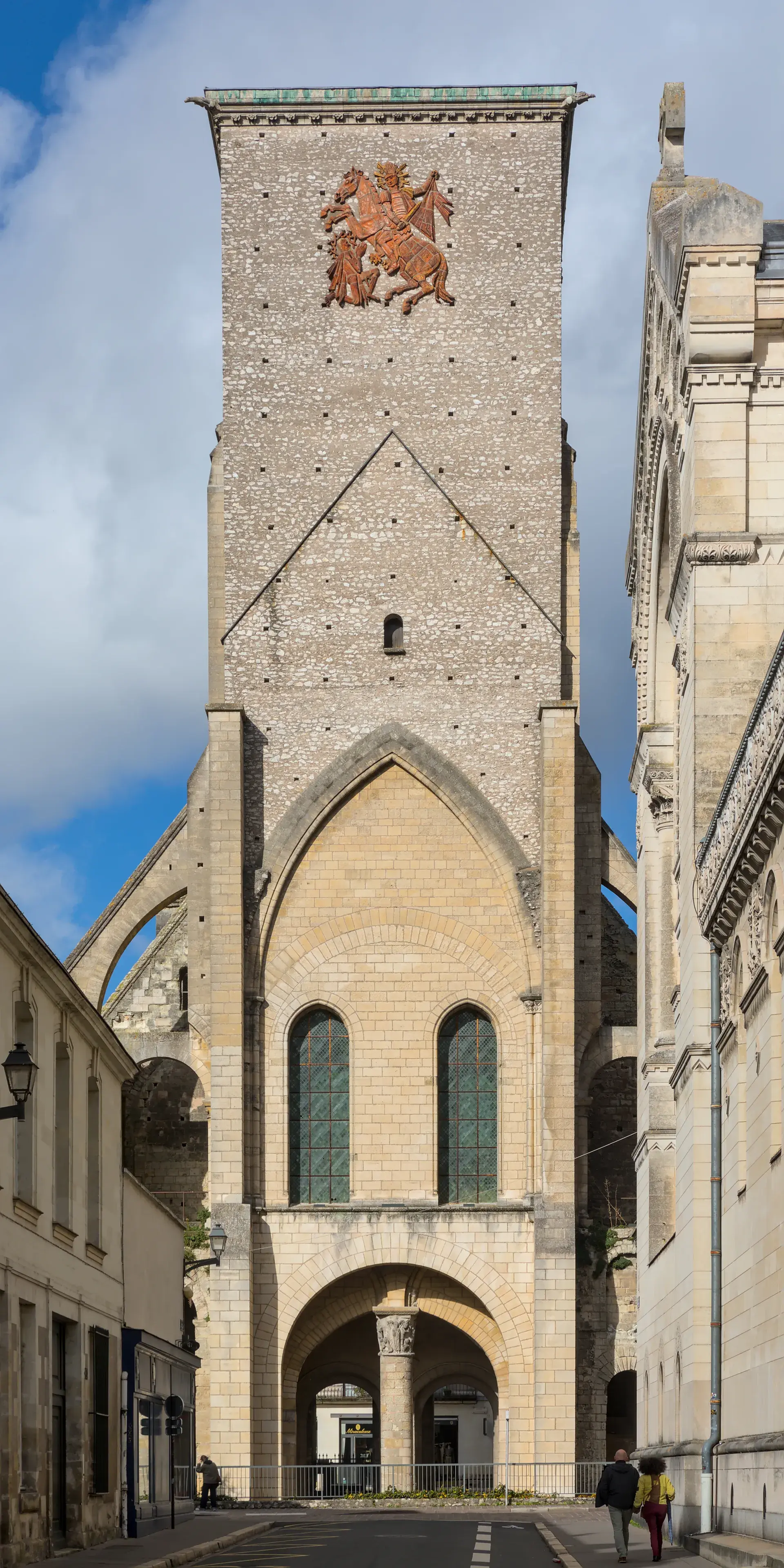
The French Revolution marked the end of the original basilica. The collegiate church was deconsecrated and used as a stable before being systematically demolished between 1793 and 1802. In a deliberate attempt to erase the cult of Saint Martin, the building's stones were sold off, and two new streets, Rue des Halles and Rue Descartes, were intentionally constructed across its former foundations to prevent any future reconstruction.
Rediscovery and the New Basilica
For decades, the exact location of the tomb was lost. On December 14, 1860, excavations led by local resident Léon Papin-Dupont successfully rediscovered the tomb of Saint Martin beneath a house built on the former church grounds. This discovery fueled a revival of devotion to the saint.
A new basilica was constructed between 1886 and 1924 to a Neo-Byzantine design by architect Victor Laloux. Consecrated on July 4, 1925, the current structure occupies only a portion of the original massive site. Due to the existing street grid, it has an unusual North-South orientation, breaking with the traditional East-West alignment of churches. A 4.25-meter-tall bronze statue of Saint Martin crowns its dome.
The Basilica Today
Today, the Basilique Saint-Martin de Tours is an active Catholic church and a significant pilgrimage site. The feast day of Saint Martin on November 11th is a particularly important celebration. The basilica's crypt, which is accessible to visitors, houses the rediscovered tomb of Saint Martin. The site also includes a museum displaying historical documents and artifacts related to the saint and the history of the basilica.
FAQ
Why was the original Basilique Saint-Martin destroyed?
The medieval basilica was completely demolished during the French Revolution between 1793 and 1802. After being deconsecrated, its stones were sold, and two streets were built over its foundations to deliberately prevent the revival of the cult of Saint Martin.
Is the current basilica the original building?
No. The current Neo-Byzantine basilica was constructed between 1886 and 1924. It was built after the original, much larger medieval basilica was completely destroyed and its foundations were built over.
Where is Saint Martin's tomb located?
The tomb of Saint Martin is housed in the crypt of the current basilica. The tomb was lost after the demolition of the original church and was rediscovered on December 14, 1860, during excavations.
What is Carolingian minuscule?
Carolingian minuscule is a clear, rounded style of handwriting that was developed in the scriptorium of the medieval Abbey of Saint Martin. Under Abbot Alcuin in the late 8th and early 9th centuries, this script greatly improved the legibility of manuscripts.