Jesolo Sand Sculptures: Art from Sand and Water
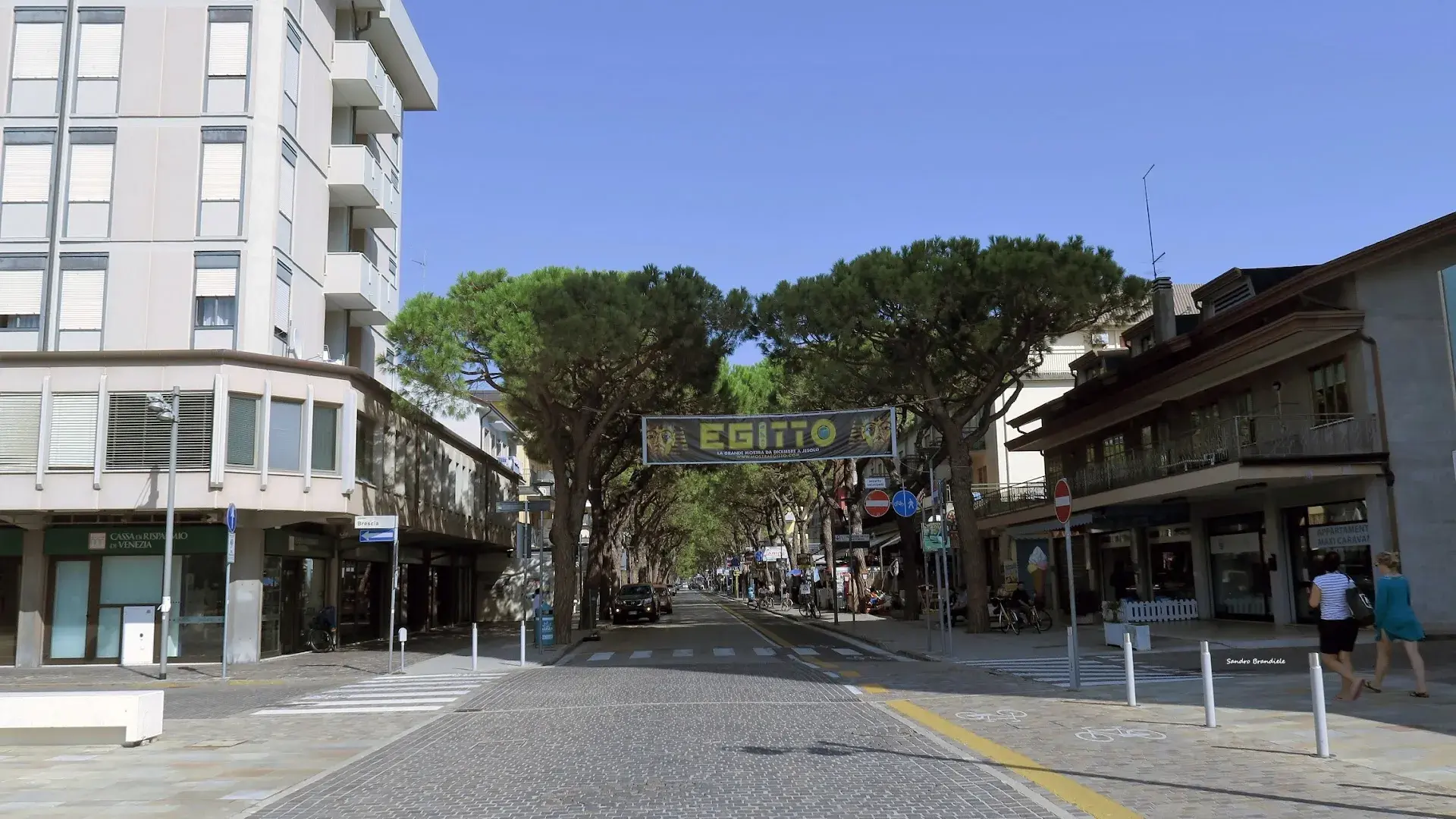
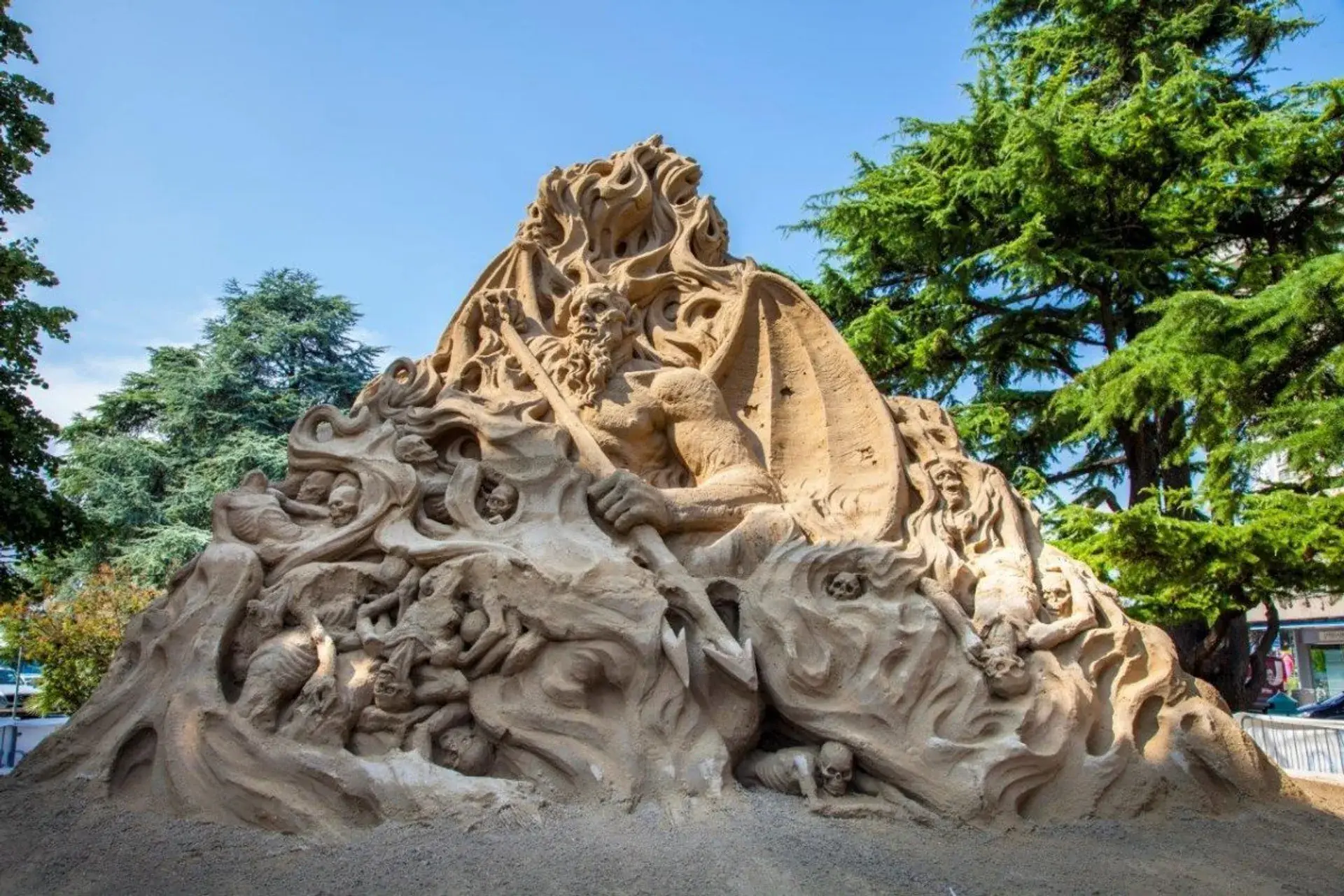
The city of Jesolo hosts a remarkable artistic tradition, transforming its Piazza Brescia into a temporary open-air museum with its annual sand sculpture festivals. These monumental works appear as if carved from stone, yet they are crafted entirely from sand and water, standing for months without any internal supports or glue.
Two distinct events celebrate this unique art form. The summer's Jesolo Sand Sculpture Exhibition and the winter's Jesolo Sand Nativity have become pivotal cultural landmarks, enriching the city's identity and attracting millions of visitors.
The Art of Compaction
The incredible stability of these ephemeral masterpieces is due to a specialized 'hard compacting' technique developed in the 1970s. Artists use approximately 1,500 tons of sand and water, compressing the mixture to create solid, gravity-defying structures. This method allows for the creation of intricate vertical sections and cantilevered elements that can reach several meters in height and endure for months.
A Tale of Two Festivals
Jesolo's sand art is showcased in two main annual exhibitions. The Jesolo Sand Sculpture Exhibition, a tradition dating to the 1990s, takes place during the summer months, typically from May through October. It features a wide range of themes, such as 'Contemporary Art' and 'The Power of Change', and sometimes includes live demonstrations.
The Jesolo Sand Nativity, initiated in 2002, is a major winter attraction held from late November or early December until February. Housed in a marquee, the 750-square-meter display features Nativity scenes and explores profound religious and humanitarian messages, with past themes including 'Sculptures of Peace' and 'Fratelli tutti,' inspired by Pope Francis's encyclical.
International Acclaim and Philanthropy
Since its inception, the Jesolo Sand Nativity has drawn over two million visitors. The event gained significant international acclaim in 2018 when a monumental sand Nativity, under the artistic direction of American Richard Varano, was displayed in St. Peter's Square at the Vatican. The sculptures have also been exhibited in other prominent locations, including Matera and Assisi. Pope Francis himself has been described as 'enchanted' by the works.
Beyond its artistic merit, the Sand Nativity has a strong philanthropic mission. Since 2004, the event has raised over €1 million through visitor donations, funding humanitarian projects across the globe. Admission to both the summer and winter exhibitions is free.
FAQ
How are the Jesolo sand sculptures made?
The sculptures are constructed using approximately 1,500 tons of sand and water. Artists employ a specialized 'hard compacting' technique that allows them to build large, stable structures without any glue or artificial supports.
Are the Jesolo Sand Sculptures free to visit?
Yes, admission is free for both the winter Jesolo Sand Nativity and the summer Jesolo Sand Sculpture Exhibition, which are held in Piazza Brescia.
When did the Jesolo Sand Nativity start?
The Jesolo Sand Nativity was initiated in 2002 to commemorate Christmas. It is part of a broader sand sculpting tradition in the city that dates back to the 1990s.
Do the exhibitions support any charitable causes?
Yes, since 2004, the Jesolo Sand Nativity has raised over €1 million for various charitable and humanitarian projects worldwide through the free donations of its visitors.
Discover Jesolo like never before
Dive into Jesolo hidden stories and secret spots with Ciceru interactive tours.
Explore tour
Audioguide
Quizzes
Maps
Solo
Couples
Groups & families

© U.S. Army USAG-V by Anna Terracino | Public domain