Rome's Colosseum: History, Design, and Architecture
Origins of the Flavian Amphitheatre
The Colosseum was commissioned around 70–72 CE by Emperor Vespasian and formally inaugurated in 80 CE by his son, Emperor Titus. Known historically as the Flavian Amphitheatre (Amphitheatrum Flavium), the monument served as a powerful political statement for the Flavian dynasty. It was constructed directly over the drained artificial lake of Nero's private pleasure estate, the Domus Aurea, reclaiming the land and dedicating a public entertainment venue to 50,000 to 80,000 Roman citizens. Titus marked the opening of the arena with 100 days of games, which included hunts and gladiatorial contests. Further additions, including the subterranean network known as the hypogeum, were finished under Emperor Domitian.
Despite its official title, the amphitheatre eventually acquired the colloquial name "Colosseum." This moniker did not originally describe the amphitheatre's vast proportions, but rather its proximity to the Colossus of Nero, a bronze statue standing nearly 100 feet tall that was situated nearby.
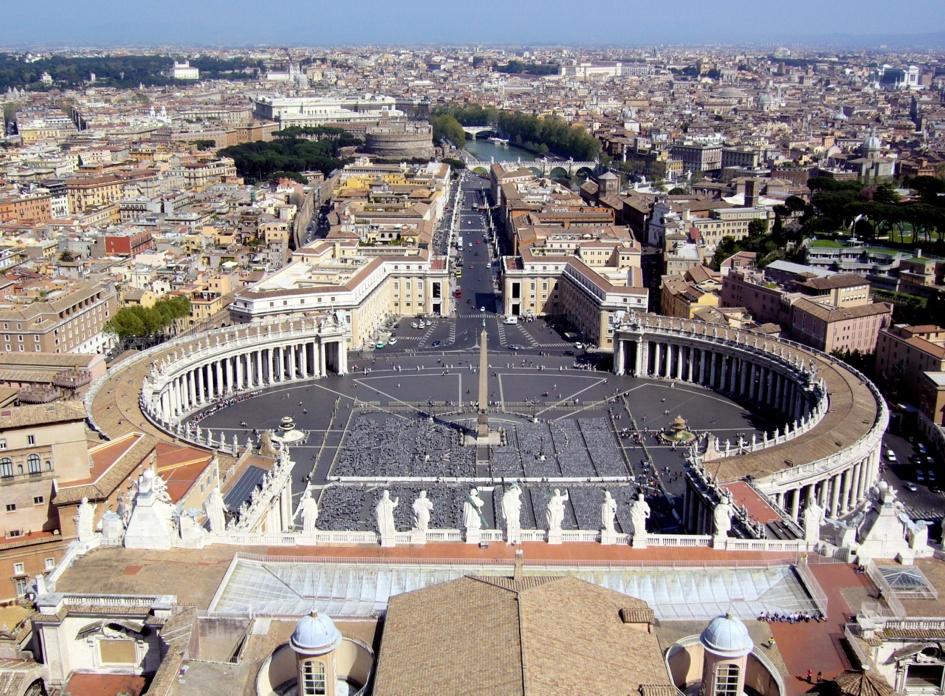
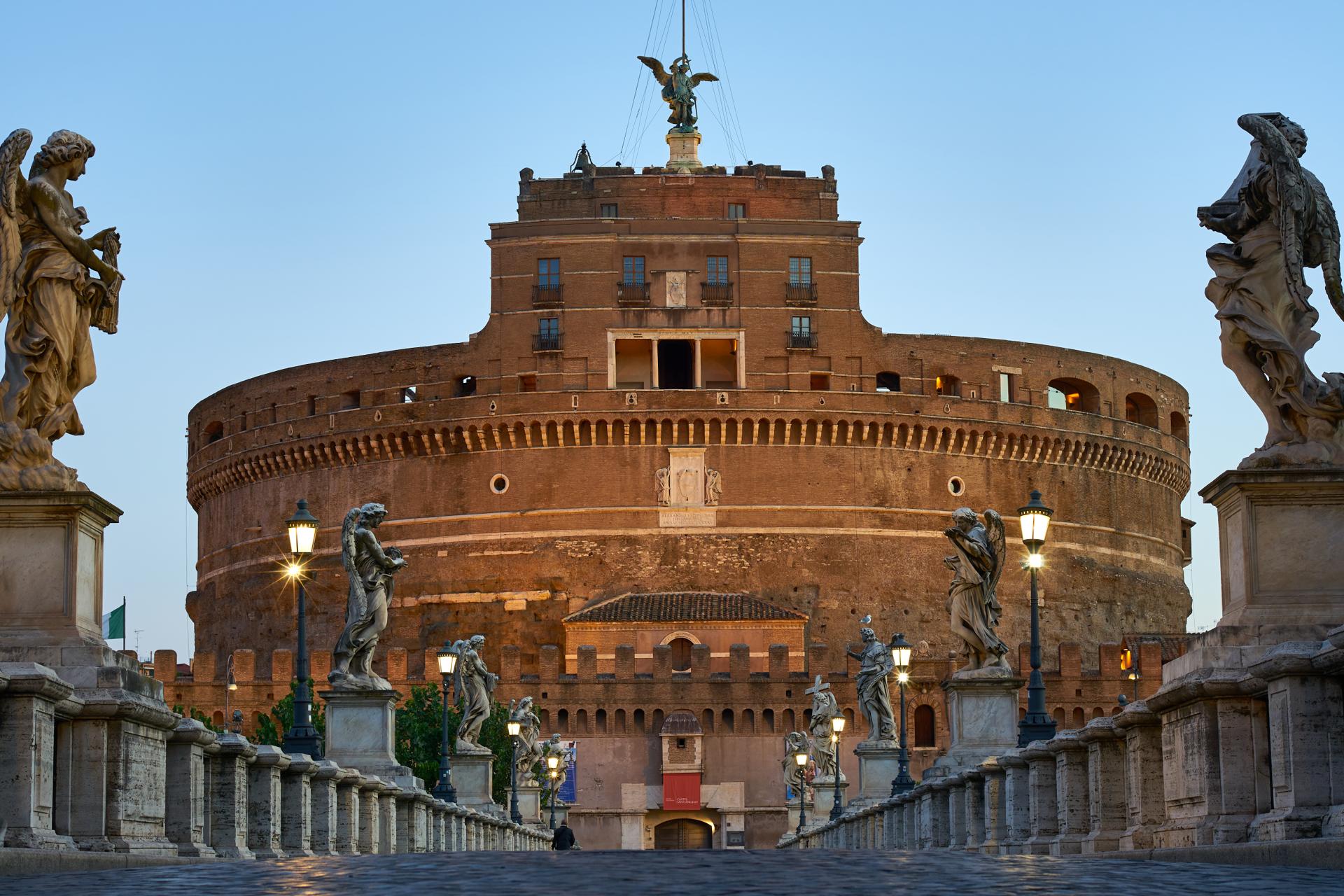
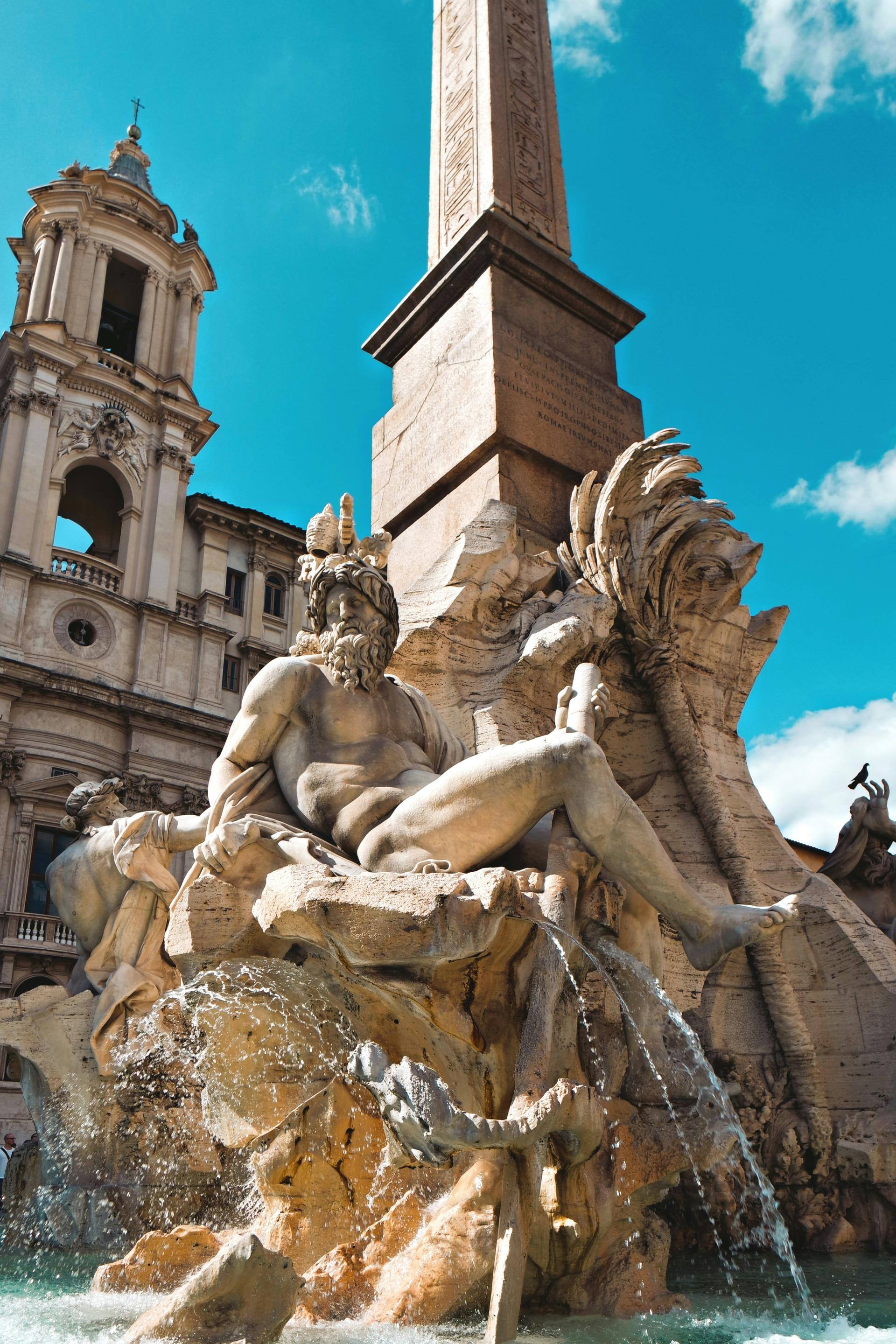
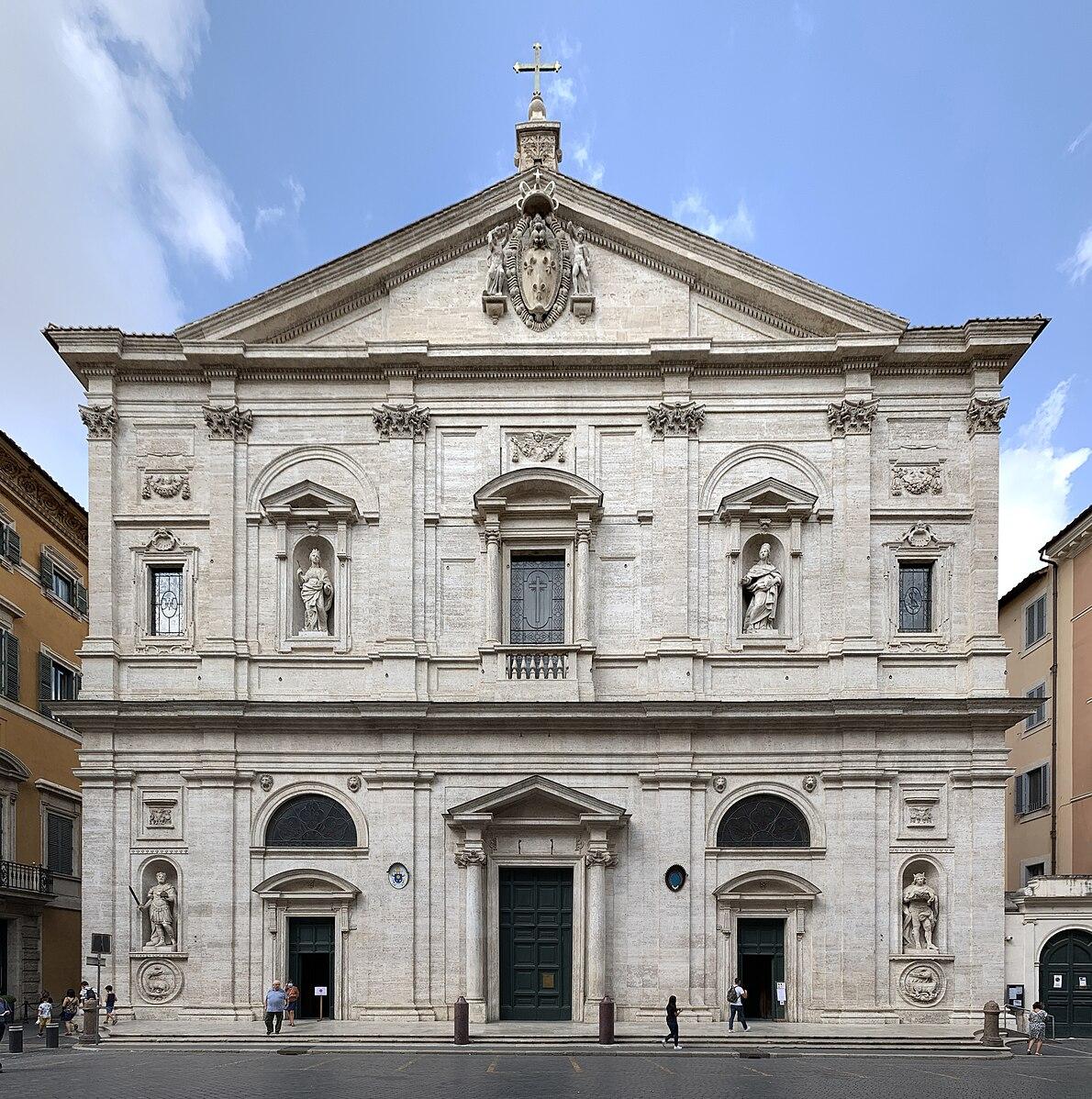
Rome and Power - From the throne of St. Peter's to the shadow of the Colosseum
3 hours10 stopsAudio guideStart any day, at your own paceTicket on your phone · 30-day refundEngineering Feats and the Wrought-Iron Scars
Constructed at the eastern terminal of the Roman Forum between the Palatine, Caelian, and Esquiline Hills, the amphitheatre represents an extraordinary feat of Roman engineering. Builders assembled the structure using more than 100,000 cubic metres of travertine limestone alongside tuff, brick, and Roman concrete. The exterior travertine blocks were set dry without mortar. Instead, an estimated 300 tonnes of wrought-iron clamps originally held the massive stone joints together.
Spectators in antiquity were shielded from the Mediterranean sun by the velarium, a massive fabric awning rigged and operated by imperial sailors. This canopy was supported by 240 stone corbels positioned near the top exterior cornice.
A look at the honey-coloured travertine facade today reveals thousands of gouged cavities along the stone joints. Rather than weathering or weapon damage, these scars are the result of medieval metal scavengers. Facing acute iron shortages after the fall of the empire, locals systematically chiseled into the stone seams to extract and smelt the valuable iron clamps for tools and weapons.
Medieval Repurposing and Earthquake Damage
Over the centuries, the amphitheatre underwent substantial physical disruption. Severe earthquakes during the Middle Ages triggered major collapses along the southern outer wall. Rather than rebuilding the lost sections, inhabitants treated the collapsed perimeter as an open stone quarry. The fallen travertine and masonry were carried away as building materials (spolia) to construct local churches, bridges, and palaces throughout Rome.
Modern Preservation and Public Access
Today, the Colosseum forms an anchor of Rome's monumental core along the Via dei Fori Imperiali, standing alongside the Arch of Constantine and connecting directly to the Roman Forum.
Designated as a UNESCO World Heritage site, the monument functions as an open-air state museum managed by the Parco archeologico del Colosseo. Ticketed access permits entry to the ancient seating tiers, the arena floor, the attic level, and the restored corridors of the subterranean hypogeum.
FAQ
Why does the exterior of the Colosseum have thousands of holes?
The cavities visible along the exterior facade were caused by medieval scavengers who chipped into the mortarless travertine joints to extract roughly 300 tonnes of structural wrought-iron clamps during local metal shortages.
How did the Colosseum get its name?
Originally called the Flavian Amphitheatre, it acquired the name Colosseum from the Colossus of Nero, an adjacent bronze statue nearly 100 feet tall.
What stood on the site before the Colosseum was built?
The amphitheatre was erected over the drained artificial lake of Emperor Nero's private estate, the Domus Aurea, returning imperial grounds to the public.