Jose Peon Contreras Theater: History & Architecture
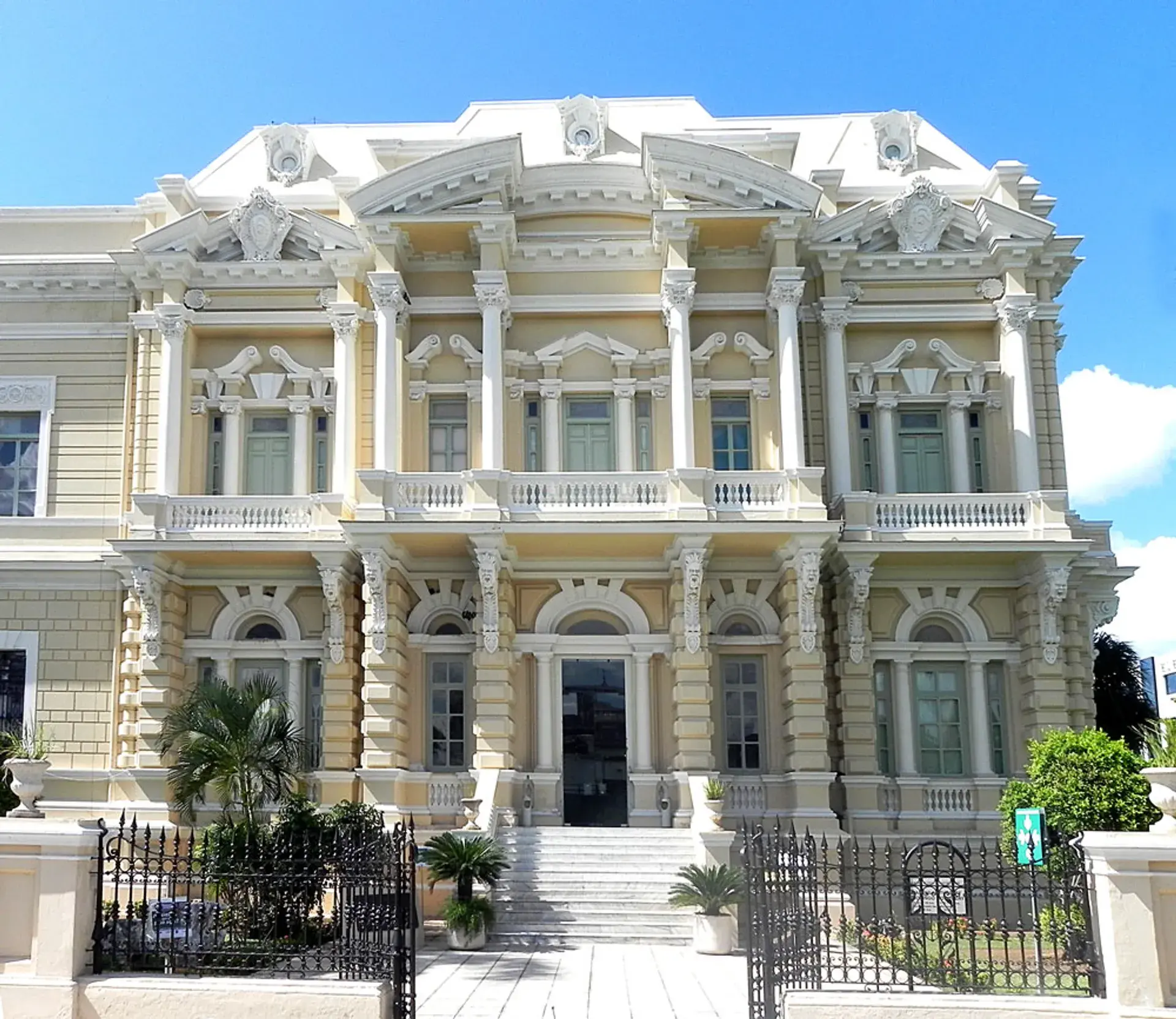
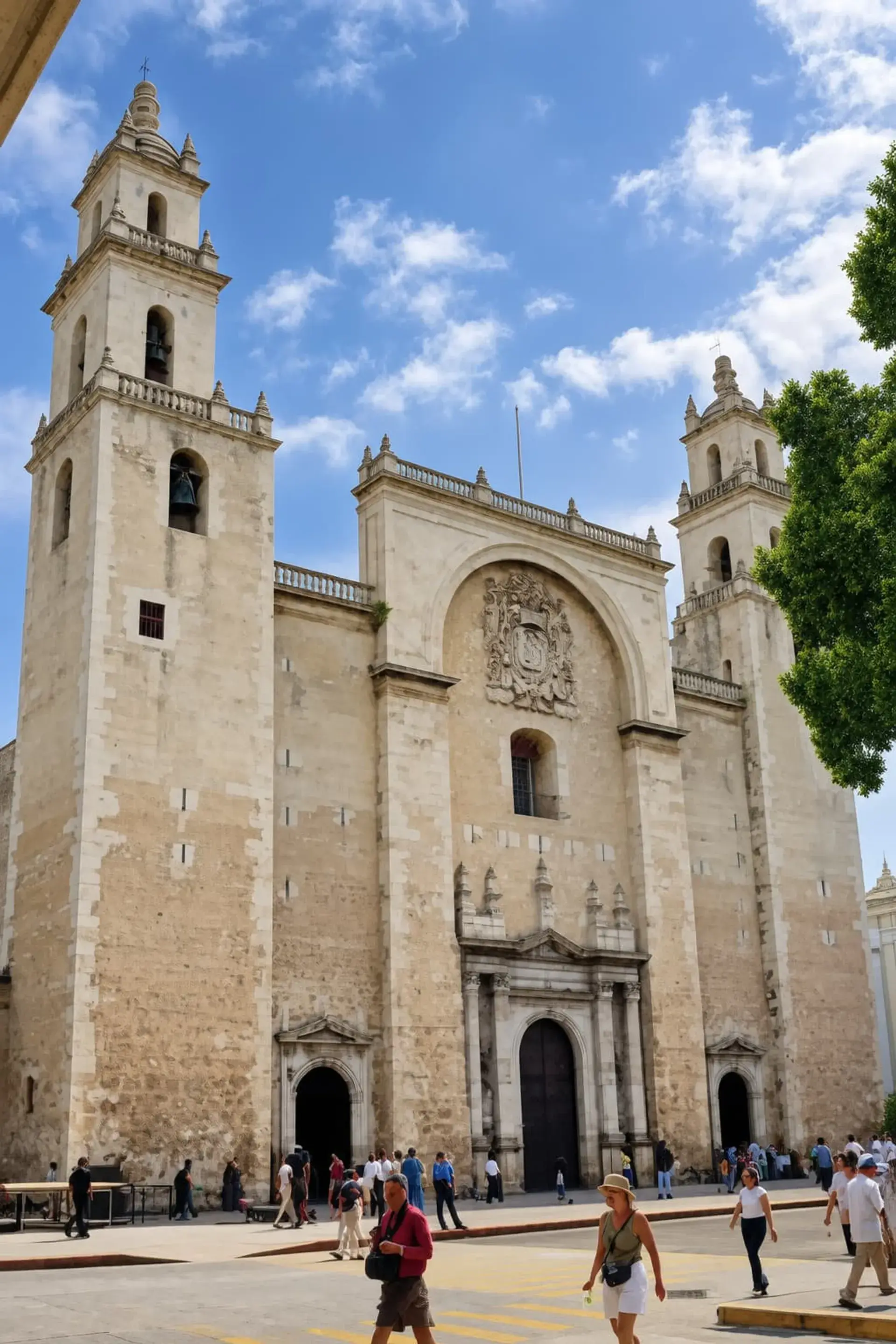
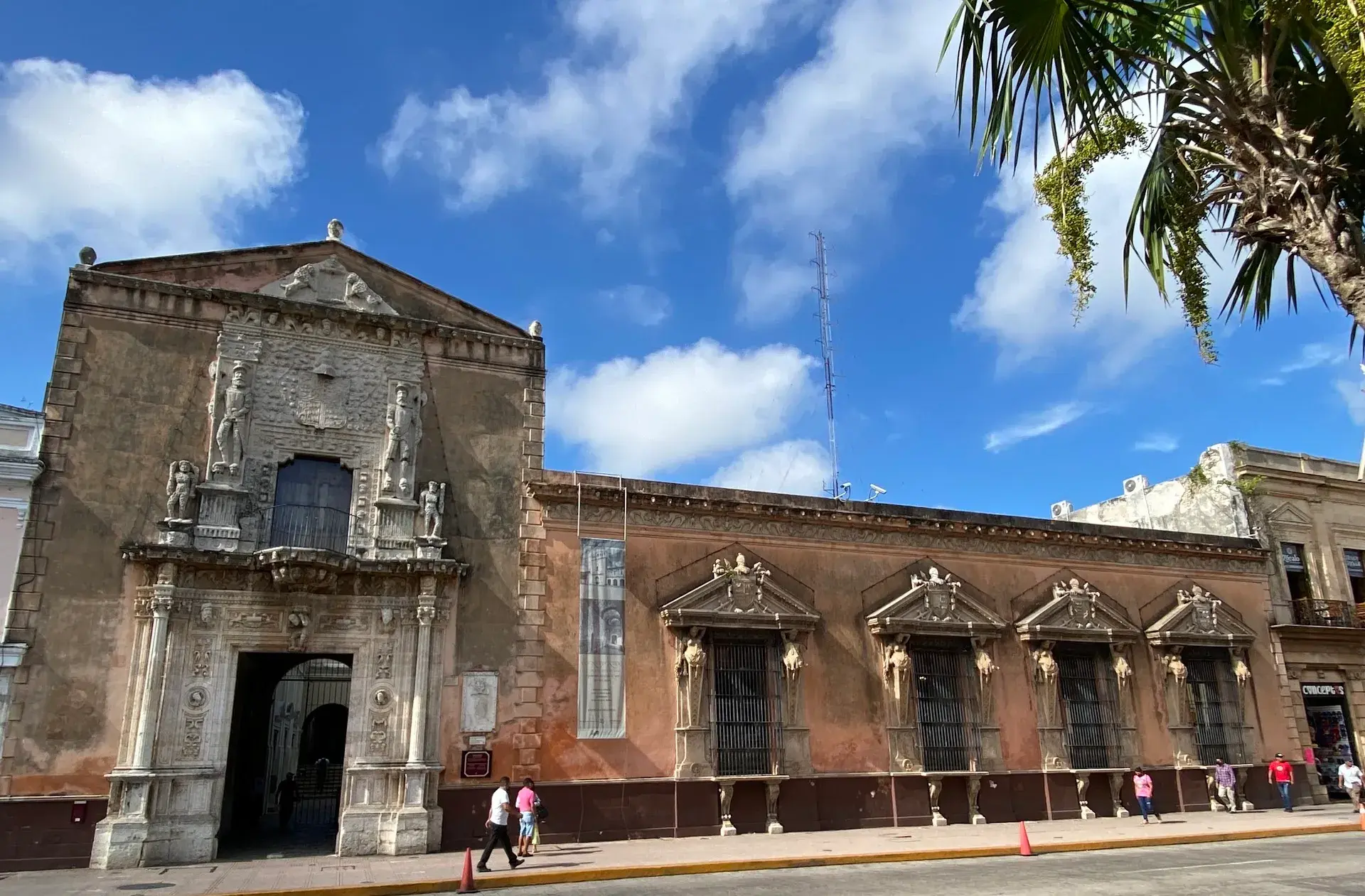
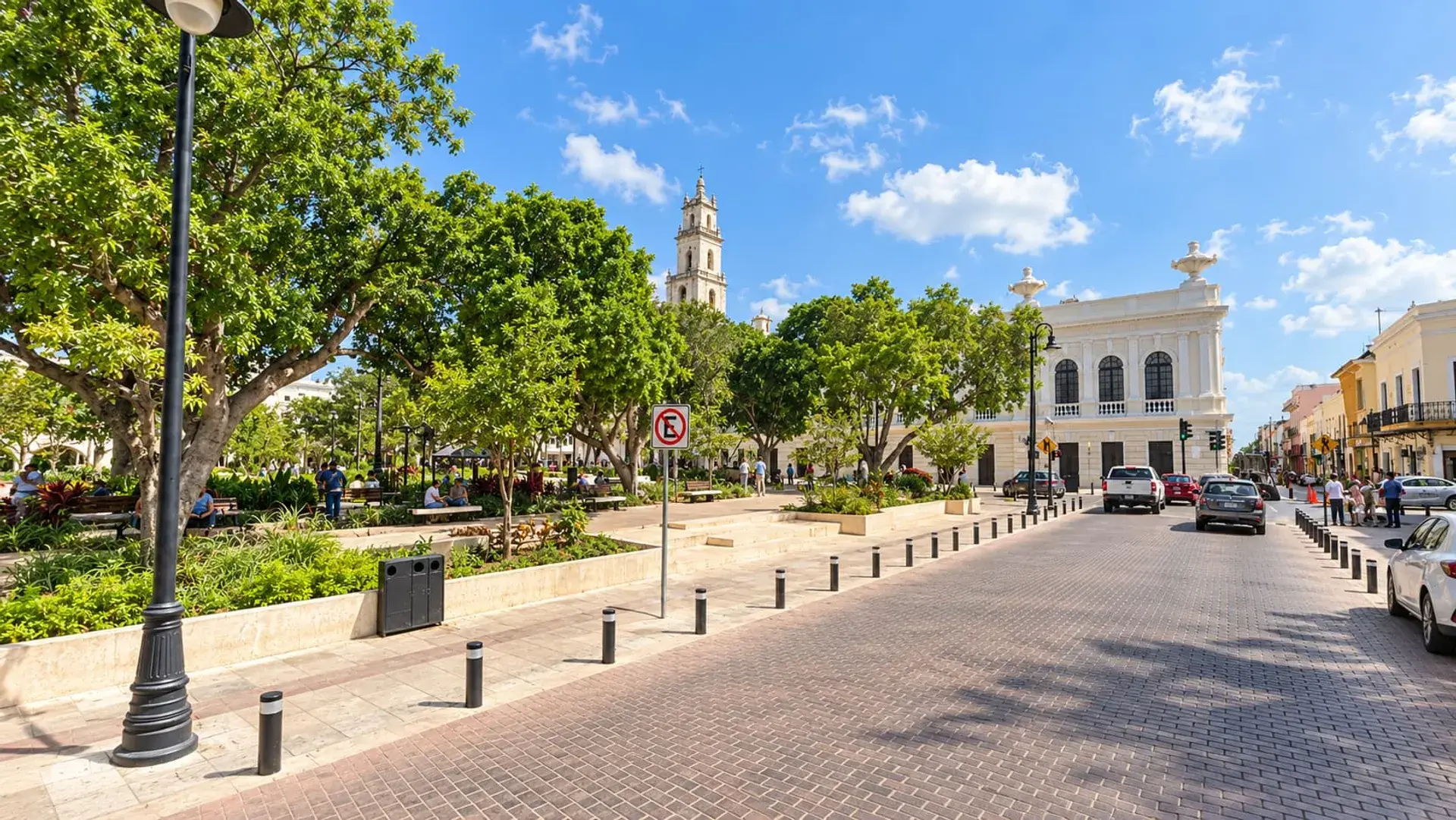
Mérida's Teatro José Peón Contreras is a Belle Époque opera house that hosted Mexico's first feminist congress before surviving a mid-century stint as a gas station. Situated along Calle 60 in the city's historic center, the grand structure provides a stark Porfirian-era contrast to the austere 16th-century Spanish colonial masonry found in the nearby Plaza Grande.
A Product of the Henequen Boom
Performance spaces have occupied this exact corner since at least 1806, previously housing the Teatro San Carlos. The current grand theater was constructed during Yucatán's sisal (henequen) boom by local elites who sought to rival the great opera houses of Europe.
The building officially opened on December 21, 1908. It was named in honor of José Peón Contreras, a celebrated Mérida-born physician, poet, playwright, and politician. Interestingly, Peón Contreras died in 1907, just one year before the grand opera house bearing his name opened to the public.
European Architecture and Artistic Details
Designed by Italian architects Pío Piacentini and Enrico Deserti, with façade details executed by Fernando Ceicola, the theater features a blend of French Neoclassical and Italian Renaissance influences. Unlike many grand European theaters set behind sweeping plazas, the ornate stone façade and its towering monumental arches stand flush against the narrow sidewalk of Calle 60.
Inside, the space is defined by warm golden lighting reflecting off sweeping white Carrara marble stairs. The multi-tiered auditorium, designed to seat between 800 and 1,000 spectators, features plush red velvet seating, gilded architectural trim, Corinthian columns, and an iridescent cut-glass central chandelier. Towering above the auditorium is the dome fresco Las Musas, depicting Apollo and the nine muses, painted by Italian artist Nicolás Allegretti in 1907.
Cultural Milestones and Repurposing
The theater has served as the backdrop for major historical moments. In January 1916, it hosted the Primer Congreso Feminista de Yucatán, Mexico's first feminist congress and a landmark event for women's suffrage, education, and civil rights in Latin America.
Despite its early prominence, mid-20th-century economic shifts led to a period of severe decline for the property. Parts of the historic building were repurposed into a commercial cinema and office space, and the site even briefly functioned as a gas station. In the early 1980s, a comprehensive rescue and restoration project brought the building back to life, allowing it to reopen as the state's main cultural venue and the official home of the Yucatán Symphony Orchestra in 1984.
The 2022 Fire and Restoration
On November 1, 2022, an electrical short circuit in a third-floor audio booth sparked a major fire inside the theater. The blaze severely damaged Allegretti's 1907 Las Musas fresco. The destruction of the dome sparked a debate among cultural authorities over whether to repaint an exact replica of the original Italian artwork or to introduce modern Yucatecan motifs.
The theater is currently undergoing extensive structural and artistic restoration coordinated by the National Institute of Anthropology and History (INAH) and the State Culture Secretariat (SEDECULTA). While a full reopening is projected between late 2026 and 2027, the Yucatán Symphony Orchestra has temporarily relocated to alternative venues, primarily the nearby Palacio de la Música. During the closure of the main auditorium, some ground-floor exhibition galleries have occasionally offered partial public access.
FAQ
Who is the Jose Peon Contreras Theater named after?
The theater is named after José Peón Contreras, a celebrated Mérida-born physician, poet, playwright, and politician. He died in 1907, one year before the building officially opened.
When will the Jose Peon Contreras Theater reopen?
Following a major fire in November 2022, the theater is undergoing extensive restoration. Authorities project a full reopening between late 2026 and 2027.
What was the Primer Congreso Feminista de Yucatán?
Held at the theater in January 1916, the Primer Congreso Feminista de Yucatán was Mexico's first feminist congress. It is considered a landmark event for advancing women's civil rights and suffrage in Latin America.
What happened to the Las Musas fresco in the theater?
The 1907 dome fresco, painted by Italian artist Nicolás Allegretti, was severely damaged during the 2022 fire. Its destruction led to debates on whether to restore it exactly as the original or add modern Yucatecan designs.