Palacio Cantón: Regional Anthropology Museum
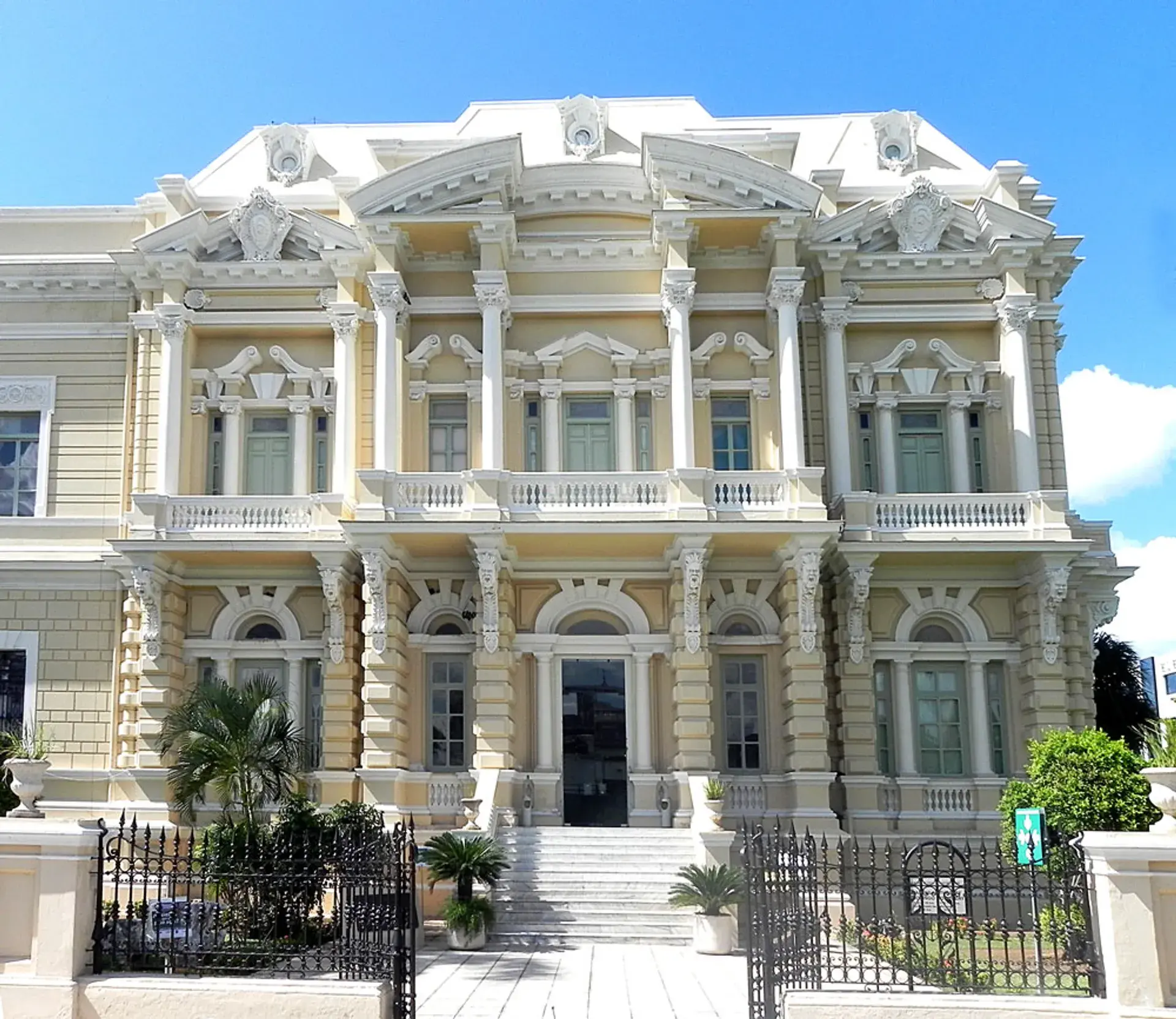
A European palace built on the wealth of 'green gold,' the Museo Regional de Antropología de Yucatán, Palacio Cantón stands as a prime example of early 20th-century extravagance. Located at the corner of Paseo de Montejo and Calle 43 in Mérida, it is the largest and most architecturally intricate Porfirian-era mansion on the avenue. \n\n## The Henequén Boom and Architectural Grandeur\n\nBuilt between 1904 and 1911, the palace was commissioned by General Francisco Cantón Rosado. The construction was funded by the immense wealth generated during the region's henequén agricultural boom and profits from a railway concession. Italian architect Enrico Deserti—who also designed Mérida's Peón Contreras Theatre—and Yucatecan engineer Manuel G. Cantón Ramos designed the Eclectic Beaux-Arts structure. Unlike the city's traditional limestone buildings, Palacio Cantón was built using materials shipped directly from Europe, including multiple tones of marble and specialized cements. \n\n## Inside the Eclectic Beaux-Arts Palace\n\nThe exterior features a pale, multi-story façade with classical columns, balustrades, and expansive pediments. Inside, a sweeping central staircase sculpted entirely from imported European marble anchors the space, complete with smooth marble balusters and handrails. Overhead, high vaulted ceilings display intricate French-style decorative plasterwork and European motifs, reflecting the elite desire to bring European aesthetics to the Yucatán peninsula. \n\n## From Private Residence to Civic Center\n\nDespite commissioning one of the grandest personal residences in the region, General Cantón lived in the completed palace for only six years before his passing in 1917. In 1932, his family transferred ownership to the state. Before transitioning into an anthropology museum, the building served several civic roles. It functioned as a primary school, a school of fine arts, and even the official residence for Yucatán's state governors from 1948 into the late 1950s. \n\n## The Museum Today\n\nIn 1959, the palace began housing archaeological collections, an arrangement formalized by the National Institute of Anthropology and History (INAH) in 1966. Following the 2012 opening of the Gran Museo del Mundo Maya, which absorbed much of the permanent archaeological archive, Palacio Cantón shifted its focus. Today, the museum operates from Tuesday through Sunday, hosting dynamic, rotating temporary exhibitions that highlight Maya archaeology, regional history, and photography.
FAQ
When was Palacio Cantón built?
Palacio Cantón was built between 1904 and 1911 during the Porfiriato era, funded by wealth from the henequén economic boom.
Who designed Palacio Cantón?
The building was designed by Italian architect Enrico Deserti, who also designed Mérida's Peón Contreras Theatre, and built by Yucatecan engineer Manuel G. Cantón Ramos.
What are the opening days for the Museo Regional de Antropología?
The Museo Regional de Antropología, Palacio Cantón is open to visitors from Tuesday through Sunday.
What kind of exhibitions are at Palacio Cantón?
Following the opening of the Gran Museo del Mundo Maya in 2012, Palacio Cantón now focuses on dynamic, rotating temporary exhibitions covering Maya archaeology, regional history, and photography.