Plaza Grande, Mérida: History & Architecture
Plaza Grande sits at the exact center of Mérida's Cartesian street grid, where a leveled Maya city once provided the stones used to build the surrounding colonial capital. Officially named Plaza de la Independencia, this square acts as the geographic, historical, and civic anchor of the city, with street numbering radiating outward from its center.
A Foundation Built on Ancient T'hó
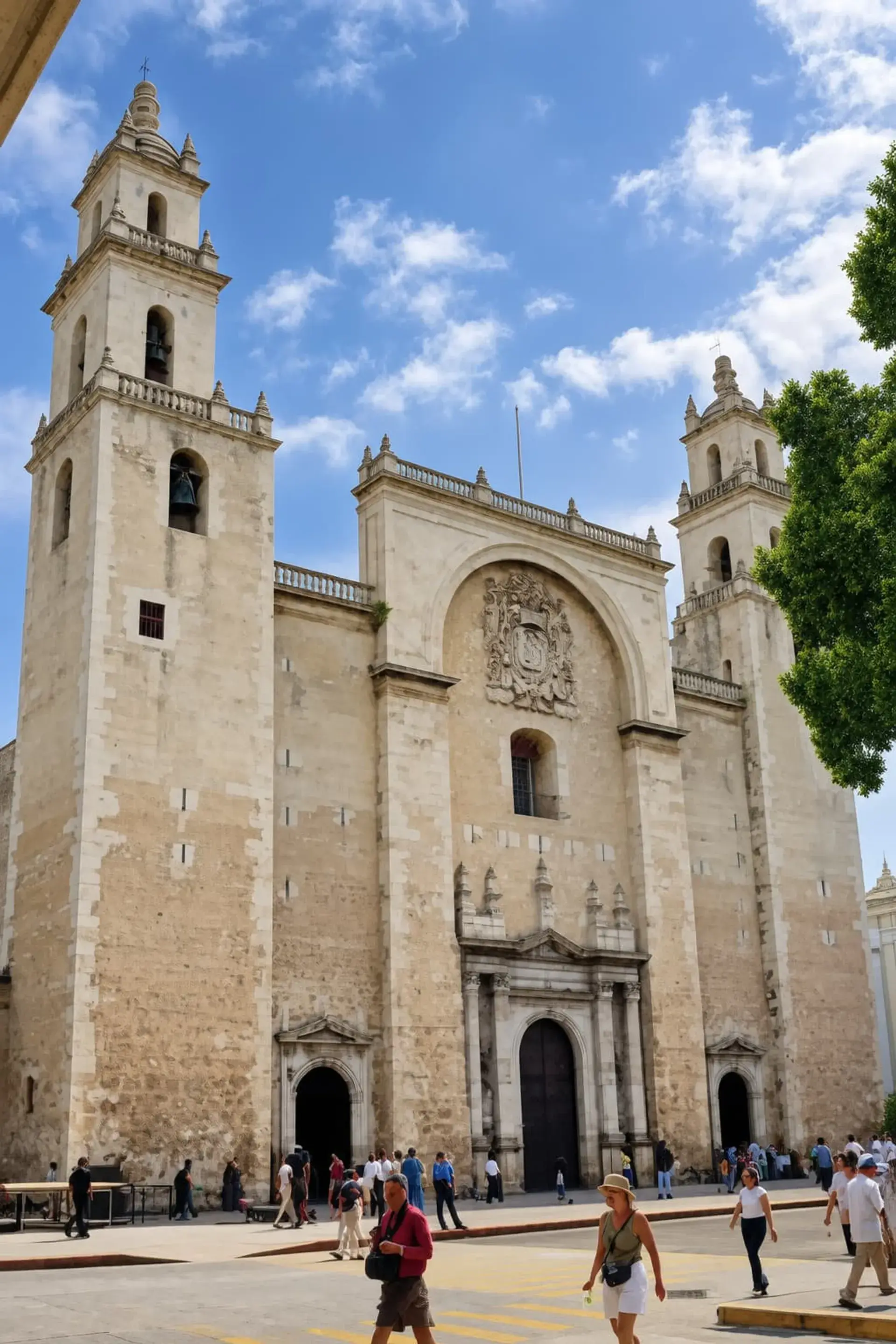
Established in January 1542 by Francisco de Montejo 'El Mozo', the plaza was built directly atop the ancient Maya settlement of T'hó. The central Maya mound, known as Bakluumchan, was dismantled to provide construction materials for the new settlement. Carved limestone blocks from this leveled mound were incorporated directly into the foundations and walls of the surrounding colonial structures, including the cathedral. A Maya ruin structure remained standing on the west side of the plaza until the 18th century.
Historical Significance and Civic Theater
Throughout its history, Plaza Grande served various public roles. It functioned as a military parade ground, a site for royal proclamations, and a venue for public executions. Most notably, the plaza was the site of the execution of Maya resistance leader Jacinto Canek following his 1761 rebellion. During the Mexican Revolution in November 1915, it became the focal point of anti-clerical demonstrations, with protesters storming the adjacent cathedral.
The Four Institutional Anchors
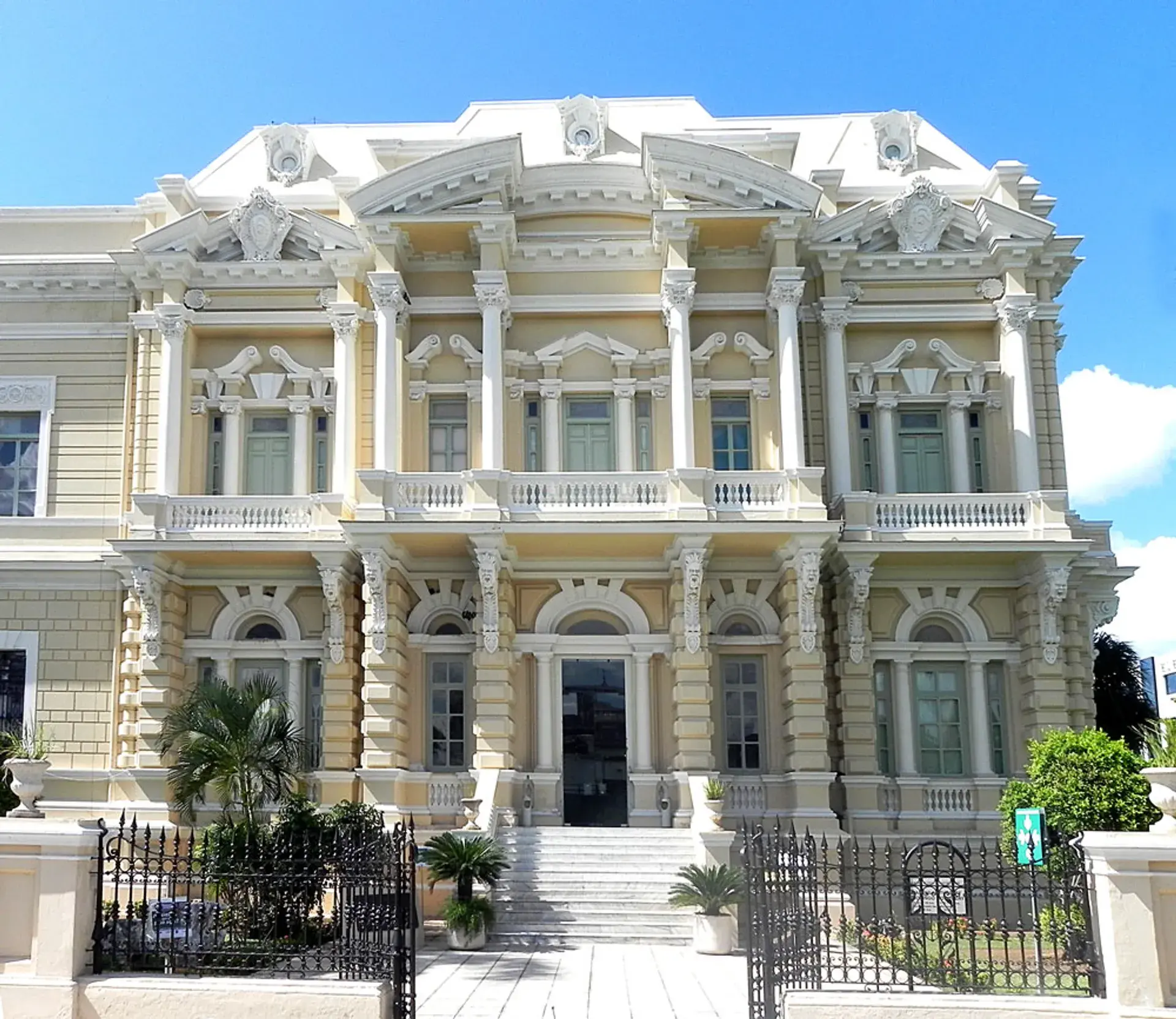
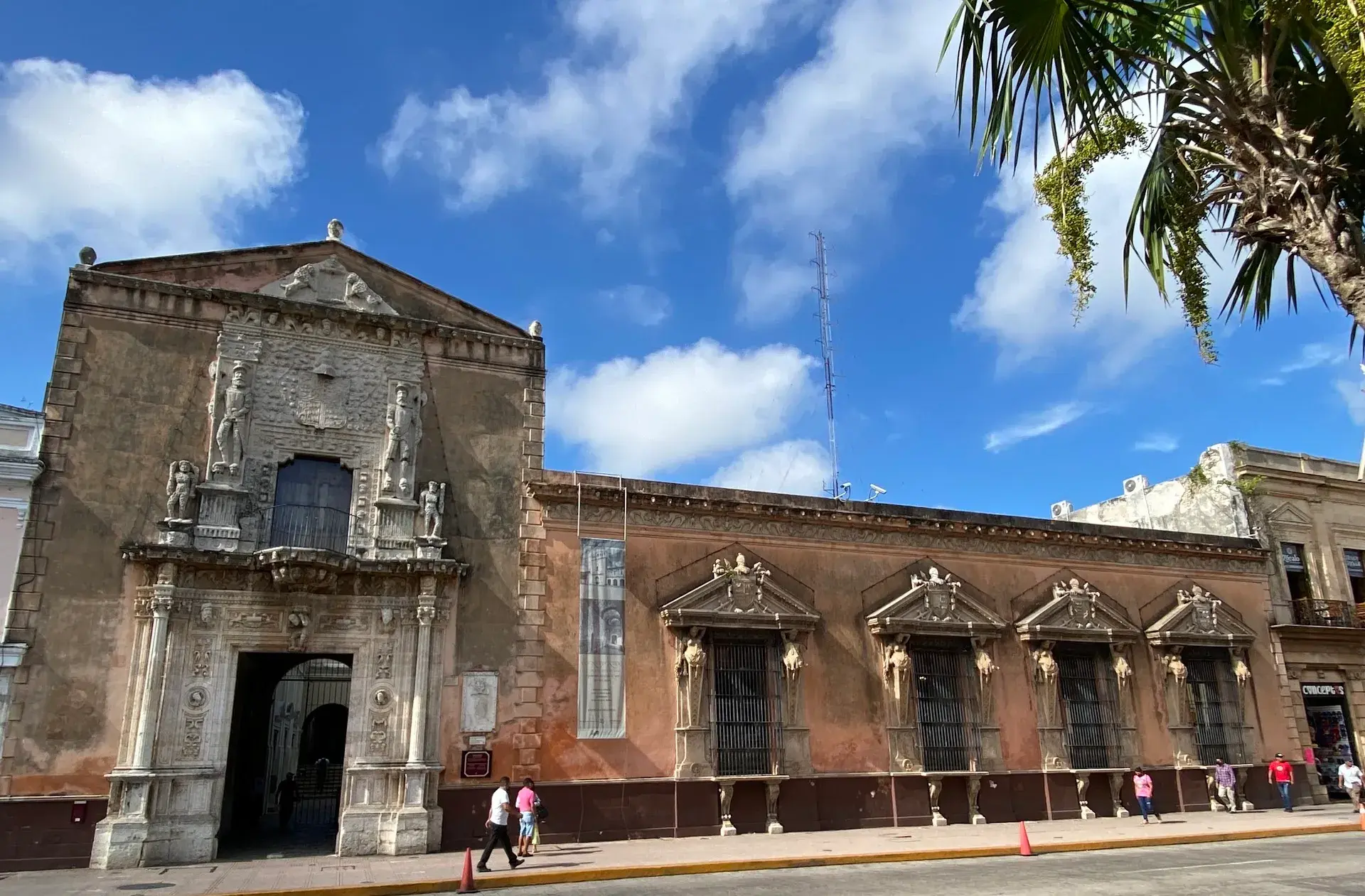
The square is bounded by Calles 60, 61, 62, and 63, with distinct civic and spiritual institutions anchoring each cardinal direction. To the east stands the Catedral de San Ildefonso, one of the oldest continental cathedrals in the Americas. The Palacio de Gobierno, the seat of state executive power, sits to the north. The southern edge features the Museo Casa de Montejo, a preserved 16th-century plateresque residence of the founding family. Finally, the Palacio Municipal, recognized by its clock tower and arcaded corridors, is located to the west.
The Legend of the Sillas Confidentes
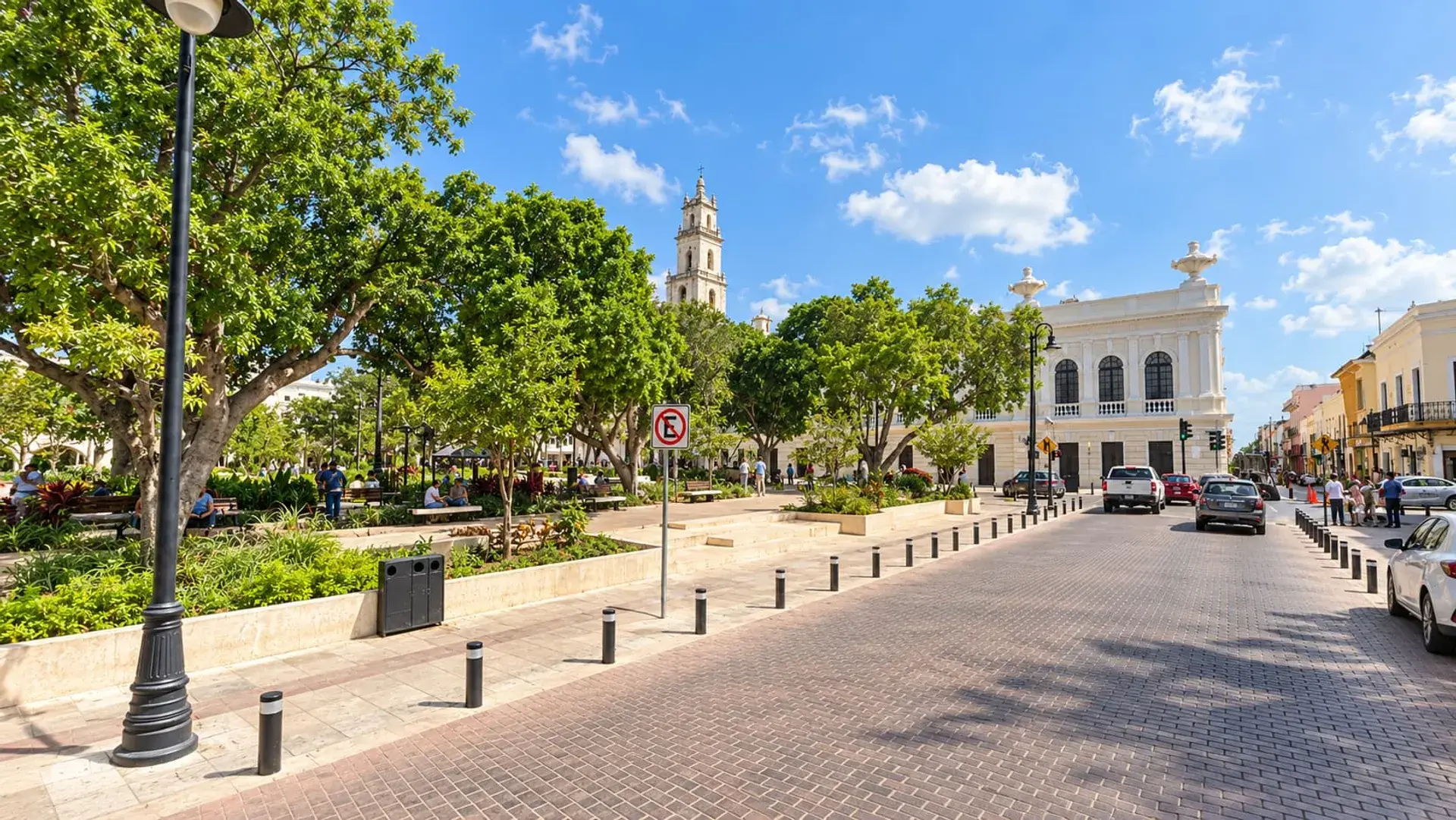
The broad, tree-shaded gardens of Plaza Grande are dotted with iconic whitewashed double concrete seats. Known as 'Sillas Confidentes' or 'Tú y Yo' benches, these interlocking, S-shaped chairs position two sitters face-to-face while separated by an armrest. Introduced to public parks around 1915 under Governor Salvador Alvarado, the chairs derive from French Second Empire indoor parlor designs. Local legend claims a jealous Yucatecan father invented the seating to allow a suitor to court his daughter in public, ensuring intimate eye contact without physical proximity.
A Vibrant Modern Hub
Following a 2024 modernization and pedestrian repaving, Plaza Grande remains the primary open-air forum for local residents and visitors. Dense shade provided by Indian laurel trees offers respite from the intense Yucatecan heat. The regular soundscape features tolling bells from San Ildefonso, roving trova yucateca guitarists, and the clicking of shoe-shiners' wooden boxes under the porticos. The plaza frequently hosts street vendors, traditional live music, folk dance presentations like vaquerías, and weekly markets such as Mérida en Domingo.
FAQ
What buildings surround Plaza Grande in Mérida?
Plaza Grande is anchored by four major institutions: Catedral de San Ildefonso to the east, Palacio de Gobierno to the north, Museo Casa de Montejo to the south, and Palacio Municipal to the west.
Why are the benches in Plaza Grande S-shaped?
The S-shaped concrete benches, known as 'Sillas Confidentes' or 'Tú y Yo' benches, derive from French Second Empire parlor designs. According to local legend, a jealous father invented them so a suitor could court his daughter face-to-face without physical contact.
What was located at Plaza Grande before the colonial era?
Before the colonial era, the area was the ancient Maya settlement of T'hó. A central Maya mound called Bakluumchan was leveled to provide the limestone blocks used in the foundations of the surrounding colonial structures.