Getsemani: Cartagena's Colorful and Historic Heart
Adjacent to Cartagena's famous Walled City lies Getsemaní, a neighborhood that pulses with a bohemian spirit. Once an outlying district for artisans and freed slaves, it has transformed into a global hotspot celebrated for its vibrant street art, colorful colonial buildings, and an authentic cultural energy that tells a story of resilience and revolution.
A Strategically Fortified Outpost
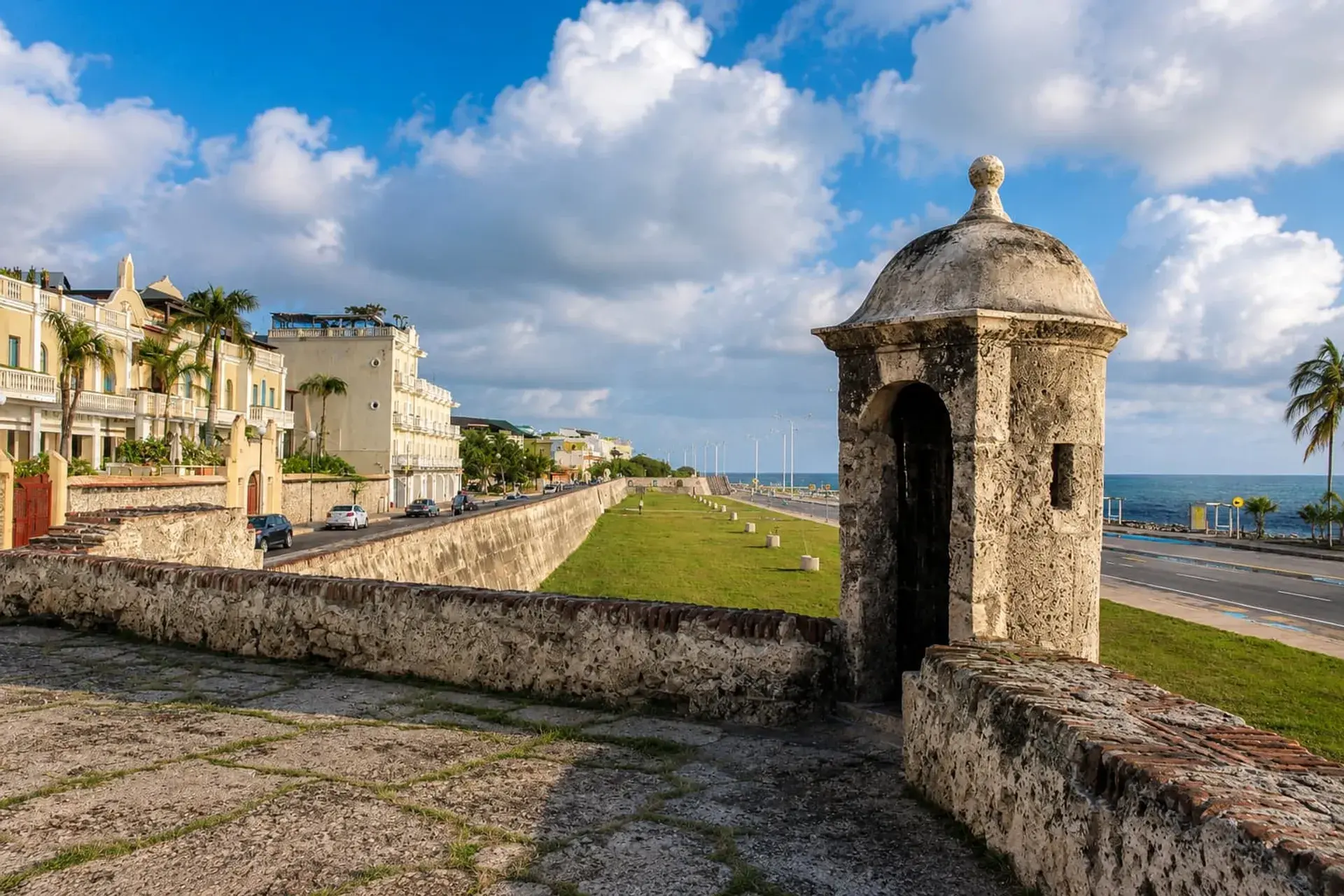
Getsemaní’s history began as an 'arrabal,' or suburb, outside Cartagena's main perimeter, with settlements appearing around 1600. Its strategic importance was quickly recognized. Based on a master fortification plan designed by Italian engineer Bautista Antonelli in 1595, Governor Francisco de Murga initiated the enclosure of Getsemaní with protective walls starting in 1631.
Surprisingly, this working-class quarter was fully fortified before the main urban core of Cartagena was completely protected. This made Getsemaní the sole land access to the city, a vital defensive position. Further additions to the fortifications were made in the 18th century by engineer Antonio de Arévalo. The original overland entrance, the Puerta de la Media Luna (Half Moon Gate), was unfortunately destroyed in the early 20th century.
The Cradle of Independence
The residents of Getsemaní played a pivotal role in Cartagena's Declaration of Independence from Spain. The neighborhood, populated by artisans, dockworkers, and free Afro-descendants, became a hotbed for revolutionary sentiment. On November 11, 1811, the community took decisive action.
Led by Pedro Romero, a pardo blacksmith and the city's first non-white military officer, the 'Lanceros de Getsemaní' armed themselves. They seized cannons from defensive bastions and took military control of the neighborhood, pressuring the governing council to declare absolute independence. In a powerful symbolic act, they turned the cannons away from the sea to face the city's interior, demonstrating their resolve.
From Working-Class Roots to Bohemian Hub
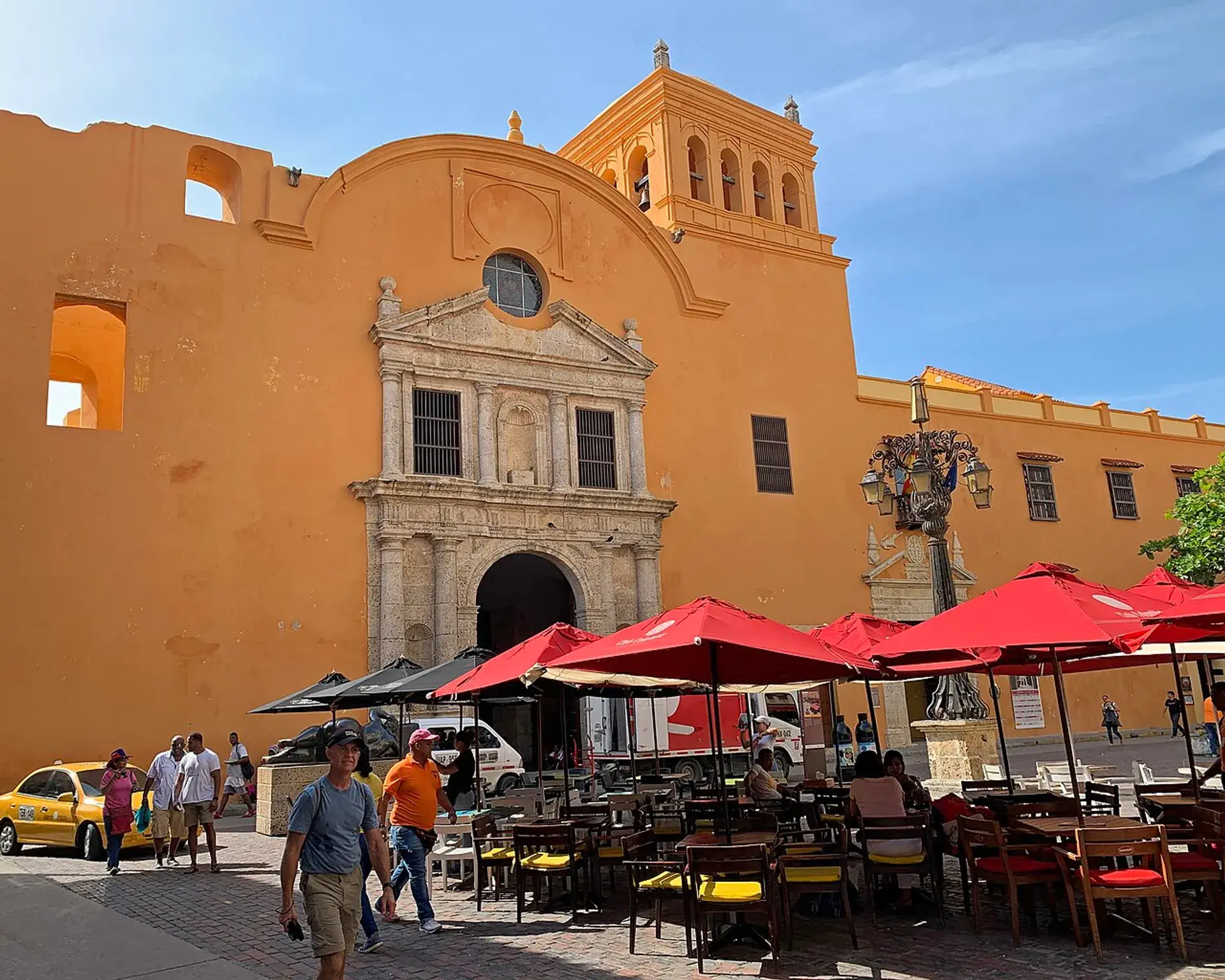
Today, Getsemaní has evolved from its working-class origins into one of the world's most acclaimed cool neighborhoods. The area is a bustling cultural and nightlife hub, second only to the adjacent Walled City in popularity. Its streets are lined with Spanish Colonial architecture, now housing boutique hotels, hostels, bohemian cafés, restaurants, and nightclubs.
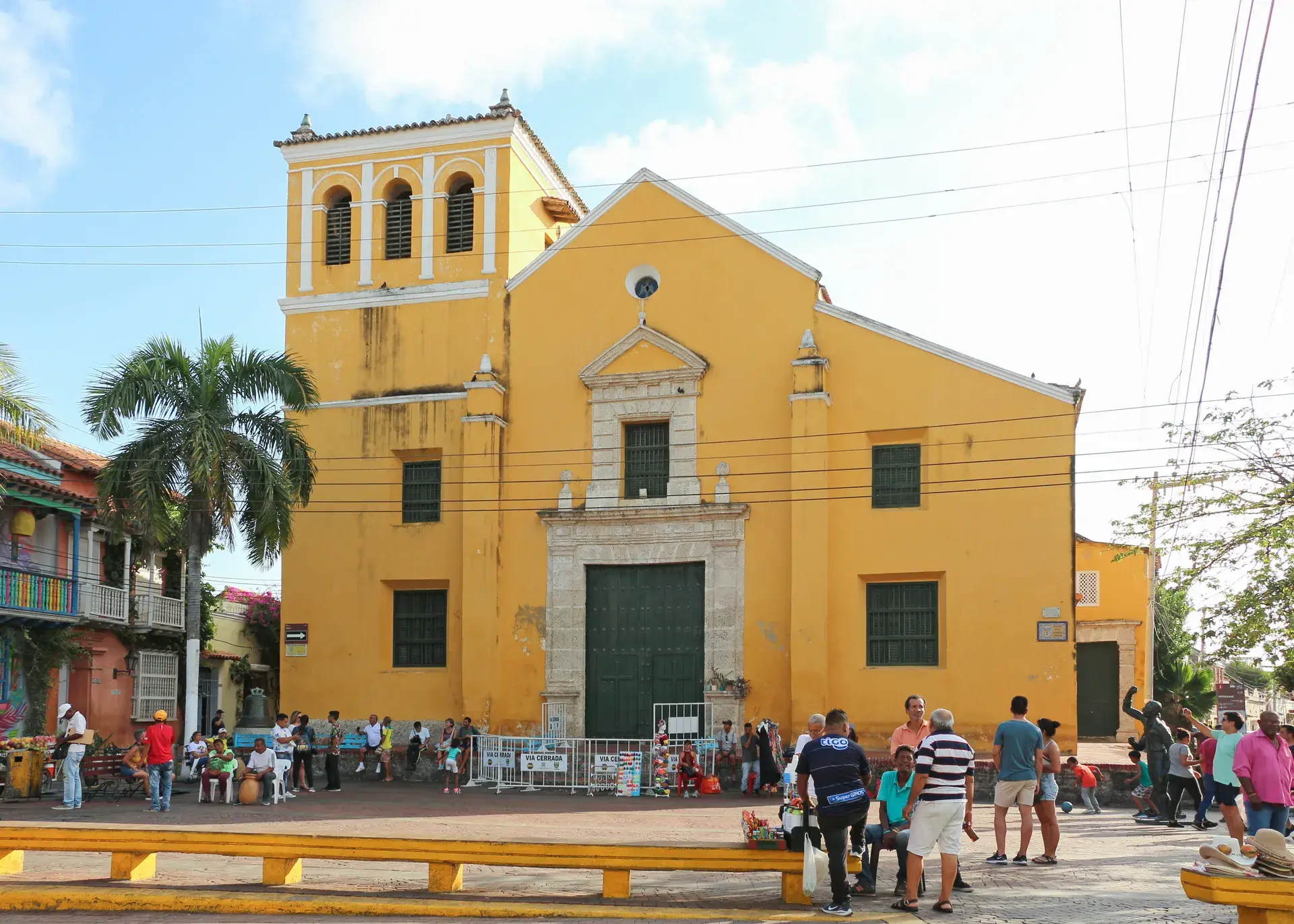
The social heart of the neighborhood is the Plaza de la Trinidad. In the evenings, the square comes alive with locals and tourists enjoying street food, music, and performances. Despite the pressures of gentrification and rising property values, Getsemaní retains a strong sense of local authenticity, with long-term residents still living and interacting amidst the vibrant tourist scene.
FAQ
Why is Getsemani historically important?
Getsemani is historically significant as the cradle of Cartagena's independence movement. On November 11, 1811, its residents, led by Pedro Romero, were crucial in compelling the declaration of absolute independence from Spain. It was also a vital, fortified land entrance to the colonial city.
What is Getsemani like today?
Today, Getsemani is a vibrant cultural hub known for its colorful colonial buildings, extensive street art, and lively atmosphere. It features many boutique hotels, cafes, restaurants, and bars, with the Plaza de la Trinidad serving as its bustling social center.
Who was Pedro Romero?
Pedro Romero was a mixed-race blacksmith and a key leader in Cartagena's independence movement. As Cartagena's first non-white military officer, he led the 'Lanceros de Getsemaní' to demand and secure the city's independence from Spain in 1811.