Las Murallas: Cartagena's Historic City Walls
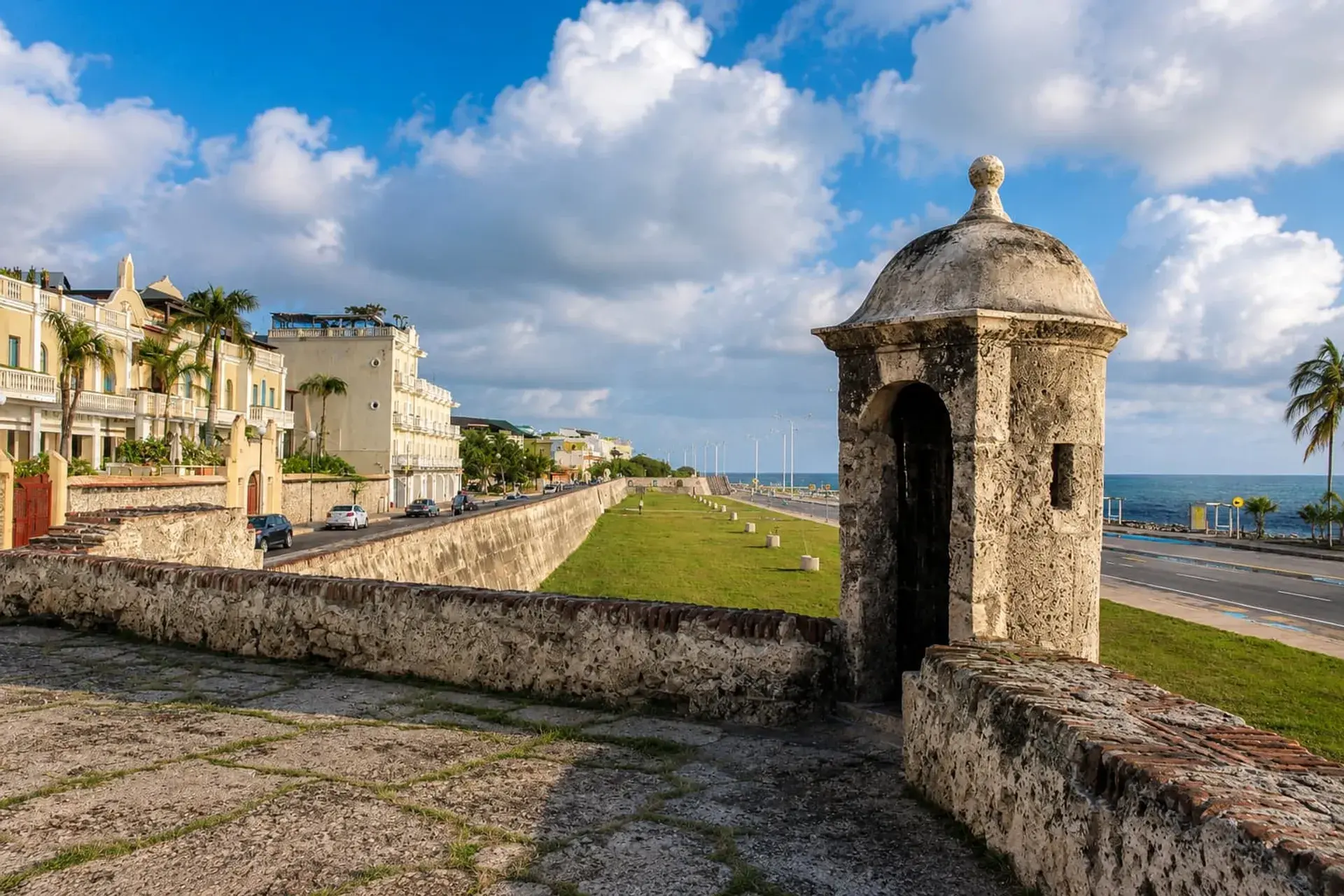
Las Murallas, the magnificent colonial city walls of Cartagena, stand as a powerful symbol of the city's strategic importance and turbulent past. Stretching for 11 kilometers, these fortifications were built to protect the immense wealth of the Spanish Empire from constant threats. Today, they are a UNESCO World Heritage Site and an integral part of the city's landscape.
A Fortress Forged by Pirate Raids
Founded in 1533 by Don Pedro de Heredia, Cartagena quickly became a crucial port for the Spanish, facilitating the trade of gold, silver, and enslaved people. This prosperity made it a prime target for pirates and privateers. Early attacks by French pirates Robert Baal in 1551 and Martín Cote in 1559 revealed the city's vulnerability.
The turning point came in 1586 with the infamous attack by English privateer Sir Francis Drake. His fleet of 25 ships and 2,300 men ransacked the city for a month, destroying parts of the cathedral and extorting a massive ransom. This devastating event spurred the Spanish Crown to invest in a permanent, formidable defense system.
Two Centuries of Monumental Construction
The construction of Las Murallas was a monumental undertaking that spanned nearly two centuries. While designs were proposed in 1595, formal work began around 1614 and was not completed until 1796. A series of prominent military engineers, including Battista Antonelli, Cristóbal de Roda, and Antonio de Arévalo, oversaw the project.
The walls are a masterpiece of colonial military engineering, built from coral stone ('piedra coralina') quarried from the coast. This stone has the unique property of hardening upon exposure to air. The fortifications reach heights of up to 12 meters with bases as wide as 17 meters. The project was not built as a single continuous structure but rather as a series of bastions that were gradually connected over decades, at an astronomical cost of over 20,000,000 Spanish reales.
The Walls in Times of War and Independence
Despite the ongoing construction, the city remained under threat. In 1697, French privateer Baron de Pointis successfully breached the defenses. Later, during the struggles for independence, the walls played a crucial role. In 1815, the city endured a brutal 100-day siege by Spanish forces, during which over 6,000 people died from starvation and disease. This heroic resistance earned Cartagena the title 'La Heroica'.
Las Murallas Today: A Living Landmark
Today, Las Murallas have been transformed from a military defense into a beloved public space. The wide tops of the walls serve as popular walkways, offering panoramic views of the colonial city and the Caribbean Sea, especially at sunset.
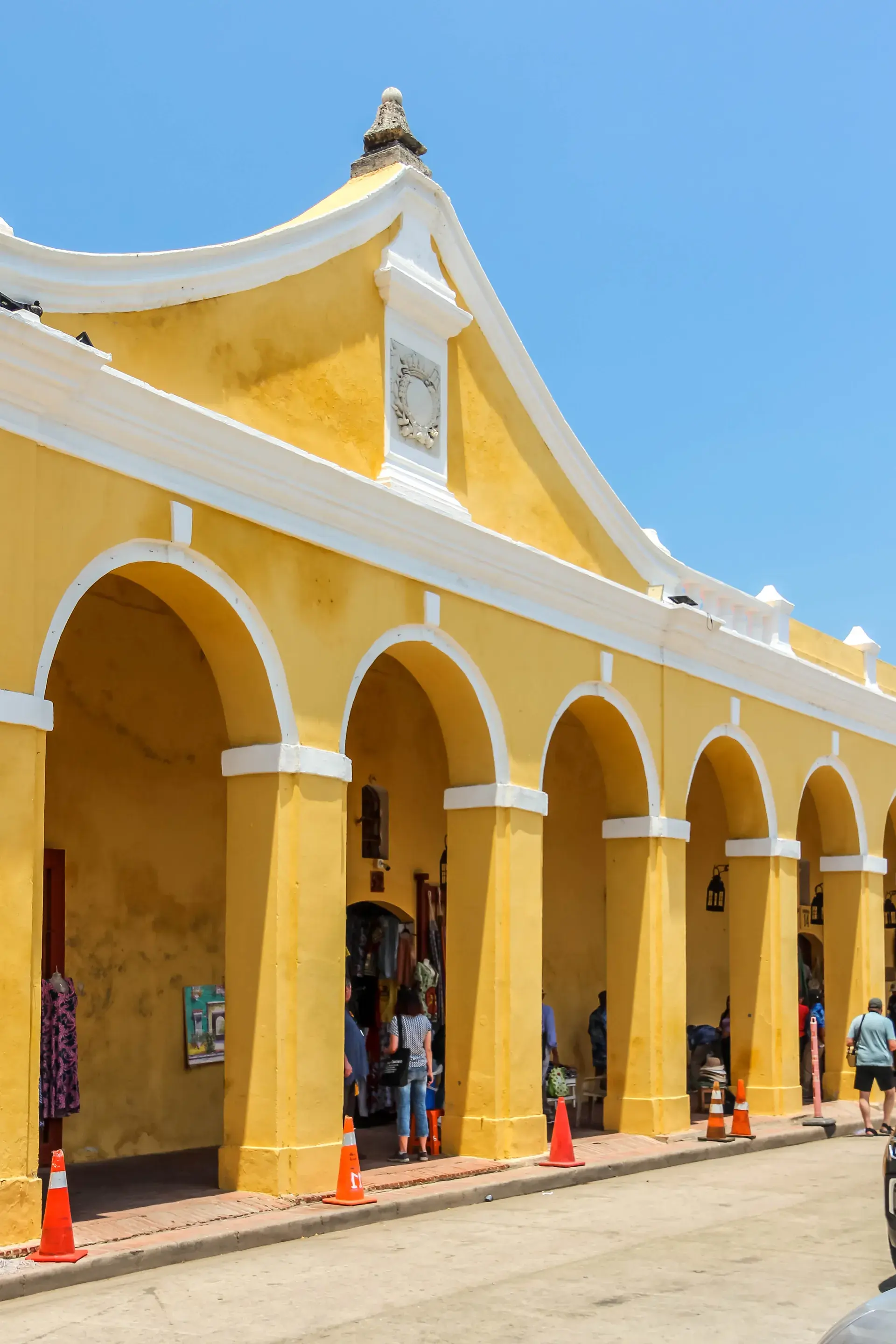
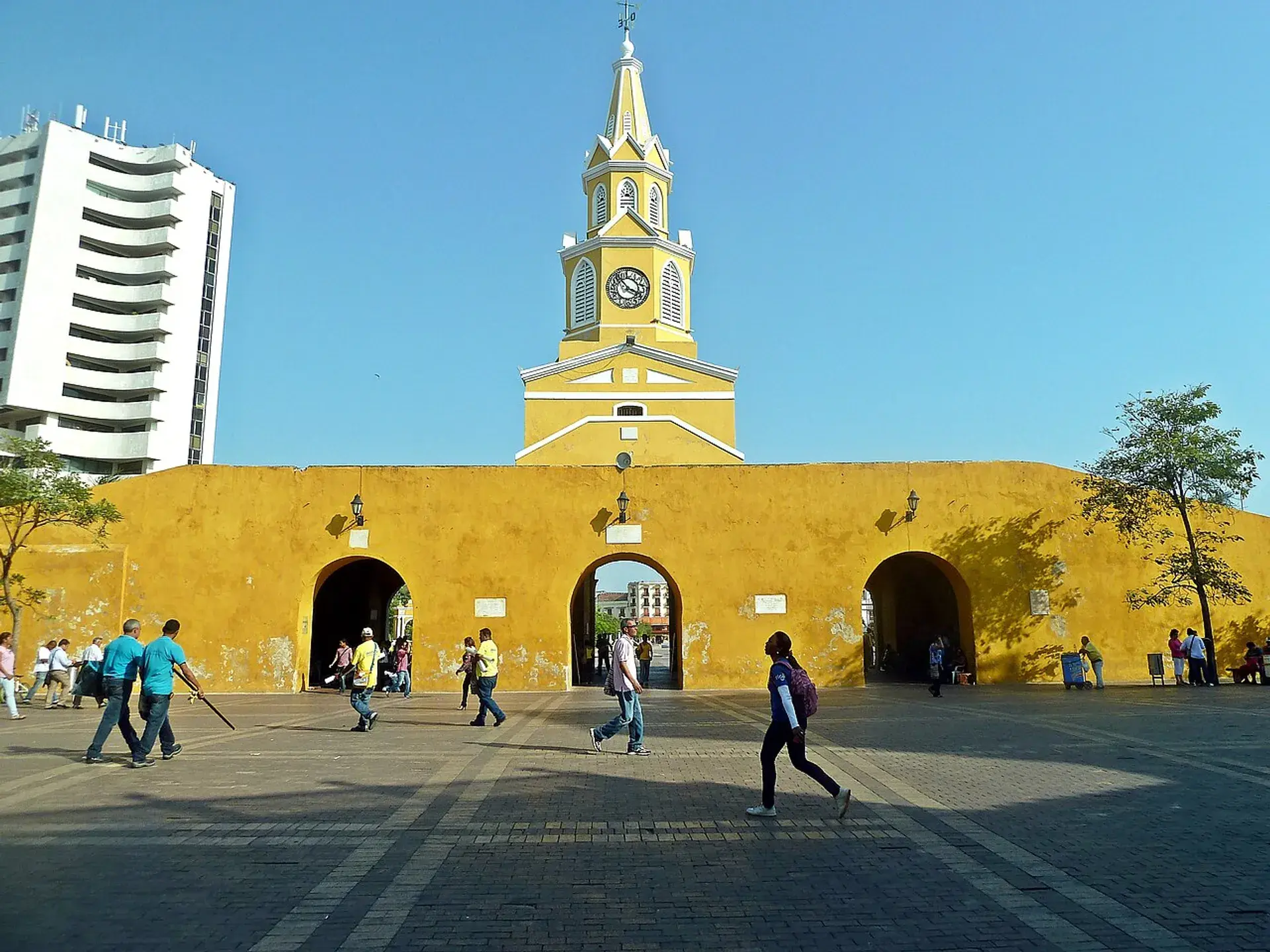
Many of the bastions, or 'Baluartes,' have been repurposed. Baluarte San Francisco Javier is a popular spot for enjoying the sunset, while Las Bovedas, which once served as bomb-proof barracks and a prison, now houses a vibrant souvenir market. The walls encircle a living museum where historic architecture blends with modern shops, restaurants, and plazas.
A Somber Foundation
Beneath the surface of this architectural marvel lies a darker history. Local lore suggests that during the long and arduous construction, which often involved forced labor, workers who died on the job were sometimes incorporated into the structure of the wall itself. This somber legend adds a profound human element to the stones that were built to protect the city.
FAQ
Why were the walls of Cartagena built?
The walls were built to protect the wealthy Spanish port city from constant attacks by pirates and rival European powers. The devastating raid by Sir Francis Drake in 1586 was the primary catalyst for their construction.
How long are the walls of Cartagena?
The fortifications, known as Las Murallas, stretch for approximately 11 kilometers (6.8 miles) around the historic center.
What are the walls made of?
The walls are constructed from coral stone, or 'piedra coralina,' which was quarried from nearby reefs. This material has the unique property of hardening further upon exposure to air and weather.
When did the walls become a UNESCO World Heritage Site?
In 1984, the Port, Fortifications and Group of Monuments of Cartagena, including the extensive city walls, were designated a UNESCO World Heritage Site.
Gallery