Špilberk Castle: History of Brno's Fortress & Prison
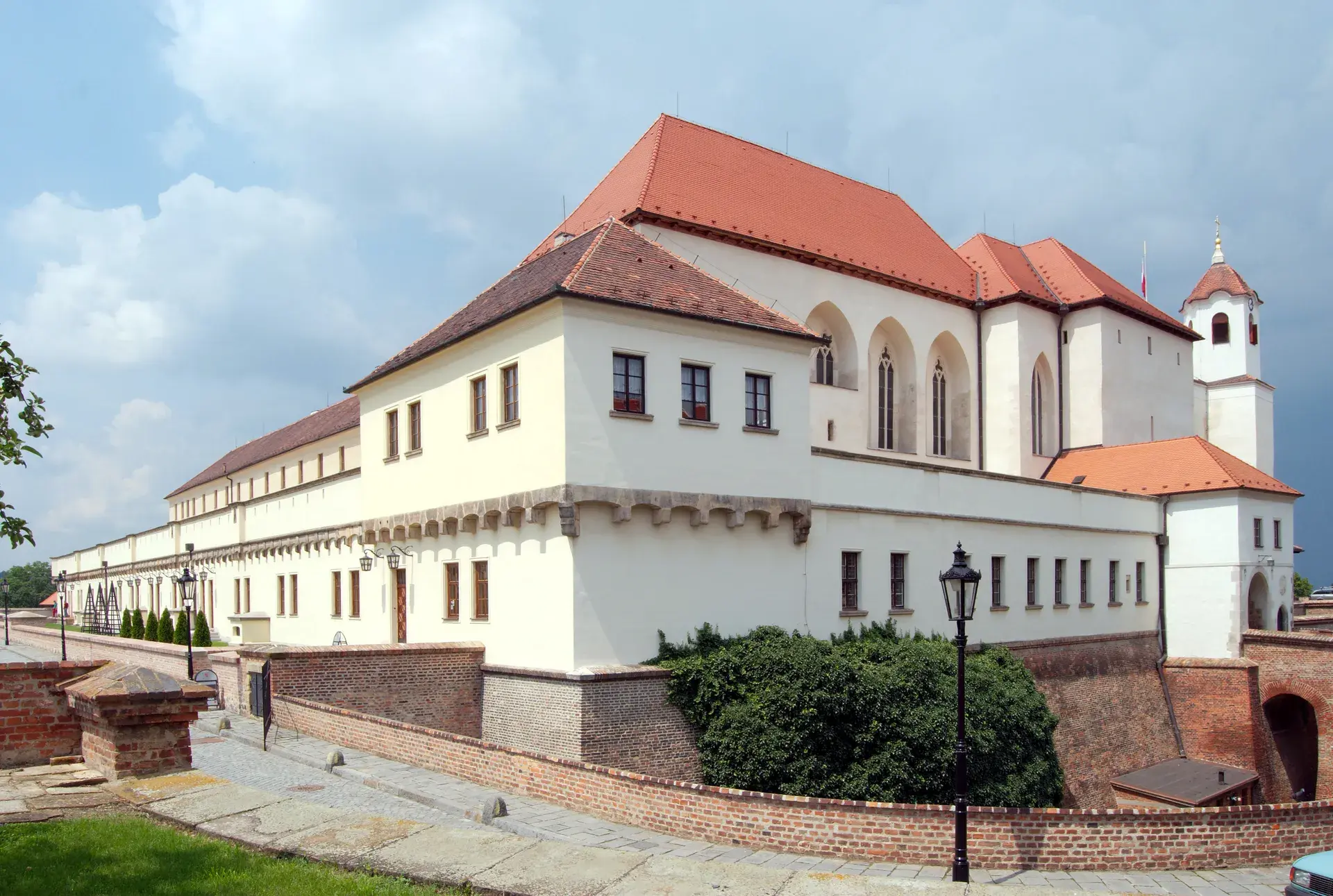
The imposing stone walls of this medieval fortress have towered over Brno for centuries and now house a city museum. Located just west of the Old Town, Špilberk Castle is a major architectural symbol of the city's skyline, standing as an anchor landmark alongside the Cathedral of St. Peter and St. Paul.
A Strategic Fortress
Founded in the mid-13th century by King Přemysl Otakar II of Bohemia, Špilberk Castle originally served as a royal stronghold. In 1560, the city of Brno purchased the site, transitioning it into a municipal fortress.
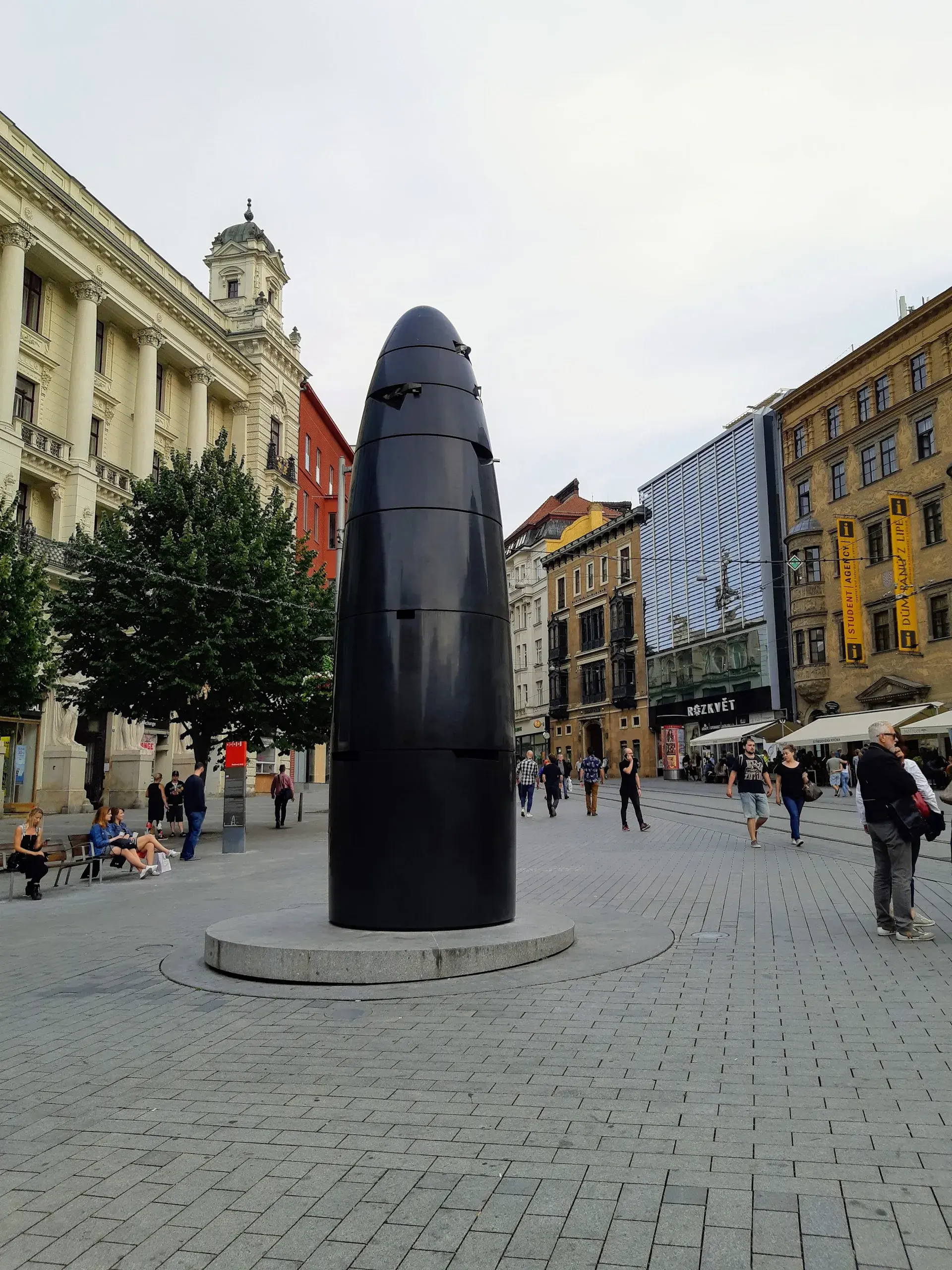
The stronghold's defenses were famously tested during the Thirty Years' War. In 1645, under the command of Jean-Louis Raduit de Souches, the castle successfully withstood a heavy Swedish siege. According to local tradition, the fortress was saved when a monk tricked the invading enemy by ringing the city bells an hour early, artificially reaching the noon deadline the Swedes had set for their retreat.
The Prison of Nations
In 1783, Emperor Joseph II ordered the castle's casemates to be converted into a prison. The facility quickly earned the formidable nickname of the "Prison of Nations." It held political dissidents from across the Habsburg realm, including French revolutionaries, Hungarian Jacobins, and Italian Carbonari.
The grim reputation of the fortress spread across Europe thanks to the Italian poet Silvio Pellico. His 1832 international bestselling memoir, "My Prisons," chronicled his eight-year incarceration at Špilberk. Emperor Franz Joseph I eventually closed the prison in 1855 to use the site as military barracks. However, the site temporarily reverted to a prison during World War I and again under the Gestapo during World War II.
The Casemates and Courtyard
The historic casemates remain one of the most notable features of the fortress. Inside these brick-vaulted subterranean passageways, cold, damp air and dim lighting preserve the atmosphere of the historic prison.
Above ground, the inner courtyard contains a hand-dug medieval well that reaches a remarkable depth of between 112 and 119 meters. Rather than utilizing a traditional bell tower, a 15-bell carillon is mounted directly on an interior courtyard wall, playing tunes hourly.
A Modern Cultural Hub
Military occupation of the fortress officially ended when the Czechoslovak army departed between 1959 and 1960. Designated a National Cultural Monument in 1962, Špilberk Castle now serves as the headquarters for the Brno City Museum.
The museum houses permanent exhibitions, including a "Prison of Nations" display and the restored underground casemates. Today, the courtyard functions as a vibrant venue for cultural festivals, concerts, and theatrical performances, while the surrounding slopes are maintained as a public municipal park offering panoramic viewpoints.
FAQ
What is Špilberk Castle used for today?
Today, Špilberk Castle serves as the headquarters for the Brno City Museum. It features permanent historical exhibitions, and its courtyard is used for concerts and cultural festivals. The surrounding area is maintained as a public park.
Why was Špilberk Castle called the 'Prison of Nations'?
After its casemates were converted into a prison in 1783, it held political dissidents from across the Habsburg realm, including Italian Carbonari, French revolutionaries, and Hungarian Jacobins.
How deep is the well at Špilberk Castle?
The hand-dug medieval well located in the castle's inner courtyard reaches a depth of between 112 and 119 meters.