Hiilola: Naantali’s Historic Wooden Museum House
Historic Wooden Architecture in Old Town Naantali
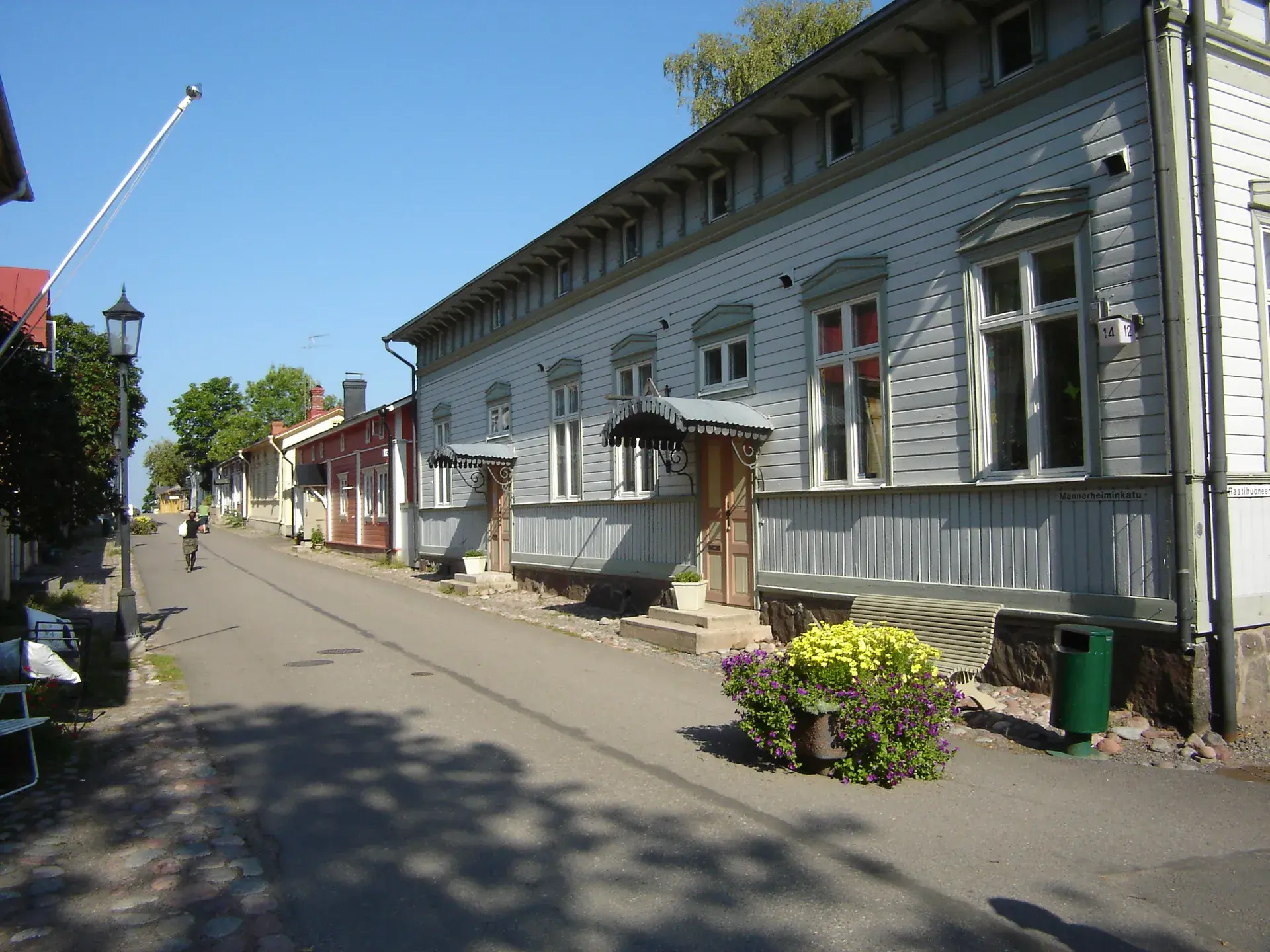
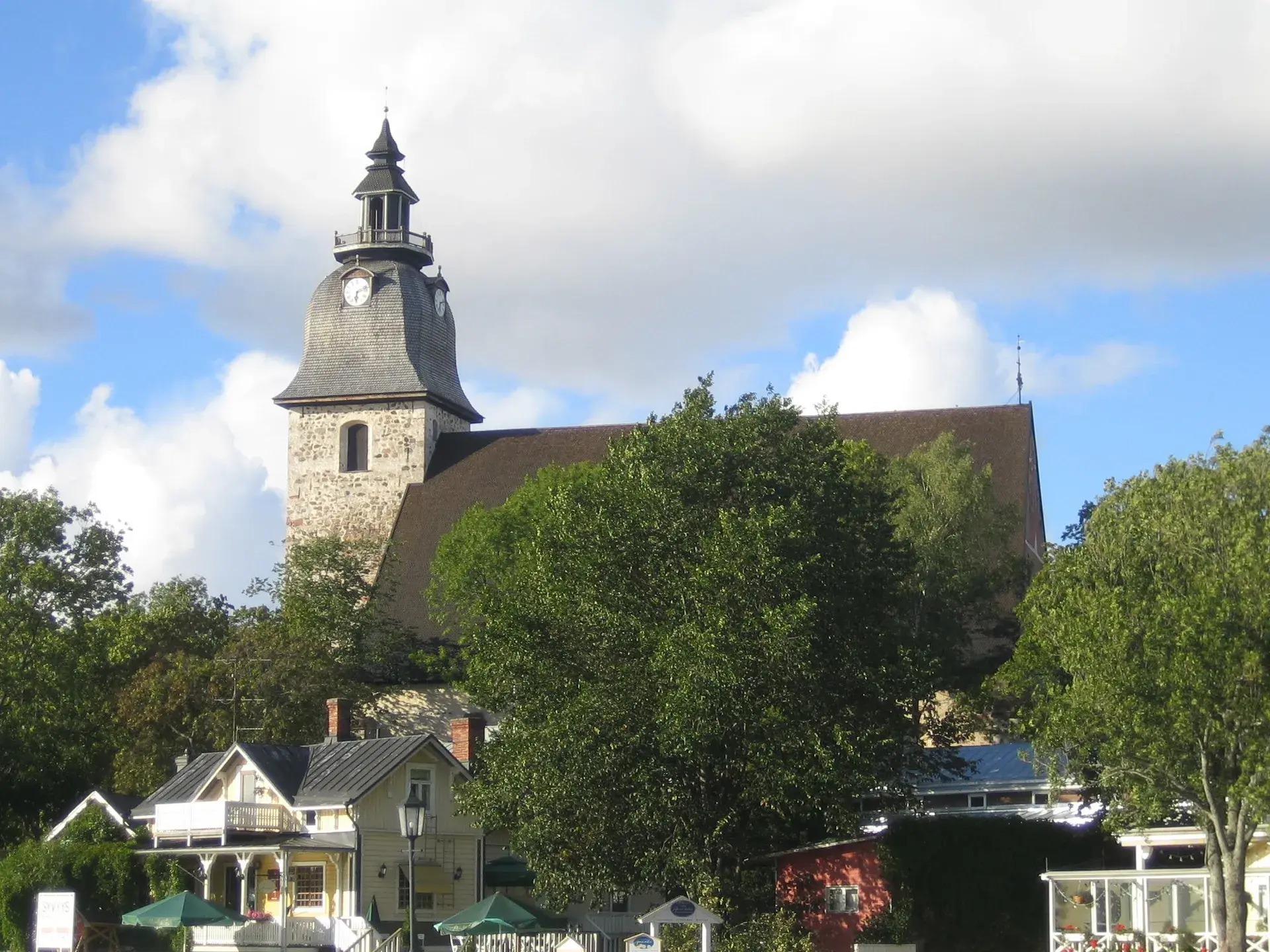
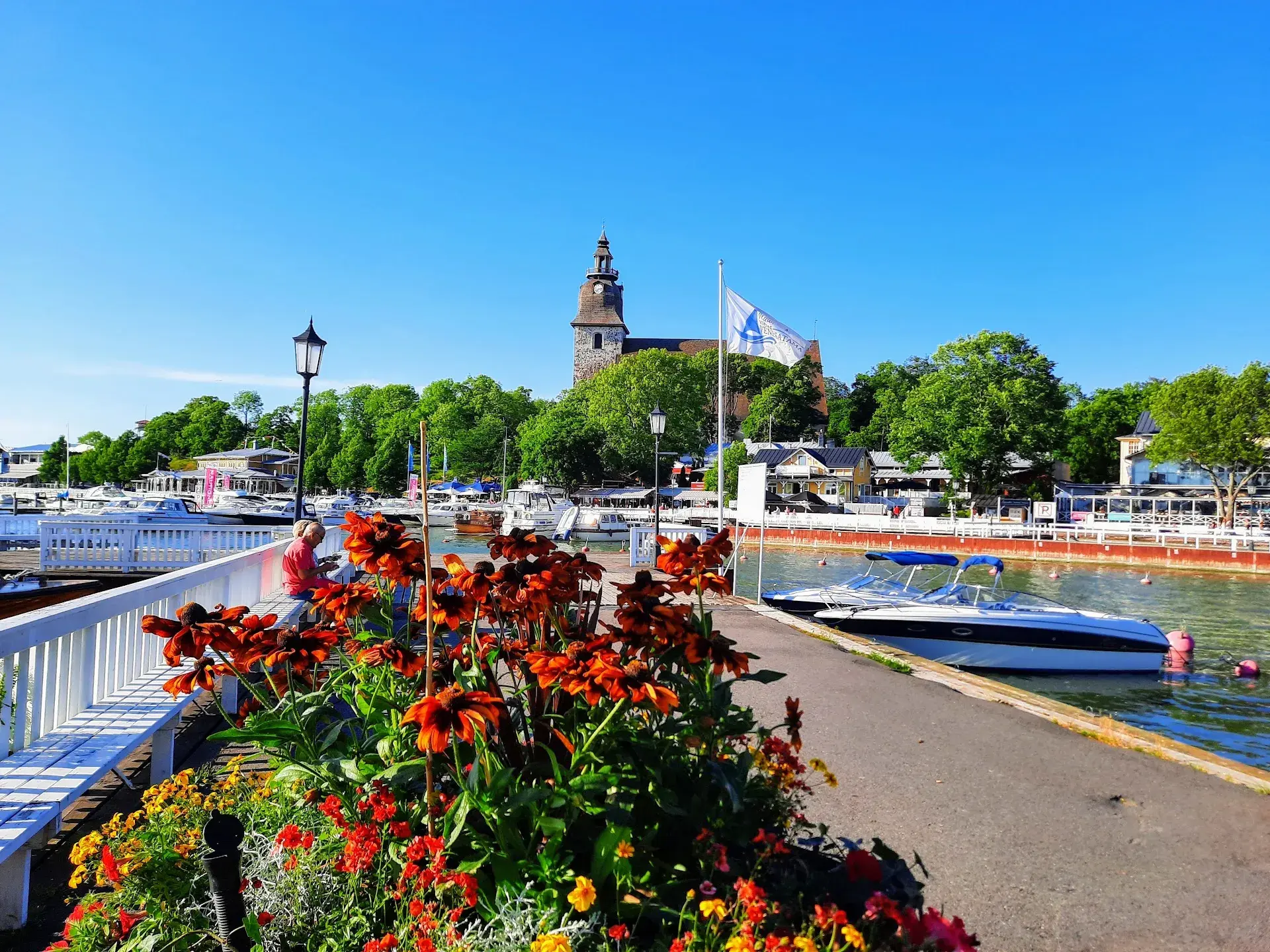
Hiilola (Hiilolan talo), located at Mannerheiminkatu 21, is a preserved wooden residential complex situated in the historic Old Town of Naantali. Bordering Itsenäisyydenpuisto, the estate sits along the town's former market square, positioned on the historical corridor between the medieval convent church and harbor area and the historic spa promenade. Alongside the adjacent Humppi building, Hiilola functions as one of the two primary premises of the Naantali Museum.
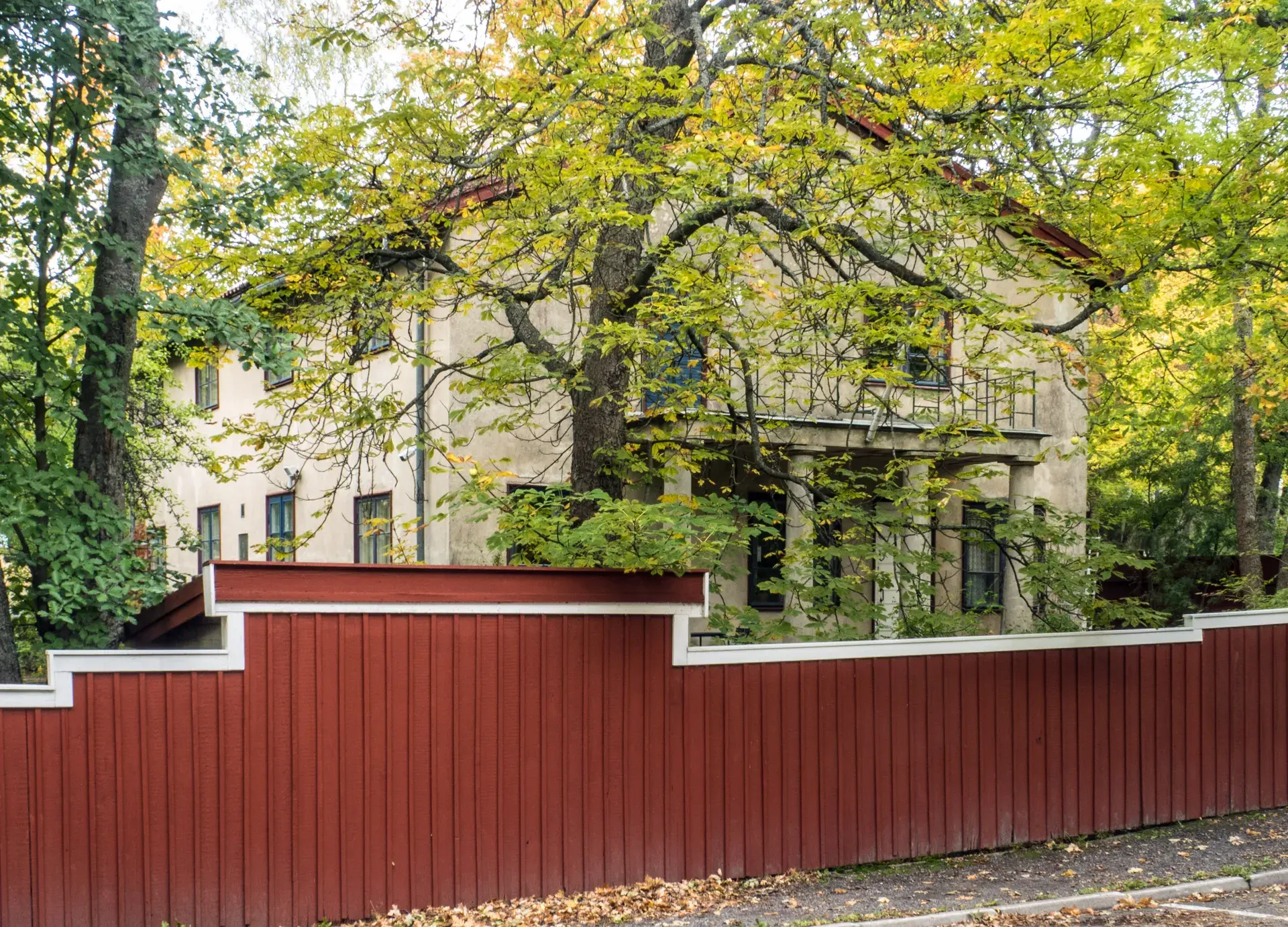
The complex occupies its original site and features a traditional enclosed courtyard (umpipiha). A covered wooden street gateway leads from Mannerheiminkatu into the quiet courtyard, where street noise is muffled and views open up to weathered timber walls, an outbuilding granary, and a mature oak tree. The grounds physically link the lifestyles of the town's prosperous 19th-century merchant families with the humbler craft traditions of the adjacent Sau-Kallio artisan cottage.
Evolution from 17th-Century Cottage to Museum
The domestic history of the site began in the 17th century, when the building originated as a modest single-room cottage before expanding into a twin cottage. In the 18th century, the home acquired its characteristic L-shaped floor plan. By the late 19th century, Hiilola housed bourgeois families and a customs inspection lieutenant.
In 1927, a local heritage association established Hiilola as a museum to safeguard the history of 18th- and 19th-century middle-class life. The property and its curated collections were later transferred to the City of Naantali. The residential interiors reflect extensive donations from the estate of Oskar Marjanen, a prominent 19th-century Naantali merchant, industrialist, and shipowner. Marjanen's heirs contributed authentic period furnishings and decor, including the original wooden counter from his 19th-century mercantile shop.
Period Interiors and Botanical Heritage
Operating as a seasonal summer museum, Hiilola displays late 19th-century small-town bourgeois living quarters and an old-fashioned shop room. The interior exhibitions illustrate local craft traditions, commercial trade, and the development of Naantali's 19th-century spa culture. Meanwhile, winter visitor services for the museum complex are handled by the neighboring Humppi building.
Hiilola is also recognized in botanical heritage research for maintaining traditional Finnish heirloom houseplants. The sunlit windows display documented 19th-century varieties of geraniums (pelargoniums), representing the living decorative heritage that once filled bourgeois homes across the region.
Courtyard Grounds and Historic Gardens
The grounds outside the residence extend the historical experience into the open air. The courtyard includes a children's play shed housed inside the historic outbuilding granary. Paths through the courtyard connect to an adjoining rose garden, the Sau-Kallio craftsman's cottage, and specialty botanical beds.
Among the plantings are medicinal herb beds cultivated according to the traditions of the Bridgettine convent that founded Naantali in 1443. The garden also preserves an authentic replica of the 18th-century well pavilion from Viluluoto Spring, commemorating the early therapeutic water source that marked the beginning of Naantali’s legacy as a health resort.
FAQ
What is Hiilola's role within the Naantali Museum?
Hiilola serves as one of the two main premises of the Naantali Museum alongside the Humppi building, focusing on 18th- and 19th-century bourgeois home interiors, craft trades, and local merchant life during the summer season.
What unique botanical elements are preserved at Hiilola?
Hiilola preserves documented 19th-century heirloom window geranium varieties inside the residence, as well as outdoor medicinal herb beds rooted in the traditions of Naantali's 1443 Bridgettine convent.
How does Hiilola connect to Naantali's history as a spa town?
The museum exhibits documents and artifacts on 19th-century spa culture and features a garden replica of the 18th-century Viluluoto Spring well pavilion, marking the town's early origins as a therapeutic spa destination.