Naantali Church: Finland's Medieval Convent Landmark
The Origins of Vallis Gratiae
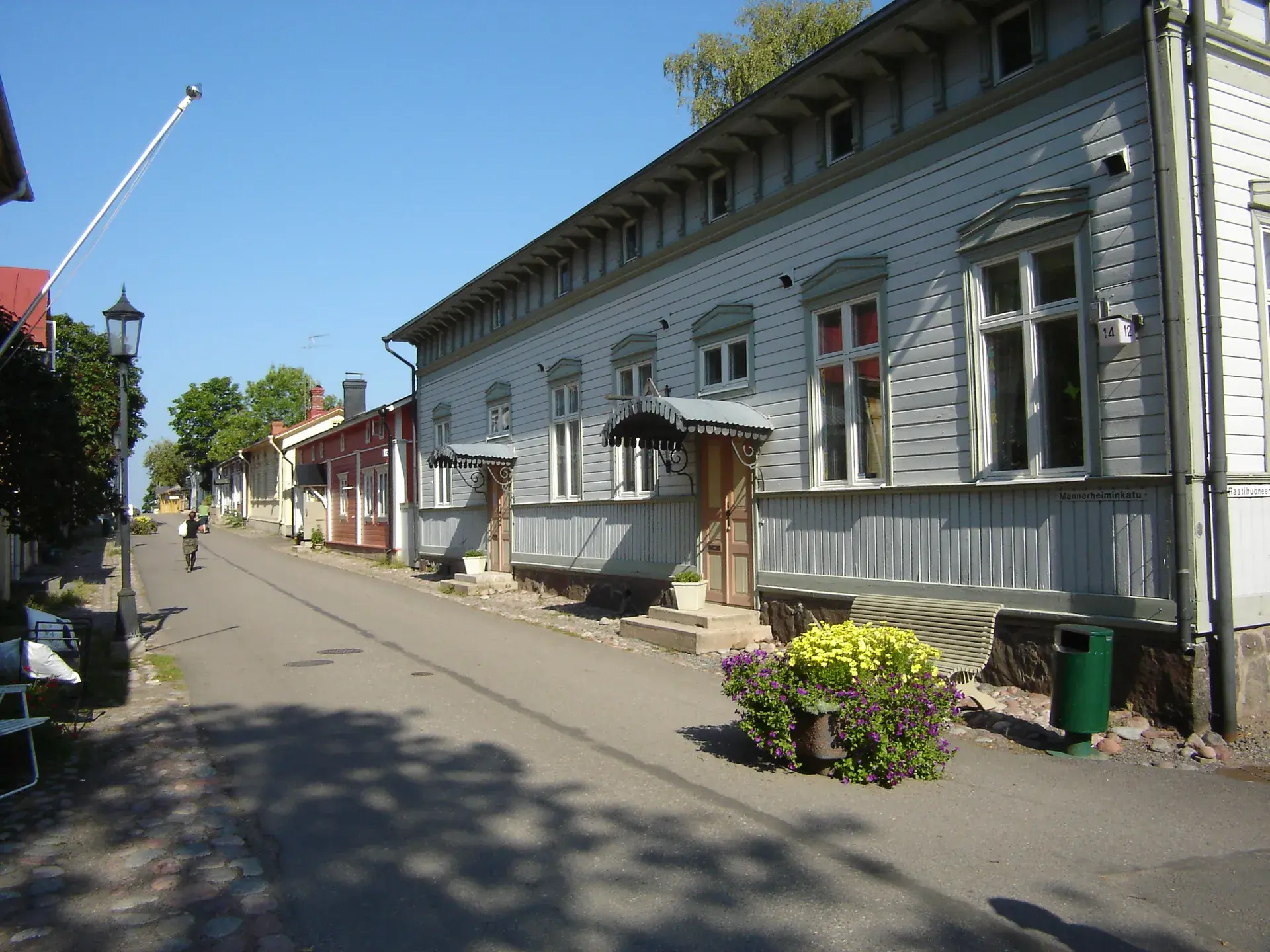
The town of Naantali was not founded before its church; it emerged entirely because of it. On August 23, 1443, King Christopher of Sweden issued a charter authorizing the establishment of a Catholic convent dedicated to Saint Bridget of Sweden. This royal decree marks the simultaneous founding date of both the Bridgettine monastery and the surrounding settlement. The town's name directly reflects this heritage, evolving from the monastery's Latin designation, Vallis Gratiae (Valley of Grace), into Nådendal in Swedish and Naantali in Finnish. Surrounding streets developed to accommodate pilgrims and provide trade and lodging to support monastic life.
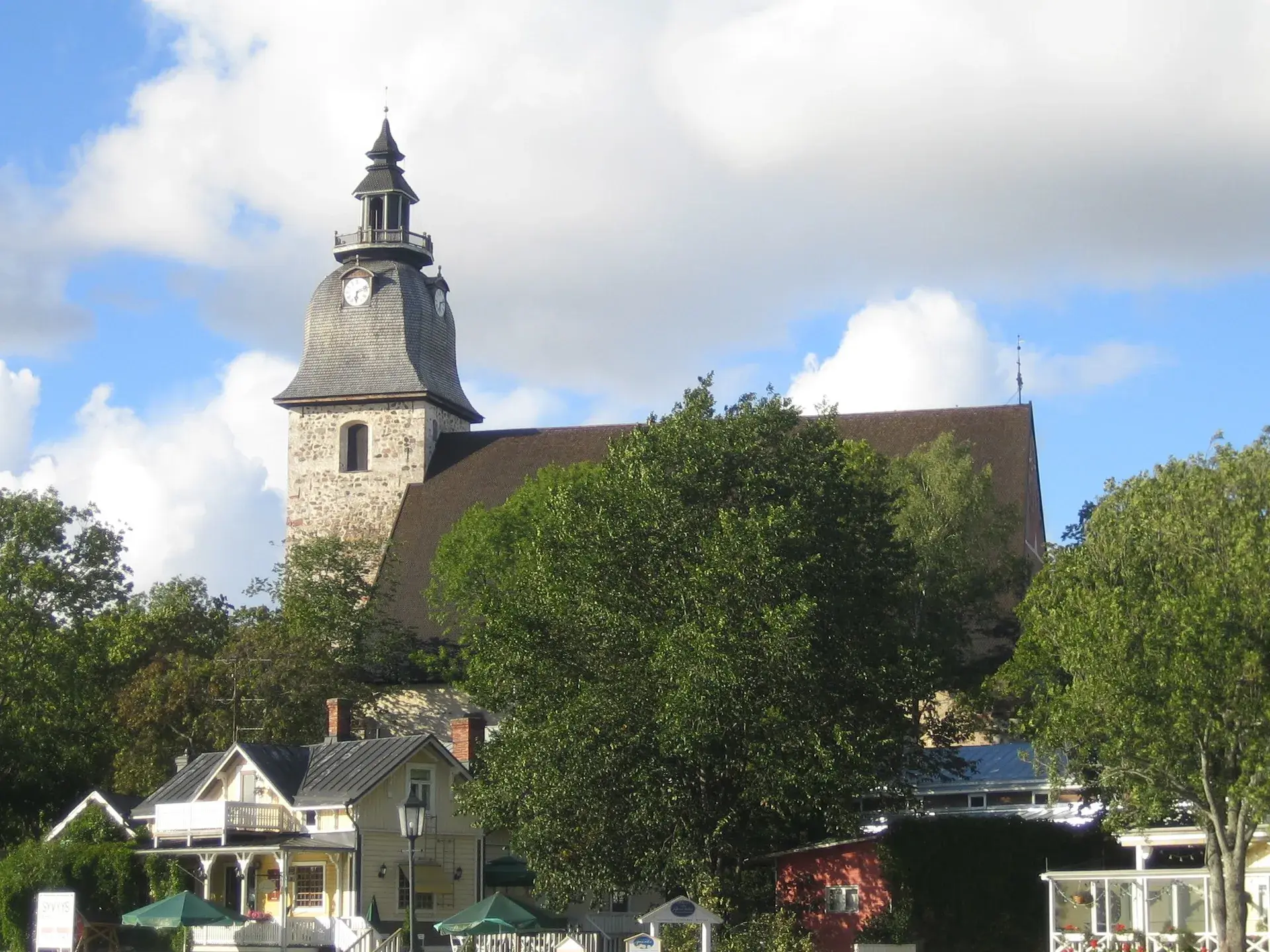
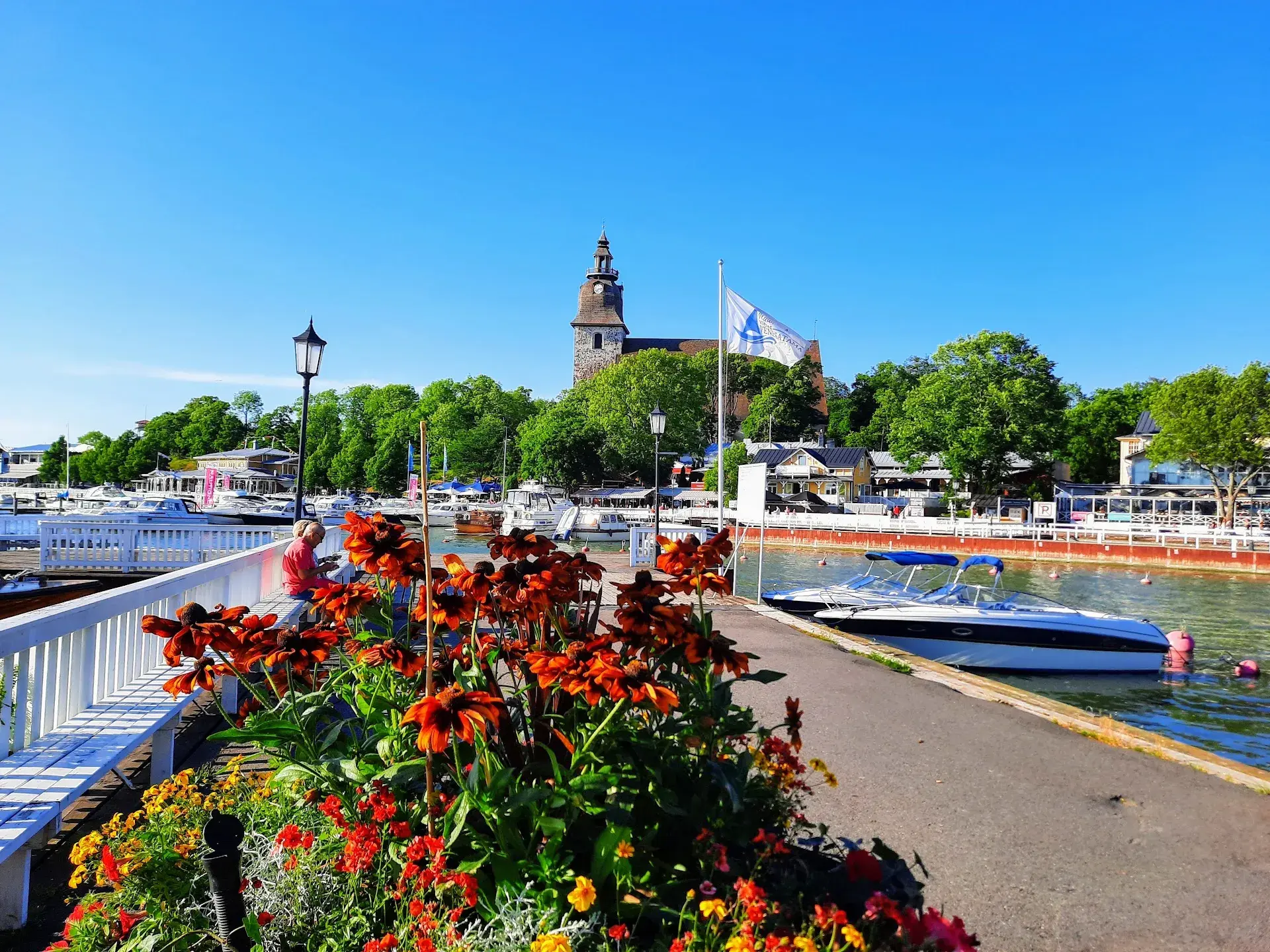
Today, Naantali Church (Naantalin kirkko) stands as the sole surviving structure of the convent complex. Preserved on the Ailostenniemi headland at Nunnakatu, it is the second-largest medieval stone church in Finland, surpassed in size only by Turku Cathedral. Its geographic location on the peninsula was chosen intentionally to fulfill a written revelation of Saint Bridget, which dictated that churches of her order should overlook calm, flickering water.
Monastic Life and Double Cloister Design
The complex operated as a double monastery where Bridgettine nuns and monks lived on the same grounds while remaining strictly separated by stone partitions. Among its early inhabitants was the monk Jöns Budde, regarded as one of Finland's earliest known literary translators due to his work translating Latin religious texts into Swedish.
Bishop Konrad Bitz consecrated the sanctuary in 1462, with primary stone construction completed between the 1460s and 1480s. Designed as a three-nave stone and brick hall church, the building accommodates approximately 850 worshippers. The interior was architecturally proportioned to enhance uninterrupted Bridgettine liturgical chanting, creating a resonant acoustic environment characterized by long decay times.
Interior Relics and Architectural Evolution
The church houses exceptional late-medieval art and devotional furnishings. Among its most prominent treasures are a 15th-century limestone baptismal font, a late 15th-century wooden sculpture depicting Christ crowned with thorns, and an oak altarpiece portraying the coronation of the Virgin Mary. One of the interior's most distinctive details stems from the 1462 consecration: unlike the geometric consecration crosses standard in medieval sanctuaries, the crosses painted on the church's end walls feature painted renderings of the face of Christ.
Following the Reformation in 1544, convent activities were suppressed, and monastic life ended late in the 16th century. The building subsequently transitioned into an Evangelical Lutheran parish church. Devastating fires swept through the structure in 1628 and 1756. The 1628 collapse destroyed almost all of the original medieval vaulting. An extensive restoration in the 1860s reconstructed the ceilings in a medieval style, leaving only a single authentic medieval vault intact to the left of the main entrance. Subsequent preservation initiatives in 1963–1965, led by Olli Kestilä, and in 2011–2012, led by Virpi Tervonen, focused on masonry stabilization and restoring aspects of the historic interior layout. On the exterior, a separate 56-meter-high baroque-style bell tower was added to the church grounds in 1797.
Present-Day Role and Living Traditions
Naantali Church continues to serve as the principal sanctuary for the Evangelical Lutheran Parish of Naantali, hosting regular weekly Sunday services. During the summer months, it functions as a designated Road Church (Tiekirkko), open daily to visitors, alongside scheduled winter visiting hours. Its historic chanting acoustics make it the central performance venue for the annual Naantali Music Festival held every June, as well as an active setting for summer organ recitals.
The church anchors several long-standing local customs. Every evening from June 1 to August 31 at 20:00, a trumpeter ascends the 56-meter bell tower to play a vesper hymn in three directions: toward the President of Finland’s summer residence at Kultaranta, across the wooden Old Town, and out over the sea. Moments before the tower performance, a costumed town drummer (Trumputtaja) walks the shoreline beating an 18th-century rhythm, formally commanding silence across the town so the vesper call can be heard.
FAQ
Why was Naantali Church established on the Ailostenniemi headland?
The church site on the Ailostenniemi peninsula was specifically chosen to fulfill a written revelation of Saint Bridget, which required churches of her order to stand where quiet, flickering water could be seen behind the building.
What makes the consecration crosses in Naantali Church unusual?
Unlike the standard geometric designs typically used during medieval church dedications, the crosses painted on the end walls during the 1462 consecration ceremony include detailed depictions of the face of Christ.
What summer evening tradition is associated with the church tower?
Every summer evening at 20:00, a trumpeter plays an evening vesper hymn from the 56-meter bell tower in three directions: toward the President's residence at Kultaranta, over the Old Town, and out to sea. Before the music begins, a costumed drummer patrols the shore playing an 18th-century pattern to call the town to silence.
Gallery