Punta Spartivento: Where Lake Como Divides
Geographic Crossroads of Lake Como
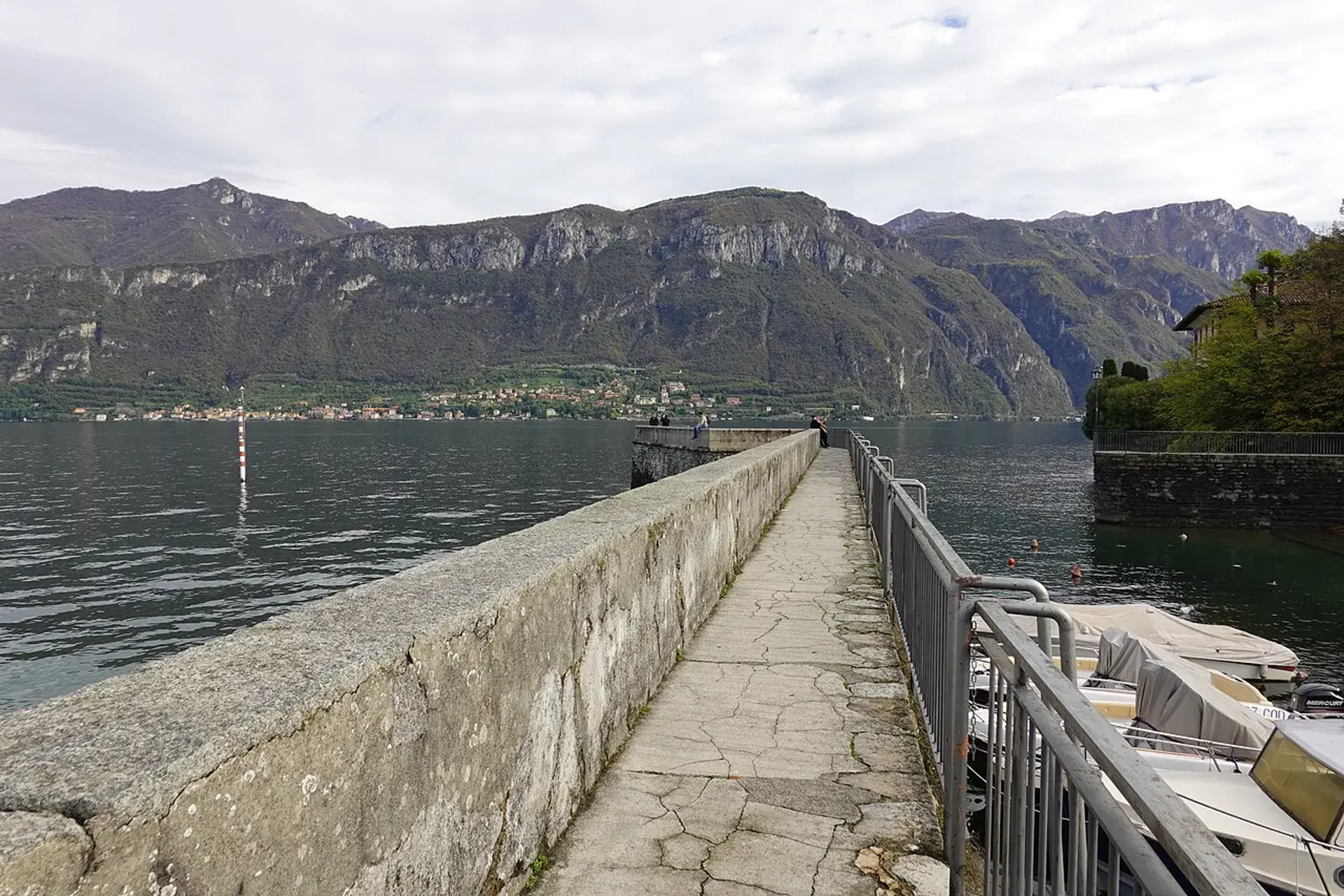
Punta Spartivento is the northernmost tip of the Bellagio promontory, situated at the apex of the Triangolo Lariano (Larian Triangle). At this exact landform, Lake Como divides into its three distinct branches: the southwestern Como branch, the southeastern Lecco branch, and the northern branch reaching toward Colico and the Alps. It is one of the few shore-based viewpoints where an observer standing on land can gaze down three separate open-water channels simultaneously.
The promontory offers sweeping vistas across the central lake basin. Looking across the water, viewers can see Varenna along the eastern shore, Menaggio on the western shore, and the Grigne and Rhaetian Alpine foothills rising to the north. Because the town's historic prominence stems from occupying this central crossroads, Punta Spartivento anchors Bellagio's identity and maritime history.
The Point That Divides the Wind
The name Punta Spartivento translates literally to "the point that divides the wind" (spartire il vento). The cape experiences a distinct local microclimate shaped by thermal breezes, primarily the morning Tivano blowing from the north and the afternoon Breva flowing from the south. The convergence of these winds and lake currents creates a noticeably cooler atmosphere than the sheltered alleyways of the town.
For centuries, boatmen, fishermen, and merchants relied on the point as a critical navigational milestone. Its position provided strategic maritime control over trade routes moving between Milan, Lecco, and alpine passes toward Switzerland, while also functioning as a point of natural isolation.
The Bread Rock and the Plague of 1629
Just offshore from Punta Spartivento lies the submerged base of the Sass del Pan (Bread Rock). During the plague of 1629–1630, Bellagio’s isolated position kept its population largely free of infection, while neighboring settlements across the water—particularly Varenna—were devastated by the disease.
Historical accounts record that Bellagio residents placed fresh loaves of bread on the rock to assist the afflicted. Residents from Varenna rowed across the lake to collect the food, leaving payment coins in bowls of vinegar set upon the stone to disinfect the money against contagion. In later centuries, the Sass del Pan was dynamited to remove a navigational hazard for vessels rounding the cape, leaving its rocky foundation visible only during periods of low water.
Public Park and Lakeside Promenade
Today, Punta Spartivento functions as a public park and viewing terrace. The site marks the natural turnaround point where Bellagio's paved village alleys conclude at the edge of the water. It can be reached via a 10-to-15-minute paved pedestrian walk heading north from the Bellagio ferry terminal along Via Eugenio Vitali and Via Garibaldi.
The park is equipped with shade trees, stone benches, and a stone pier extending into the lake, alongside the terrace dining venue of Ristorante La Punta. The sound of pedestrian traffic from the town center recedes here, replaced by water currents meeting the stone breakwater and the intermittent horns of passing ferries.
FAQ
What does the name Punta Spartivento mean?
The name translates literally to 'the point that divides the wind' (from the Italian 'spartire il vento'), referring to the promontory's position where converging lake winds and thermal currents divide.
How do visitors reach Punta Spartivento from Bellagio?
The site is accessed on foot via a 10-to-15-minute paved walk northward from Bellagio's ferry terminal along Via Eugenio Vitali and Via Garibaldi.
What was the Sass del Pan?
The Sass del Pan (Bread Rock) was an offshore stone where Bellagio residents left bread for plague-afflicted neighbors from Varenna in 1629–1630, who paid with coins disinfected in vinegar. The rock was later dynamited to clear the boat channel.
Discover Bellagio like never before
Dive into Bellagio hidden stories and secret spots with Ciceru interactive tours.
Explore tour
Audioguide
Quizzes
Maps
Solo
Couples
Groups & families

© Guilhem Vellut from Annecy, France | CC BY 2.0