Salita Serbelloni: Bellagio's Historic Stepped Lane
Bellagio's Central Stepped Axis
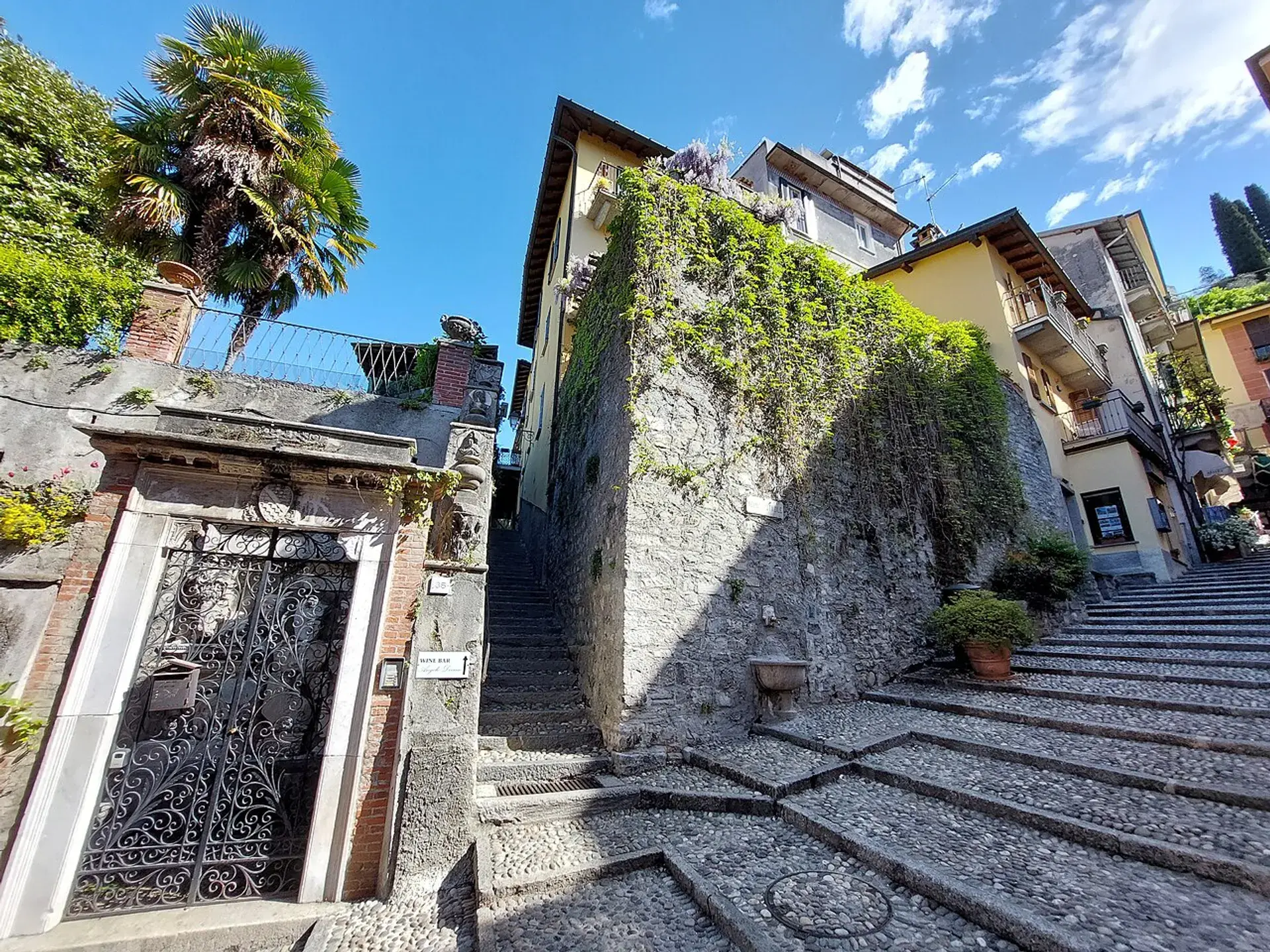
Salita Serbelloni is the widest and most prominent stepped alley (cordonata) in Bellagio. Situated on a steep ridge at the fork of Lake Como, the village's layout is characterized by parallel lateral roads intersected orthogonally by steep stairways (salite). Salita Serbelloni serves as the central north-south pedestrian axis of the historic borgo, connecting the lower waterfront and porticos of Piazza Giuseppe Mazzini to the upper ridge along Via Giuseppe Garibaldi.
The lane is built with broad, shallow stone ramps and cobbled risers (acciottolato), an architectural format designed historically to facilitate foot traffic and pack animals ascending the steep gradient. Looking downward from the top of the stairs, the lane frames an uninterrupted sightline between pastel townhouses toward Lake Como and the mountains on the western shore.
From Medieval Moat to Aristocratic Thoroughfare
Centuries before developing into a scenic lakeside lane, the passage served a vital military purpose. Known traditionally among local residents as Il Fossato ("The Moat"), the thoroughfare traces the path of a medieval defensive ditch (vallum) that once guarded the upper village. The tall stone wall lining the right side of the ascent belonged to this defensive network, which originally included three entry gates and a drawbridge near the lane's upper threshold.
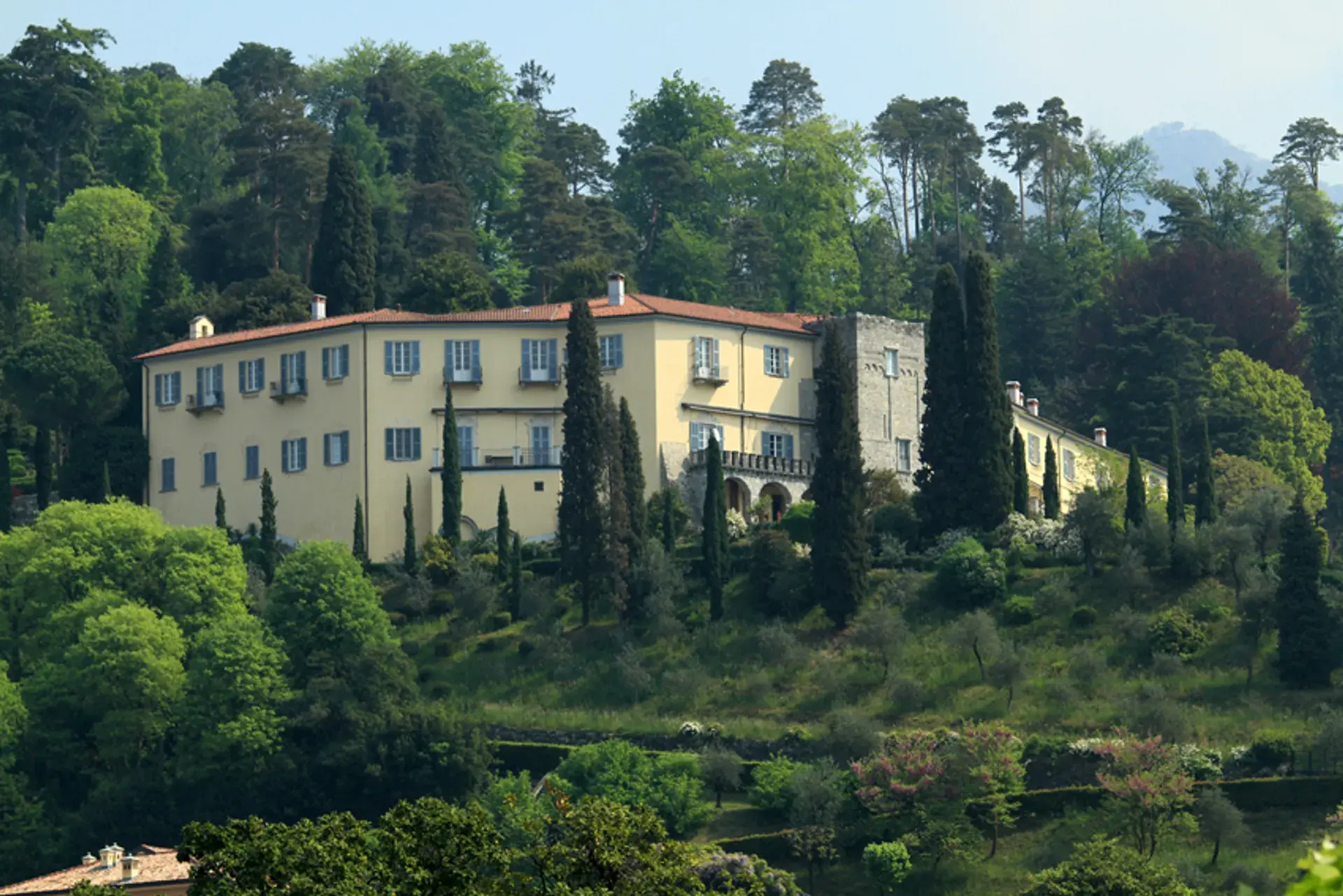
The street later took its name from the noble Serbelloni family. In the late 18th century, Duke Alessandro Serbelloni acquired and developed the landmark villa and surrounding estate that occupy the promontory directly above the town.
The Liszt Residency at Casa Liszt
During the 19th century, Salita Serbelloni served as a notable retreat for visiting artists. In late 1837, the Hungarian composer Franz Liszt and Countess Marie d'Agoult lived at Salita Serbelloni 7, a townhouse known as Casa Liszt. The couple stayed for approximately three months, during which their daughter, Francesca Gaetana Cosima (later Cosima Wagner), was born in December 1837. Mounted along the lower wall of the lane, a stone commemorative plaque installed in 1961 marks the 150th anniversary of Liszt's birth and his time on the stairway.
Modern Atmosphere and Architecture
Today, Salita Serbelloni operates as a pedestrian thoroughfare lined with artisan workshops, silk and leather shops, wine bars, and stepped dining terraces, including Trattoria San Giacomo and Ristorante Bilacus. The sun-dappled ochre facades and cascading flowering vines contrast with the deep blue waters of the lake below.
Tightly framed by multi-story stone buildings, the narrow corridor functions as an acoustic funnel. The clatter of cutlery from terraced restaurants, footsteps on the cobblestone risers, and lake drafts rising uphill resonate through the passage throughout the day.
FAQ
Why was Salita Serbelloni historically called Il Fossato?
The street follows the excavation line of a medieval defensive ditch (*vallum*) that once protected Bellagio's upper settlement and featured a drawbridge near the top of the lane.
Who is Salita Serbelloni named after?
It is named after the noble Serbelloni family, specifically Duke Alessandro Serbelloni, who developed the villa and estate on the promontory above Bellagio in the late 18th century.
Which famous composer lived on Salita Serbelloni?
Hungarian composer Franz Liszt resided at Salita Serbelloni 7 (Casa Liszt) with Countess Marie d'Agoult for about three months in late 1837, during which their daughter Cosima was born.