Modena Cathedral: A Romanesque UNESCO Masterpiece
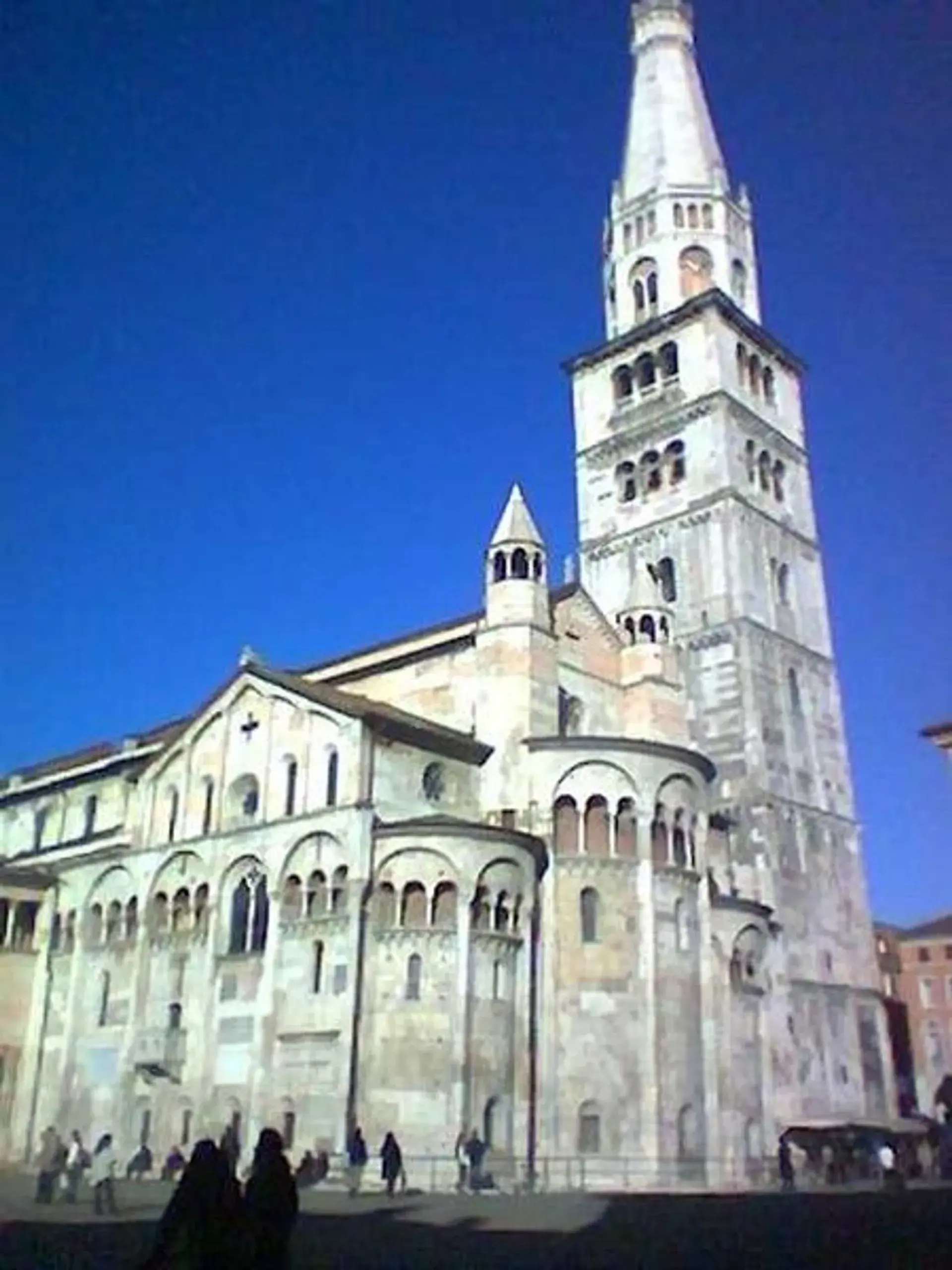
The Cathedral of Santa Maria Assunta and San Geminiano, known as Modena Cathedral, stands as a crowning achievement of High European Romanesque architecture. Anchoring Piazza Grande opposite the Palazzo Comunale, the structure was commissioned in 1099. Remarkably, the project was initiated by the local civic community during a period when the bishop's see was vacant. To build their new religious centerpiece, laborers quarried marble and stone slabs directly from the buried ruins of the ancient Roman city of Mutina.
Master Builders and Ancient Relics
Master architect Lanfranco designed the original structure, while master sculptor Wiligelmo carved the foundational stone sculptures and expressive biblical friezes on the exterior. The main facade features a marble porch supported by two carved stone lions; these statues are authentic Roman artifacts discovered during the medieval excavations for the cathedral's foundation. Between the late 12th and 14th centuries, the Maestri Campionesi guild introduced Gothic modifications, including the large central rose window and vaulted ceilings.
Surprising Medieval Carvings
The exterior details of Modena Cathedral feature an array of unique medieval storytelling. The north portal, known as the Porta della Pescheria, was carved between roughly 1120 and 1140. Its door jambs illustrate the cycle of the twelve months through depictions of laborers performing seasonal agricultural tasks. Above this, the portal's archivolt contains scenes featuring "Artus de Bretania," representing one of the earliest known monumental depictions of the Arthurian legend in Europe. High on the roofline cornice, replicas of grotesque hybrid monsters sit where the original ancient bestiary carvings once stood, which are now protected in the cathedral museum.
The Nave and the Crypt of Saint Geminianus
Inside, the cathedral maintains a dim, somber atmosphere across a three-aisled nave, softly illuminated by high Romanesque lancet windows. The space descends into a cool, low-vaulted crypt supported by slender marble columns. In 1106, the body of the city's patron saint, Geminianus, was moved to this newly completed crypt in the presence of Countess Matilde di Canossa and Pope Paschal II. Today, the building functions as the active seat of the Archdiocese of Modena-Nonantola. It remains open to the public daily, occasionally pausing tourist visits for active liturgical services and the annual Feast of Saint Geminianus on January 31.
FAQ
Is Modena Cathedral a UNESCO World Heritage Site?
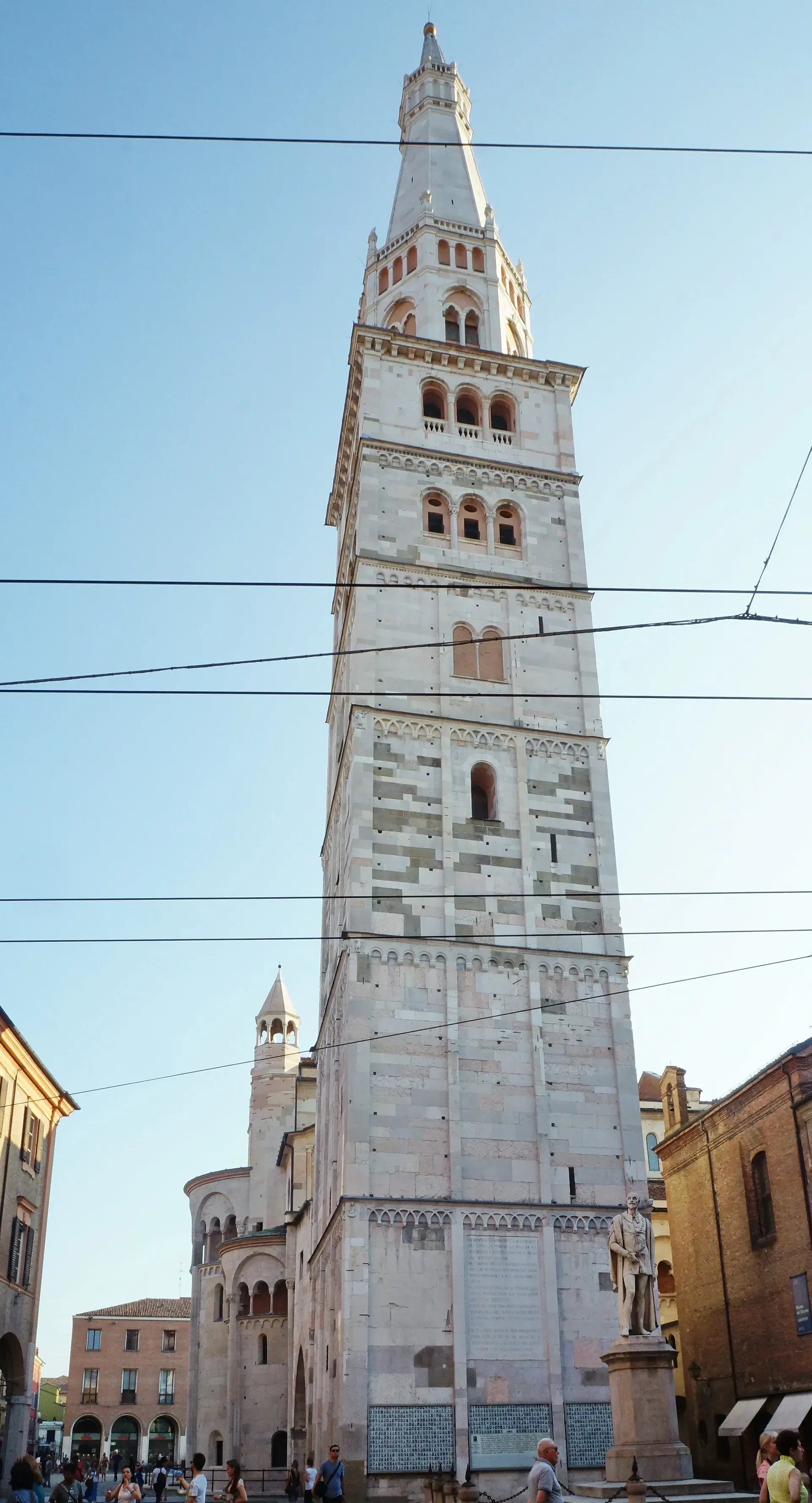
Yes, Modena Cathedral was inscribed as a UNESCO World Heritage Site in 1997, along with the adjacent Torre Civica (Ghirlandina Tower) and Piazza Grande.
When is Modena Cathedral open to the public?
The cathedral is open daily, typically from 7:00 AM to 7:00 PM Tuesday through Sunday, with split morning and afternoon hours on Mondays. Tourist visits are paused during scheduled liturgical services.
What is the Porta della Pescheria?
The Porta della Pescheria is the cathedral's north portal, carved between 1120 and 1140. It is famous for featuring one of the earliest known monumental carvings of the Arthurian legend in Europe, as well as depictions of seasonal agricultural labor.