Piazza Grande Modena: UNESCO Square & Vinegar Loft
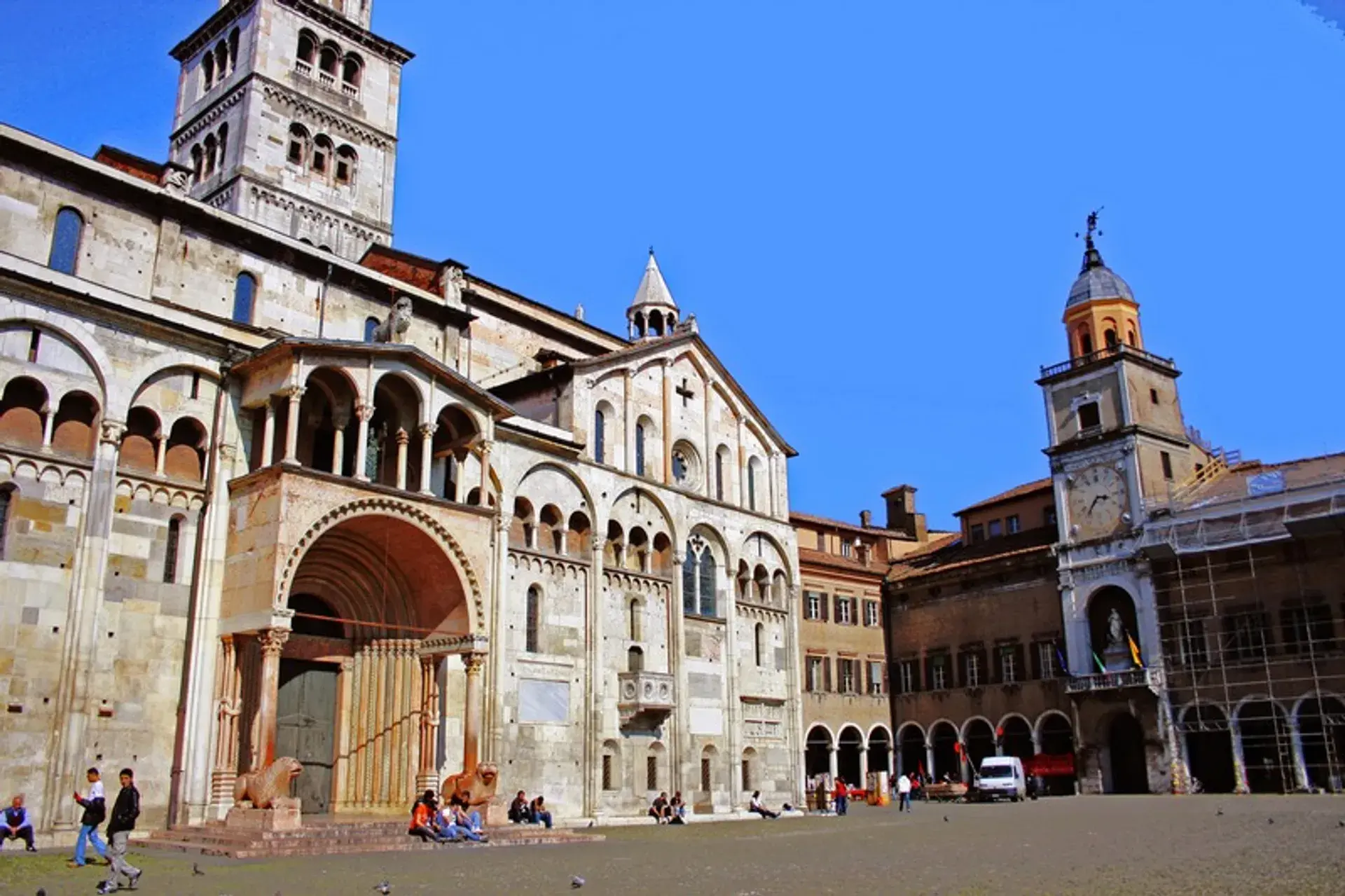
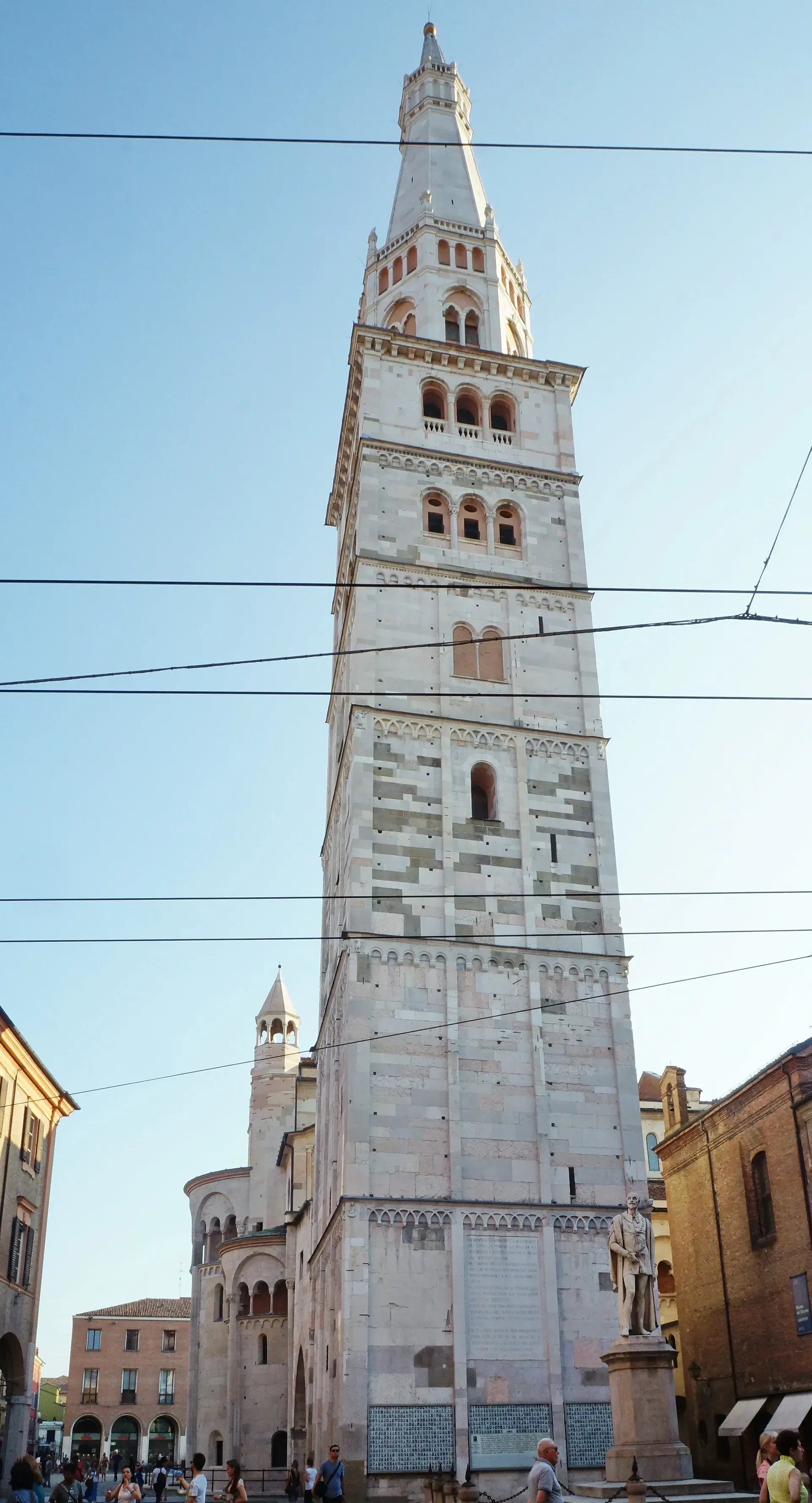
Step into Piazza Grande, the vibrant central plaza where centuries of Modena's history unfold against a backdrop of historic architectural masterpieces. This essential civic and religious heart of the city connects the Duomo and Ghirlandina to the historic Mercato Albinelli and the Palazzo Ducale quarter along the ancient Via Emilia axis.
A UNESCO World Heritage Center
Laid out in the 12th century as Piazza del Duomo, the square gained its current name in the late 17th century. It is framed by the Romanesque Cathedral on the west, the Ghirlandina Tower to the north, the arcaded Palazzo Comunale along the northeast side, and the Archbishop's Palace. In 1997, Piazza Grande, along with the Cathedral and Tower, was officially designated as a UNESCO World Heritage site.
Markets and Medieval Justice
For centuries, Piazza Grande functioned as Modena's main open-air market, known as Piazza delle erbe. The city maintained strict control over the area, dictating market schedules, stall alignments, and prohibiting specific activities. The square also served as a stage for public justice, hosting executions, torture, and shaming during weekly Saturday markets.
A prominent reminder of this era is the Pietra Ringadora, a massive three-meter rectangular block of red Veronese limestone positioned near the Cathedral. Historically, it served multiple public functions: an orator's platform, a mortuary slab to display unidentified corpses fished from canals, and a humiliation stone. Bankrupt debtors were notoriously forced to circle the square before sitting bare-bottomed on the stone after it was smeared with turpentine.
The Attic Vinegar Loft
Directly above the square, the attic of the Palazzo Comunale houses the Acetaia Comunale. Established in 2003, this municipal vinegar loft ages traditional balsamic vinegar in specific barrel sets, including the Secchia, Panaro, and Torre Ghirlandina, along with five large mother casks known as rezdore.
The loft relies on the extreme temperature fluctuations under the roof—sweltering summer heat and freezing winter cold—to drive the slow evaporation, fermentation, and aging of the vinegar in the wooden casks. The municipality retains the final product to present as a gift to visiting dignitaries and heads of state, while offering guided tours and tastings on Fridays, weekends, and holidays.
Civic Symbols and Traditions
Piazza Grande is adorned with local historical symbols, such as "La Bonissima," a 13th-century stone sculpture mounted on the corner of the Palazzo Comunale. While local legend claims she represents a charitable noblewoman named Bona who fed the starving, historians associate the figure with the official civic measures and standards of the medieval market.
The square remains a primary public forum for community gatherings and cultural events, such as the annual FestivalFilosofia. It also hosts lively traditions during Carnival, when the Town Hall balcony becomes a stage for the sproloquio. During this event, masked folk characters like Sandrone deliver traditional public speeches satirizing local politics.
FAQ
Where is the Acetaia Comunale located?
The Acetaia Comunale is located in the attic of the Palazzo Comunale, directly above Piazza Grande. It relies on the extreme temperature fluctuations under the roof to age traditional balsamic vinegar.
What is the Pietra Ringadora?
The Pietra Ringadora is a massive three-meter block of red Veronese limestone located near the Cathedral. It was historically used as an orator's platform, a mortuary slab, and a site of public humiliation for bankrupt debtors.
Who is La Bonissima?
La Bonissima is a 13th-century stone sculpture on the Palazzo Comunale. Local tradition suggests she was a charitable noblewoman, though historians associate her with medieval market standards.