Pietra Ringadora: Modena's Historic Stone of Shame
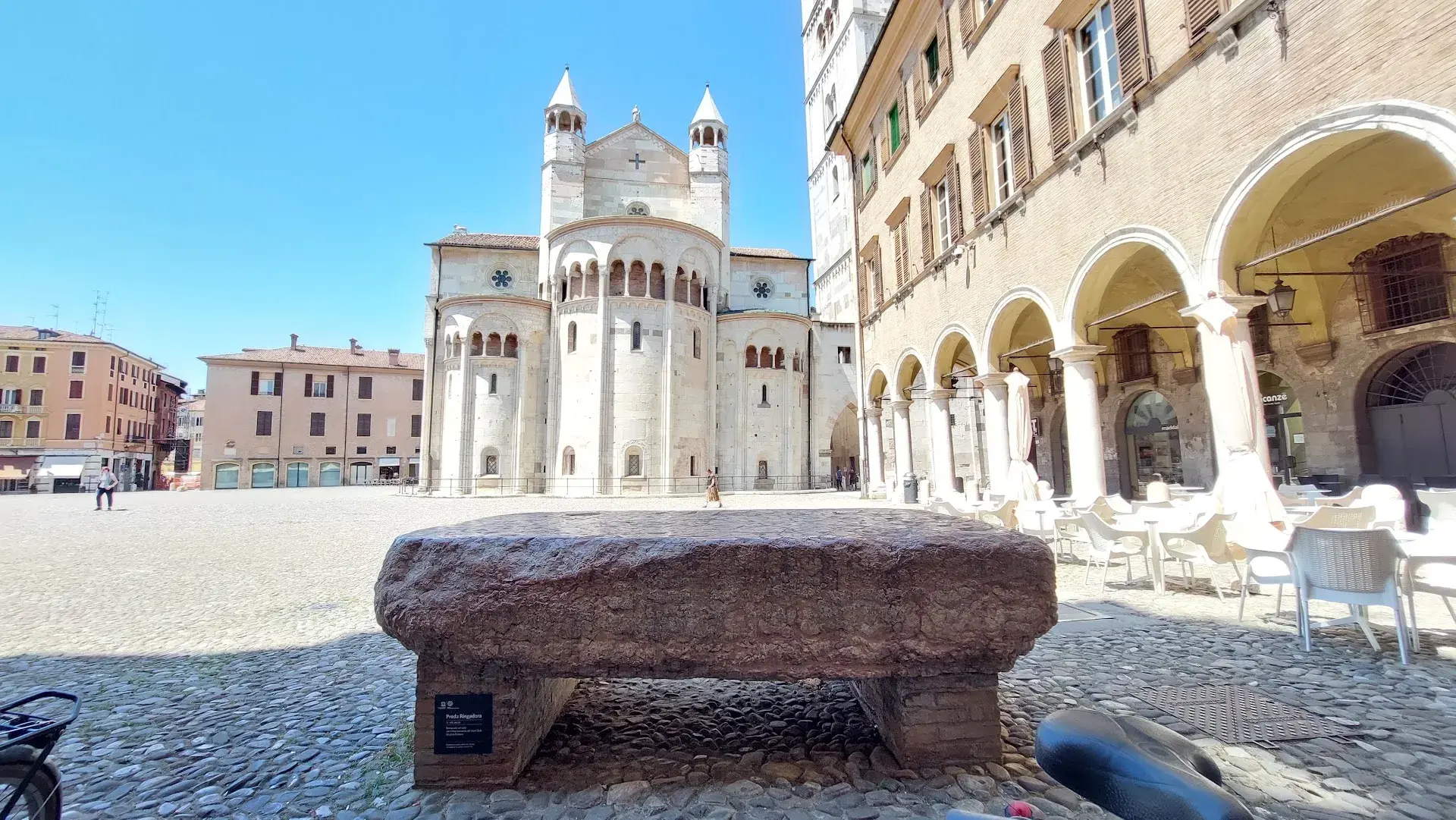
In the center of Modena's grandest square lies a reddish Roman stone that served as a stage for both civic speeches and public humiliation. La Pietra Ringadora, known in the local dialect as Preda Ringadora, is a three-meter-long flat boulder embedded in the open cobblestones of Piazza Grande.
Ancient Origins and Civic Speeches
Sculpted from reddish-pink Ammonitico Veronese limestone, the massive block is widely considered to be reused Roman building material. Scholars believe the stone was salvaged from an ancient Roman structure or amphitheater that once stood in the area.
During the Middle Ages, the boulder took on a central civic role. Its name derives from the dialect term aringare, meaning to harangue or make a public speech. City magistrates, heralds, and orators used the elevated platform to proclaim new statutes, declare edicts, and address citizens during civic assemblies.
The Rituals of Public Shame
By the 15th century, the Pietra Ringadora became a site for public mercantile justice. It was heavily used to punish and humiliate insolvent debtors, blasphemers, perjurers, and petty criminals.
According to the seventeenth-century chronicler Giovanni Battista Spaccini, the punishment for debtors was particularly severe. An insolvent debtor was forced to shave their head, wear a paper mitre, and parade around the market square behind a trumpeter. The ritual culminated at the stone, which was coated in turpentine. The debtor was required to strike their bare buttocks three times against the block while chanting cedo bonis (I surrender my goods).
Local lore links modern Italian idioms about financial ruin to this medieval practice. Expressions such as stare col culo a terra and restare in braghe di tela trace their roots back to the rituals of stripping debtors of their assets and subjecting them to this bottom-striking punishment.
A Stage for the Dead
Beyond civic speeches and public discipline, the stone functioned as a public morgue. Unidentified corpses pulled from city canals, ditches, or crime scenes were laid out on top of the slab. This grim display allowed relatives or passing citizens to formally identify the deceased.
These displays of public justice and unidentified bodies were highly calculated. Piazza Grande operated as a lively open market on Saturdays, and city officials deliberately timed shaming rituals and morgue viewings to maximize audience exposure among the bustling market crowds.
A Monument Embedded in History
Today, the Pietra Ringadora remains fully accessible to pedestrians in the heart of Modena. The weather-worn, pink-and-red surface reveals natural marine fossil inclusions, specifically ammonites, embedded within the limestone.
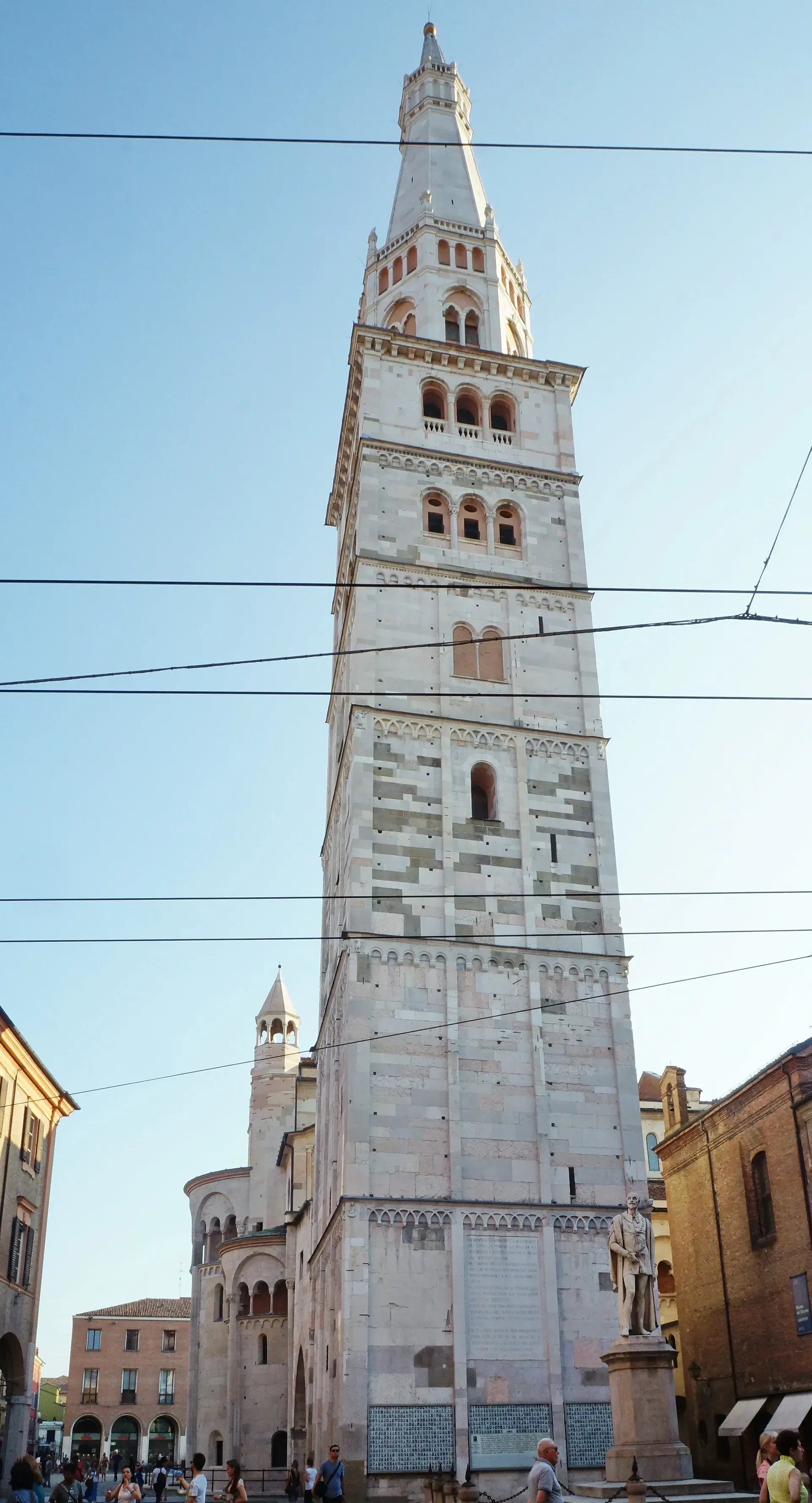
The stone stands as a testament to the complex history of Piazza Grande, where religious authority, municipal government, commerce, and discipline once converged. Along with the Modena Cathedral and the Ghirlandina civic bell tower, the square and its historic stone were inscribed as a UNESCO World Heritage site in 1997.
FAQ
Why is it called the Pietra Ringadora?
The name comes from the local dialect word aringare, which means to harangue or make a public speech, reflecting its medieval use as a platform for magistrates and orators.
How was the stone used to punish debtors?
Starting in the 15th century, insolvent debtors were paraded through the market, forced to strike their bare buttocks three times against the turpentine-coated stone, and made to chant that they were surrendering their goods.
What kind of rock is the Pietra Ringadora made of?
The stone is a roughly three-meter-long flat boulder made of reddish-pink Ammonitico Veronese limestone, which features visible natural marine fossil inclusions like ammonites.
Discover Modena like never before
Dive into Modena hidden stories and secret spots with Ciceru interactive tours.
Explore tour
Audioguide
Quizzes
Maps
Solo
Couples
Groups & families

© Photo by Laura Dot via Google Maps · Google Places