Chiesa di San Carlo al Corso: Noto's Baroque Masterpiece
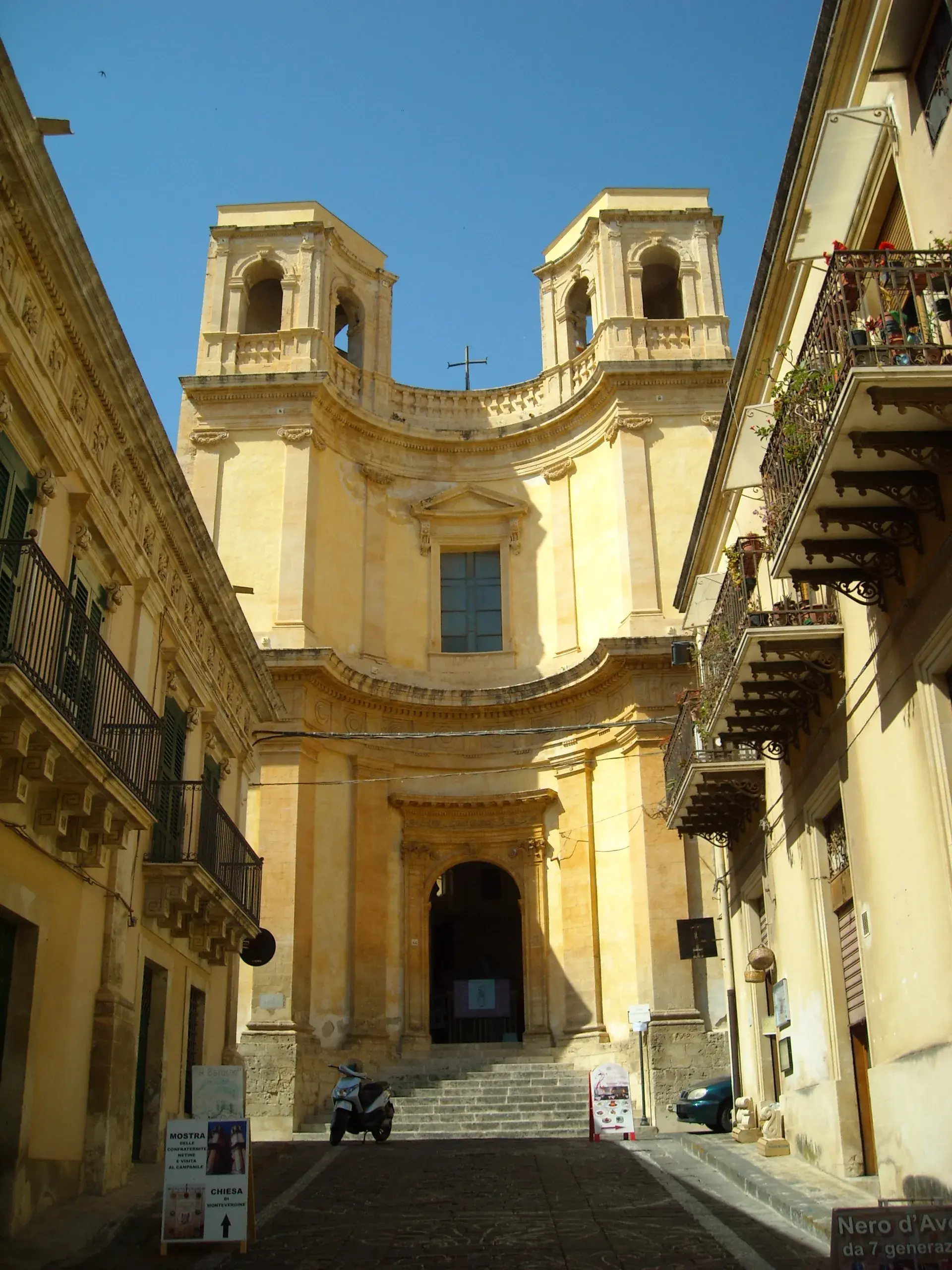
The Chiesa di San Carlo al Corso stands as a pivotal example of Sicilian Baroque architecture along Noto's main thoroughfare, Corso Vittorio Emanuele. Dedicated to San Carlo Borromeo, its undulating, concave facade creates a sense of movement and drama, embodying the city's rebirth in the Late Baroque style. The church is a key monument within the UNESCO World Heritage site of the Late Baroque Towns of the Val di Noto.
History and Reconstruction
The church's origins are tied to the catastrophic 1693 Val di Noto earthquake, which necessitated the complete rebuilding of the city. Constructed between 1736 and 1746, it was originally built as the church for the adjacent Jesuit college. The design is primarily attributed to Rosario Gagliardi, a master of the Baroque style who, remarkably, never left Sicily to study architecture. The Jesuit order was active at the college until their expulsion in 1767.
During the reconstruction of the Noto Cathedral, the Chiesa di San Carlo al Corso served a crucial role as a temporary 'vice-cathedral'. It housed the precious silver ark containing the relics of San Corrado Confalonieri, the patron saint of Noto. The church also underwent restoration after a collapse in 1996.
Architectural and Artistic Features
The facade is a masterclass in Baroque design, featuring a distinctive progression of classical columns. The lowest level uses the Doric order, the middle level is Ionic, and the upper level is Corinthian. This dynamic design contributes to its status as an architectural landmark.
Inside, the church contains significant artistic works, including frescoes by Costantino Carasi and marble statues of Faith and Hope by Giuseppe Giuliano. In a direct link to the city's past, both the main altar and one of the church's bells were salvaged from the previous Jesuit church in Noto Antica, the old city destroyed by the 1693 earthquake.
A Cinematic Landmark
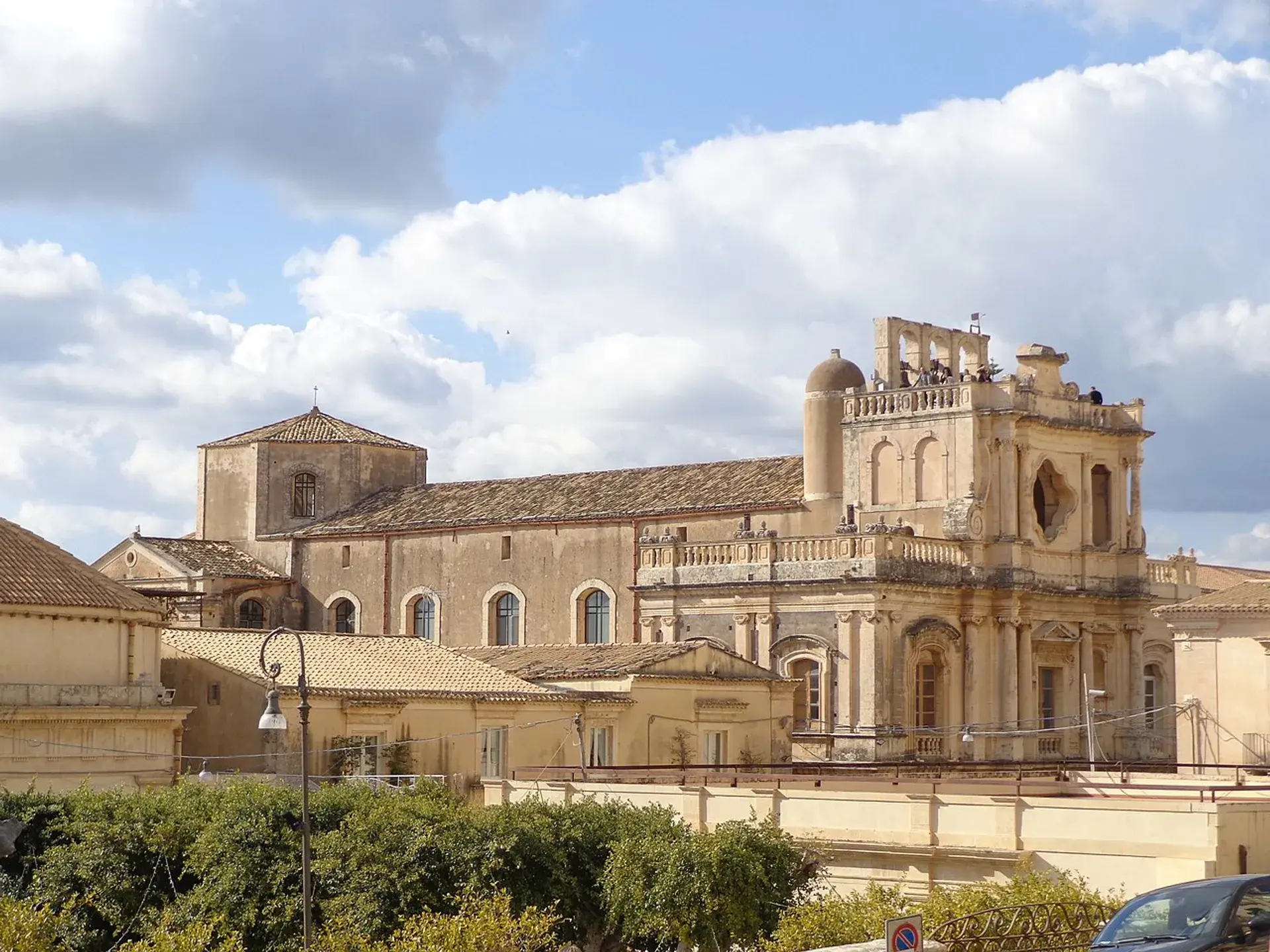
Beyond its religious and architectural significance, the church has a place in cinematic history. The terrace of its bell tower was used by acclaimed director Michelangelo Antonioni as a filming location for scenes in his 1960 movie, 'L'Avventura'.
The Church Today
Currently, the Chiesa di San Carlo al Corso is an active Roman Catholic church and a popular attraction. While entry into the church itself is free, visitors can climb the bell tower for a fee. The tower offers panoramic views of Noto's historic center, including the Noto Cathedral and the length of Corso Vittorio Emanuele.
FAQ
Who designed the Chiesa di San Carlo al Corso?
The design of the church is primarily attributed to Rosario Gagliardi, a prominent Sicilian Baroque architect.
Is there an entrance fee for the Chiesa di San Carlo al Corso?
Entry to the church itself is free. However, there is a fee to climb the bell tower for its panoramic views.
Why was the Chiesa di San Carlo al Corso built?
It was built as part of the massive reconstruction of Noto following the devastating 1693 earthquake. It originally served as the church for the Jesuit college.
What is the church's connection to the film 'L'Avventura'?
Director Michelangelo Antonioni used the church's bell tower terrace as a filming location for his 1960 movie 'L'Avventura'.