Chiesa di Santa Chiara: Noto's Baroque Gem
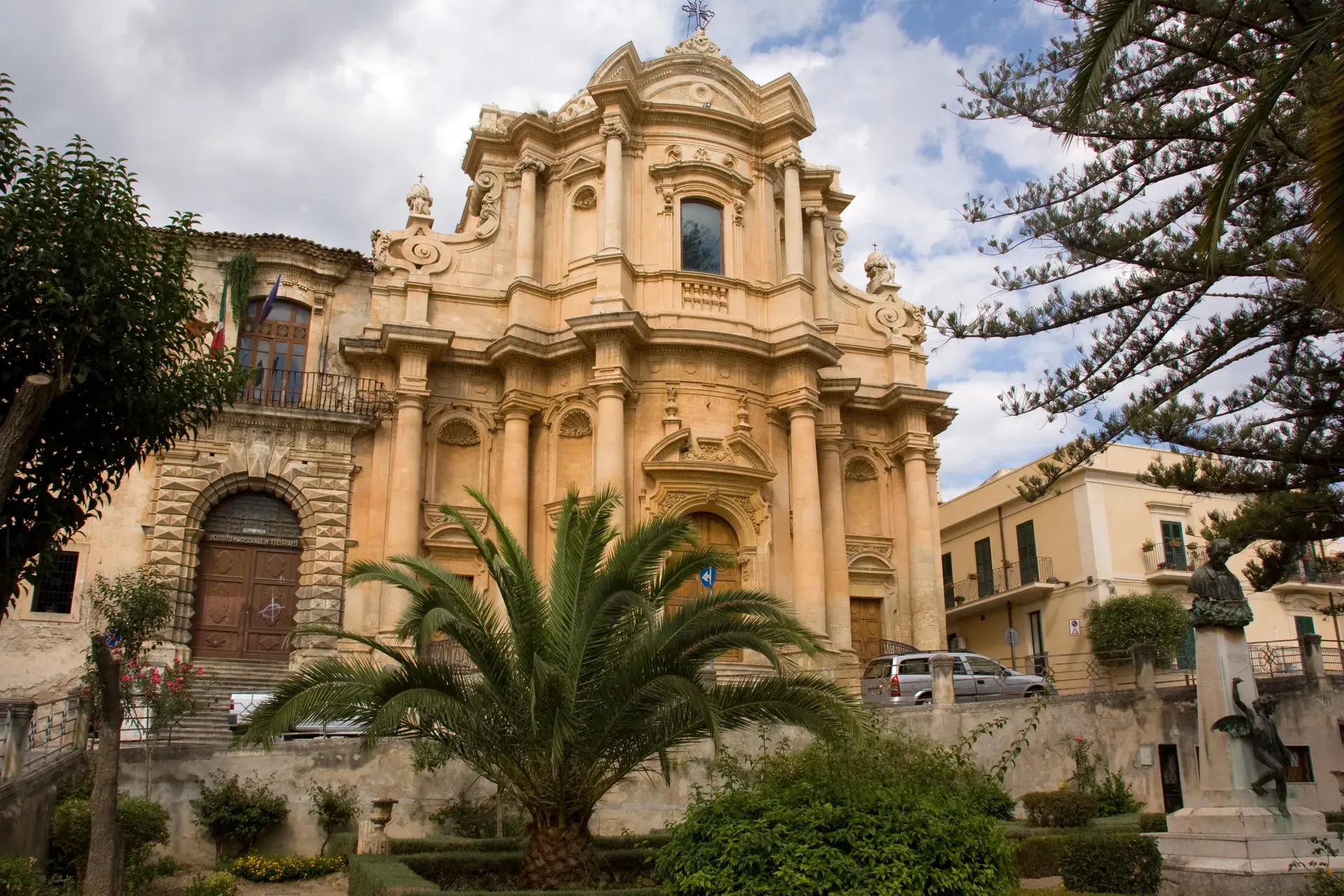
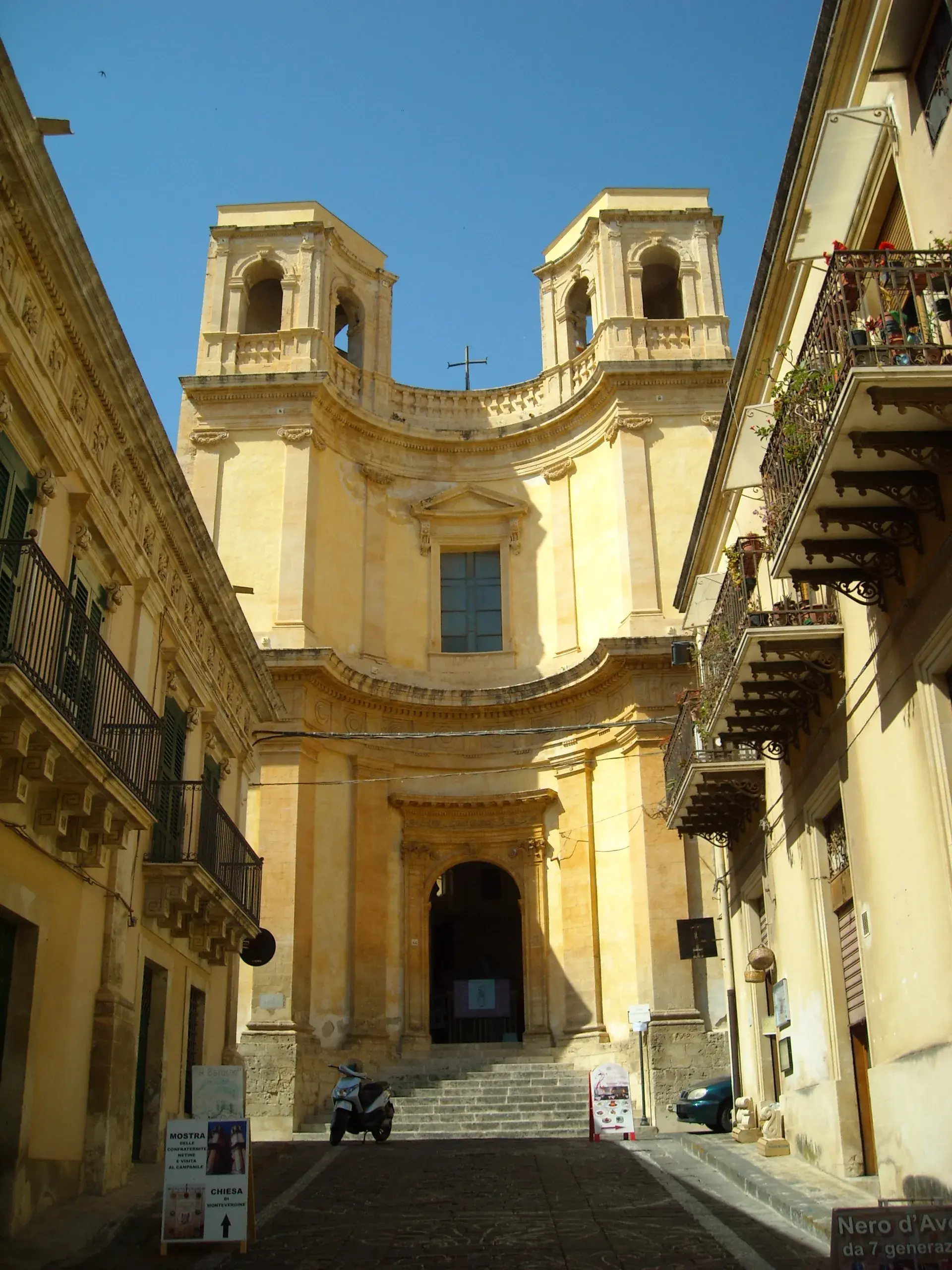
The Chiesa di Santa Chiara, officially known as the Chiesa di Santa Maria Assunta, is a prominent example of Sicilian Baroque architecture located on Noto's main thoroughfare, Corso Vittorio Emanuele. The church was designed in 1730 by the celebrated architect Rosario Gagliardi and completed in 1758. It stands as a testament to the city's remarkable reconstruction following a catastrophic earthquake.
Architectural Design and Interior
The church's elegant, curved facade is a highlight of the streetscape. Inside, it boasts a single, oval-shaped nave, a design considered rare for churches in Sicily during its construction. The interior is richly decorated with ornate stuccos and cherubs. Crowning the columns that line the nave are twelve statues of the Apostles created by the decorator Basile. Other significant artworks include an 1854 altarpiece by Salvatore Lo Forte depicting San Benedetto and Santa Scolastica, and a 16th-century marble statue of the Madonna and Child attributed to Antonello Gagini.
A Tale of Two Entrances
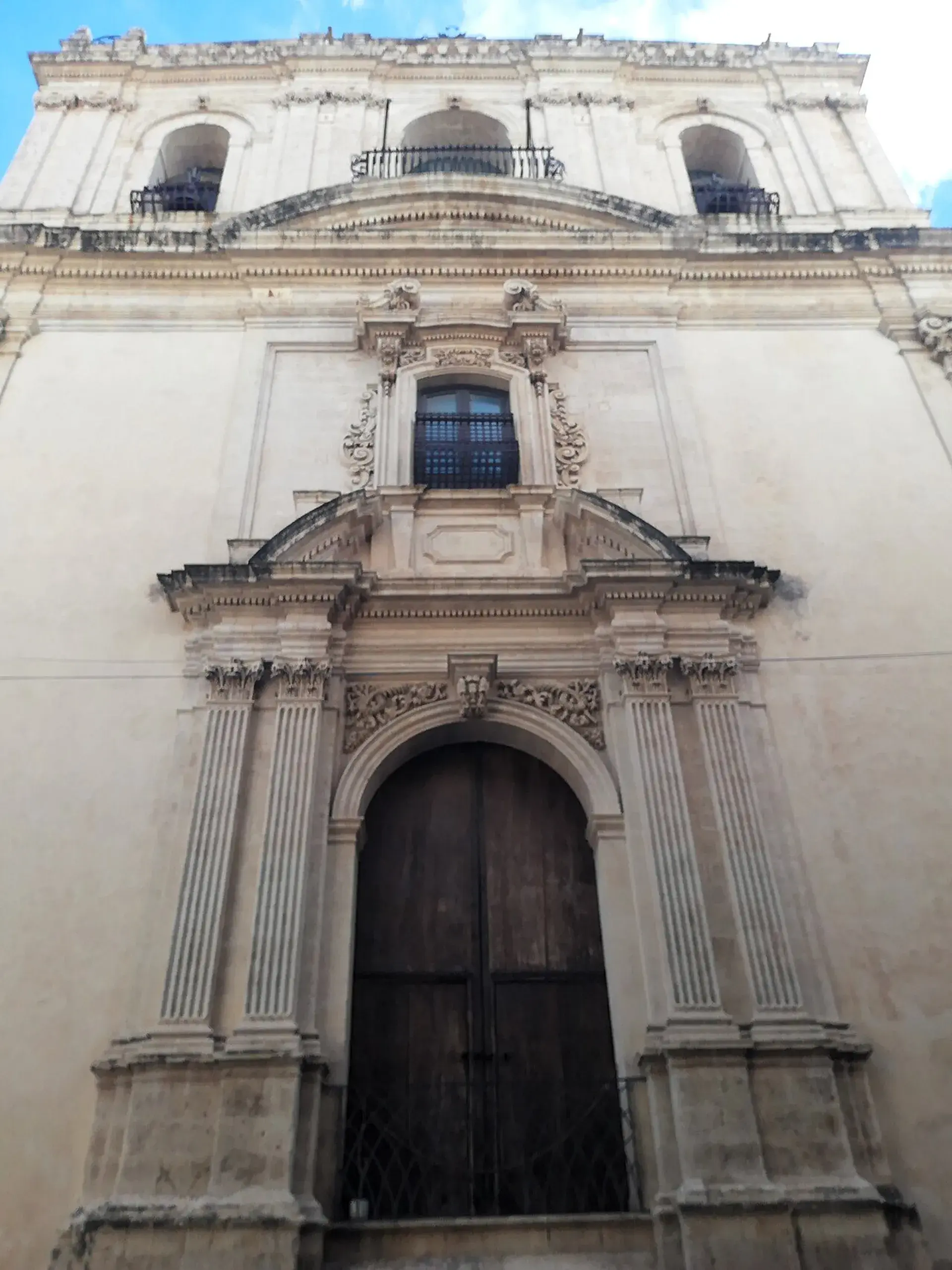
A striking feature of the church is its original main entrance on Corso Vittorio Emanuele, which is now bricked up and sits more than two meters above the current pavement. This unusual sight is the result of 19th-century earthworks that significantly lowered the street level, rendering the grand portal obsolete. Consequently, the church's primary access was permanently moved to a side entrance on Via Capponi.
Historical Context and UNESCO Status
The existence of Santa Chiara is intrinsically linked to the devastating 1693 Val di Noto earthquake, which completely destroyed the old city, Noto Antica. The city was rebuilt about four miles away, providing an opportunity for architects like Gagliardi to create a harmonious urban landscape in the late Baroque style, using the region's characteristic golden tufa stone. In recognition of this unique architectural achievement, the church, along with other monuments in the city, was designated part of the UNESCO World Heritage Site 'Late Baroque Towns of the Val di Noto' in 2002.
The Church and Convent Today
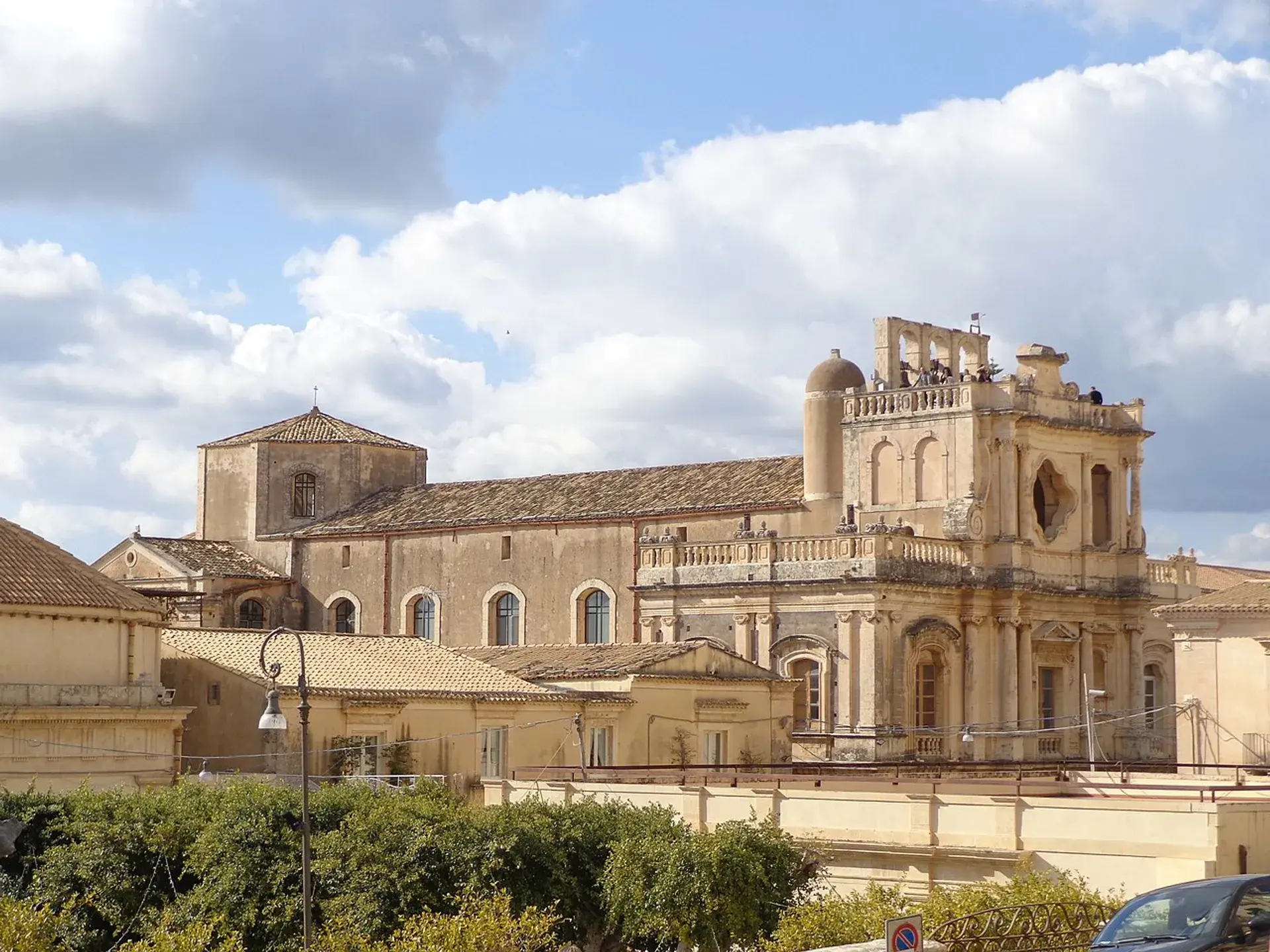
Today, the Chiesa di Santa Chiara remains an active place of worship. The adjoining former Benedictine convent now houses the Noto Civic Museum. For a separate fee, visitors can access the church's terrace, which offers panoramic views of Noto's skyline, including the Cathedral. The attached monastery is still home to cloistered nuns who once observed mass through special iron-grated openings to remain unseen by the public.
FAQ
Why is the main door of Chiesa di Santa Chiara so high up?
The original main entrance on Corso Vittorio Emanuele is elevated because the street level was significantly lowered in the 19th century. This change made the door inaccessible, leading it to be bricked up and the entrance moved to a side street, Via Capponi.
Who designed the Chiesa di Santa Chiara?
The church was designed in 1730 by Syracuse-born architect Rosario Gagliardi, a master of the Sicilian Baroque style. Construction was completed in 1758.
What is unique about the interior of Santa Chiara church?
The church features a single, oval-shaped nave, an architectural design that was uncommon in Sicily during the 18th century. The interior is also noted for its twelve statues of the Apostles that adorn the columns.
Is the Chiesa di Santa Chiara a UNESCO site?
Yes, in 2002, the church was included as part of the UNESCO World Heritage Site designation for the 'Late Baroque Towns of the Val di Noto,' recognizing the region's exceptional post-earthquake reconstruction.