Piazza del Duomo, Noto: A Baroque Masterpiece
Step into the magnificent Piazza del Duomo, the expansive heart of Noto, where the grandeur of the Cathedral and Palazzo Ducezio creates an unparalleled Baroque panorama. This square, also known as Piazza Municipio, is the centerpiece of a city recognized as a UNESCO World Heritage site for its exceptional architectural achievements.
A City Reborn from Ashes
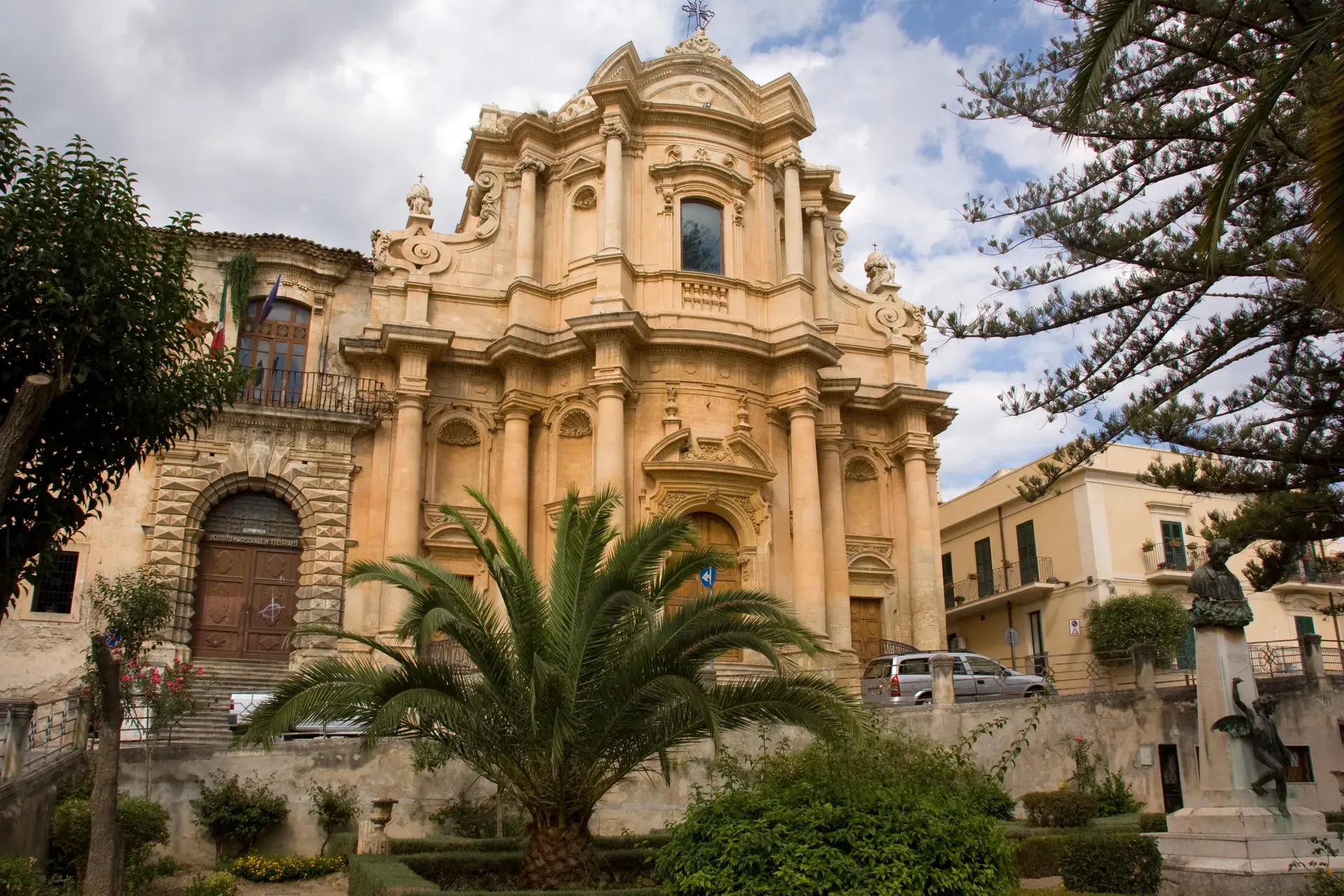
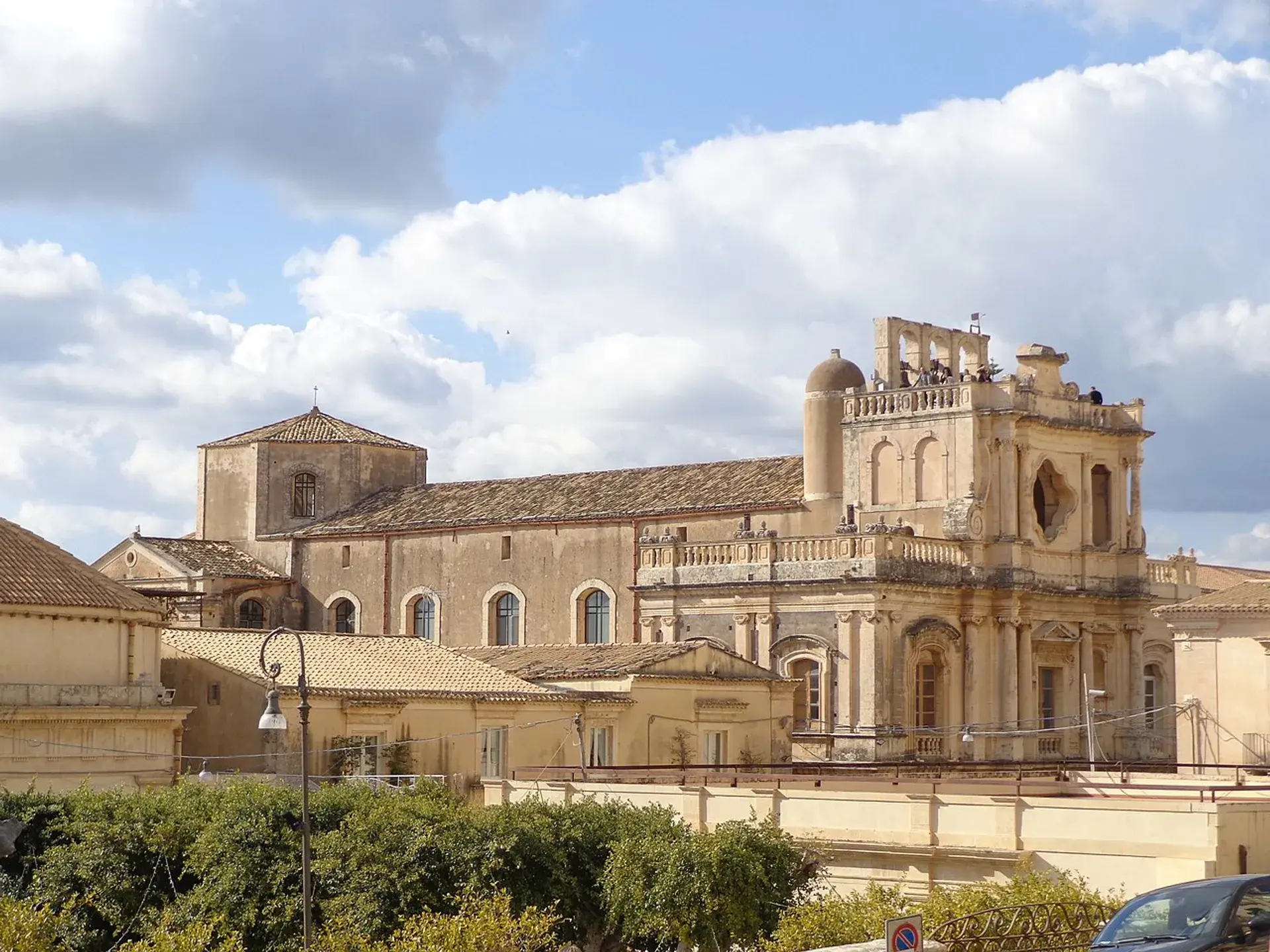
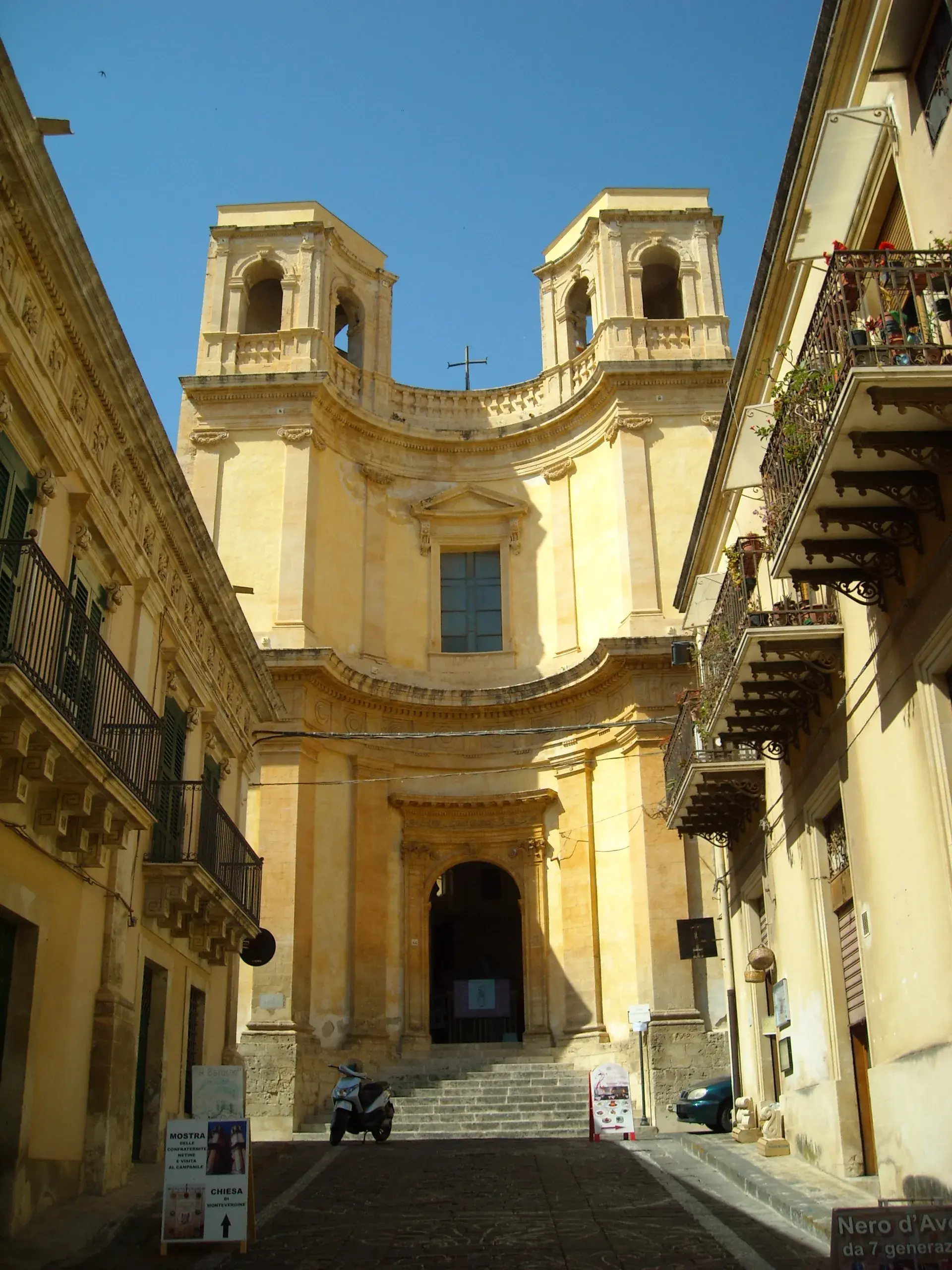
The existence of Piazza del Duomo and the entire city of Noto is a testament to resilience. Following a catastrophic earthquake in 1693 that completely destroyed the old city, an ambitious reconstruction effort began on a new site. This new Noto was meticulously planned to be a showpiece of the Sicilian Baroque style. The urban plan deliberately oriented the main streets from east to west to maximize sunlight throughout the day. Key architects of the era, including Rosario Gagliardi and Vincenzo Sinatra, were instrumental in shaping the city's distinctive and cohesive architectural identity.
Architectural Grandeur
The piazza is dominated by two magnificent structures facing each other. The Noto Cathedral, dedicated to Saint Nicholas of Myra, is a defining example of Sicilian Baroque. Its construction began in the early 18th century and concluded in 1776. The exterior is built from a local pale yellow limestone, a material soft enough for elaborate carving that gives the city its characteristic warm, golden glow, particularly at sunset.
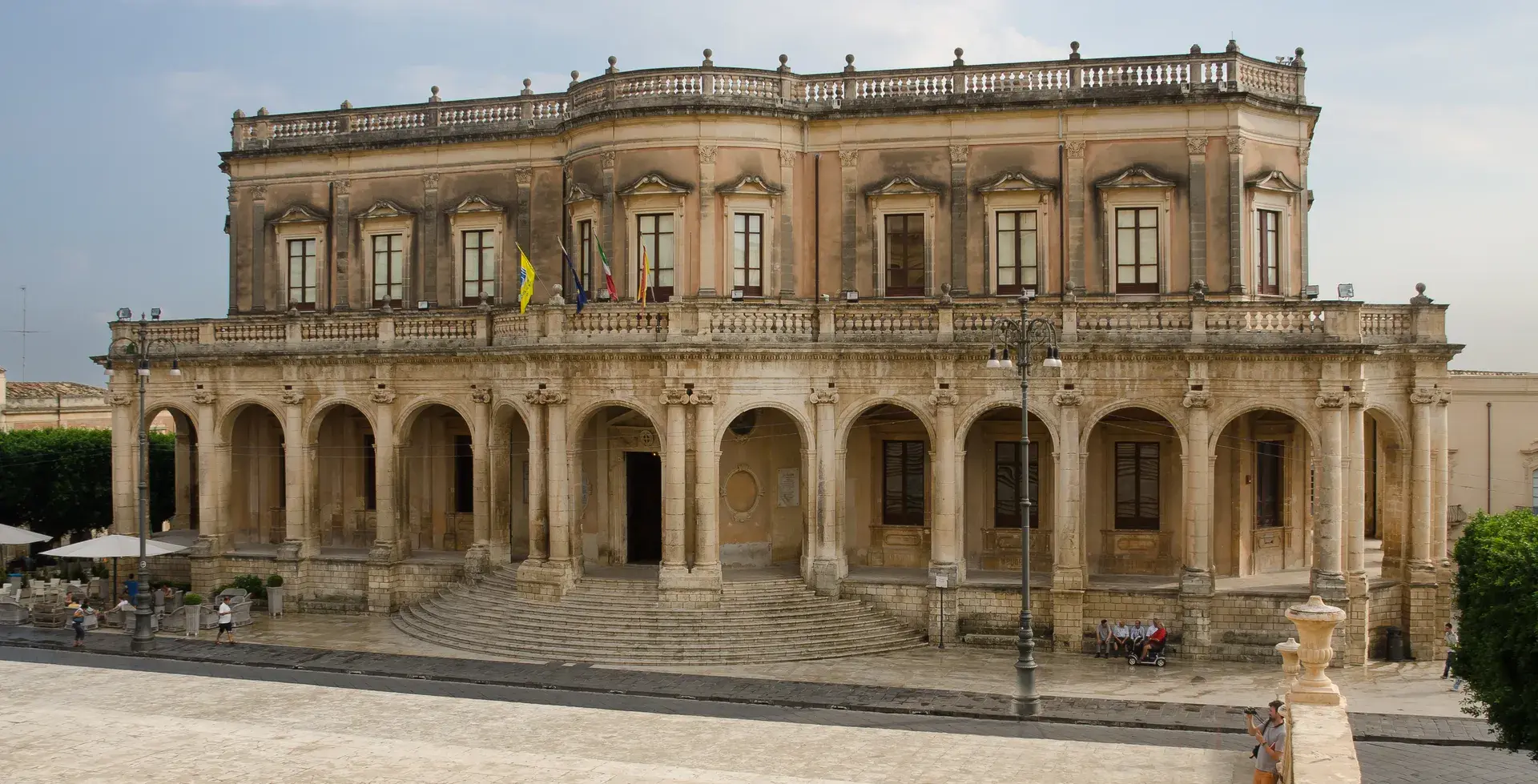
Across the square stands the Palazzo Ducezio, Noto's Town Hall. Designed by architect Vincenzo Sinatra, who also worked on the cathedral's façade, this elegant building perfectly complements the cathedral and reinforces the piazza's role as the civic and administrative heart of the city.
The Cathedral's Collapse and Resurrection
Noto Cathedral has a dramatic history marked by structural instability. After suffering two dome collapses in the 19th century, it was weakened by an earthquake in 1990. On March 13, 1996, disaster struck when the dome, the entire nave roof and vault, and large sections of the right aisle collapsed. The church had fortunately been closed to the public due to the earlier structural damage, so there were no casualties.
Investigations revealed that the collapse was partly due to a 1950s modification that replaced the original lightweight wooden roof with a much heavier concrete slab. The extensive reconstruction that followed was a remarkable feat, blending modern engineering with traditional 18th-century building techniques. The cathedral was triumphantly reopened on June 15, 2007.
The Piazza Today
Piazza del Duomo remains the vibrant central square of Noto, a primary gathering place for locals and visitors. It is the focus of public life, where people enjoy the traditional evening stroll, or passeggiata, and visit the surrounding cafes. The Noto Cathedral is an active Roman Catholic church and the episcopal seat of the Diocese of Noto. Its reconstructed interior now has a simple white finish, featuring new artworks like the altar by Giuseppe Ducrot and cupola frescoes by Oleg Supereko, replacing frescoes from the 1950s that were lost in the collapse.
FAQ
Why is Piazza del Duomo in Noto significant?
Piazza del Duomo is the heart of Noto, a UNESCO World Heritage site celebrated as a masterpiece of Sicilian Baroque urban planning. It was entirely rebuilt after the 1693 earthquake and features the iconic Noto Cathedral and Palazzo Ducezio.
What happened to the Noto Cathedral in 1996?
On March 13, 1996, the cathedral's dome, nave, and parts of an aisle collapsed. The collapse was attributed to structural weaknesses from a 1990 earthquake, compounded by ill-advised 1950s alterations that replaced the original roof with a heavy concrete one.
What are the main buildings in Piazza del Duomo?
The main buildings are the Noto Cathedral (Cattedrale di San Nicolò), an active Roman Catholic church, and the Palazzo Ducezio, which faces the cathedral and serves as the city's Municipal Hall.
What stone is used for the buildings in Piazza del Duomo?
The buildings are constructed from a local pale yellow or honey-colored limestone. This stone is known for its flexibility in carving and for giving off a warm, golden glow, especially as the sun sets.