Riga Cathedral: History, Architecture & Great Organ
An Iconic Baltic Landmark
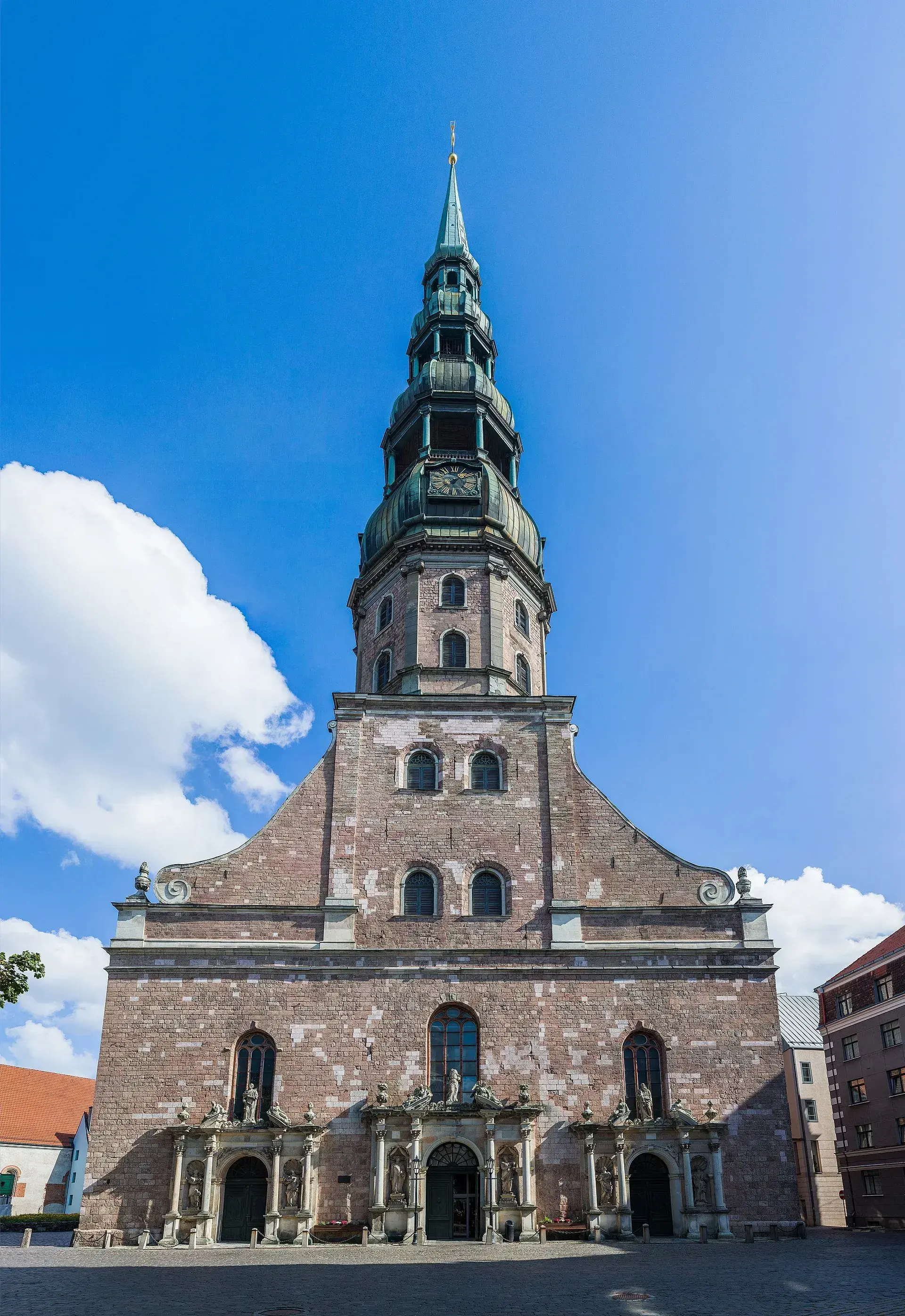
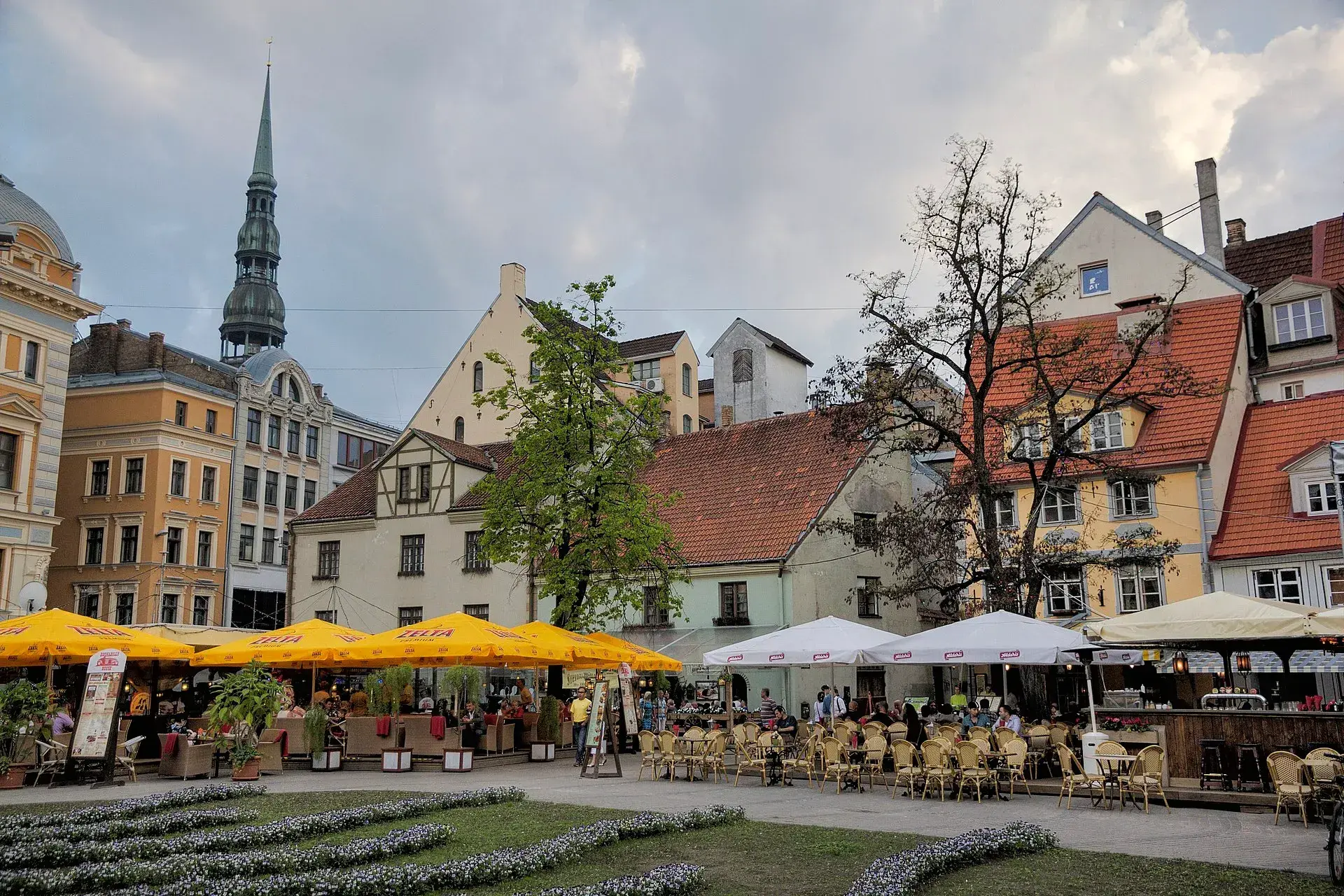
Riga Cathedral (Rīgas Doms), situated in Dome Square (Doma laukums) in Old Riga (Vecrīga), stands as the seat of the Archbishop of the Evangelical Lutheran Church of Latvia. Founded on July 25, 1211, by Bishop Albert of Riga, it is recognized as the largest medieval place of worship in the Baltic states. Positioned centrally between the Daugava River embankment, Riga Castle, the Three Brothers merchant houses, and Saint Peter's Church, it has served as an architectural and spiritual anchor for over eight centuries.
Due to centuries of urban accumulation, street repaving, and silting around Dome Square, modern ground levels have risen substantially. As a result, the cathedral floor sits noticeably below the surrounding street grade, requiring visitors to descend several stone steps upon entering the building.
Riga self guided walking tour with Ciceru
2 hours9 stopsAudio guideStart any day, at your own paceTicket on your phone · 30-day refundCenturies of Architectural Evolution
The cathedral exhibits an amalgamation of architectural eras. Following a town fire in 1215, initial construction accelerated, transitioning from limestone blocks—which remain visible at corner junctions—to red brick masonry. Originally planned as a hall church, the building was expanded and heightened into a Gothic basilica with side chapels and a tall western spire during the 14th and 15th centuries.
Over the centuries, war and natural disasters reshaped the structure. A major fire destroyed the Gothic spire in 1547, leading to the construction of a pyramidal replacement tower completed in 1595. After severe roof damage occurred during the Russian siege of Riga in 1710, a late 18th-century reconstruction replaced the earlier spire with the current Baroque cupola and spire. The top of the tower features a weathercock rooster rather than a cross, symbolizing vigilance, dawn, and the dispersal of evil. The original 1595 weathercock is preserved within the adjacent cloister galleries.
The Walcker Pipe Organ
Riga Cathedral houses one of the world's most significant Late Romantic mechanical pipe organs. Constructed between 1882 and 1883 by the German firm E.F. Walcker & Co. and inaugurated in January 1884, the instrument contains 124 stops, 4 manuals, and 6,718 pipes. The pipes range dramatically in size, from wooden pipes exceeding 10 meters in height to metal pipes measuring only 13 millimeters, allowing it to produce an orchestral dynamic range.
The organ was engineered with two playing consoles: a primary four-manual console located in the upper organ balcony and an auxiliary console situated in the lower choir gallery. To mark its 1884 inauguration, Hungarian composer Franz Liszt composed the dedication chorale Nun danket alle Gott, despite having never visited Riga.
Secularization and Modern Day Use
Between 1959 and 1962, Soviet authorities banned religious services and secularized the cathedral. Rather than shuttering the building, officials converted the nave into a state concert hall by dismantling the altar and rotating all congregational seating 180 degrees to face the organ loft. Following Latvian independence, the cathedral was restored to the Lutheran Church in 1991.
Today, the cathedral maintains an active liturgical schedule, hosting weekly services and major national ecumenical events. It also functions year-round as a prominent classical concert venue, holding regular evening performances and daily 20-minute midday organ recitals (Concerto Piccolo). Ticketed admission outside service hours provides access to the nave, the interior, and the 13th-century Romanesque cloister, which adjoins the Museum of the History of Riga and Navigation and exhibits antique cannons and architectural carvings.
FAQ
When was Riga Cathedral founded?
Riga Cathedral was founded on July 25, 1211, by Livonian Bishop Albert of Riga.
What are the specifications of the Riga Cathedral pipe organ?
Built by E.F. Walcker & Co. between 1882 and 1883, the organ features 124 stops, 4 manuals, and 6,718 pipes ranging from 13 millimeters to over 10 meters in length.
Why is there a rooster on the cathedral spire instead of a cross?
In local tradition, the rooster weathercock symbolizes vigilance, the break of day, and the scaring away of evil forces. The original 1595 rooster is displayed in the cathedral's cloister museum.
How was the cathedral altered during the Soviet era?
Between 1959 and 1962, Soviet authorities halted worship, removed the altar, and turned all pews 180 degrees to face the organ balcony so the space could operate solely as a state concert hall.