Simono Firkovičiaus Square in Trakai, Lithuania
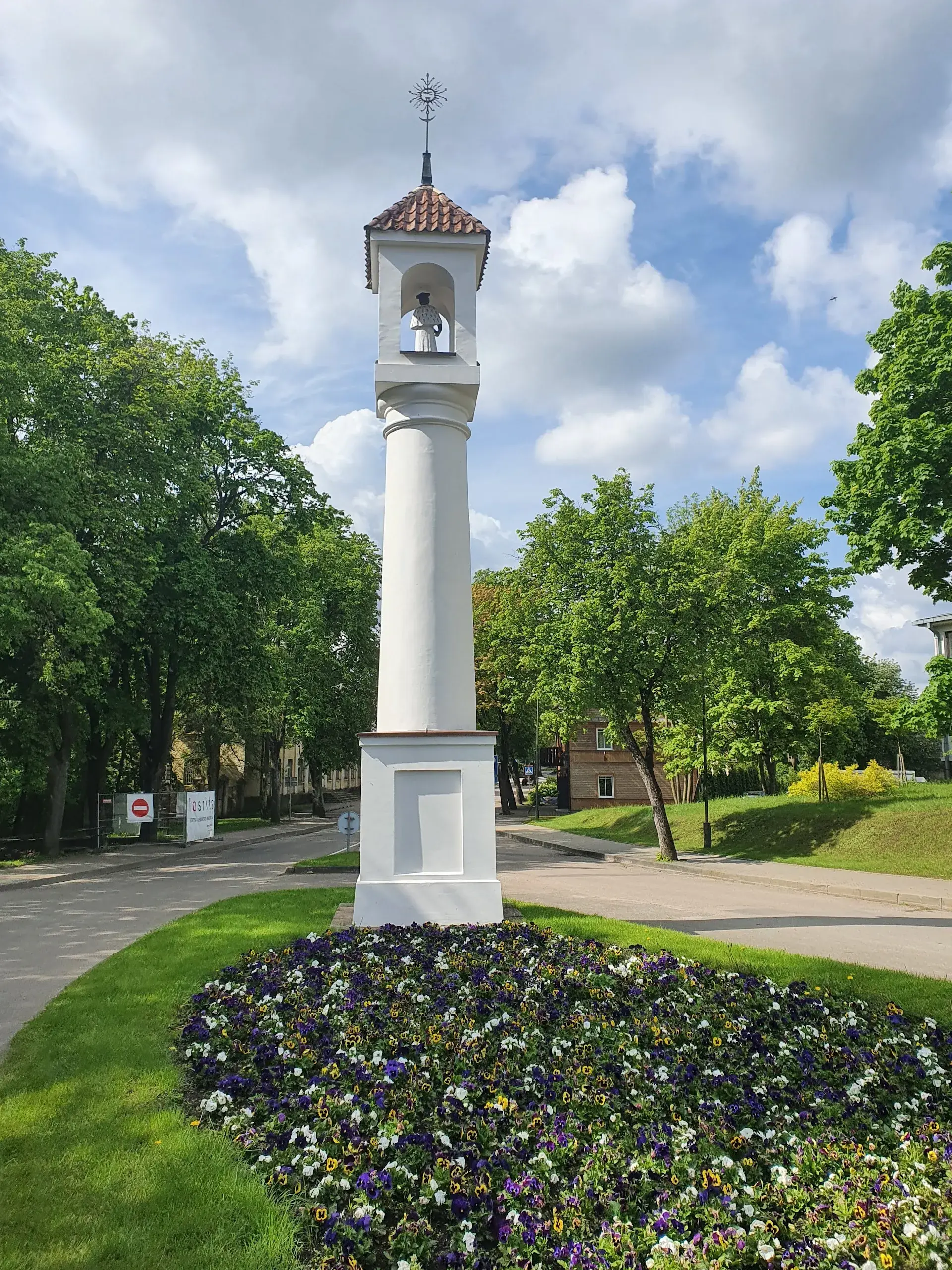
Simono Firkovičiaus Square is a tranquil historical landmark in Trakai, Lithuania, honoring a prominent Karaite leader. Situated on the historic Karaimų (Karaite) Street, the square serves as a gateway for visitors heading towards the iconic Trakai Island Castle and offers a glimpse into the unique heritage of the Karaite community.
A Modern Tribute in a Historic Setting
Located within the historic Karaite quarter, Simono Firkovičiaus skveras was officially named by the Trakai District Municipality Council on June 1, 2017, and formally opened on July 18 of the same year. The dedication coincided with two significant anniversaries: the 620th year of Karaite settlement in Lithuania and the 120th birth anniversary of the square's namesake. Today, it functions as a public space and a point of recognition for Trakai's enduring multi-ethnic identity.
The Legacy of Simonas Firkovičius
The square is named for Simonas Firkovičius (1897-1982), a central figure in the 20th-century Karaite community. Born in Trakai, he became the senior clergyman (hazan) in 1920 and held the position for nearly 60 years until his death. His leadership was pivotal in preserving Karaite culture and religion, particularly during the challenging Soviet period.
When official worship at the Trakai Kenesa became unsafe for many community members, Firkovičius demonstrated immense courage by secretly conducting religious services in his private home at Karaimų Street 42. His defiance ensured that the Trakai Kenesa remained the only functioning Karaite house of worship in the entire Soviet Union. Beyond his spiritual duties, Firkovičius was a prolific cultural figure who wrote poems and plays for the amateur Karaite theatre, often depicting local life.
The Karaite Quarter of Trakai
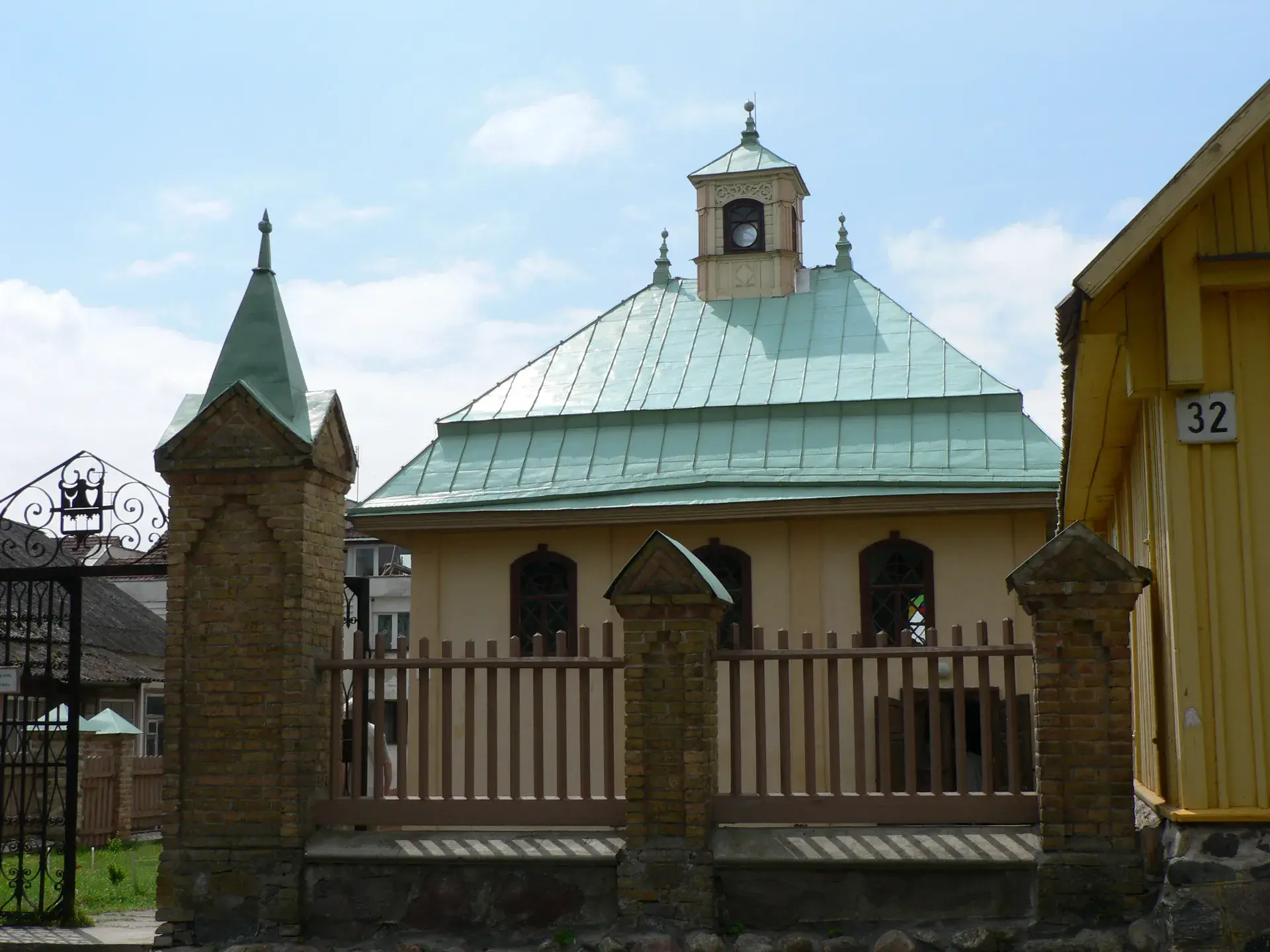
The square is an integral part of the historic Karaite settlement, known as the 'Small Town'. The Karaites were brought to Trakai by Grand Duke Vytautas the Great around 1397-1398 to serve as guards for the castles and bridge. The neighborhood retains its distinct character, with many traditional wooden houses lining Karaimų Street.
These homes are famously characterized by having three windows facing the street. While a popular legend suggests the windows honor God, Vytautas the Great, and the homeowner, the factual reason was economic. The number of windows was tied to the tribute paid to the Grand Duke, with wealthier residents able to afford more. Today, some of these historic houses have been converted into cafes and restaurants offering traditional Karaite cuisine, such as 'kibinai'. The Karaite house of worship, the Kenesa, is also located nearby.
FAQ
Who was Simonas Firkovičius?
Simonas Firkovičius (1897-1982) was a prominent spiritual leader (hazan), poet, and cultural figure of the Trakai Karaite community. He served as the senior clergyman for nearly 60 years and was instrumental in preserving Karaite culture and religion, especially during the Soviet era.
Why are the houses on Karaimų Street notable?
The street features traditional Karaite wooden houses, many of which are distinguished by having three windows facing the street. While legend offers a symbolic reason, the number of windows was historically related to the amount of tribute the homeowner paid to the Grand Duke.
What is the history of the Karaite community in Trakai?
Karaites were settled in Trakai around 1397-1398 by Grand Duke Vytautas the Great. They established themselves in an area known as the 'Small Town' on the peninsula and originally served as guards for the castles.
When was Simono Firkovičiaus Square established?
The square was officially named on June 1, 2017, and formally opened on July 18, 2017, to commemorate the 620th anniversary of Karaite settlement in Lithuania and the 120th birth anniversary of Simonas Firkovičius.