Trakai's Traditional Karaim Houses: A Living Heritage
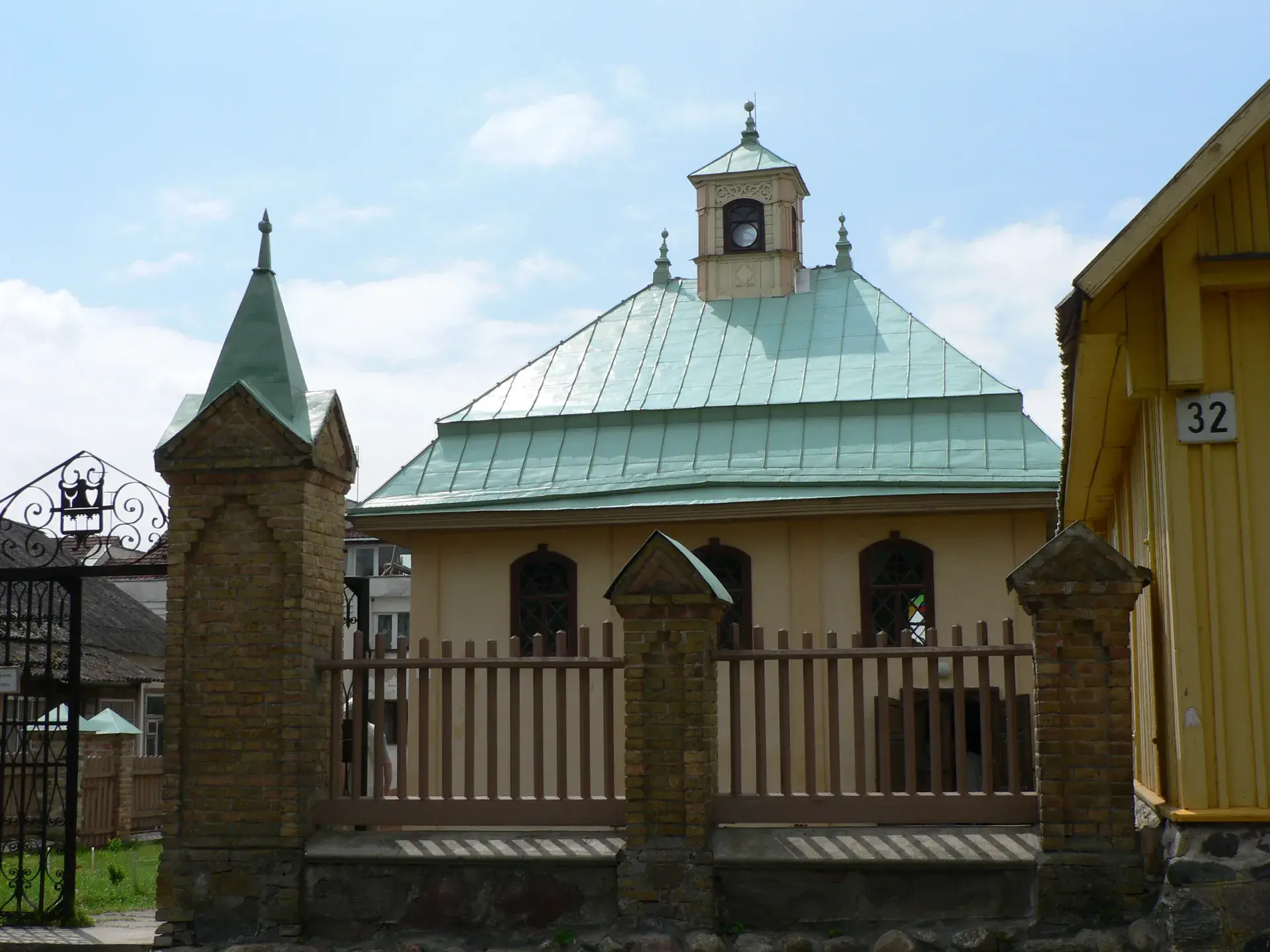
The vibrantly painted Traditional Karaim Houses are a defining feature of Trakai, Lithuania. These distinctive wooden dwellings, easily identified by their characteristic three windows facing the street, vividly showcase the enduring architectural style and cultural heritage of Trakai's Karaim community.
A History Forged by a Grand Duke
The story of these houses begins with the Karaim people, a Turkic ethnic group practicing Karaite Judaism. Between 1397 and 1398, Grand Duke Vytautas of Lithuania brought several hundred Karaim families from Crimea to Trakai. They were strategically settled on what is now Karaimu Street, between the Grand Duke's two castles, to serve as castle guards, interpreters, and scribes. The Karaim community holds Vytautas the Great in high esteem, referring to him as "Vyta bay," which means "the king who crushes enemies." Over time, their roles evolved from military service to crafts, trade, and gardening, with a particular reputation for growing cucumbers.
The Meaning Behind the Three Windows
A prominent feature of the traditional Karaim house is its facade with three windows. A popular legend suggests that one window is dedicated to God, another to Grand Duke Vytautas, and the third to the homeowner. However, the historical reality is rooted in economics. In medieval times, windows were considered a luxury, and a tax or tribute was required to install them. The number of windows on a house, therefore, signified the wealth of its owner. More affluent Karaim residents could afford to purchase three windows, while less prosperous families might have only one or two.
A Living Community and Culture
Today, Karaimu Street remains a vibrant center of Karaim life. Many of the traditional houses are still private residences, maintaining their colorful exteriors. Others have been converted into cafes and restaurants, offering visitors a taste of traditional Karaim cuisine, including the famous "kibinai"—crescent-shaped pastries filled with meat and onions.
The Karaim community in Lithuania, though small with about 200-250 members, actively preserves its heritage. Their language, a West Kipchak Turkic language, is listed by UNESCO as critically endangered, yet the Trakai dialect remains a living language used in daily life and liturgy. For deeper insight into their culture, the S. Shapshal Karaite Ethnographic Museum displays artifacts related to Karaim history, customs, and daily life.
FAQ
Why do traditional Karaim houses have three windows?
While a popular legend says the three windows are for God, Grand Duke Vytautas, and the family, the historical reason is economic. In medieval times, windows were a taxed luxury, so having three windows was a sign of a wealthier resident who could afford the tribute.
Who are the Karaims of Trakai?
The Karaims are a Turkic ethnic group practicing Karaite Judaism. They were brought from Crimea to Trakai by Grand Duke Vytautas of Lithuania around 1397-1398 to serve as castle guards and scribes.
What is a 'kibinai'?
A 'kibinai' is a traditional Karaim dish. It is a crescent-shaped pastry typically filled with meat and onions. Many former Karaim houses in Trakai now operate as restaurants where visitors can try this local specialty.
Is the Karaim language still spoken?
Yes, although the Karaim language is listed by UNESCO as critically endangered, the Trakai dialect is considered a living language, still used by its native speakers in daily life, liturgy, and ceremonies.