Trakai Peninsula Castle: History of the Great Castle
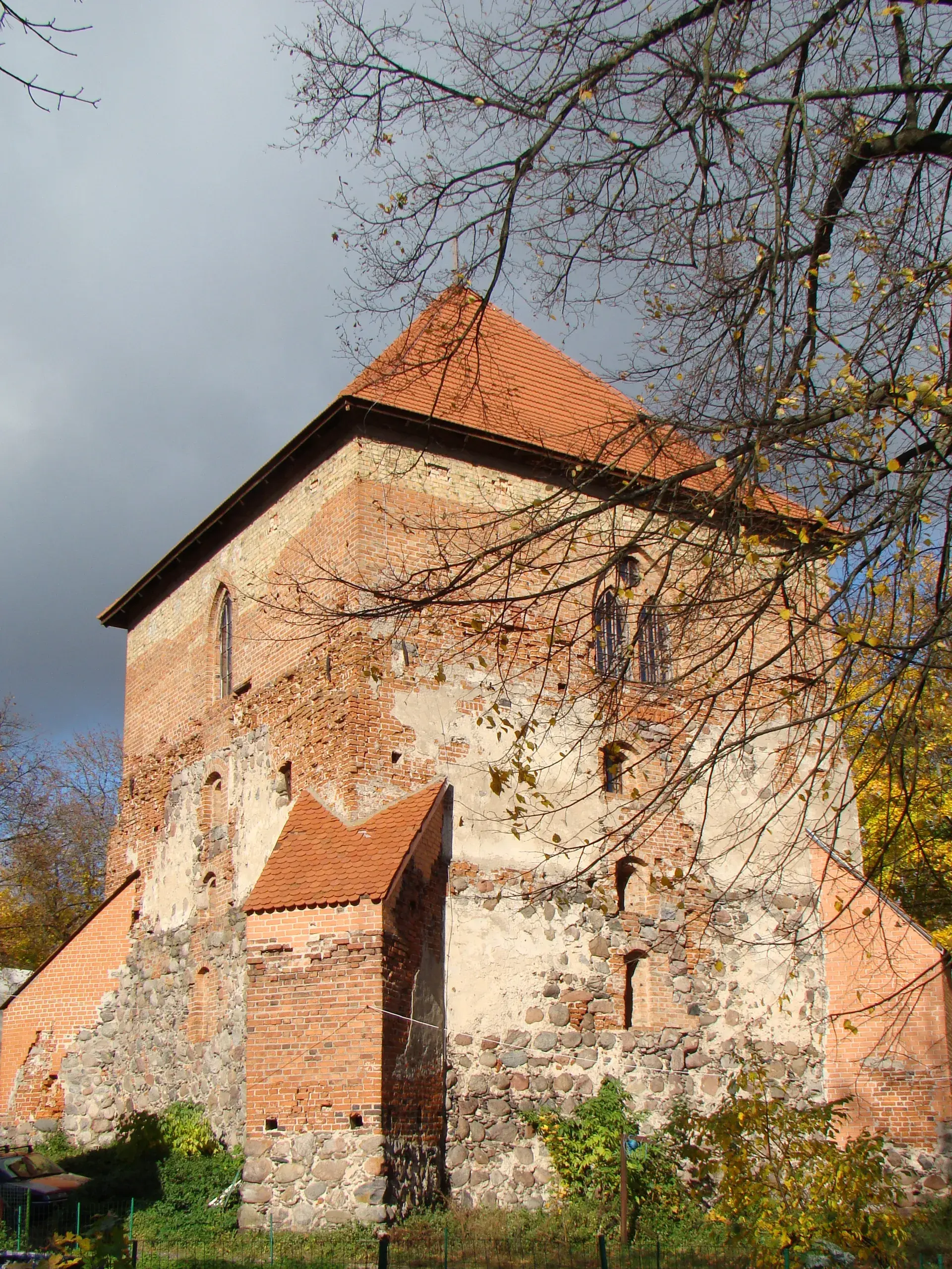
Trakai Peninsula Castle, also known as the Great Castle, stands as a testament to Lithuania's complex medieval history. Initially constructed between 1350 and 1377, this fortress was once larger and more significant than the more famous Trakai Island Castle. Its remaining walls and foundations offer a glimpse into a formidable past that shaped the region.
A Formidable Medieval Stronghold
The castle's construction was initiated by Grand Duke Kęstutis as a critical defensive bulwark for the Grand Duchy of Lithuania. Built in the Brick Gothic style, the fortress was one of the largest of its kind in 15th-century Lithuania, spanning four hectares and fortified with 11 defensive towers. Its primary purpose was to protect the capital, Trakai, and nearby Vilnius from the encroaching Teutonic Knights. The castle proved its strength by withstanding repeated attacks in 1382, 1383, and 1390 during periods of civil war.
From Residence to Ruin
After the 1422 Treaty of Melno diminished the threat from the Teutonic Knights, the castle's military importance waned. It transitioned into a ducal residence, but its history took a dark turn on March 20, 1440, when Grand Duke Sigismund Kęstutaitis was assassinated within its walls. By the 16th century, it was repurposed as a prison for high-ranking state enemies. During its decline, historical accounts suggest locals began dismantling the walls to repurpose the bricks for their own homes. The castle suffered extensive destruction during the Russo-Polish War of 1654–1667, from which it never fully recovered.
A Complex and Varied Legacy
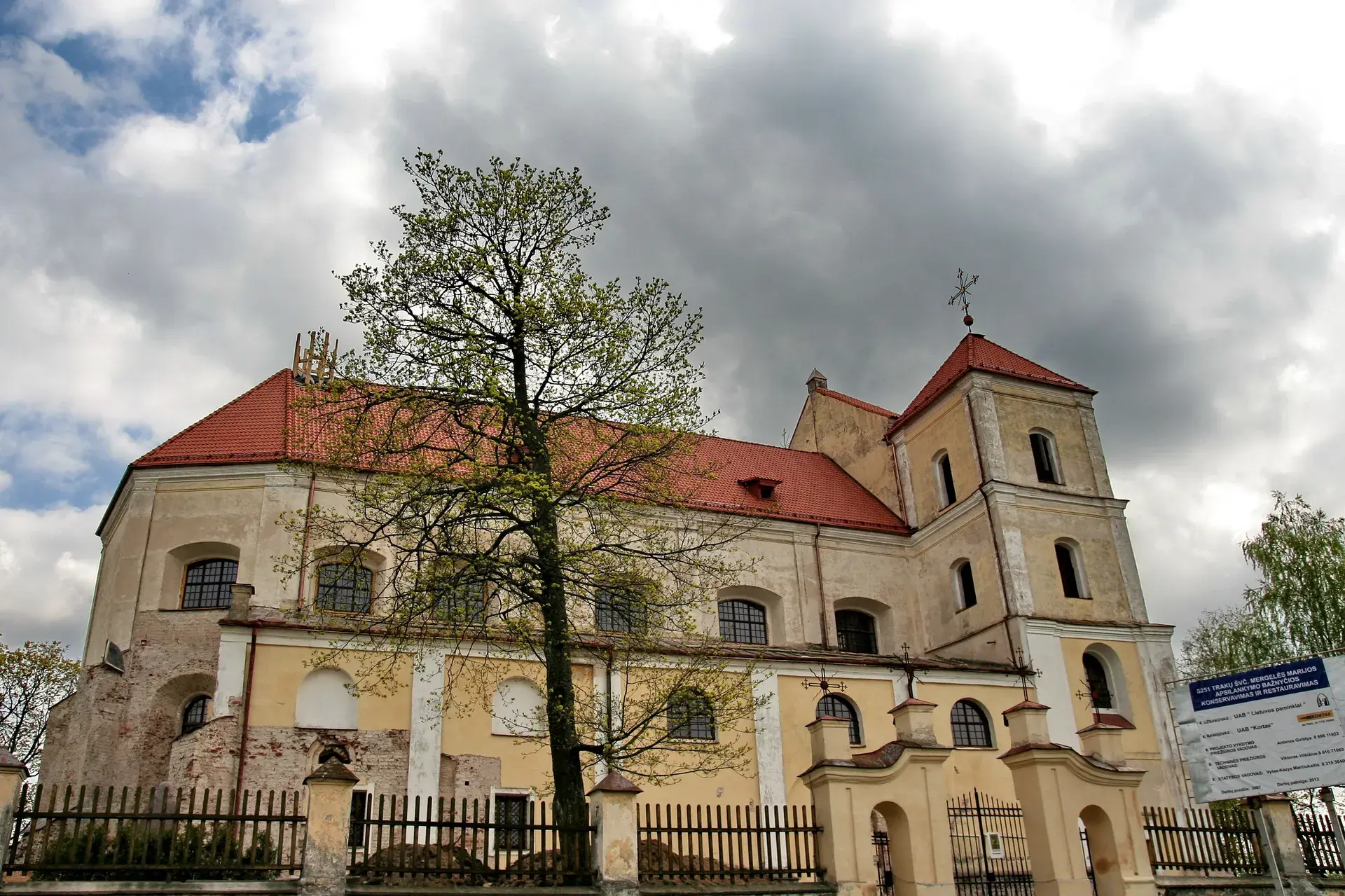
Following its military decline, the castle grounds were granted to a Dominican cloister in 1678. The site's history continued to evolve through centuries of occupation and conflict. It later served as a police station and court under the Russian Empire. The 20th century added grim chapters to its story, as it was used as an operational base for the Gestapo during World War II and subsequently as a KGB prison after the war. Restoration efforts to preserve the historic structure were undertaken in the 20th century, led by figures like J. Borowski and Bronislovas Krūminis.
The Castle Today
Today, Trakai Peninsula Castle is an integral part of the Trakai History Museum and is accessible to the public. The former Dominican monastery chapel on the grounds now houses a Sacral Art Exhibition, which opened in 2005 and displays over 200 unique liturgical items and religious paintings. The castle complex is a vibrant cultural hub, hosting events such as medieval craft demonstrations and an annual celebration of the Middle Ages each June.
FAQ
What is Trakai Peninsula Castle?
Trakai Peninsula Castle is a 14th-century Brick Gothic fortress in Trakai, Lithuania. Initially larger and more important than the nearby Island Castle, it served as a key defensive structure, a ducal residence, and later a prison.
Can you visit Trakai Peninsula Castle?
Yes, the castle ruins are part of the Trakai History Museum and are open to visitors. The site features a Sacral Art Exhibition and hosts various cultural events throughout the year.
What is the historical significance of Trakai Peninsula Castle?
It was a critical defensive fortress protecting Lithuania from the Teutonic Knights. It was also the site of the 1440 assassination of Grand Duke Sigismund Kęstutaitis and later served grim roles as a Gestapo outpost and a KGB prison.
Who built the Trakai Peninsula Castle?
Construction was initiated by Grand Duke Kęstutis around 1350–1377. It was built in two main phases, from 1362–1382 and 1414–1430, under the patronage of Grand Dukes Kęstutis and Vytautas the Great.