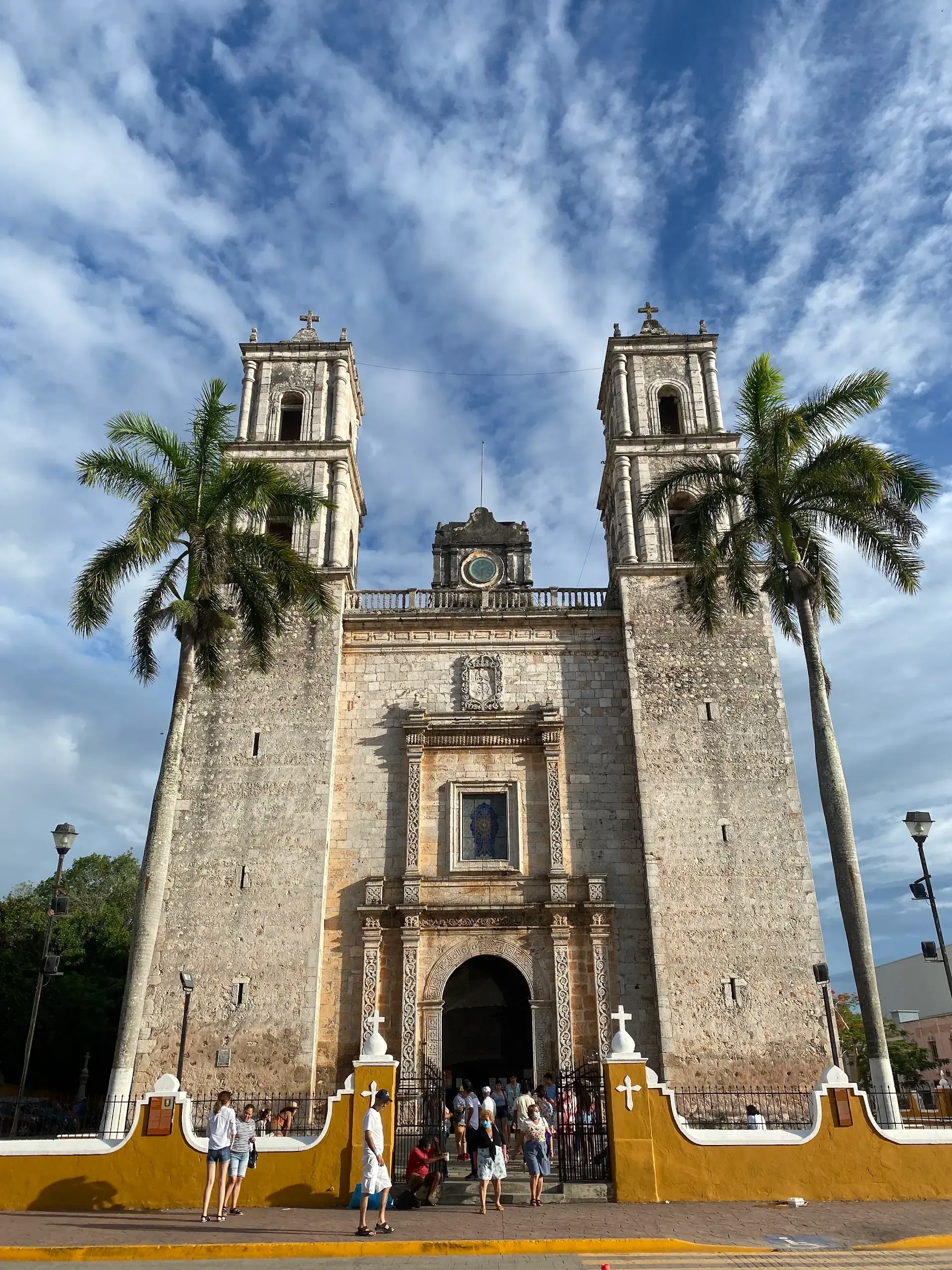
Convento de San Bernardino de Siena: History & Cenote
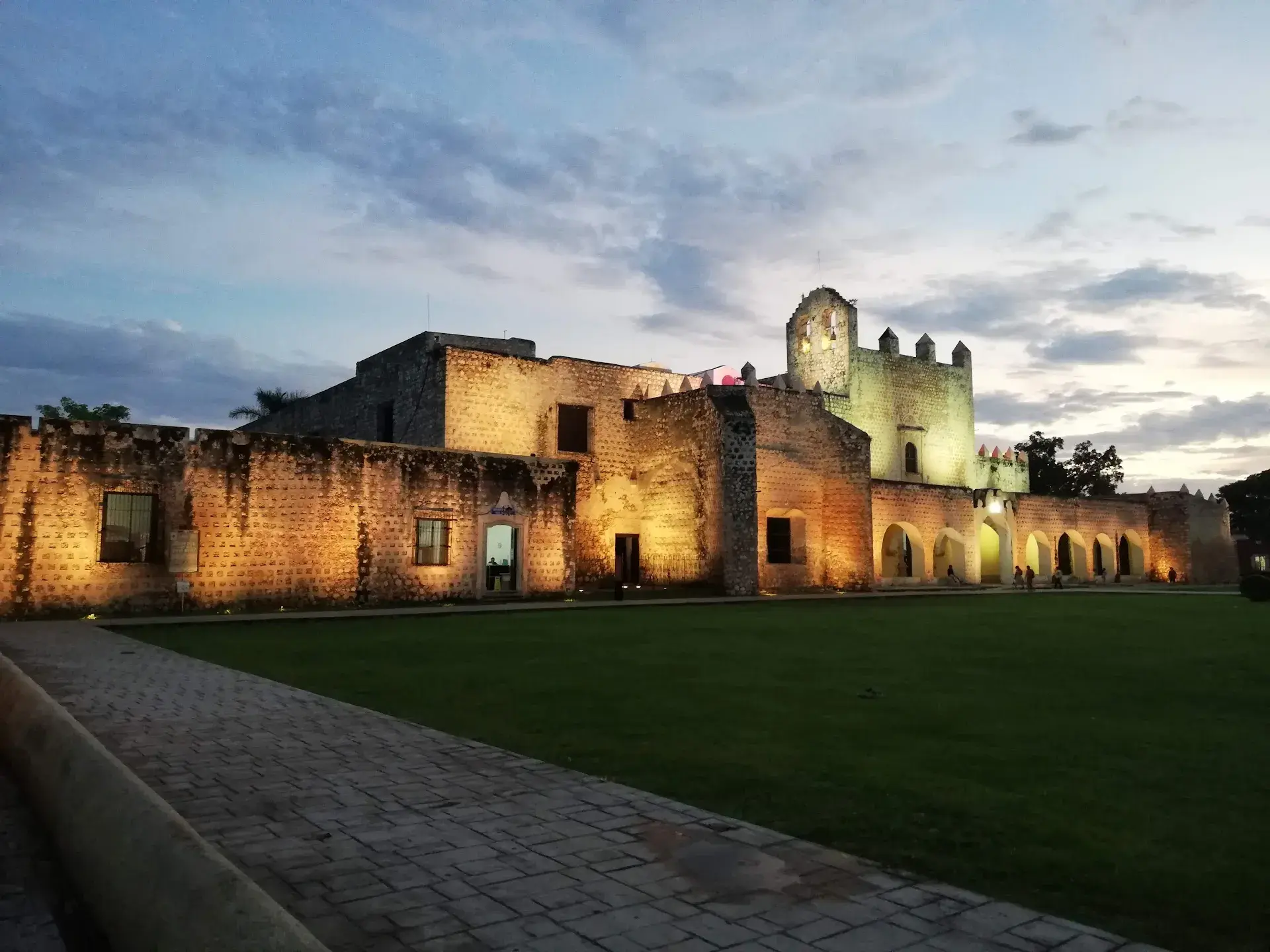
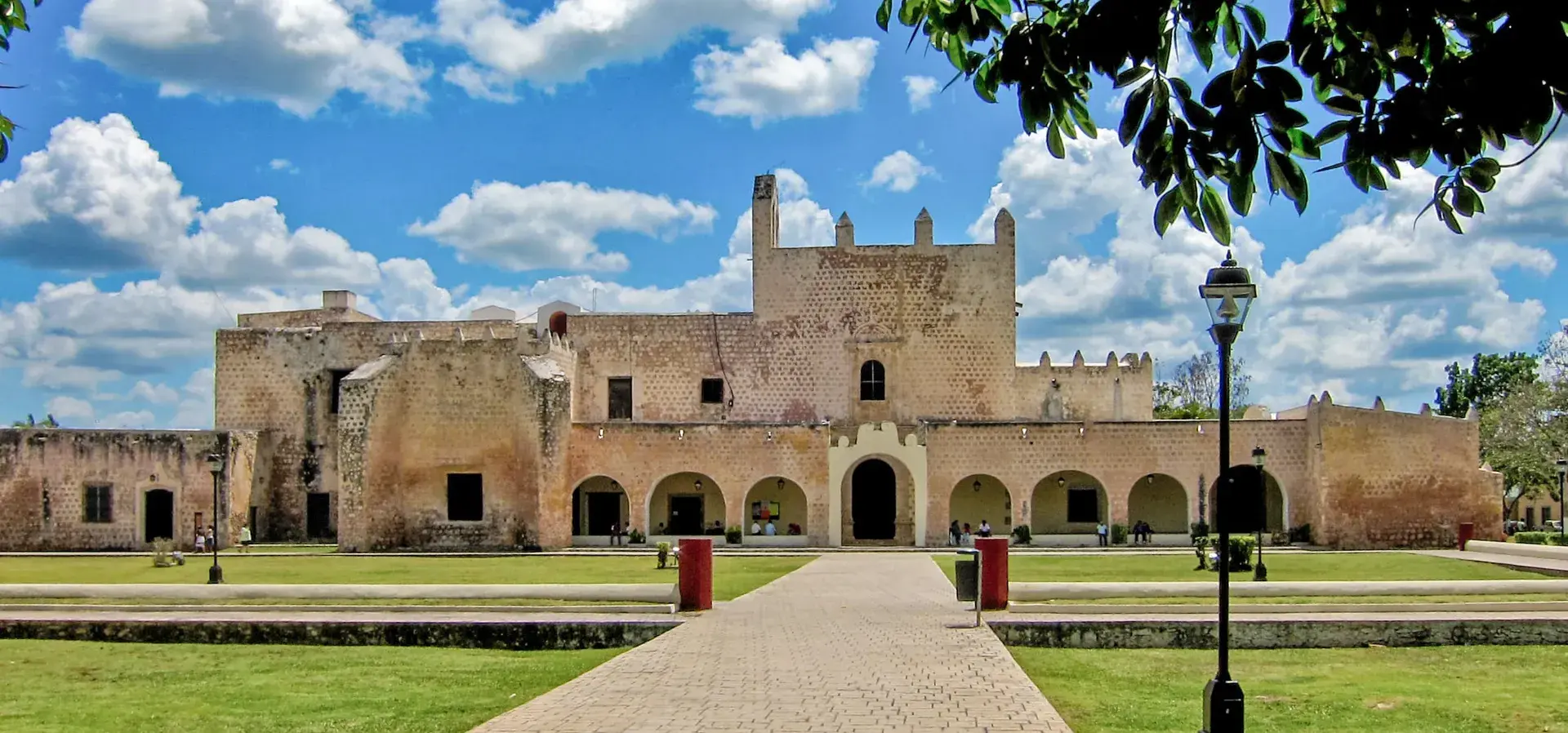
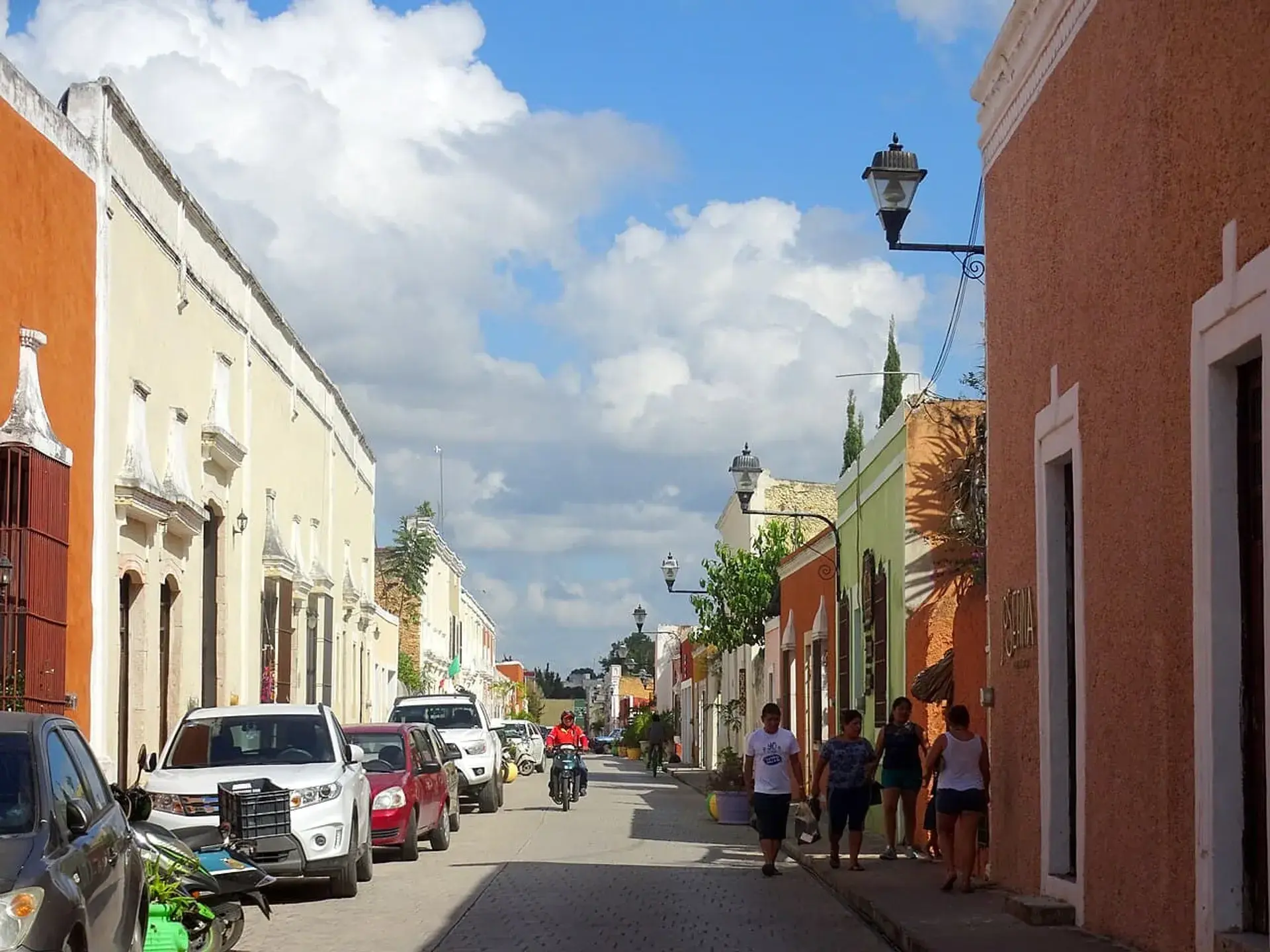
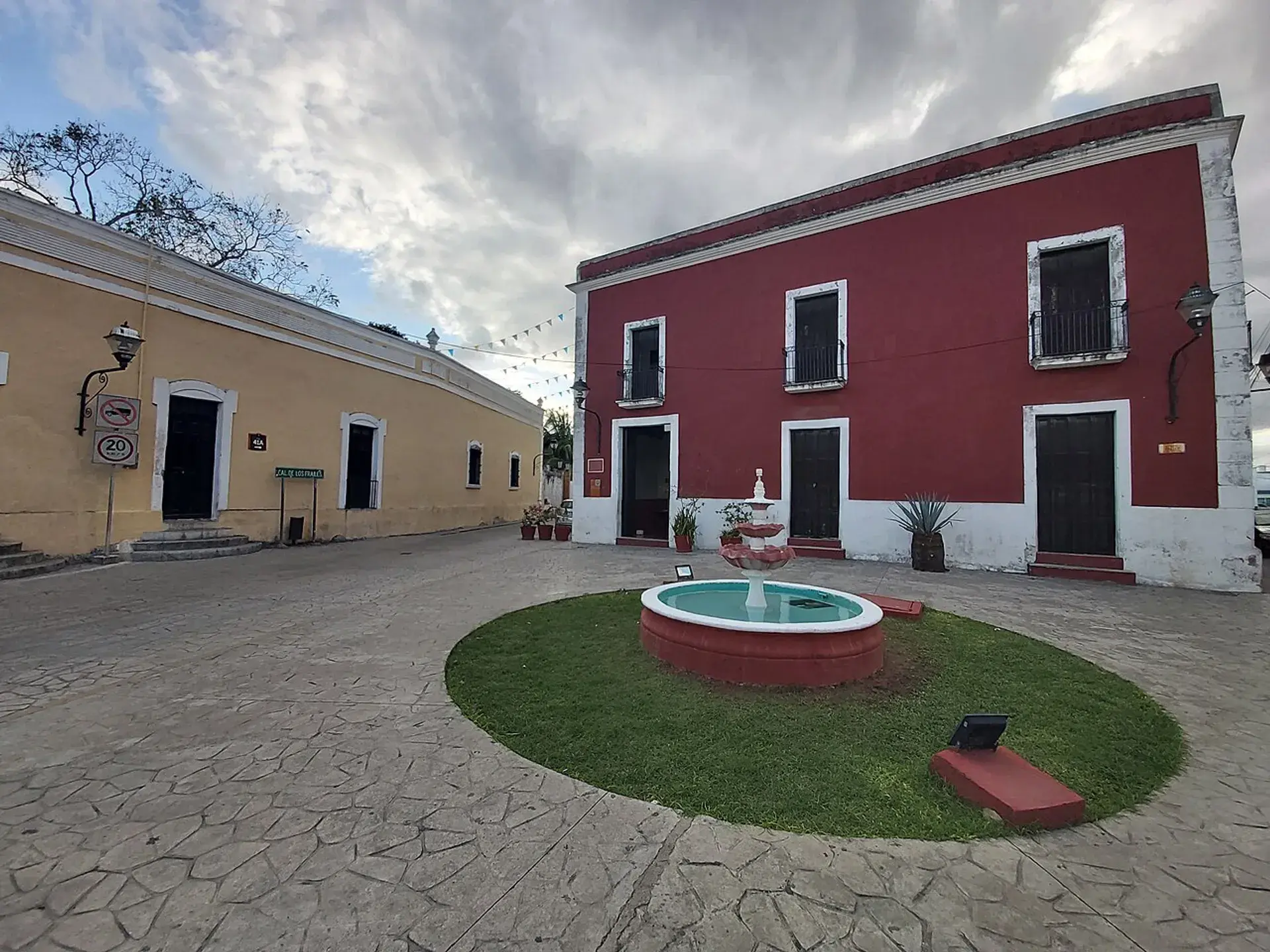
Beneath a 16th-century fortress, an underground cenote holds the sunken arsenal of a 19th-century war. The Ex-Convento de San Bernardino de Siena stands as a monumental landmark in Valladolid, anchoring the end of the pastel-painted Calzada de los Frailes that links the main central plaza to the historic Sisal neighborhood.
A Fortified Franciscan Outpost
Founded by Franciscan friars in 1552 and completed around 1560, the complex was designed by Franciscan architect Fray Juan de Mérida. It is the second-largest Franciscan monastery in the Yucatán peninsula, trailing only the complex in Izamal. Built as a fortified monastery, or convento-fortaleza, the structure features thick masonry walls, defensive crenellations, cloister arches, and a vaulted stone church.
Originally established as an evangelical outpost and defensive garrison against regional rebellions, the high, austere limestone walls topped with battlements evoke a medieval European citadel rising in the tropical landscape. The interior nave opens to high stone vaults, revealing remnants of 16th-century Franciscan mural paintings alongside a gilded Baroque altarpiece.
The Engineering of Cenote Sis-Há
The complex was built directly over Cenote Sis-Há, which translates to "cold water well" in Mayan. To supply water for convent living and garden irrigation, an octagonal masonry wheelhouse, known as a noria, and an aqueduct system were erected above the cenote.
The underground cavern has four natural surface openings. One is situated directly beneath the kitchen for daily chores, another lies inside the noria wheelhouse, and two open outside in the surrounding grounds. In 1588, Franciscan chronicler Fray Antonio de Ciudad Real recorded detailed observations of the wheelhouse functioning atop the vast cavern. Today, the vaulted opening of the noria wheelhouse still reveals the dark water of the subterranean cenote below.
Caste War History and the Sunken Arsenal
During the Caste War (1847–1848), the fortress-convent became a frontline refuge and military post during clashes in the Sisal district. When the compound was besieged and abandoned, soldiers threw their weapons into the cenote.
Archaeological dives conducted by INAH later recovered cannons, muskets, bayonets, spears, and ammunition from the water. Local tradition also claims that during this conflict, the church bells were buried in the grounds near the Chapel of San Roque to prevent them from being melted down into ammunition.
Modern Museum and Video Mapping
The church continues to function as an active Catholic parish. Parts of the cloister and upper floor now house a site museum displaying artifacts recovered from the cenote and grounds, including Caste War firearms, colonial ceramics, and religious artwork.
From Tuesday to Sunday, the exterior facade serves as the backdrop for a free multi-projector video-mapping show called "Noches de la heroica Valladolid." The spectacle recounts Valladolid's Maya and colonial history in both Spanish and English.
FAQ
Where is the Ex-Convento de San Bernardino de Siena located?
It is located in the historic Barrio de Sisal in southwestern Valladolid, marking the end of the Calzada de los Frailes walking route.
What was found inside the cenote beneath the convent?
Archaeologists from INAH recovered cannons, muskets, bayonets, spears, and ammunition that were thrown into Cenote Sis-Há during the Caste War in the 19th century.
Is there a light show at the convent?
Yes, a free multi-projector video-mapping show called "Noches de la heroica Valladolid" is projected onto the exterior facade from Tuesday to Sunday, available in both Spanish and English.
Gallery