Ex Telar La Aurora: Mexico's First Steam Mill
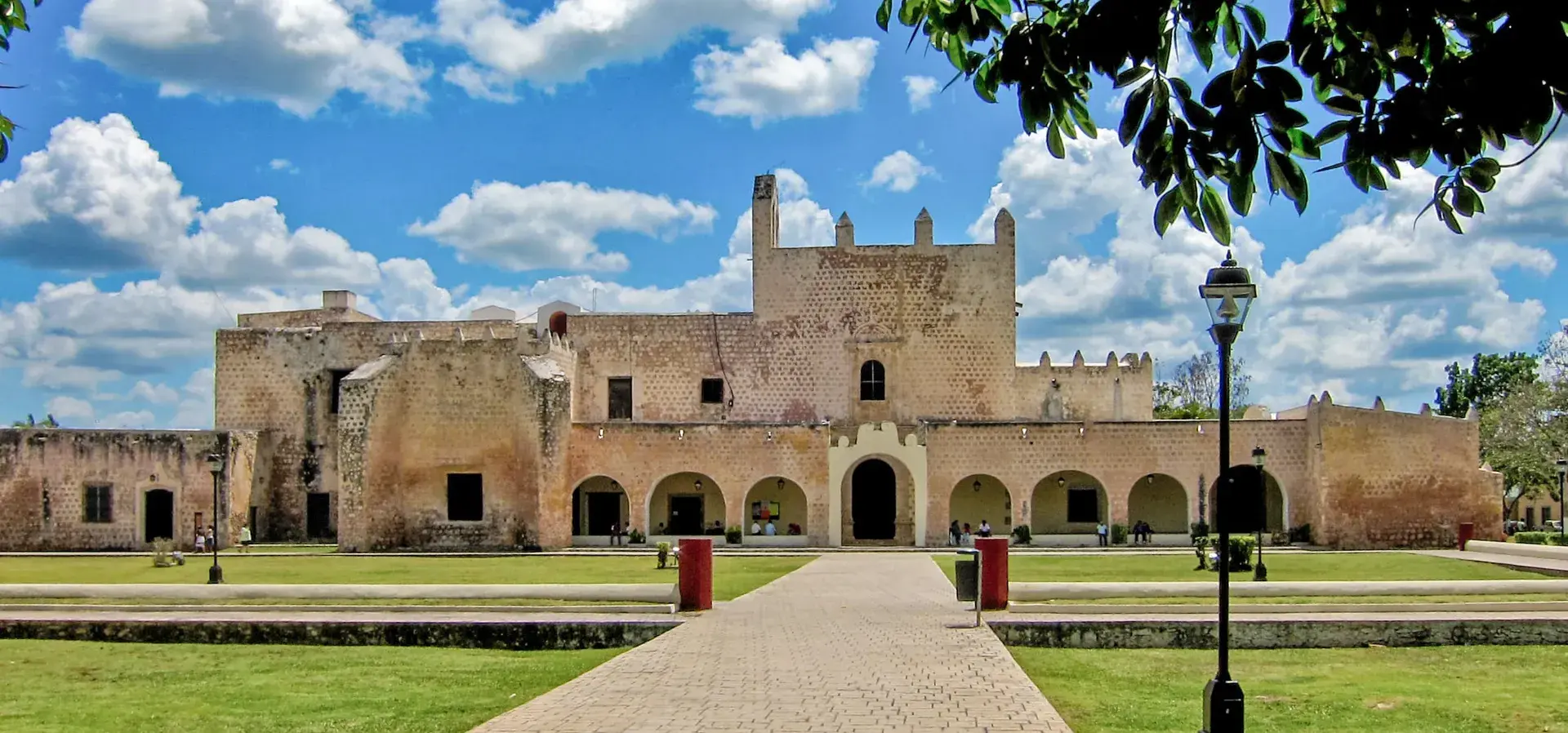
Mexico's first steam-powered textile mill was not built in a major metropolis, but in the historic city of Valladolid. Anchoring the Plaza de la Candelaria just north of the city's main square, Ex Telar La Aurora stands as a testament to a brief but significant 19th-century industrial boom in the region.
The Cotton Boom and Steam Power
Long before the Yucatán Peninsula became globally famous for its henequen crops, Valladolid was a major cotton hub. In the 1820s and 1830s, local farmers produced premium cotton alongside traditional crops. Mexican naval hero Pedro Sainz de Baranda—famous for forcing the surrender of Spain's last redoubt at San Juan de Ulúa in 1825—secured exclusive rights to use steam-driven machinery in the region in 1832.
Partnering with Scottish merchant John L. McGregor, Baranda launched factory operations in 1833. Ex Telar La Aurora became Mexico's first mechanized textile mill powered by steam engines. The factory employed over 100 workers and successfully produced and exported finished textiles to the United States, creating fine cloth that rivaled British and New England imports.
Survival Through the Caste War
The mill's industrial prosperity was unexpectedly cut short. Following Baranda's death in 1845, the factory became a target during the 1847 Maya siege of Valladolid in the Caste War. The facility was attacked and burned, which completely destroyed the pioneering steam machinery.
Despite the fire, the building's 19th-century colonial masonry, featuring exterior stone buttresses and vaulted ceilings, survived. Between its burning in 1847 and its eventual restoration, the durable stone structure was repurposed several times, serving successively as military barracks, a public jail, a district federal courthouse, and a secondary school.
A Modern Cultural Hub
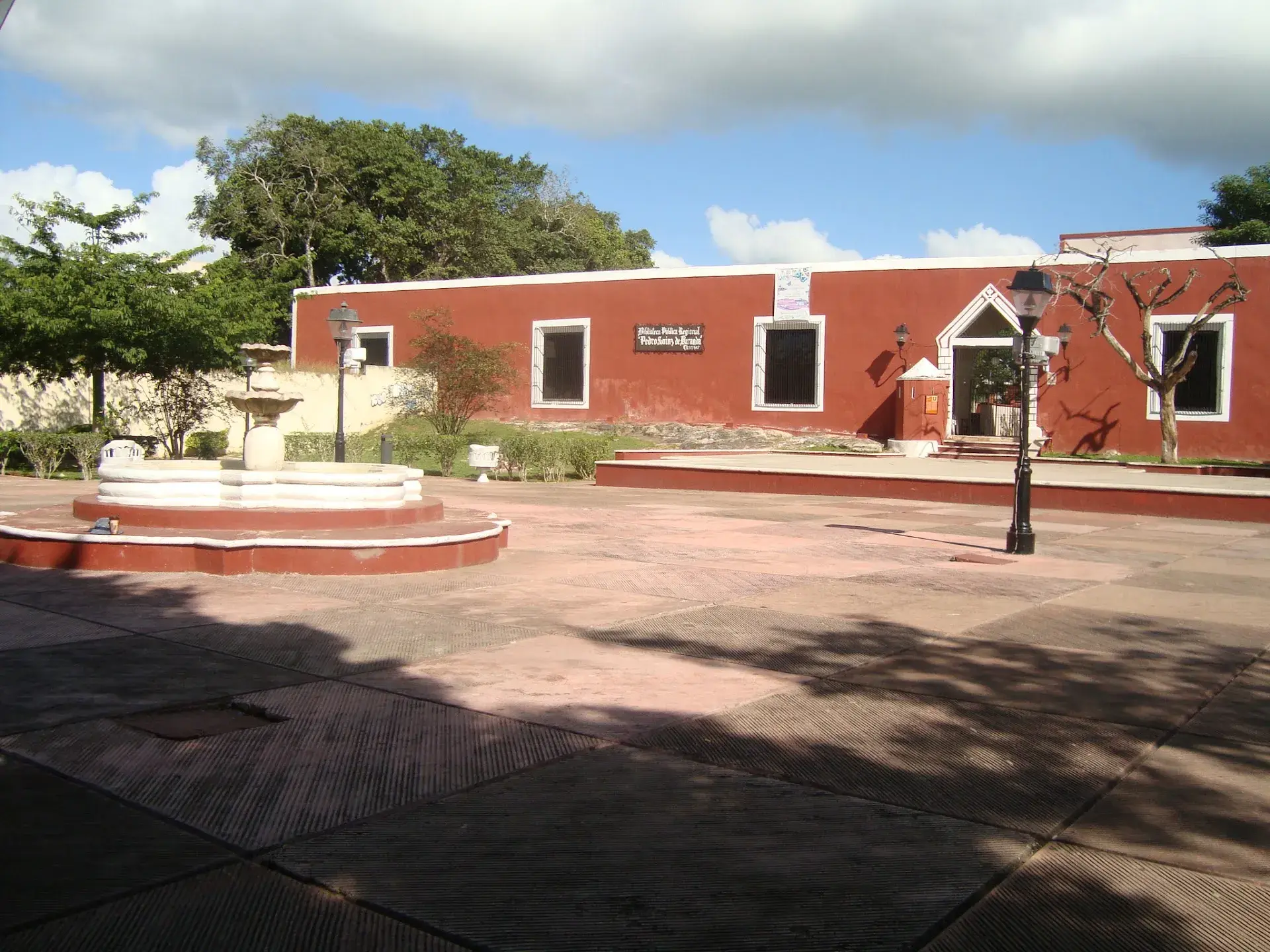
In 1981, a major restoration transformed the historic complex into a community space. Today, the building operates as the Teatro del Ex Telar La Aurora, hosting local cultural programming, civic ceremonies, and theatrical performances. The site also houses the Biblioteca Pública Pedro Sainz de Baranda, named in honor of the mill's founder.
The architecture continues to evoke its industrial past. The structure's thick, stone-buttressed exterior walls and vaulted halls create a heavy, resonant atmosphere. This robust masonry provides a distinct architectural contrast to the quiet, tree-lined surroundings of the Barrio de La Candelaria.
FAQ
What was Ex Telar La Aurora originally used for?
It was Mexico's first mechanized textile mill powered by steam engines. Operating in the 1830s and 1840s, the factory processed local cotton into fine cloth for domestic use and export.
Who founded the Ex Telar La Aurora textile mill?
The mill was founded in 1832 and 1833 by Pedro Sainz de Baranda, a prominent Mexican naval hero, and Scottish merchant John L. McGregor.
What happened to the factory during the Caste War?
In 1847, the factory was attacked and burned during the Maya siege of Valladolid. While the fire destroyed the steam machinery, the heavy stone structure survived the attack.
What is Ex Telar La Aurora used for today?
Following a 1981 restoration, the building serves as a cultural center featuring a theater (Teatro del Ex Telar La Aurora) for local programming and a public library named after its founder.
Discover Valladolid like never before
Dive into Valladolid hidden stories and secret spots with Ciceru interactive tours.
Explore tour
Audioguide
Quizzes
Maps
Solo
Couples
Groups & families

© Photo by Carmen Espinosa (Voz Andante) via Google Maps · Google Places