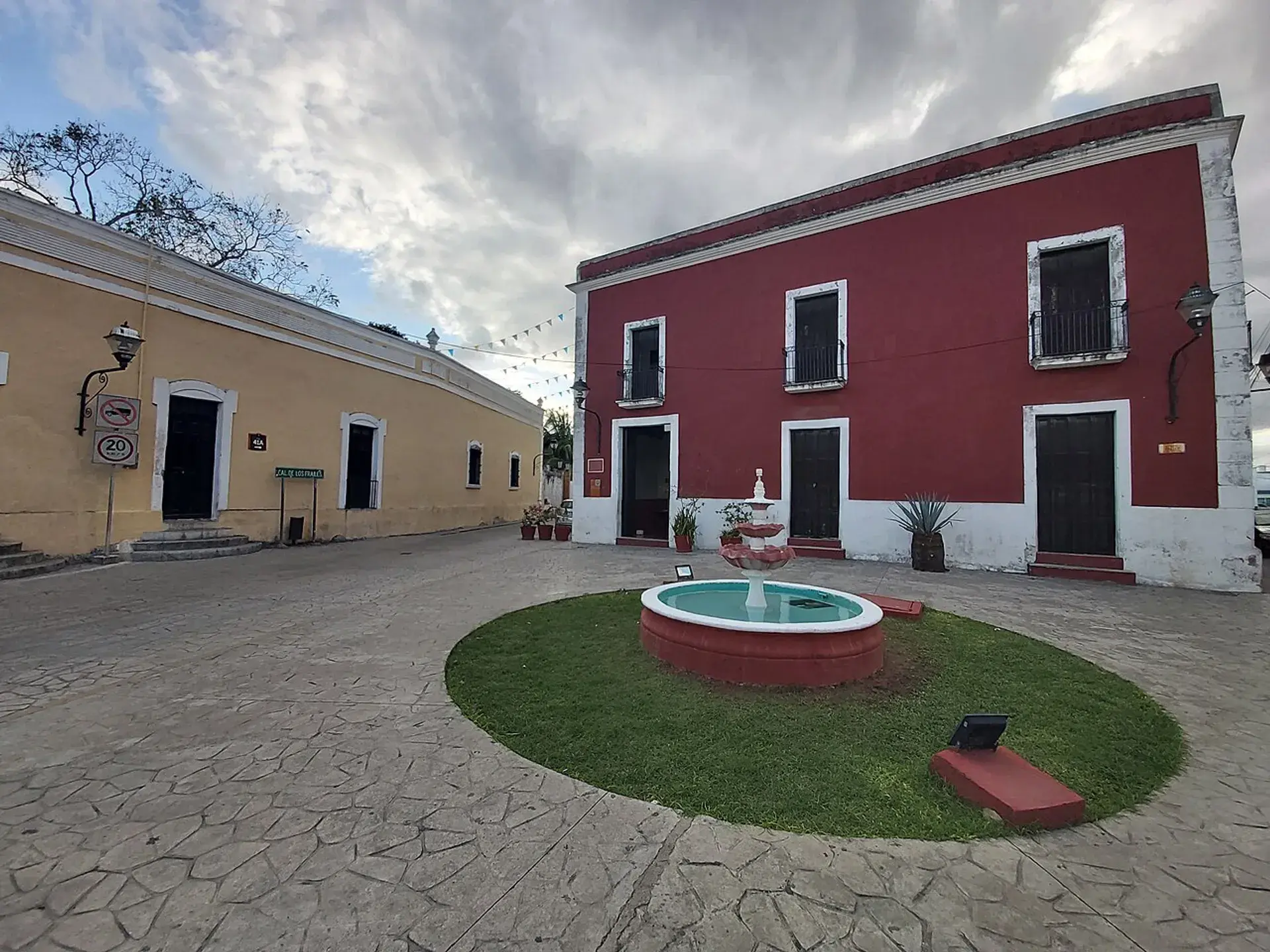
Museo San Roque: Valladolid History & Artifacts
What started as a quiet 16th-century Franciscan cloister eventually became an execution ground for early revolutionaries and the city's first electrical plant. Today, it stands as the Museo San Roque, an essential landmark on the classic heritage route linking Parque Francisco Cantón Rosado to Cenote Zací in Valladolid, Yucatán.
A Building of Many Lives
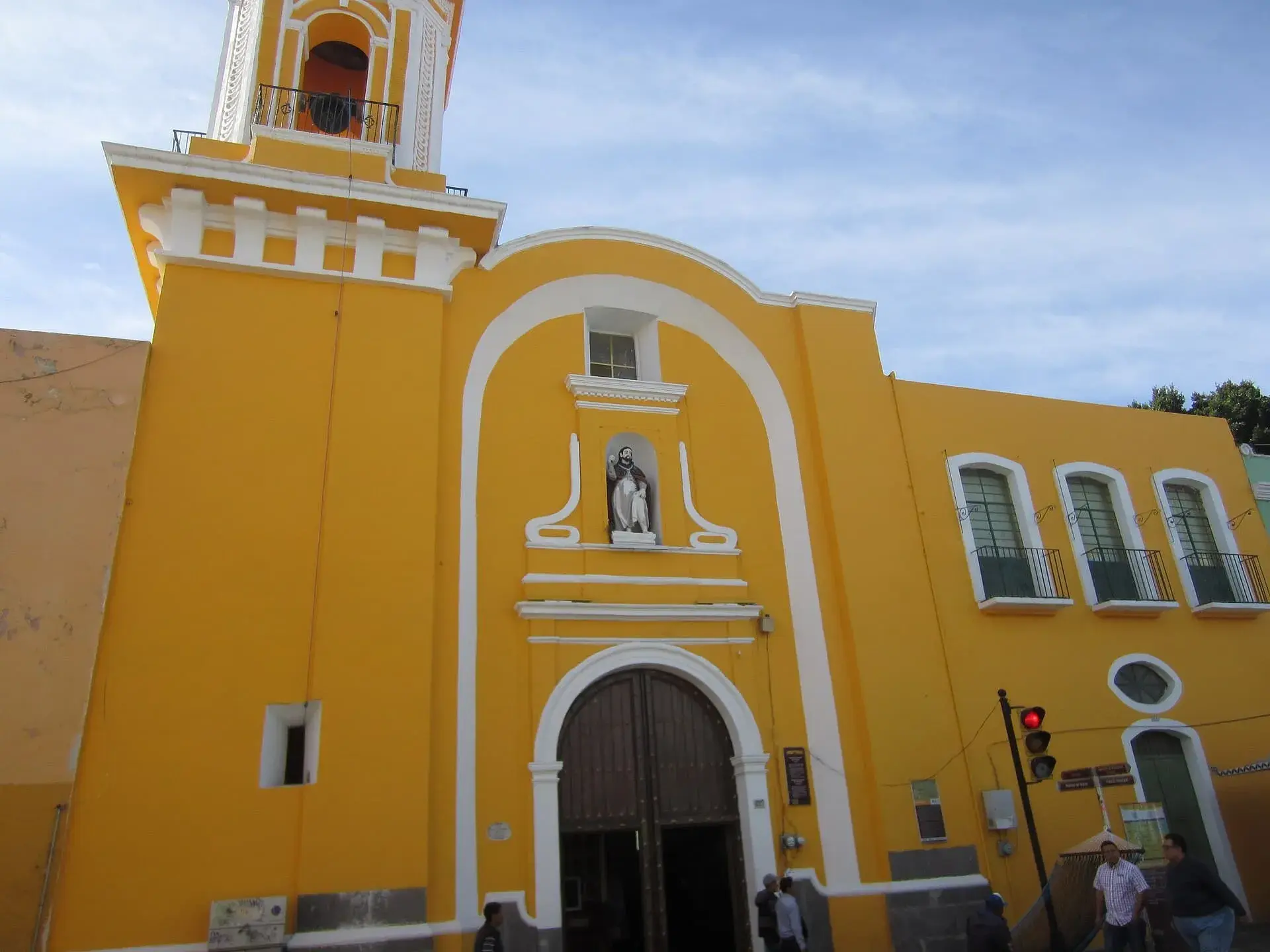
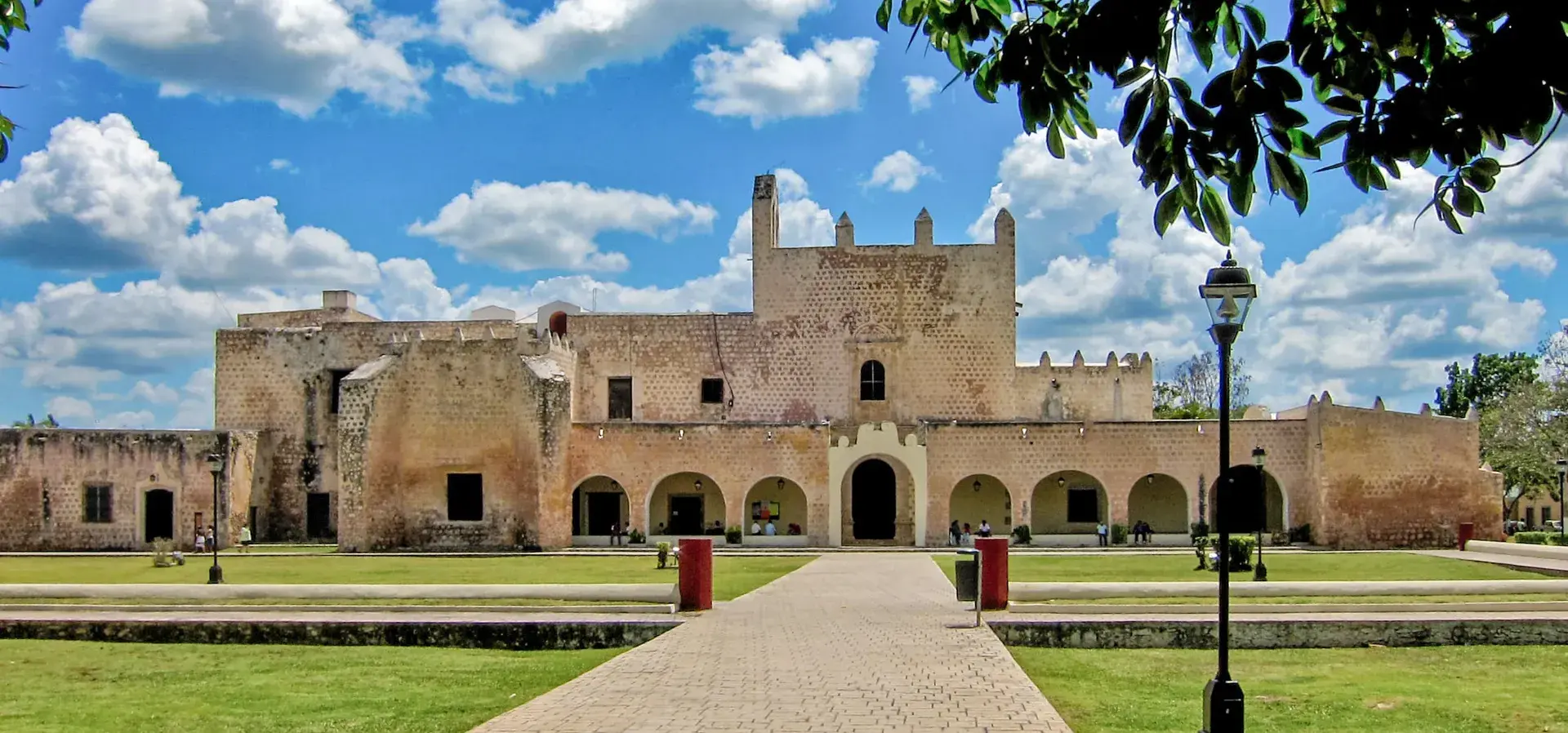
Across four centuries, the stone structure on Calle 41 has experienced a dramatic evolution. Established around 1575 by the Franciscan Order as a chapel and cloister, it was converted into Valladolid's first formal public hospital, the Hospital del Santo Nombre de Jesús, between 1630 and 1634. In 1703, the grounds were repurposed as a cemetery for two assassinated mayors following "El Crimen de los Alcaldes" inside the Church of San Servacio. By the mid-20th century, the building temporarily housed the city's first municipal electric generator plant. Today, the thick, whitewashed 16th-century limestone walls still provide a cool contrast to the humid heat outside.
The Spark of the Revolution
The site is a major touchstone for Mexico's revolutionary history. On June 4, 1910, Valladolid witnessed one of the country's earliest armed insurgencies, known as "La Primera Chispa de la Revolución" (The First Spark of the Revolution). Shortly after, on June 25, 1910, rebel leaders Maximiliano R. Bonilla, Atilano Albertos, and José Encarnación Kantún were executed by firing squad in the property's gardens.
The adjacent courtyard is now the Parque de los Héroes. This shaded memorial plaza features an obelisk, commemorative plaques, and the crypts containing the remains of the executed leaders. Annually, around June 3 and 4, Valladolid stages historical reenactments of the 1910 uprising that conclude with memorials at this park.
Inside the Museo de San Roque
Following extensive restorations, the building officially opened as the Museo de San Roque on June 4, 1985—a date deliberately chosen to mark the exact 75th anniversary of the 1910 revolutionary outbreak.
The museum chronicles Valladolid's complex history across multiple halls. In Room 1, located in the former chapel nave, exhibits display pre-Hispanic Maya artifacts excavated from nearby sites like Ek Balam, early Maya human remains, and materials detailing the 1543 foundation of the Spanish city. This room also covers the Caste War and curates artifacts linked to regional raids by the infamous pirate Laurent de Graaf, known locally as Lorencillo. Room 2, the former sacristy, along with additional halls, focuses on traditional Maya medicine, regional crafts, and 20th-century history.
FAQ
What was Museo San Roque before it became a museum?
Built around 1575 as a Franciscan chapel and cloister, it later served as Valladolid's first public hospital, a cemetery for assassinated mayors, an execution ground, and the city's first electrical plant.
What exhibits are on display at Museo San Roque?
The museum features pre-Hispanic Maya artifacts from sites like Ek Balam, items related to the pirate Laurent de Graaf, and exhibits detailing the 1543 foundation of the Spanish city, the Caste War, traditional Maya medicine, and the 1910 Mexican Revolution.
Who is buried at the Parque de los Héroes?
The park contains the crypts of Maximiliano R. Bonilla, Atilano Albertos, and José Encarnación Kantún, three revolutionary leaders who were executed by firing squad in the building's gardens in 1910.
Gallery