Guide to Memorial House of Mother Teresa in Skopje
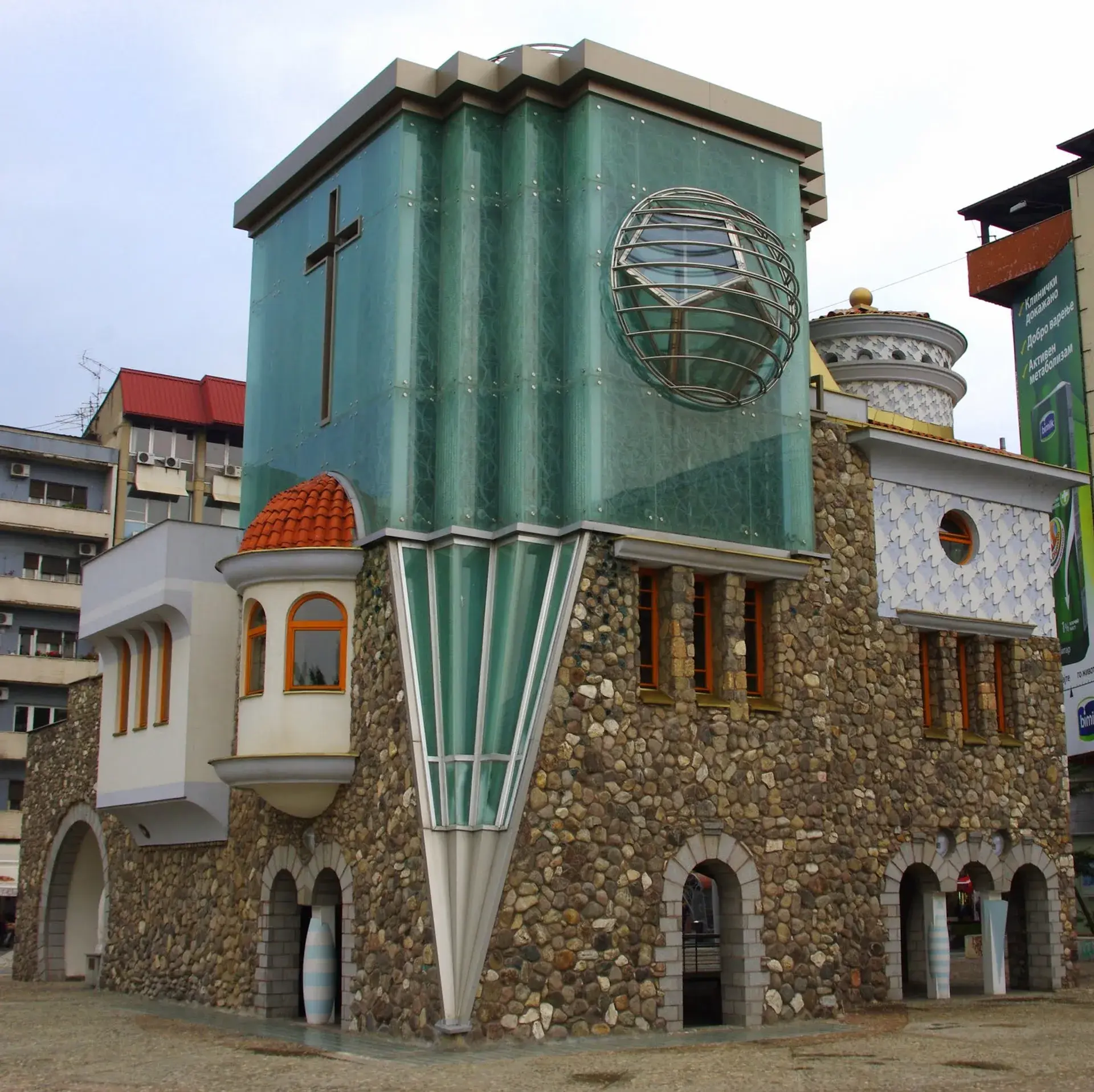
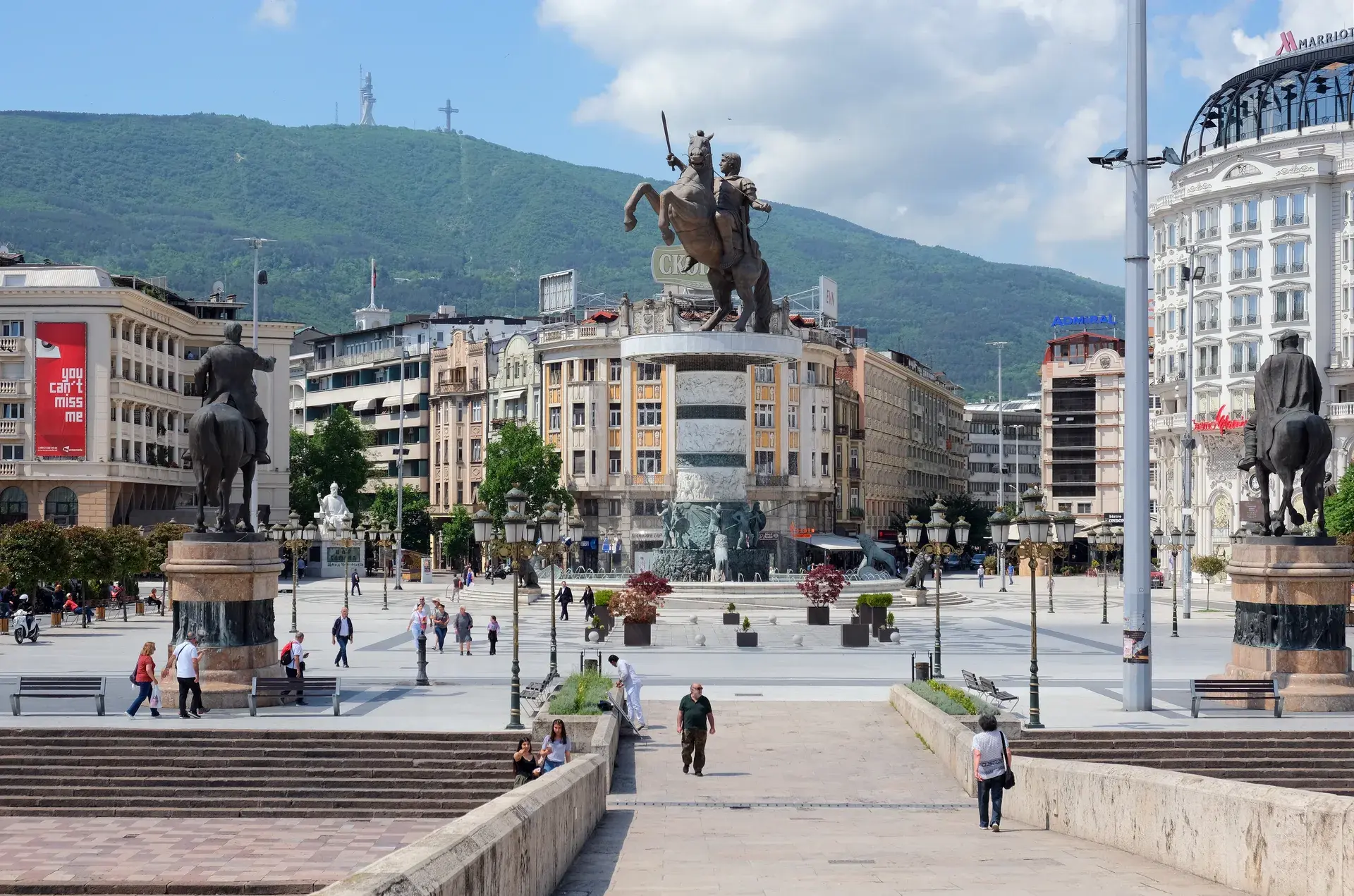
A two-million-euro ornate monument dedicated to a saint famous for her vow of poverty stands out on the modern timeline of North Macedonia's capital. The Memorial House of Mother Teresa is a state-run cultural institution and museum situated on Macedonia Street, Skopje's primary central pedestrian artery. The monument serves as a major landmark on the route connecting the Old Railway Station to Macedonia Square, the Stone Bridge, and the Old Bazaar.
Marking a Spiritual Site
Mother Teresa was born Anjezë Gonxhe Bojaxhiu in Skopje on August 26, 1910, during the Ottoman era. She spent her formative years in the city until leaving in 1928. Despite its name and house-like styling, the memorial building is not her actual childhood home or birthplace. Her family's original house was located elsewhere near present-day Macedonia Square.
Instead, the structure stands on the exact former site of the Sacred Heart of Jesus Roman Catholic Church. This was the Bojaxhiu family's parish church, where she was baptized on August 27, 1910, just one day after her birth. The original Catholic church building was later destroyed during the catastrophic Skopje earthquake of 1963.
Following Mother Teresa's death in 1997 and her international recognition, including the 1979 Nobel Peace Prize, the Macedonian government decided to pay homage to the city's most famous native. The memorial house was built to replace the lost spiritual address. It was consecrated by Catholic Bishop Kiro Stojanov upon its opening in 2009 and declared a cultural heritage object in 2013.
Architectural Design and Public Debate
Constructed between May 2008 and January 2009, the project was designed by Macedonian architect Vangel Božinovski, assisted by Slobodan Arsovski. The building's exterior presents a stark visual contrast. It features a heavy stone-and-plaster base, copper-toned decorative roof forms, and Ottoman-style arched windows. The upper level features a chapel enclosed in glass panels wrapped in intricate metal filigree work.
The eclectic and highly ornate design, combined with the €2 million cost funded by the Government of North Macedonia, sparked considerable public debate. Critics questioned spending such an amount on a highly decorated building for a historical figure who took strict vows of poverty. In response, the architect stated the design was meant to symbolize a cenotaph, intentionally inviting the saint's spirit back to her hometown. The building was later retroactively incorporated into the controversial "Skopje 2014" urban transformation project to mark the 100th anniversary of her birth.
Museum Exhibits and Relics
Operating with free admission, the memorial house spans three distinct levels. The basement features a multimedia amphitheater used for event projections. The first floor operates as an exhibition gallery showcasing the life and legacy of the Catholic saint.
The gallery displays photographs of early twentieth-century Skopje, copies of her baptismal certificate, handwritten documents, and life-size sculptures of Mother Teresa and her family. The exhibition also houses preserved personal relics, including her signature white sari with blue stripes, which is classified as a second-class relic. Notably, the museum displays a finger bone relic transferred with official Vatican authorization.
The top floor houses the glass-enclosed chapel. Here, Catholic priests conduct regular masses and honorary services, ensuring the site continues its religious function in addition to its role as a museum.
FAQ
Is the Memorial House of Mother Teresa her actual birthplace?
No, the memorial is not her childhood home or birthplace, which was located elsewhere near Macedonia Square. It instead marks the site of the former Sacred Heart of Jesus Roman Catholic Church, where she was baptized in 1910.
What historical relics are kept in the museum?
The museum houses personal items and relics, including her signature white sari with blue stripes and a Vatican-authorized finger bone relic.
Why was the building's architecture considered controversial?
The eclectic, highly ornate design and the €2 million construction cost sparked public debate, as critics felt it contrasted with a historical figure famous for her strict vows of poverty.
How much does it cost to visit the Memorial House?
The building operates as a state-run museum and cultural institution and offers free admission to the public.