Skopje Fortress (Kale): Ancient Heart of the City
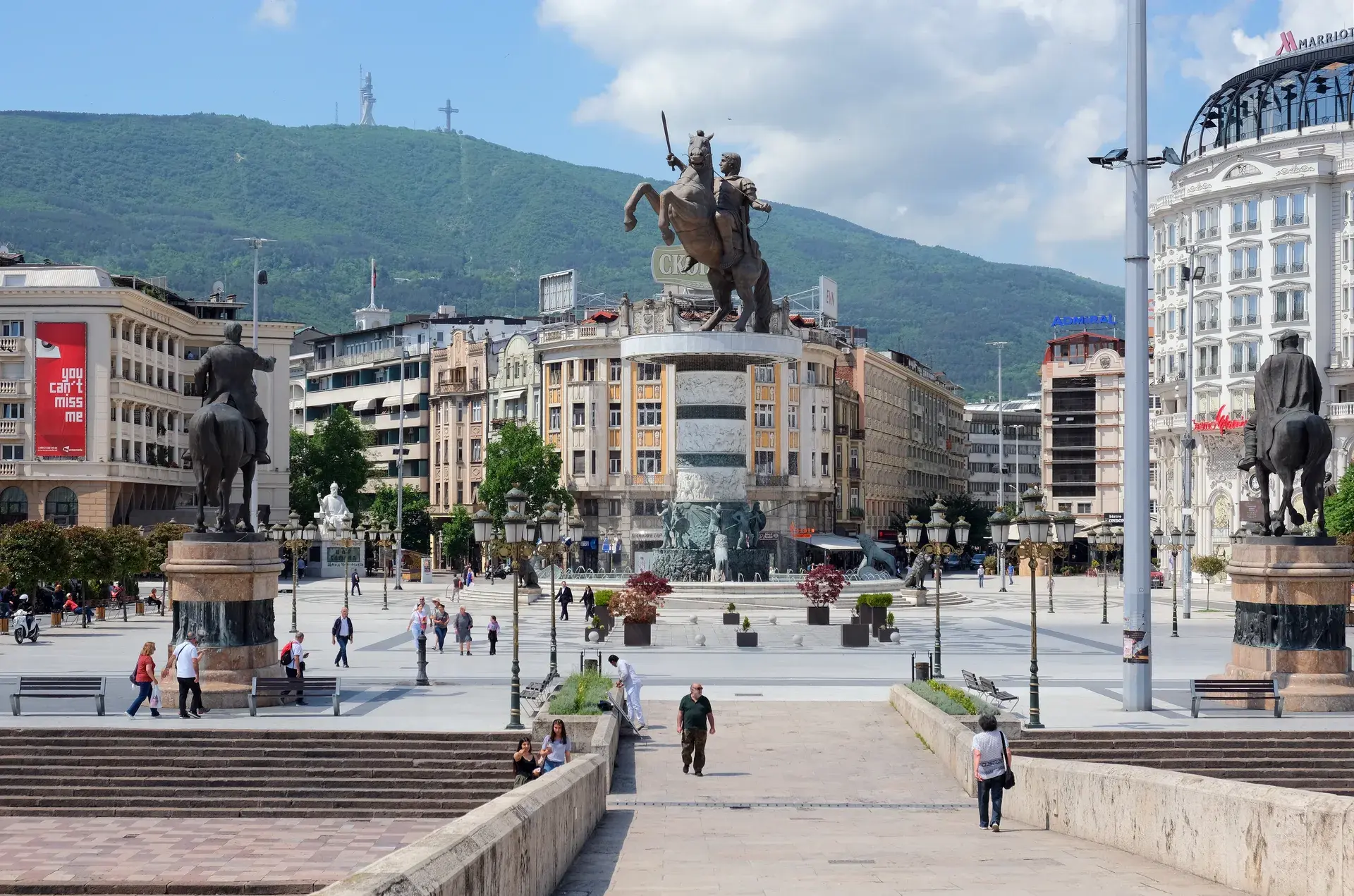
The story of Skopje begins on a high sandstone ridge overlooking the Vardar River, where humans have continuously lived for over 6,000 years. Today, this elevated ground is home to the Skopje Fortress, commonly known as Kale, derived from the Turkish word for fortress. As the physical birthplace of the city, the fortress remains a primary civic symbol prominently depicted on Skopje's official coat of arms and flag. It stands as a historical anchor connecting the historic Ottoman Old Bazaar to the Stone Bridge and the modern central square.
A Foundation of Salvaged Stone
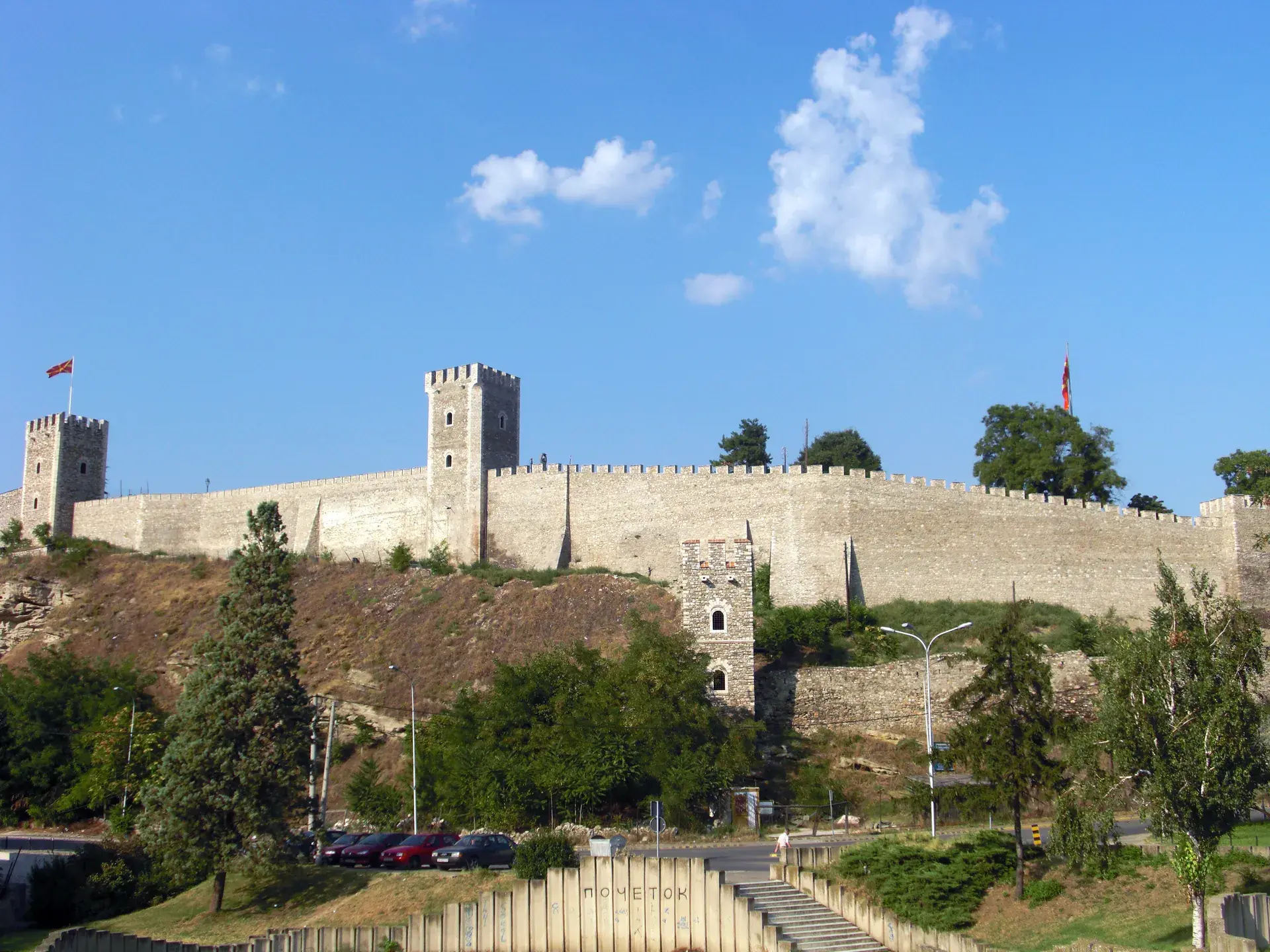
Evidence of prehistoric settlement on the hill dates back to the 5th millennium BC, including the remains of Neolithic houses. The earliest stone structures of the current fortress were founded in the 6th century AD under Byzantine Emperor Justinian I. To construct the ramparts, builders used yellow limestone and travertine. They also incorporated salvaged materials from the nearby Roman city of Skupi, which had been destroyed by a severe earthquake in 518 AD. Fragments of Roman buildings and Latin-inscribed stone slabs are still visibly embedded inside the fortress's 6th-century walls.
Centuries of Empires and Earthquakes
The site was significantly expanded between the 10th and 14th centuries under Byzantine, Bulgarian, and Serbian rule. In 1346, Serbian King Stefan Dušan was crowned Emperor at the fortress when Skopje served as his imperial capital. During the Ottoman era and into the modern period, the site functioned as a military garrison, warehouse, and prison before being abandoned by military forces in 1951.
The fortress has also endured severe natural disasters. An earthquake in 1555 caused major structural collapses, sending sections of the western wall into the riverbed below. Centuries later, the walls were heavily ruined again following the devastating 1963 Skopje earthquake.
Uncovering the Past
Between 2007 and 2012, systematic archaeological excavations examined approximately 90% of the fortress's interior. These major research efforts uncovered layered foundations across the site, including the remains of a 13th-century church. In May 2010, archaeologists working on the fortress grounds unearthed a massive stash of Byzantine coins, adding another layer to the site's rich historical narrative.
Visiting Skopje Fortress Today
Operating as a free, open-access park and historic monument, the fortress offers a sweeping vantage point above the city center. Visitors can observe the restored perimeter walls, examine partial tower structures, and look down into open excavation areas. The elevated stone ramparts provide a 360-degree visual contrast between the low, red-tiled roofline of the Old Bazaar on one side and the riverfront and modern cityscape on the other, with Mount Vodno rising in the distance.
FAQ
How much does it cost to visit Skopje Fortress?
Skopje Fortress operates as a free, open-access park and historic monument for the public.
Why is the Skopje Fortress called Kale?
The site is commonly referred to as "Kale" because it is the Turkish word for "fortress."
How old is the Skopje Fortress?
The earliest stone structures of the fortress were built in the 6th century AD by Byzantine Emperor Justinian I, though the hill itself shows evidence of continuous human occupation dating back over 6,000 years to the 5th millennium BC.