Museum of the City of Lodz: Poznański Palace
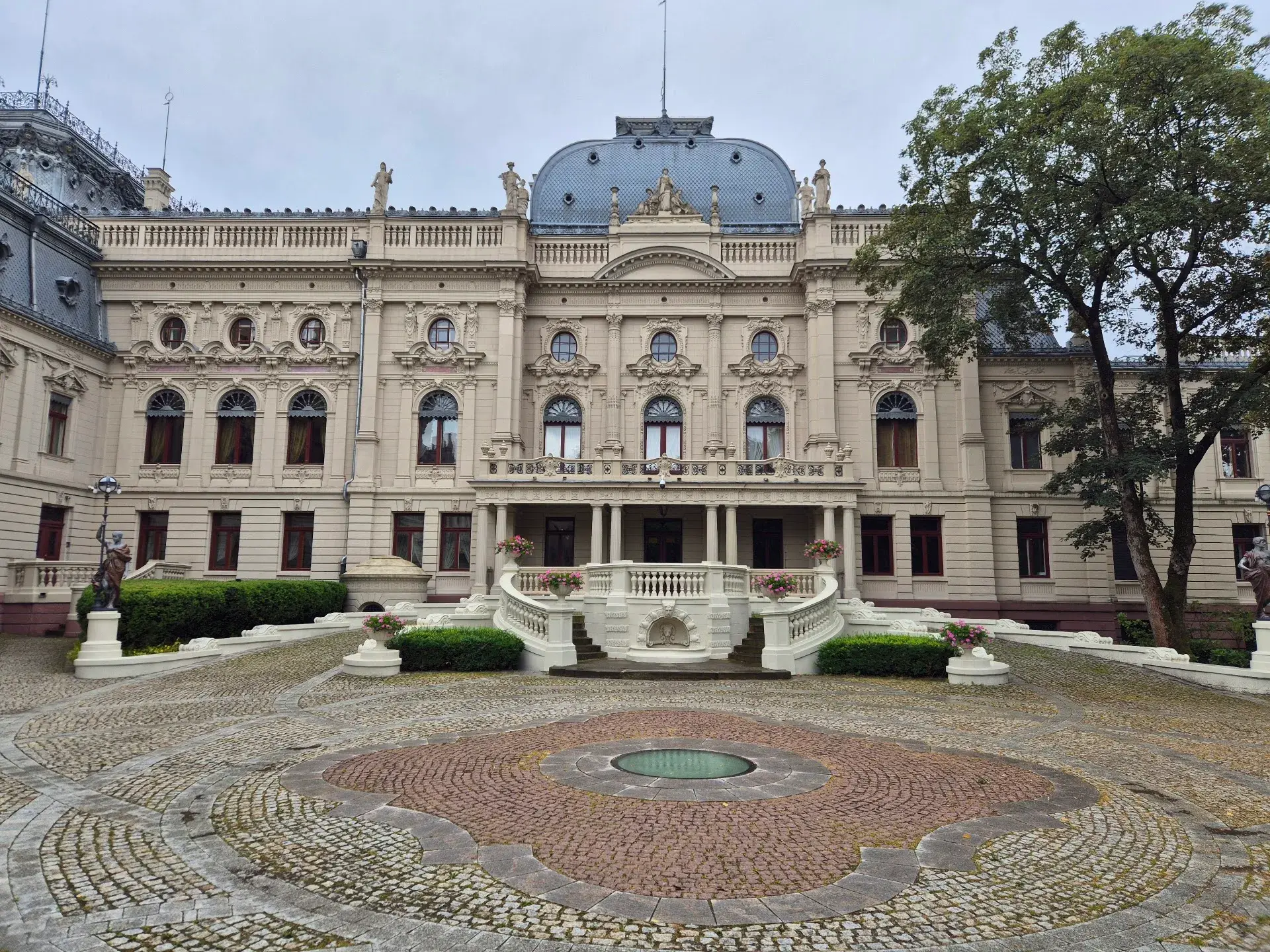
View the ornate facade and grand architecture of this former palace from the street, reflecting its transition into the city's historical museum. Located at 15 Ogrodowa Street adjacent to the Manufaktura complex, the Izrael Poznański Palace stands as a premier testament to the rapid industrial growth of Łódź. Often referred to as the Łódź Louvre, the building encapsulates the era when the city transitioned into a textile metropolis known as the Polish Manchester.
The Cotton King's Castle
Izrael Kalmanowicz Poznański, a prominent 19th-century textile baron, commissioned the palace's expansion from a modest two-story house acquired in 1877. Unlike traditional aristocrats who isolated their estates, Poznański built his residence directly beside his red-brick spinning mills and weaving sheds. This proximity allowed him to maintain constant oversight of his vast industrial empire. The building served a hybrid purpose, functioning simultaneously as a private family residence and a corporate headquarters complete with executive offices, reception halls, and product storage.
Eclectic Architecture and Grand Interiors
Designed collaboratively by architects Hilary Majewski, Juliusz Jung, and Adolf Zeligson, the palace was completed in 1903. The imposing light-colored facade, topped with domed roofs and allegorical statues representing trade and industry, provides a sharp contrast to the neighboring red-brick factory walls. Inside, the palace boasts elaborate stucco work, dark wood wall paneling, ceiling frescoes, and grand chandeliers reflecting in the gilded mirrors of the monumental ballroom. The prominent Łódź-born Jewish painter Samuel Hirszenberg contributed significant interior decorations and paintings for the grand dining room and ballroom.
Transition to the Museum of the City of Łódź
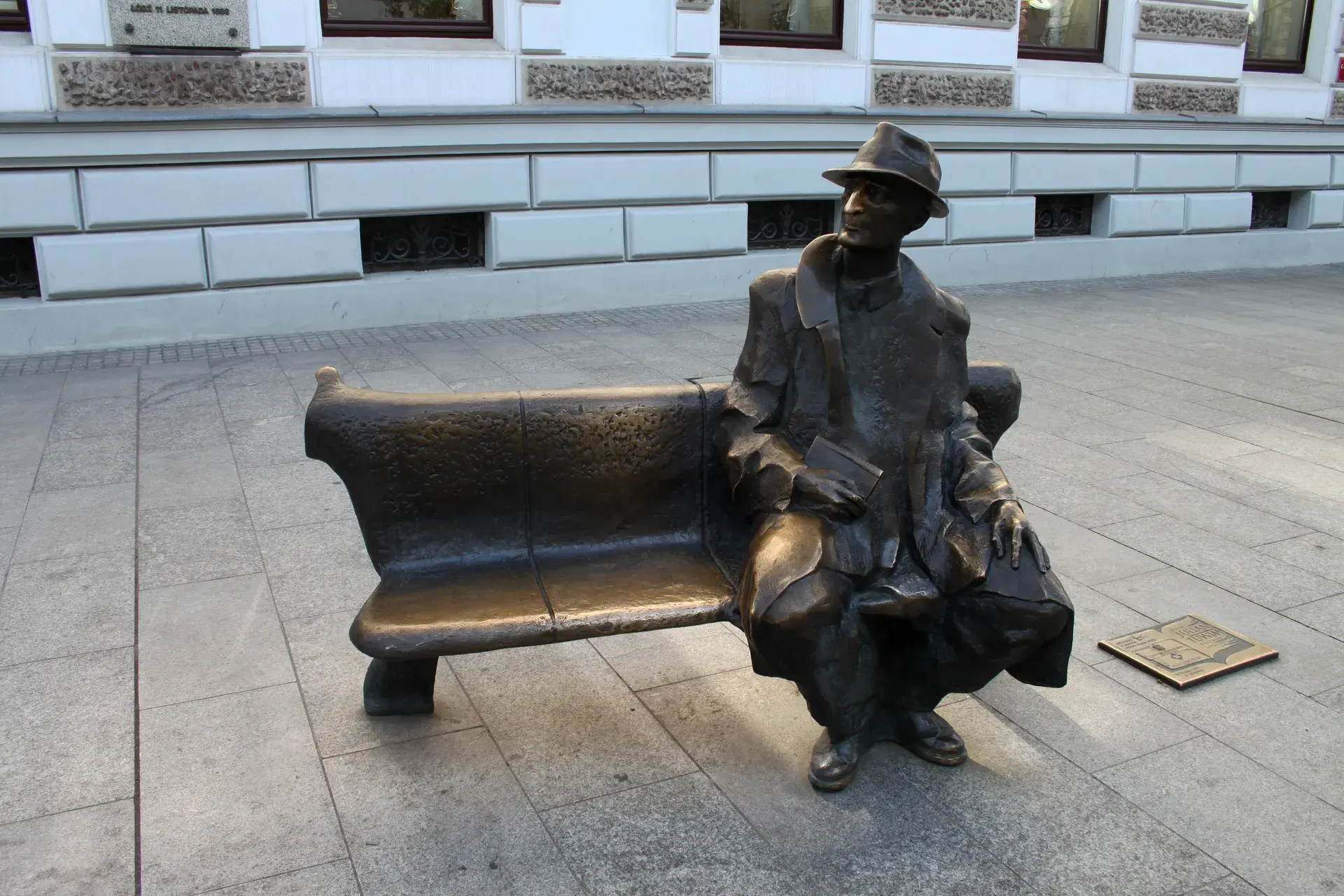
Following Poznański's death in 1900 and the eventual departure of his family in 1940, the building saw various uses. It operated as a German headquarters during World War II and a regional administrative office afterward. In 1975, the palace transformed into the Museum of the City of Łódź. Today, the museum features restored manufacturer interiors alongside underground exhibits documenting the city's multicultural past. The space includes memorial rooms dedicated to famous local figures, including pianist Artur Rubinstein and poet Julian Tuwim, and hosts classical concerts. The adjoining historic garden also features an outdoor sculpture alley. In 2015, the site was officially designated a Historic Monument of Poland.
Legends and Cinematic History
The immense wealth of Izrael Poznański inspired several local legends. According to one popular myth, when asked which architectural style he preferred for his palace, the industrialist supposedly replied that he wanted them all because he could afford every style. Another tale claims he intended to pave his ballroom floor with gold ruble coins, but abandoned the idea when Tsar Nicholas II allegedly decreed the coins would have to stand on their edges so no one would trample the imperial symbols. Beyond local lore, the palace's authentic 19th-century splendor served as a primary filming location for Andrzej Wajda's 1975 Academy Award-nominated film, The Promised Land.
FAQ
When was the Izrael Poznański Palace built?
The palace was developed in stages between 1888 and 1903, expanding upon a two-story residential house originally acquired by Izrael Poznański in 1877.
What architectural style is the Museum of the City of Lodz?
The palace features an Eclectic architectural style that blends French and Italian Neo-Renaissance designs with Neo-Baroque elements, characterized by mansard roofs and large domes.
Who was Izrael Poznański?
Izrael Kalmanowicz Poznański was a powerful 19th-century textile baron, often called a cotton king, who built a vast industrial empire in Łódź.
What exhibits are inside the Museum of the City of Łódź?
The museum houses restored historic interiors like the Mirror Hall and Dining Room, exhibits on the city's multicultural and industrial history, and memorial rooms for notable residents such as pianist Artur Rubinstein and poet Julian Tuwim.
Discover Odz like never before
Dive into Odz hidden stories and secret spots with Ciceru interactive tours.
Explore tour
Audioguide
Quizzes
Maps
Solo
Couples
Groups & families

© Photo by Marcin Nowiński via Google Maps · Google Places