Fonte da Jardim do Mar: Madeira's Historic Village Heart
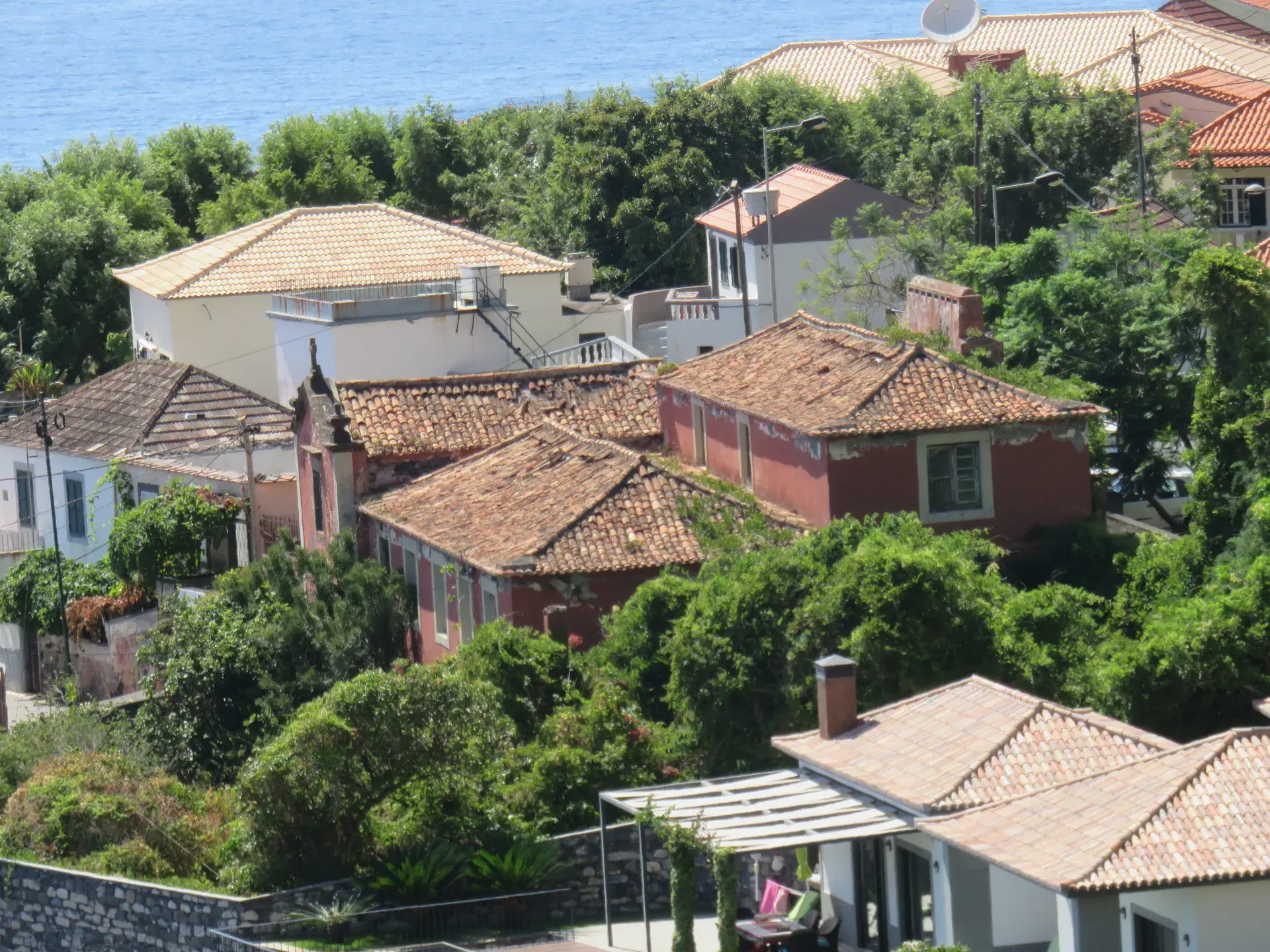
In the heart of the tranquil village of Jardim do Mar lies its central plaza, a key communal point marked by public fountains. These structures are more than just decorative; they represent the historical lifeline of a community that was once one of Madeira's most isolated settlements. The village itself, characterized by whitewashed houses with red-clay roofs and narrow cobbled lanes, retains a peaceful, unhurried atmosphere.
A History of Community
Jardim do Mar, meaning 'Garden of the Sea,' was founded in the 15th century and established as a parish in 1734. The name is said to come from the wild flowers that once grew in abundance across the landscape. For centuries, the village was a remote fishing enclave, accessible only by boat or rugged footpaths. This profound isolation did not end until roads were constructed in the 1960s, finally connecting it to the rest of the island. In this self-reliant environment, public fountains were essential for providing communal access to water.
Water's Role in Industry and Society
Historically, the village had more than one fountain. An earlier one was situated on the waterfront near the ruins of an old mill. This location highlights water's vital role in the village's early economy, particularly for the sugar industry that was once significant in Madeira. Today, the fountains in the small central plaza have taken over as the primary meeting point for locals and a point of interest for visitors. The plaza functions as an unofficial gathering spot, embodying the village's enduring communal spirit.
Surprising Architectural Connections
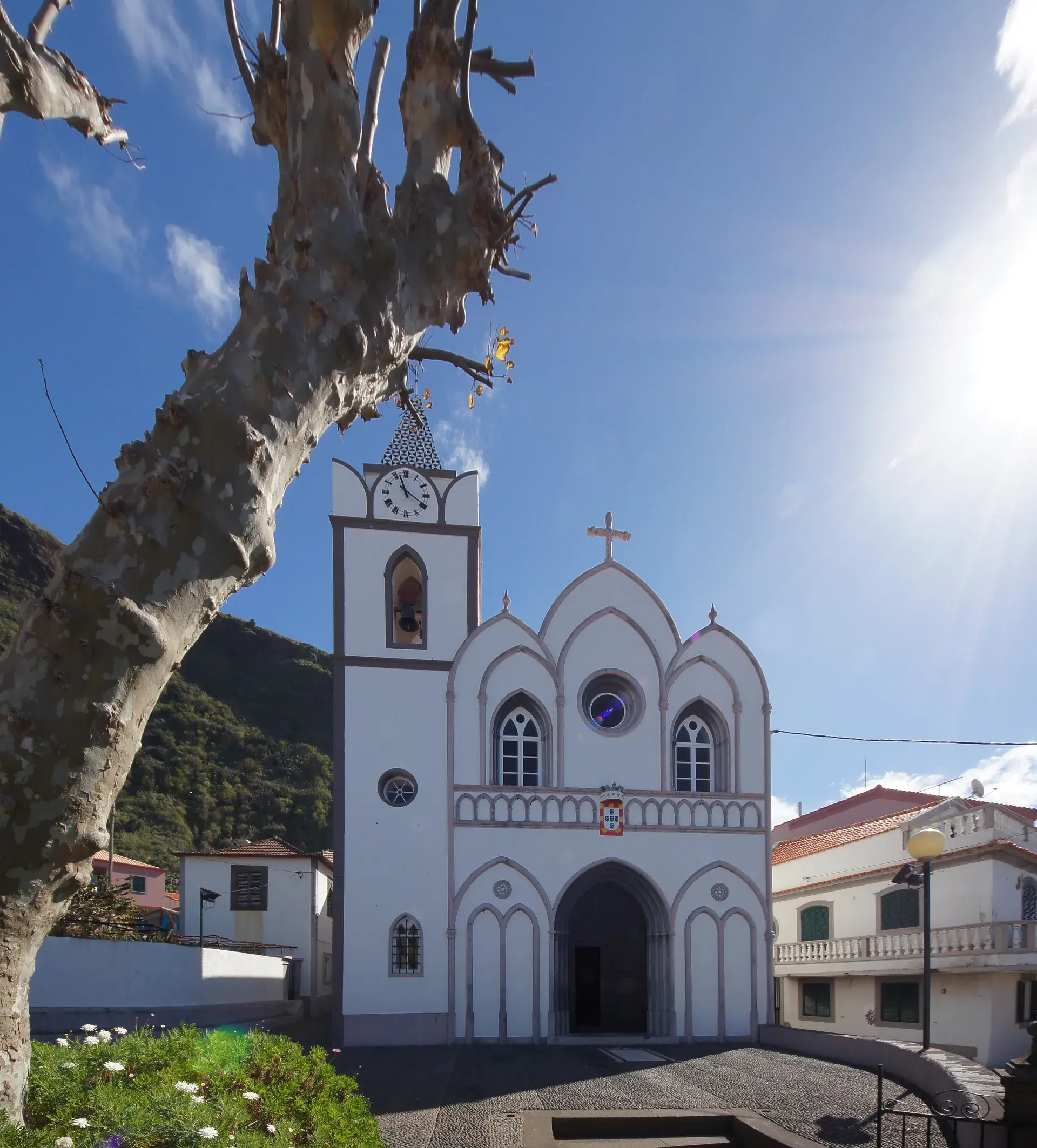
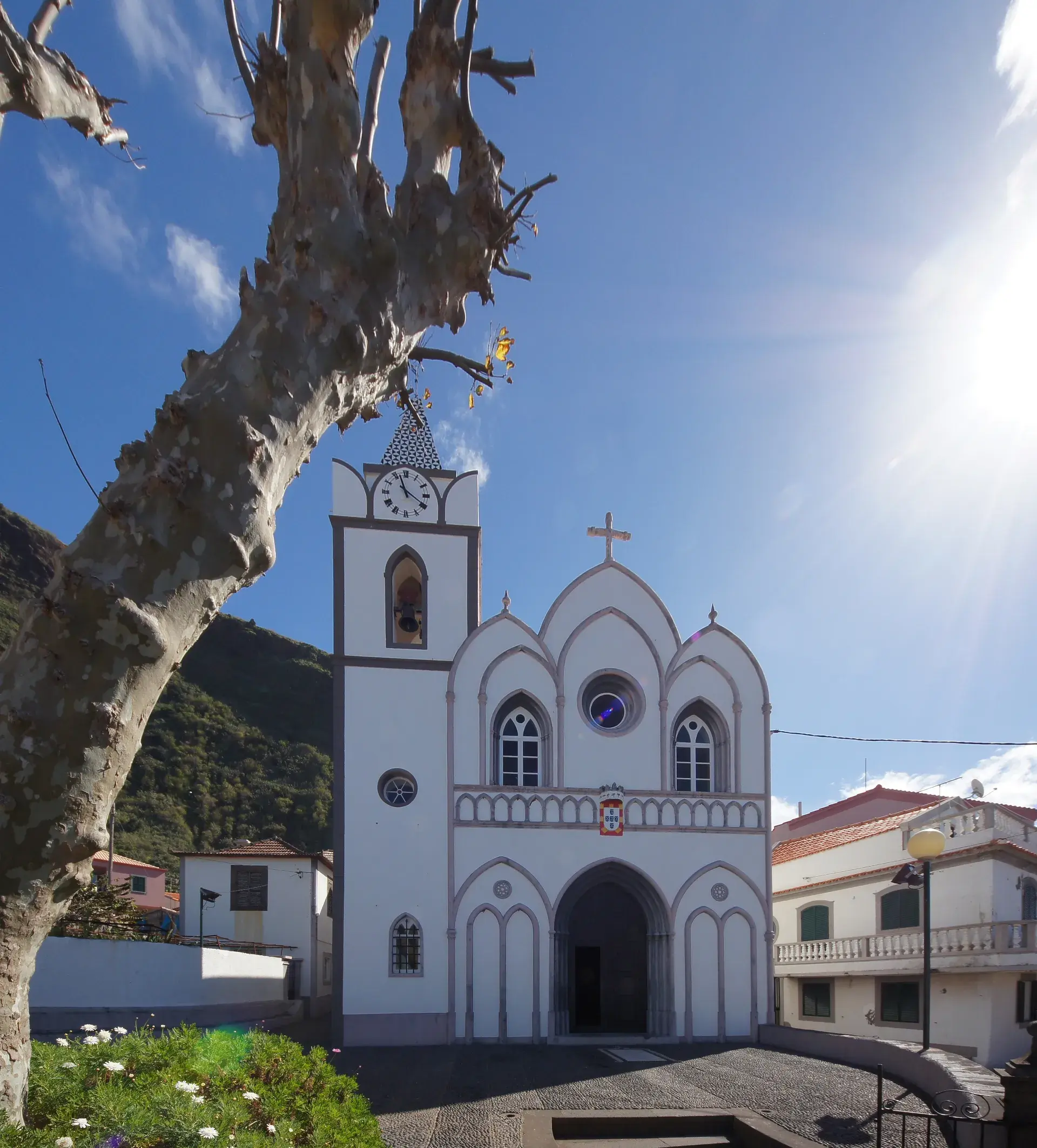
Adjacent to the central plaza and its fountains stands the main church, the Igreja de Nossa Senhora do Rosário. In a remarkable twist of history, the church underwent reconstruction between 1906 and 1907, with its new architectural design explicitly inspired by the Notre Dame Cathedral in Paris. This grand influence provides a startling contrast to the village's remote and inaccessible character at the time.
Other Local Curiosities
Beyond the plaza, Jardim do Mar holds other points of interest. The Watermill do Jardim do Mar at Sítio das Roseiras once operated year-round, grinding wheat for the village and neighboring parishes. In the Chapel of Nossa Senhora da Piedade, a tiny image of Santo António (St. Anthony) is revered. It was carved from a sliver of basalt from a rock fall that is believed to have miraculously spared a walker's life.
FAQ
What does 'Jardim do Mar' mean?
Jardim do Mar translates to 'Garden of the Sea.' The name is attributed to the abundance of wildflowers that once covered the area.
How was Jardim do Mar accessed historically?
For centuries, Jardim do Mar was a profoundly isolated village, accessible only by boat or by foot paths. Roads connecting it to the rest of Madeira were not built until the 1960s.
What is special about the church in Jardim do Mar?
The main church, Igreja de Nossa Senhora do Rosário, located next to the central fountains, is notable because its 1906-1907 reconstruction was architecturally inspired by the Notre Dame Cathedral in Paris.