Jakab Palace: A Neo-Gothic Fairytale Landmark
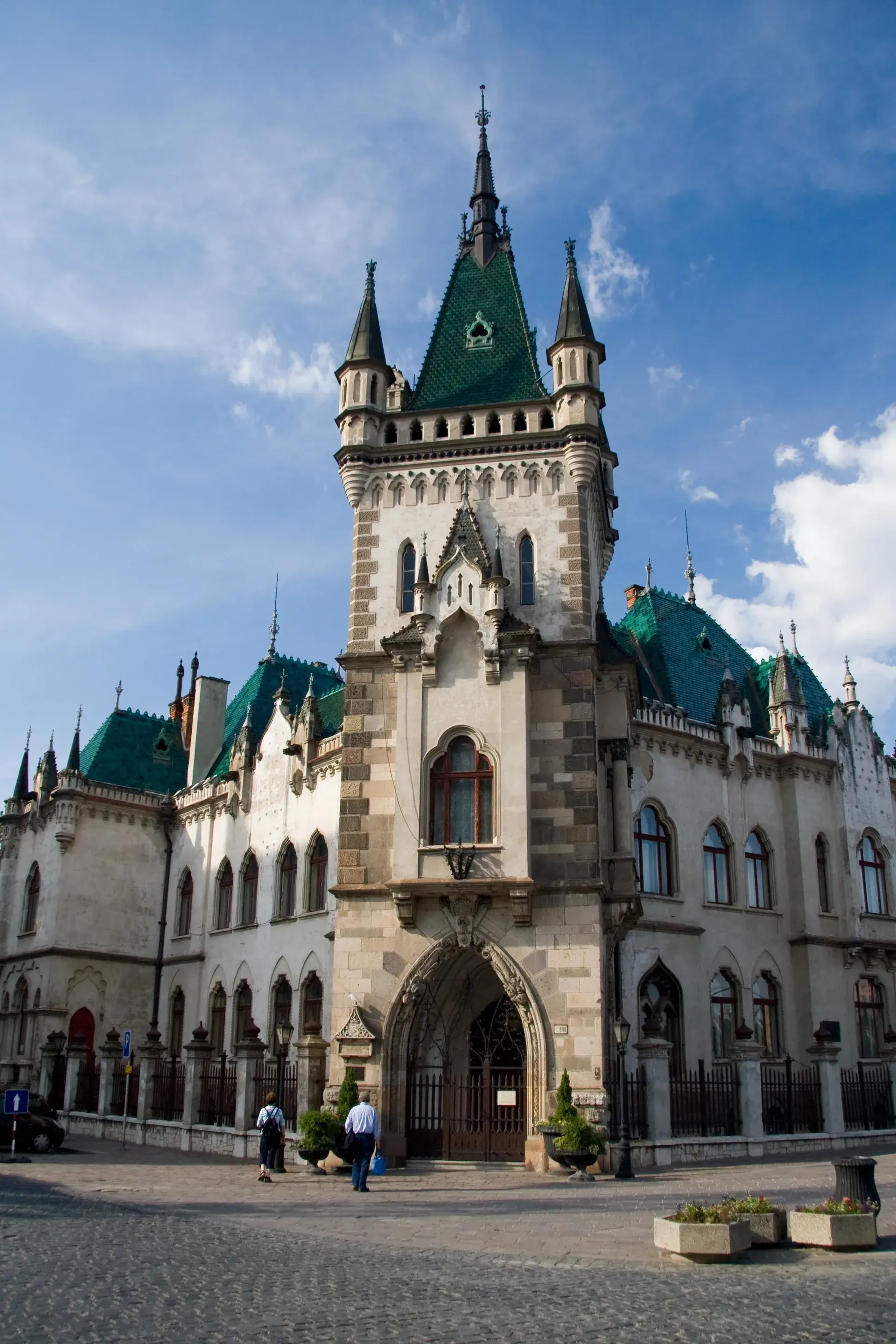
Admire the fairy-tale turrets and castlelike silhouette of this picturesque palace rising dramatically near the edge of the old town. Serving as a prominent visual gateway at the eastern entrance to the historic center of Košice, Slovakia, Jakab Palace marks the transition from City Park to the pedestrian route of Mlynská street.
Architectural Marvels from Salvaged Stones
Constructed between 1899 and 1903, the palace was designed by prominent local builders Arpád, Peter, and Gejza Jakab. The Neo-Gothic Revival building resembles a medieval castle, characterized by a turreted square tower, bay windows, and arched arcades. Today, it stands as a designated national cultural monument of Slovakia.
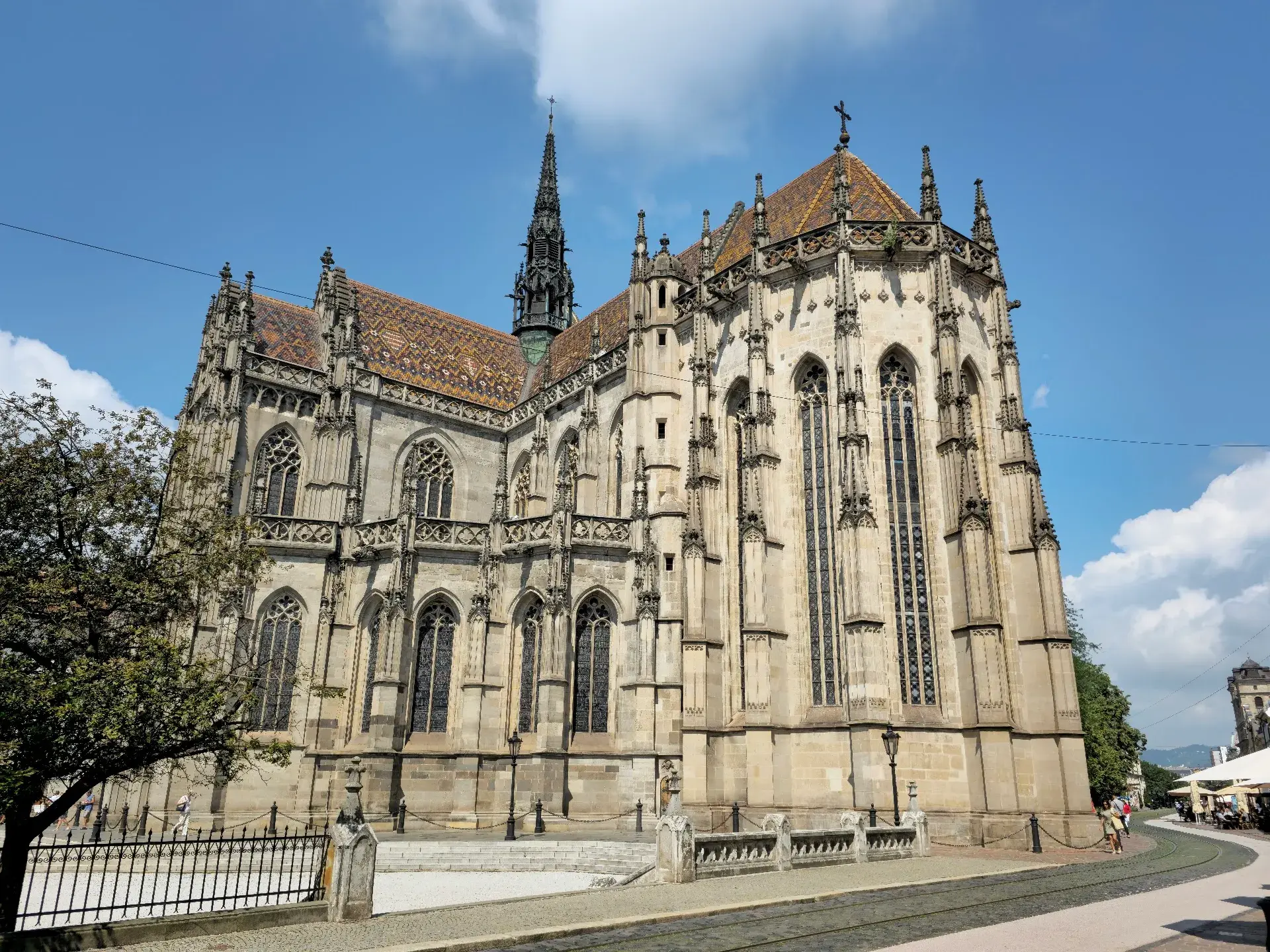
In a surprising architectural detail, the builders physically integrated authentic stone elements and gargoyles into the palace's facade. These pieces were salvaged during the late 19th-century restoration of the city's grandest landmark, St. Elisabeth's Cathedral.
A Century of Changing Hands
The structure was originally built adjacent to the tranquil Mill Stream as a residential showcase and business base for the Jakab family. After 1908, it was sold to architect Hugo Barkányi. Following the liberation of Košice in April and May 1945, the building briefly served as the seat and official residence of Czechoslovak President Edvard Beneš.
After World War II, the property was nationalized. Over the following decades, it served various political and educational functions, hosted city receptions and weddings, and housed the British Council from 1992 to 2000.
Hidden Curiosities
The exterior features several notable historical markers. A facade plaque depicting a raven with a ring in its beak was installed in 1943 to commemorate the 500th anniversary of King Matthias Corvinus's birth. A second exterior memorial plaque notes the building's brief tenure as President Beneš's residence in 1945.
While rarely seen by the public, the interior is equally ornate, containing an oriental-themed hall, coffered ceilings, elaborate stucco decorations, and a Baroque stove.
Current Status and Surroundings
Today, the tranquil Mill Stream is gone, replaced by a busy four-lane thoroughfare. The heavy traffic noise provides a stark acoustic contrast to the fairytale Neo-Gothic exterior.
Jakab Palace is currently closed to regular daily tourist visits, opening only for special organized events or occasional municipal tours. The property has been the subject of a long-standing ownership dispute between the City of Košice and private heirs since the 1990s. In March 2025, the Slovak Supreme Court returned the case to a regional court for further proceedings.
FAQ
Can visitors go inside Jakab Palace?
The palace is currently closed to regular daily tourist visits. The interior is only accessible during special organized events or occasional municipal guided tours.
Who built Jakab Palace?
The palace was constructed between 1899 and 1903 by prominent local builders Arpád, Peter, and Gejza Jakab.
Why does Jakab Palace have cathedral gargoyles?
The builders integrated authentic stone elements and gargoyles that were salvaged during the late 19th-century restoration of Košice's St. Elisabeth's Cathedral directly into the palace's facade.
Who has lived in Jakab Palace?
The palace was originally home to the Jakab family, later sold to architect Hugo Barkányi, and briefly served as the official residence of Czechoslovak President Edvard Beneš in 1945.