Košice's Immaculata Plague Column
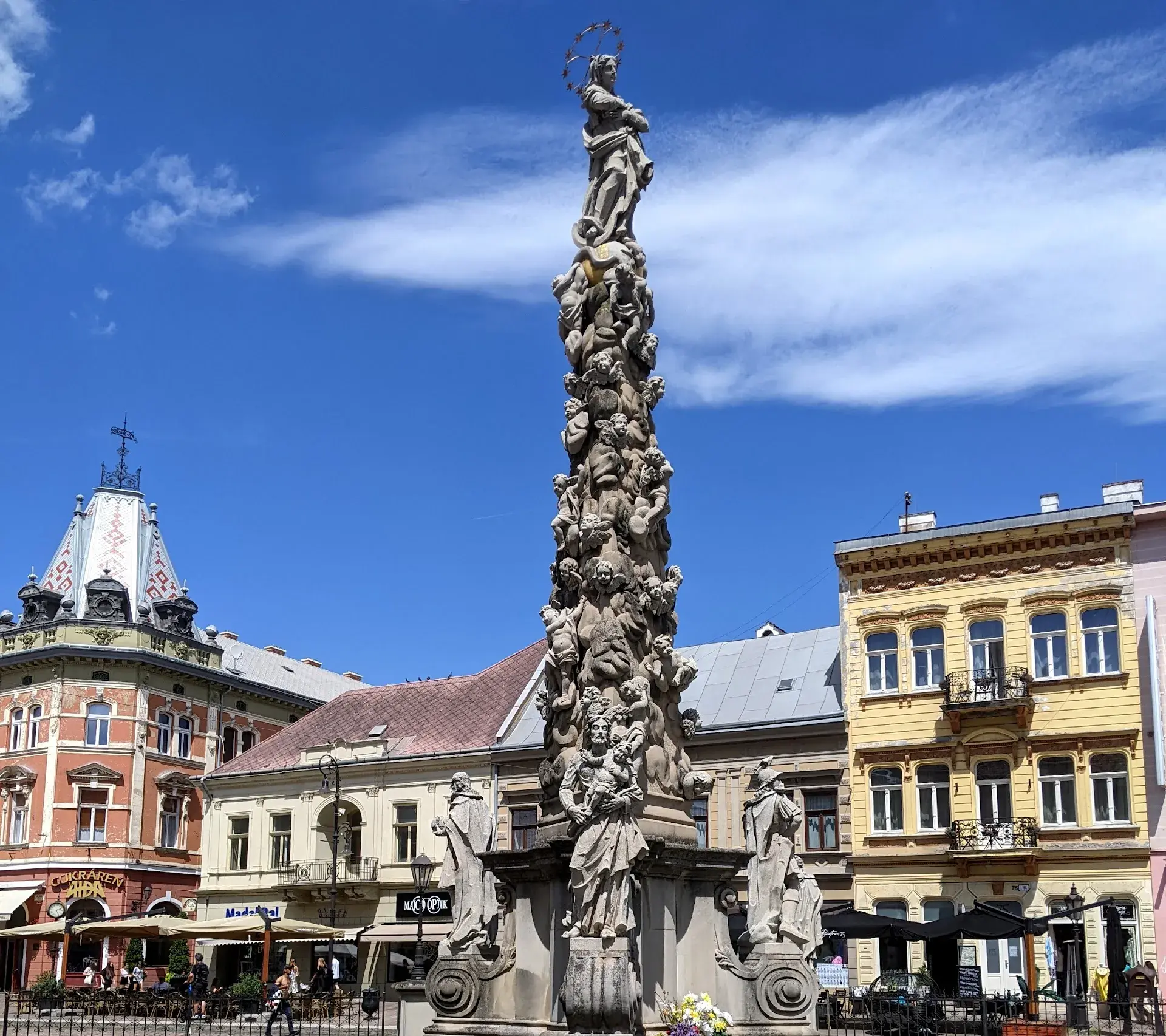
The Sculpture Immaculata, a storied historic plague column, stands as a monument to survival. Erected to thank the Virgin Mary for ending a devastating epidemic, it remains one of Košice's most prominent Baroque landmarks.
A Monument of Gratitude
Between 1709 and 1711, Košice suffered a severe plague outbreak, accompanied by famine and widespread hardship. Following the end of the disease, surviving citizens and civic authorities commissioned the 14-meter-tall Marian monument as an expression of religious devotion. Built between 1720 and 1723, the stone column is crowned by a striking gilded statue of the Virgin Mary surrounded by twelve stars.
From Execution Site to Spiritual Rebirth
The monument's placement is highly symbolic. The column was deliberately positioned on the exact ground where the city's medieval scaffold and gallows previously stood. This architectural decision transformed a site historically associated with death and punishment into a powerful emblem of survival and spiritual protection. Adding to its mystique, local tradition claims that relics of Saint Valentine are buried beneath or kept within the structure of the monument.
Artistic Vision and Preservation
The Immaculata features architectural design by master builder Tomáš Tornyosi and primary sculpture work by Šimon Grimming. Goldsmith Juraj Immerwohl crafted the monument's original gilded copper reliefs, which depicted allegories of Plague, War, and Famine. In the 19th century, these original reliefs were removed for preservation. They are now housed in the East Slovak Museum and were replaced on the monument by copies crafted by Stanislav Kožela.
The site continued to evolve when sculptor Leopold Hild added a decorative stone fence and surrounding statues in 1909. Following World War II, the column underwent significant repairs by sculptor Vojtech Löffler between 1949 and 1951, and again in the early 1970s. Further restoration was completed by Ľubomír Kus between 1996 and 1998.
The Civic Heart of Hlavná Ulica
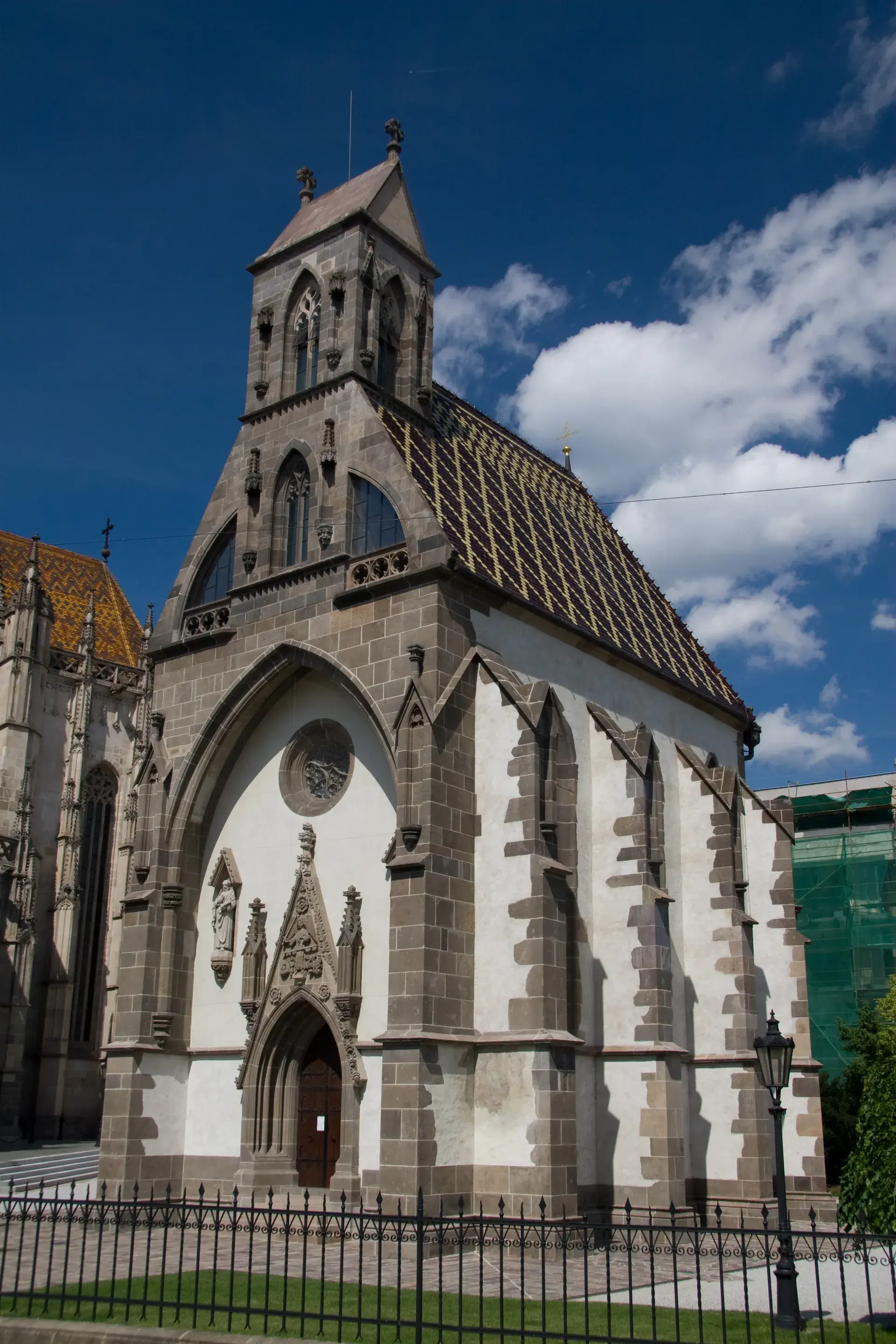
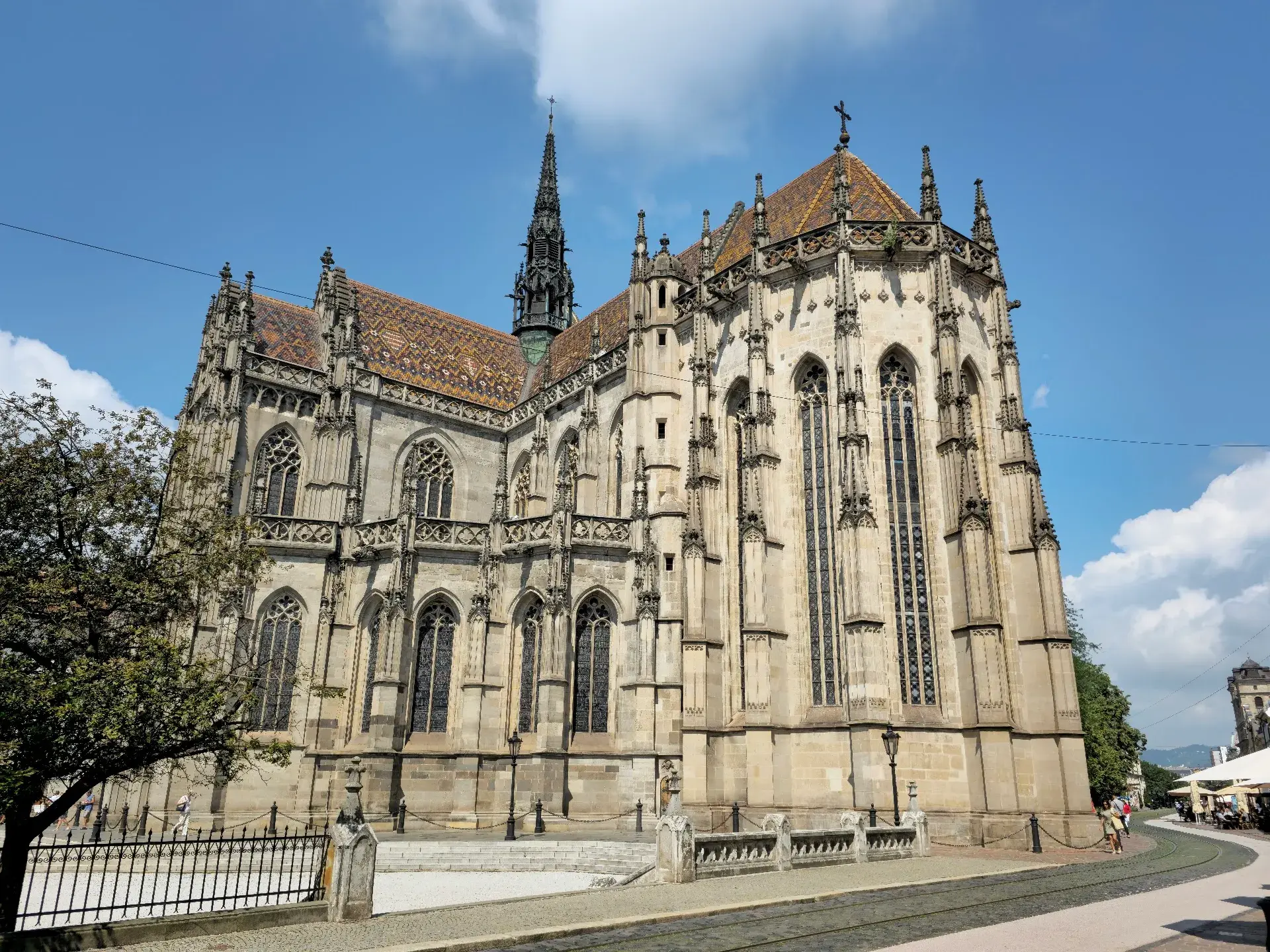
Today, the Plague Column anchors the central pedestrian spine of Hlavná ulica. It serves as a key historic landmark connecting other major sites like St. Elisabeth Cathedral and the State Theater Košice. Beyond its historical significance, the surrounding open-air park area functions as a central hub for seasonal civic events, annually hosting Košice's main Christmas tree, festive markets, and public performance stages.
FAQ
Why was the Plague Column in Košice built?
The monument was commissioned by surviving citizens and civic authorities to give thanks for the end of a devastating plague epidemic, famine, and hardship that struck the city between 1709 and 1711.
Where is the Sculpture Immaculata located?
It is located in a small park along the pedestrianized Hlavná ulica in Košice. The column was deliberately built directly over the site of the city's former medieval gallows.
Are the copper reliefs on the column original?
No, the original gilded copper reliefs depicting allegories of Plague, War, and Famine were removed in the 19th century for preservation. They are housed in the East Slovak Museum and were replaced on the column with copies by Stanislav Kožela.
What is the local legend about the Plague Column?
Local tradition claims that relics of Saint Valentine are buried beneath or kept within the structure of the monument.