San Anton Eliza: Bilbao's Iconic Riverside Church
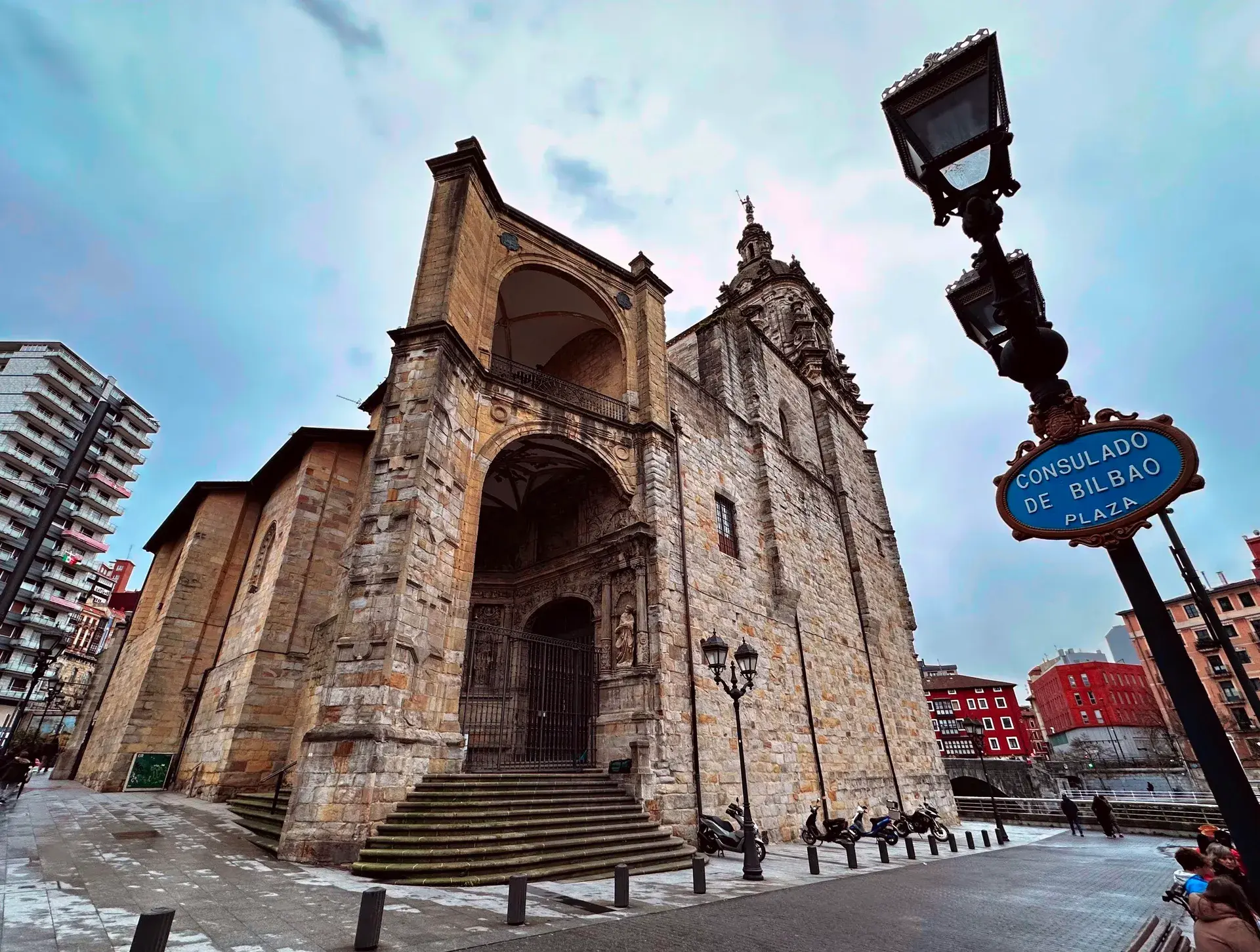
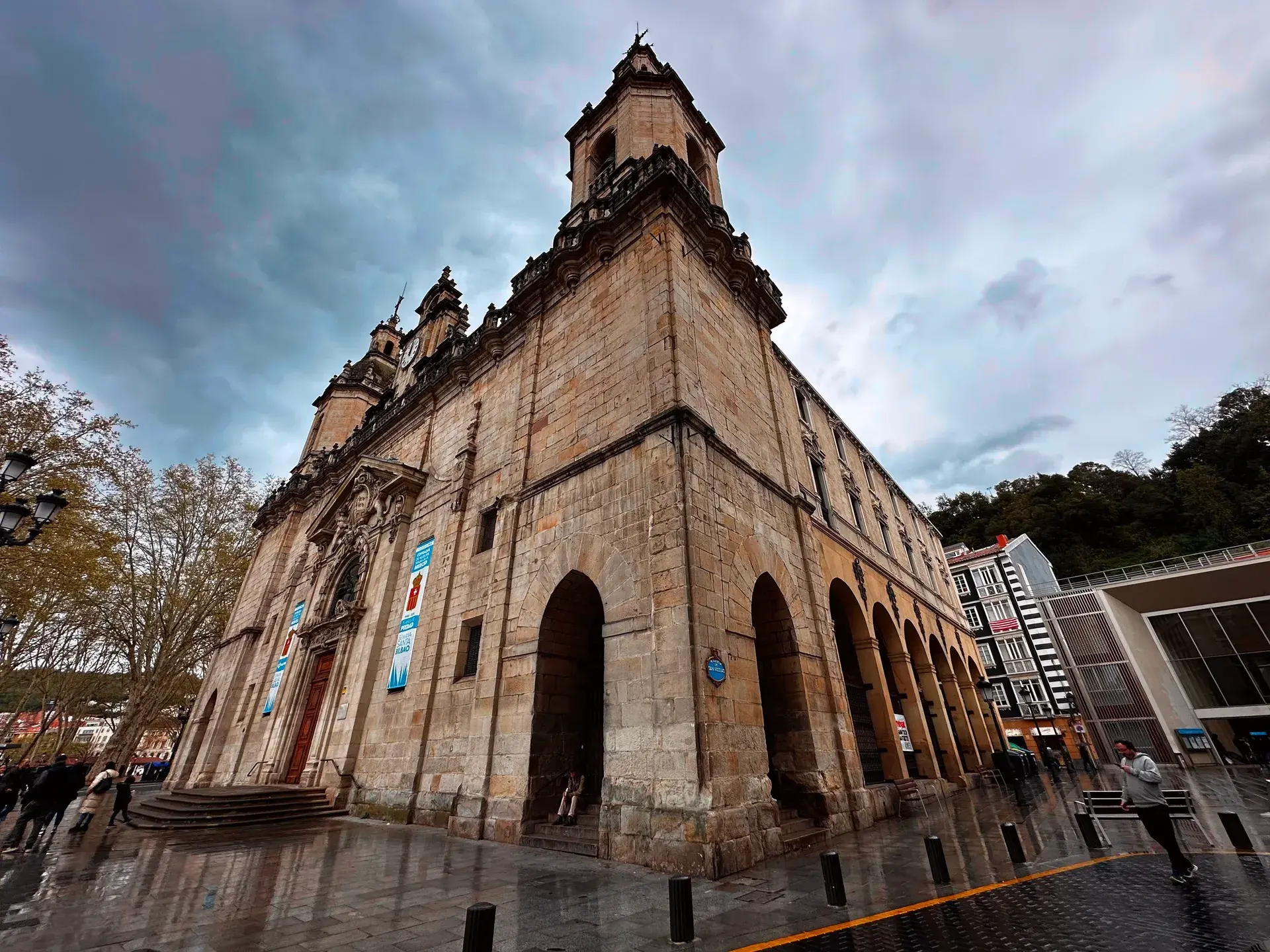
Take in the historic riverside facade of the Church of Saint Anthony, featuring a striking bell tower and classic Gothic details right by the water. Officially known as the Church of Saint Anthony the Abbot, or San Anton Eliza in Basque, this structure anchors the southern gateway of Bilbao's Casco Viejo (the Seven Streets). Declared a National Historic-Artistic Monument in July 1984, the church sits directly on the edge of the Bilbao Estuary next to the San Antón Bridge and the bustling Ribera Market.
A Foundation Older Than Bilbao
Archaeological excavations reveal that the site beneath San Anton Eliza predates the founding of Bilbao in 1300. In the 12th and 13th centuries, the area served as a river ford, warehouse, and trade dock. Following the city's founding charter by Diego López de Haro, this riverside location became a defensive corner of the town wall, a flood dyke, and a fortified entry point next to Bilbao's sole medieval bridge.
Construction of the Gothic masonry temple began in the late 15th century and concluded around 1510. Throughout the 1530s, prominent families added side chapels. Because of its position immediately along the river, the church has endured centuries of flooding. In August 1983, a disastrous flood breached the temple, ripping away iron grilles and destroying significant historic interior furnishings.
Architecture and Archaeological Discoveries
San Anton Eliza is predominantly a late Basque Gothic hall church characterized by rib vault ceilings. The solid masonry of the church footings rests directly above the tidal waters of the estuary. The structure incorporates a Renaissance main portal designed between 1546 and 1548, featuring contributions from artists Guiot de Beaugrant and Juan de Garita. Above it rises an 18th-century Baroque bell tower, designed by Juan de Iturburu between 1774 and 1775.
Today, the church operates as an active Roman Catholic parish. Inside, the dim, quiet chapels contrast sharply with the urban energy of the riverbank outside. Visitors can view preserved archaeological remains of Bilbao's medieval town walls and the original 15th-century church foundations located near the main altar.
Civic Life and the City Emblem
San Anton Eliza is so essential to the identity of Bilbao that its silhouette, paired with the adjacent bridge, has served as the central emblem on the city's official coat of arms since the 16th century. This same imagery was incorporated into the official crest of Athletic Club Bilbao in 1941.
Historically, the church played multiple roles in civic life. Up until the 19th century, the church floor functioned as a municipal burial ground. Before the development of modern public squares, the flat external terrace was used as a viewing platform for civic bullfights and town festivities. Furthermore, the Provost Chapel, built by the Lezama-Leguizamón family, originally contained a private passageway that directly connected the church to the family's neighboring tower-house.
FAQ
Why is San Anton Eliza on the Bilbao coat of arms?
The silhouette of the church paired with the adjacent San Antón Bridge has been the central emblem on Bilbao's official coat of arms since the 16th century due to its historic significance as a medieval river outpost. It is also featured on the Athletic Club Bilbao crest.
When was the Church of Saint Anthony the Abbot built?
Construction of the main Gothic hall church occurred between the late 15th century and 1510. A Renaissance main portal was later added in 1546-1548, and its Baroque bell tower was built in 1774-1775.
Are there archaeological remains inside San Anton Eliza?
Yes, archaeological excavations near the altar reveal remains of Bilbao's medieval town walls and the original 15th-century church foundations. The site itself dates back to the 12th century, pre-dating the founding of Bilbao.