Porta do Camiño: Pilgrim's Gate to Santiago
Porta do Camiño, meaning 'Gate of the Way,' is a historically significant site in Santiago de Compostela. It served as the traditional entry point for countless pilgrims completing the Camino Francés, marking their triumphant arrival in the holy city. Though the original medieval gate no longer stands, the location endures as a powerful symbol of the pilgrimage's culmination.
History of a Medieval Gateway
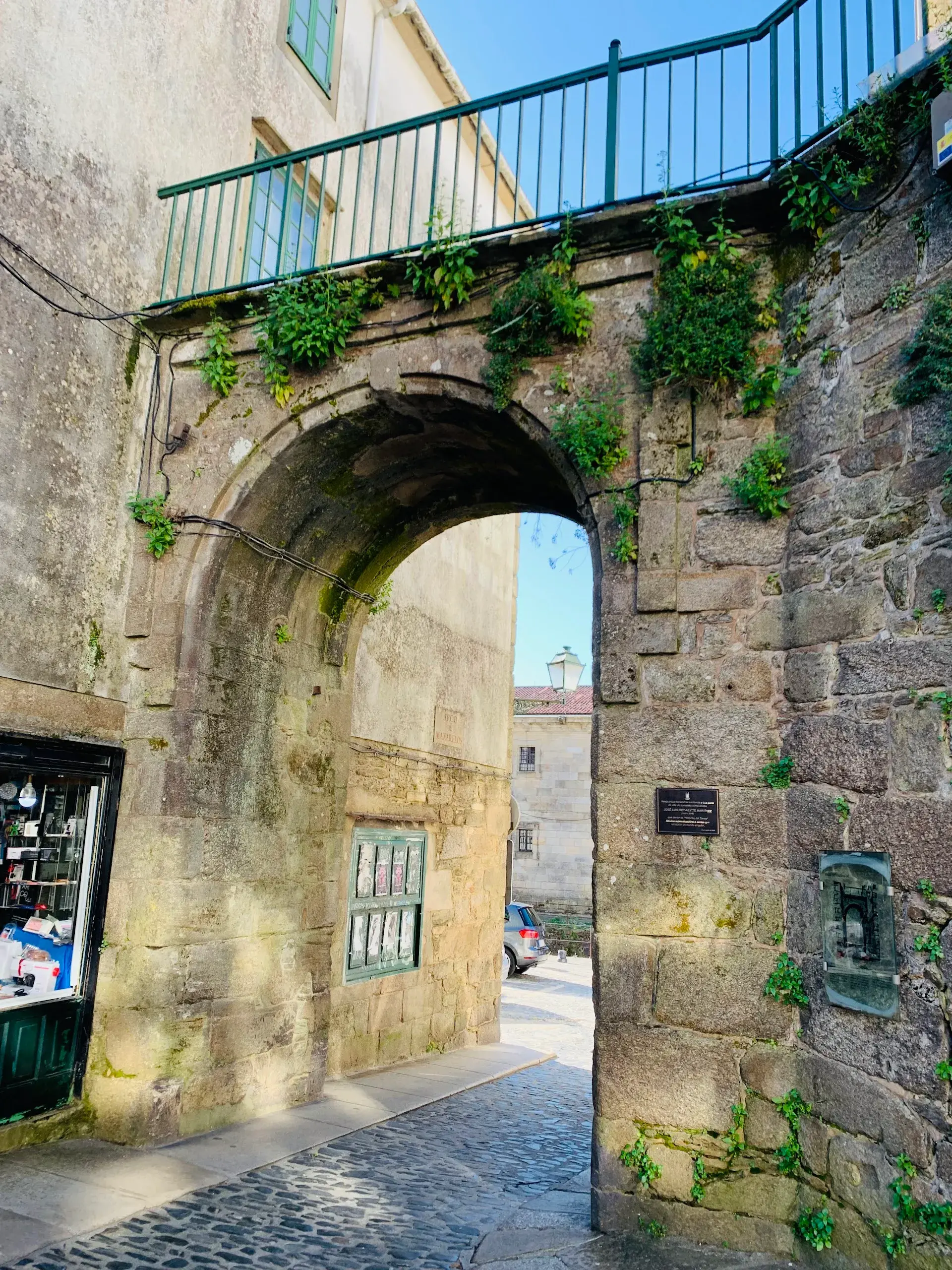
Constructed between the 11th and 13th centuries, the gate was a vital component of Santiago's defensive city walls. Originally known as Porta Francíxena (French Gate) or Porta de San Pedro (Gate of Saint Peter), it became the primary entrance for those arriving on the most frequented pilgrimage route. Its importance was documented as early as the 12th century by the French monk Aymeric Picaud in the Códice Calixtino, which listed it first among the city's seven gates.
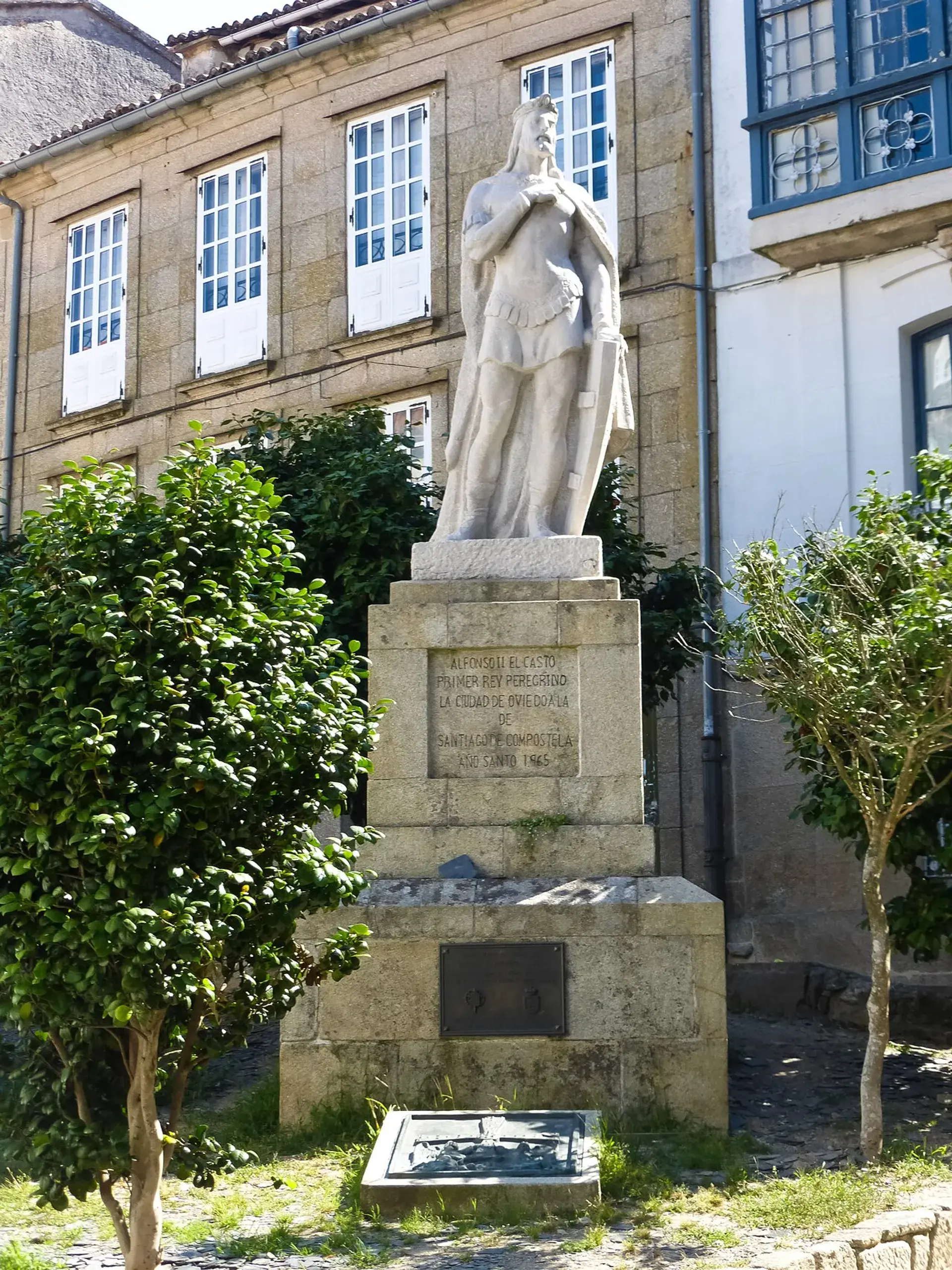
The gate's history is intertwined with the rise of the pilgrimage itself, a movement championed by early patrons like King Alfonso II, who commissioned the first chapel over Saint James's tomb. While pilgrims on the French Way entered here, other routes had their own gates, such as the Porta Faxeira for the Portuguese Way.
A Ceremonial and Symbolic Threshold
Beyond its defensive function, the Porta do Camiño was a ceremonial threshold. It was the site where new archbishops of Santiago de Compostela would symbolically receive the keys to the city during their enthronement ceremonies, signifying their assumption of authority. For pilgrims, passing through this gate represented the deeply meaningful transition from the arduous journey to the sacred destination of the Cathedral of Saint James.
Porta do Camiño Today
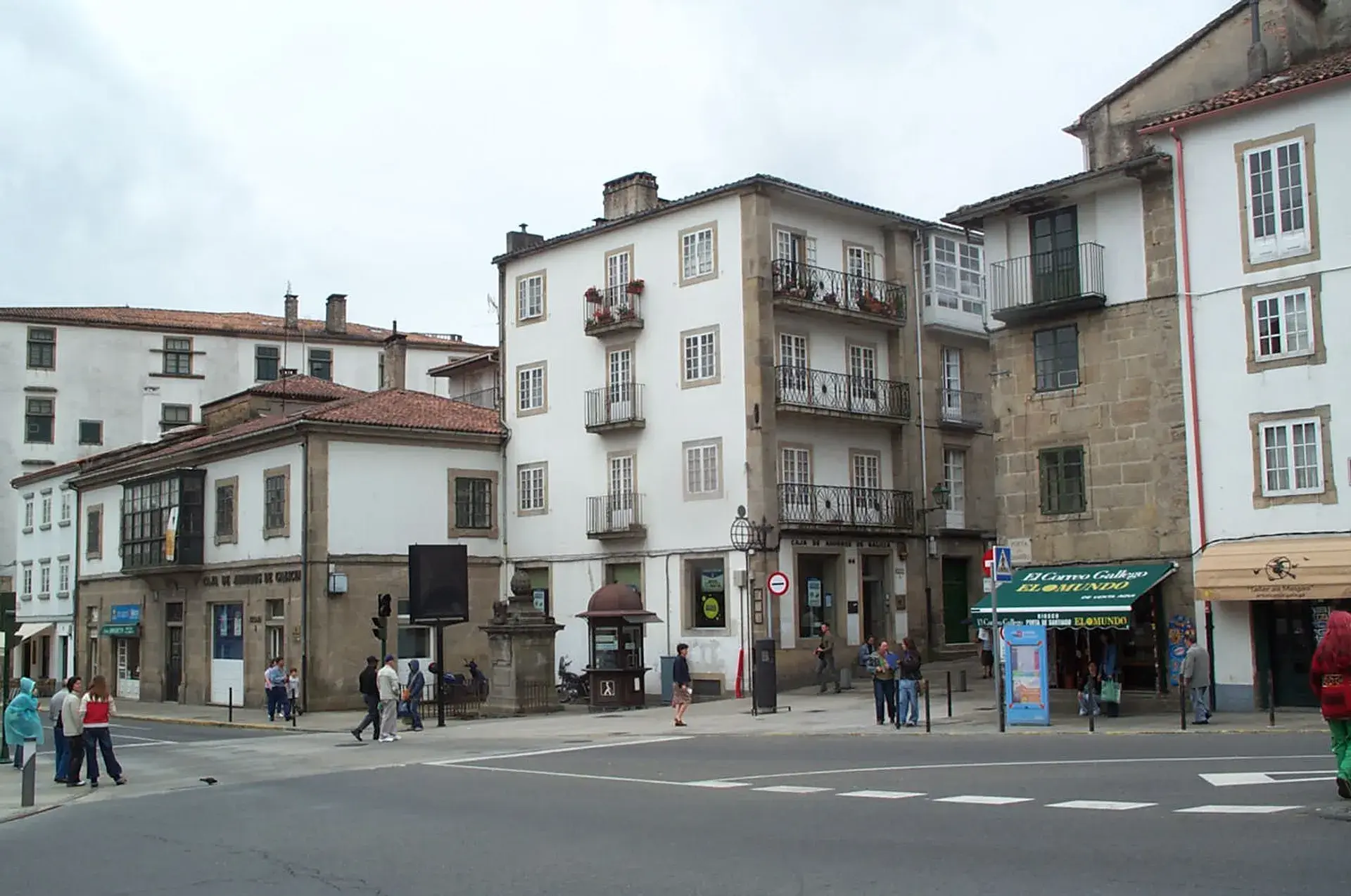
Today, the physical gate is gone, and the site is a public intersection where Rúa de San Pedro, As Rodas, and A Ensinanza streets meet, following the line of the ancient wall. Despite the absence of the original structure, Porta do Camiño remains a vibrant gathering point for locals and visitors. It continues to be recognized as the emblematic entrance for pilgrims finishing the French Way. From this spot, one can see the Mosteiro de San Domingos de Bonaval, home to the Museo do Pobo Galego (Museum of the Galician People) since 1963.
FAQ
What is the Porta do Camiño?
Porta do Camiño, or 'Gate of the Way,' was the historic main entrance into Santiago de Compostela for pilgrims on the Camino Francés. Though the medieval gate is gone, the location remains a key symbolic site.
Does the original Porta do Camiño still exist?
No, the original medieval gate, built between the 11th and 13th centuries as part of the city's defensive walls, no longer physically exists. The site is now a public space at the intersection of several streets.
Why was the Porta do Camiño important?
It was the primary entry for pilgrims on the Camino Francés and a ceremonial threshold where new archbishops received the city keys. It was documented as the 'French Gate' in the 12th-century Códice Calixtino.
What were the original names for Porta do Camiño?
It was originally known as Porta Francíxena, meaning 'French Gate,' and also as Porta de San Pedro, or 'Gate of Saint Peter.'