Boston Common: History of America's Oldest Public Park
Established in 1634, Boston Common holds the distinction of being the oldest public park in the United States. Spanning 44 to 50 acres in downtown Boston, the tract was originally purchased from William Blaxton, the Shawmut Peninsula's first European settler, for 30 pounds funded by a local household tax. Designated a National Historic Landmark in 1987, the park marks the official starting point of Boston's 2.5-mile Freedom Trail and anchors the northern terminus of Frederick Law Olmsted’s 1,100-acre Emerald Necklace park system.
Colonial Pasture and Military Encampment
The Common was initially set aside as shared ground for military training and cattle grazing, functioning as an active pasture watched over by a town-appointed shepherd for roughly two centuries. Early colonial authorities also used the grounds for public punishments and executions, including the 1660 hanging of Quaker martyr Mary Dyer for defying Puritan religious laws. Near the center of the park, the historic Great Elm served as both a gathering site and gallows until it collapsed during a severe storm in 1876.
During the American Revolution, the site took on major strategic importance. Between 1775 and 1776, approximately 1,700 British Redcoats camped on and fortified the Common before setting out toward the battles of Lexington and Concord. The park's agricultural role occasionally collided with Revolutionary wartime demands: in 1778, when Dorothy Quincy Hancock faced a dairy shortage while preparing to host hundreds of French naval officers, her staff secretly milked the townspeople’s cows that were grazing across the Common.
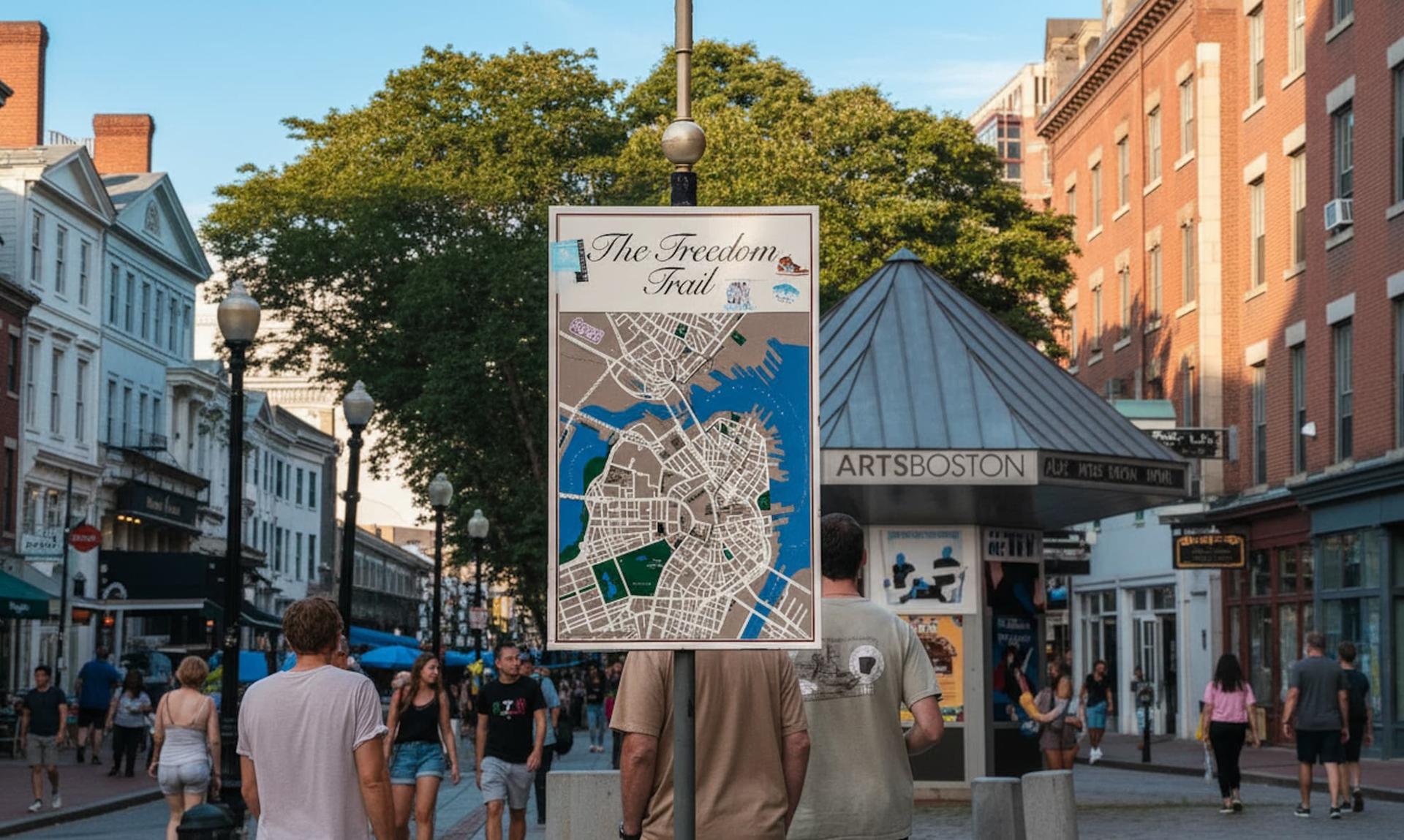
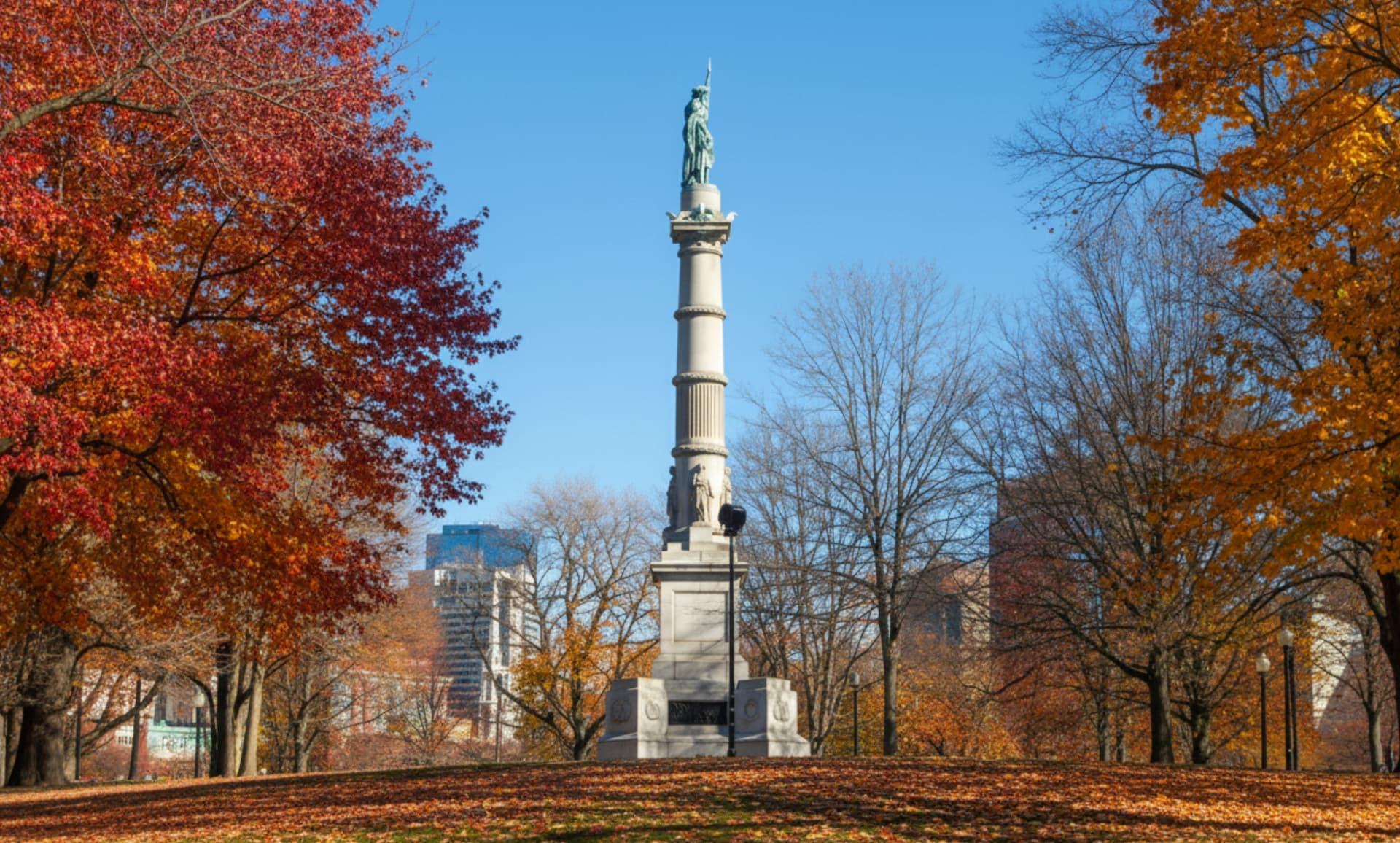
Boston Freedom Trail self guided walking tour with audio guide
2.5 hours17 stopsAudio guideStart any day, at your own paceTicket on your phone · 30-day refundEvolution Into a Stage for Civic Assembly
Agricultural activity ceased in 1830 when the town formally banned cattle grazing, followed by the removal of pasture fences in 1836. Boston Common subsequently developed into a focal point for public assembly, political debate, and social movements. Over the generations, the grounds hosted prominent anti-slavery speeches, an address by Dr. Martin Luther King Jr. in 1965, and a 1969 Vietnam War moratorium gathering that drew an estimated 100,000 demonstrators.
This tradition of honoring civic milestones continues in the park's permanent public art. In 2023, the park dedicated The Embrace, a 20-foot bronze monument designed by Hank Willis Thomas and set within the 1965 Freedom Plaza, commemorating the work and partnership of Dr. Martin Luther King Jr. and Coretta Scott King.
Modern Amenities and Seasonal Traditions
Today, Boston Common operates as an urban green space maintained collaboratively by the Boston Parks and Recreation Department and the nonprofit Friends of the Public Garden. Along Tremont Street, the Boston Common Visitor Information Center provides guidance and resources for visitors embarking on the Freedom Trail.
At the core of the park, Frog Pond operates year-round in partnership with The Skating Club of Boston. During the summer, it functions as a children's spray pool and reflecting basin accompanied by the nearby music of a carousel organ. In the winter months, the basin freezes into an outdoor ice-skating rink where the scraping of skate blades defines the seasonal atmosphere. The park also hosts community gatherings throughout the year, including free performances by the Commonwealth Shakespeare Company and First Night New Year's celebrations.
Landscape History and Hidden Curiosities
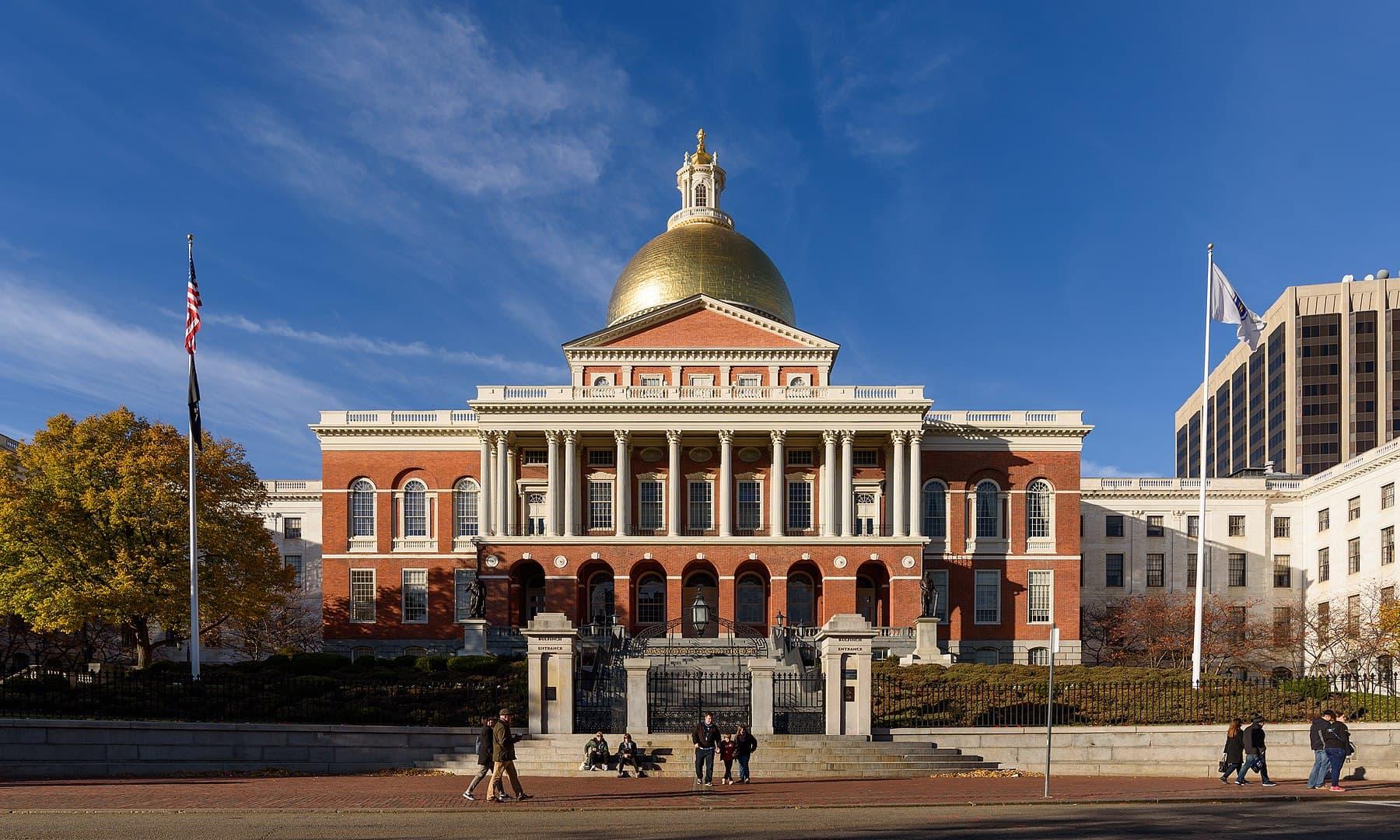
The geographic boundaries of Boston Common have evolved substantially over time. Prior to the 19th-century land reclamation that formed Back Bay, the western boundary of the Common met a natural shoreline where the tidal waters of the Charles River touched the park. Today, the park borders Beacon Hill, Downtown Crossing, and the Theater District, connecting across Charles Street to the Victorian-era Boston Public Garden and offering uphill views of the 23-karat gold dome of the Massachusetts State House.
Remnants of the park's past have also emerged from underground. In 1895, workers excavating along Tremont and Boylston Streets for the nation’s first subway tunnel uncovered the skeletal remains of hundreds of British soldiers and colonial residents. These remains were subsequently reinterred in a mass grave located inside the Common's Central Burying Ground.
Local tradition also maintains strict linguistic etiquette regarding the park's name: residents refer to the space strictly in the singular as "Boston Common" or "the Common." Referring to the landmark in the plural as "the Commons" is a recognized indicator of an outside visitor.
FAQ
When was Boston Common established?
Boston Common was established in 1634, making it the oldest public park in the United States.
Why is it called Boston Common instead of Boston Commons?
Local tradition dictates referring to the space strictly in the singular as "Boston Common" or "the Common." Adding an "s" to call it "the Commons" is recognized locally as a mark of an outsider.
What historical events took place on Boston Common?
The Common served as a military camp for 1,700 British troops prior to the battles of Lexington and Concord, an execution site for Quaker martyr Mary Dyer in 1660, and a venue for historic gatherings including 19th-century anti-slavery speeches, a 1965 address by Martin Luther King Jr., and a 1969 Vietnam War moratorium gathering of roughly 100,000 people.
How is the Frog Pond used throughout the year?
Maintained in partnership with The Skating Club of Boston, the Frog Pond functions as an outdoor ice-skating rink during the winter months and transitions into a children's spray pool and reflecting basin in the summer.
More places in Boston
boston, united-states
Massachusetts State House: the dome on Beacon Hill
Massachusetts State House: the dome on Beacon Hill
boston, united-states
Boston Common Visitor Center: where the trail begins
Boston Common Visitor Center: where the trail begins
boston, united-states
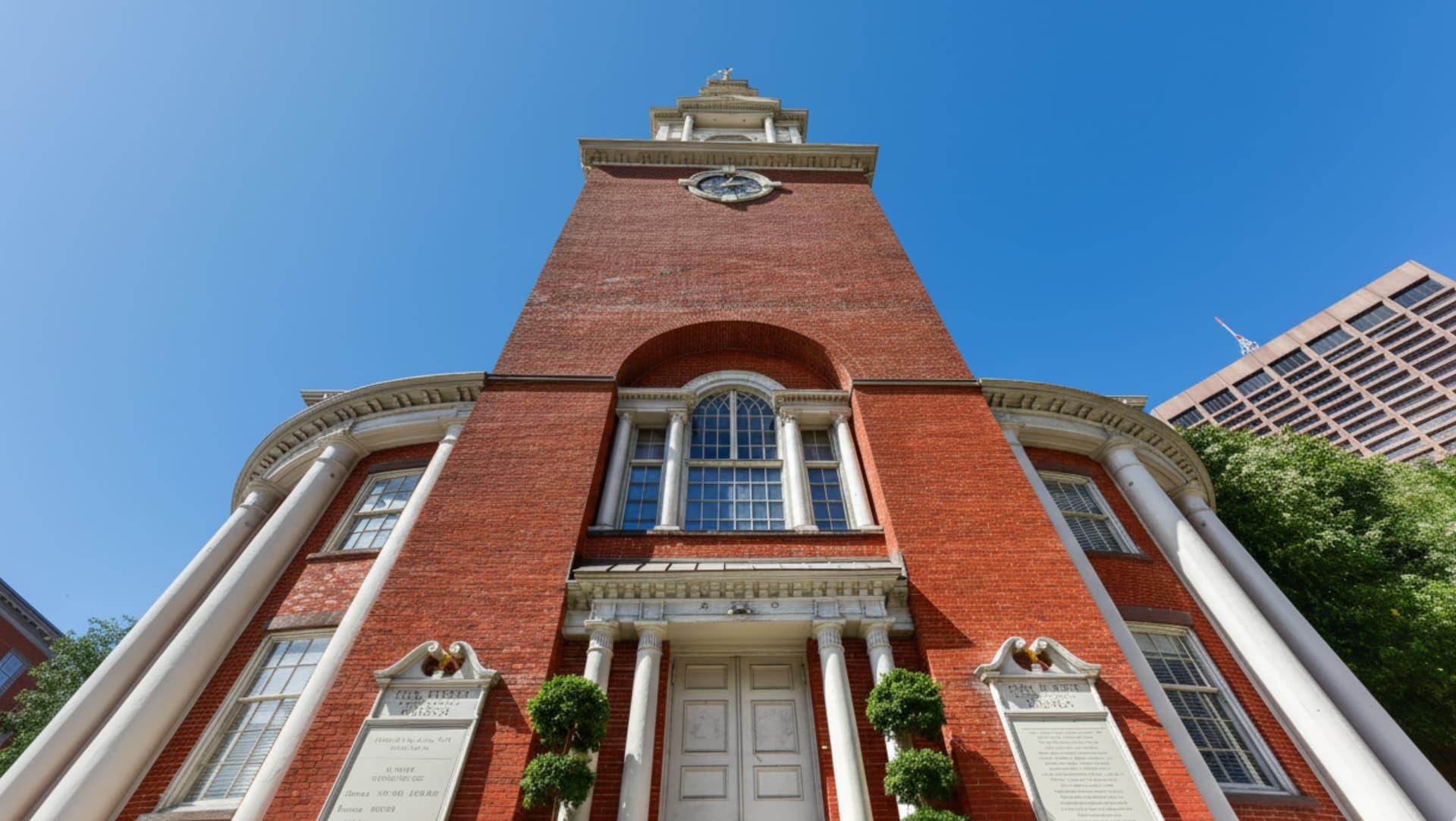
Park Street Church: the steeple on Brimstone Corner