Boston Massacre Site: History and Freedom Trail Marker
A Historic Marker on State Street
Outside the east front of Boston's Old State House, embedded in the pedestrian plaza near State and Devonshire Streets, lies a circular cobblestone memorial. At its center sits a bronze star encircled by a raised bronze ring inscribed with "Site of the Boston Massacre" and "March 5, 1770." Located in the modern Financial District, the site connects two prominent landmarks along Boston's 2.5-mile Freedom Trail: the Old South Meeting House to the south and Faneuil Hall to the north.
The tactile marker sits in contrast to the surrounding city. Pedestrians crossing the plaza transition from smooth sidewalk pavement onto the rough texture of cobblestones and raised bronze, while the low mechanical rumble of MBTA subway cars vibrates from subterranean tracks directly beneath the street.
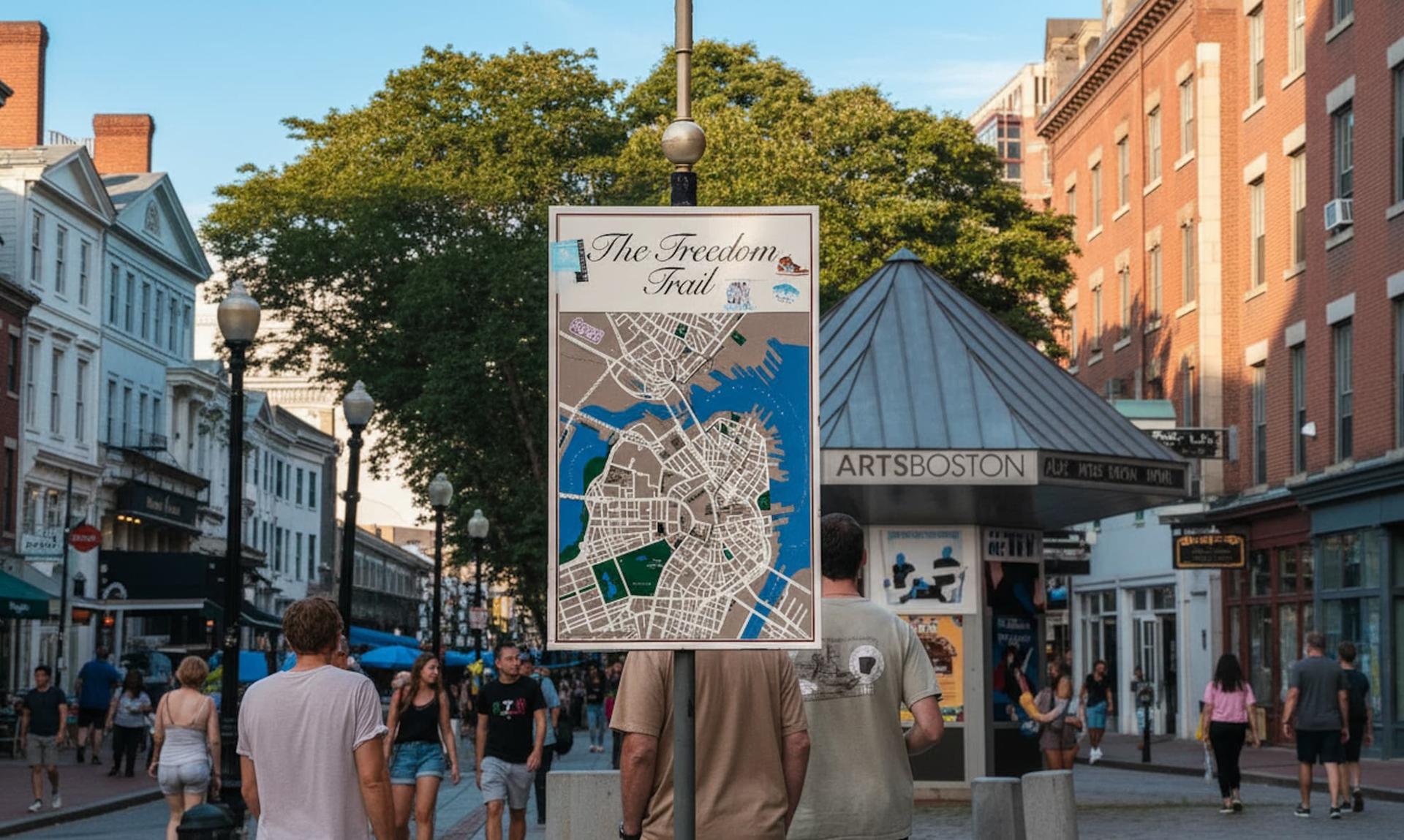
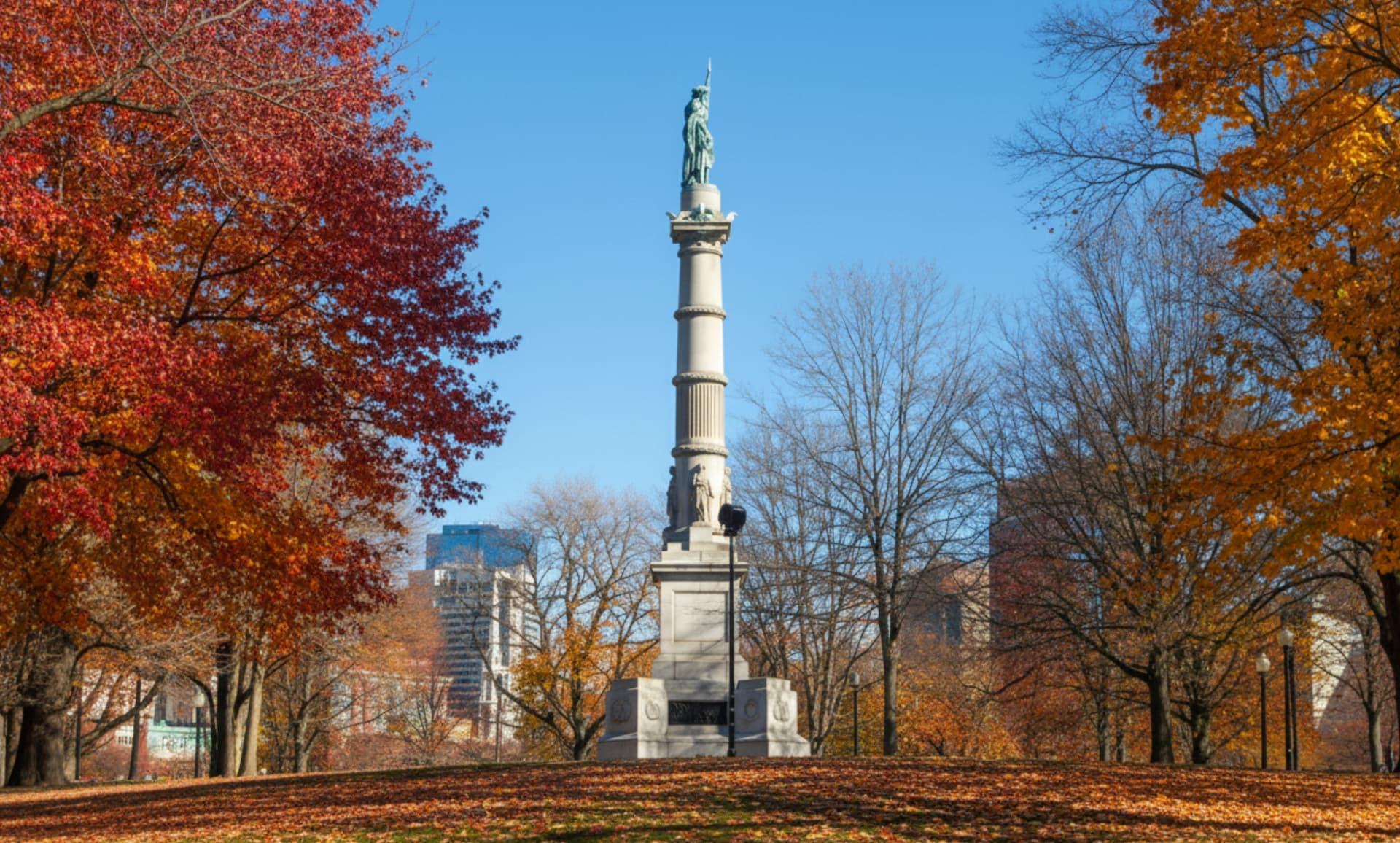
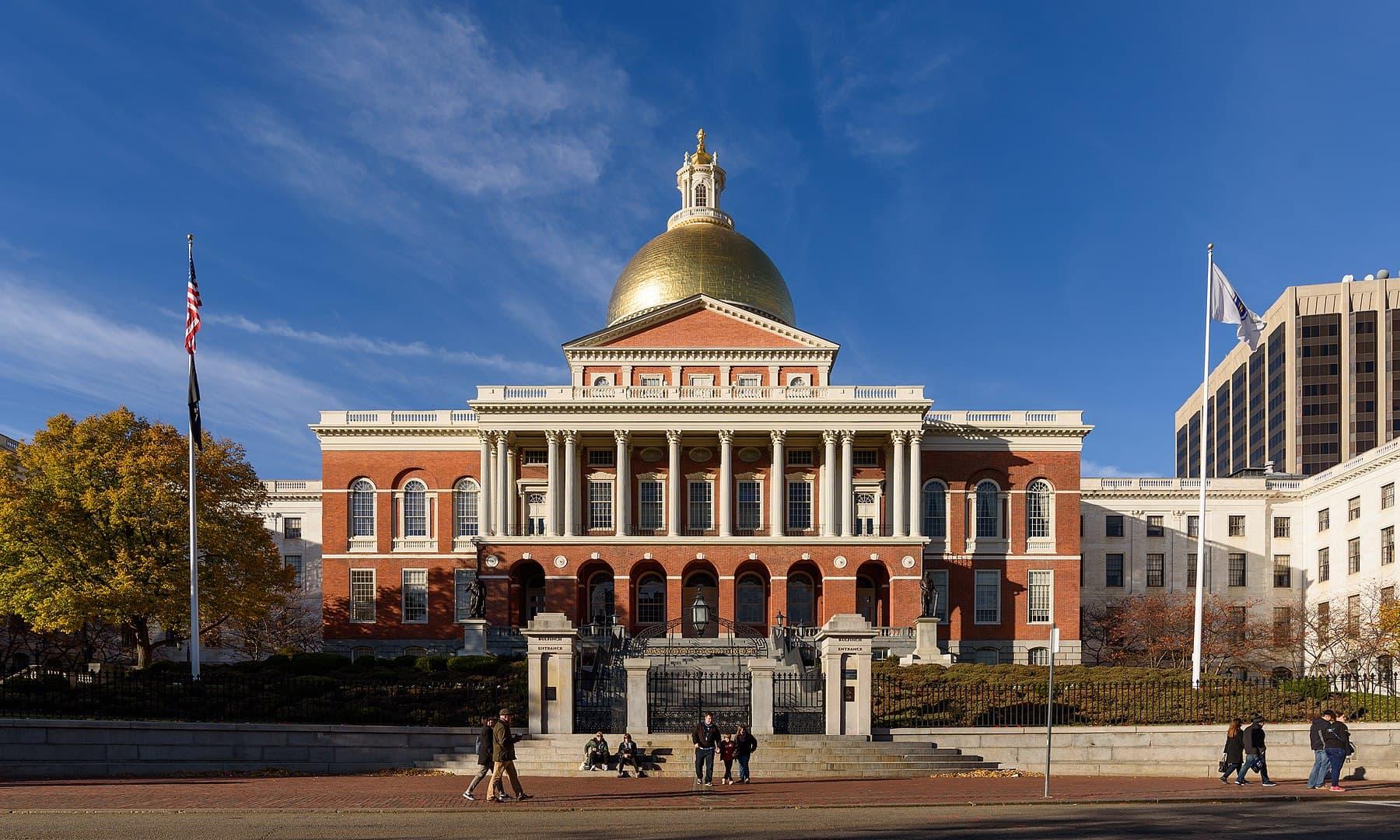
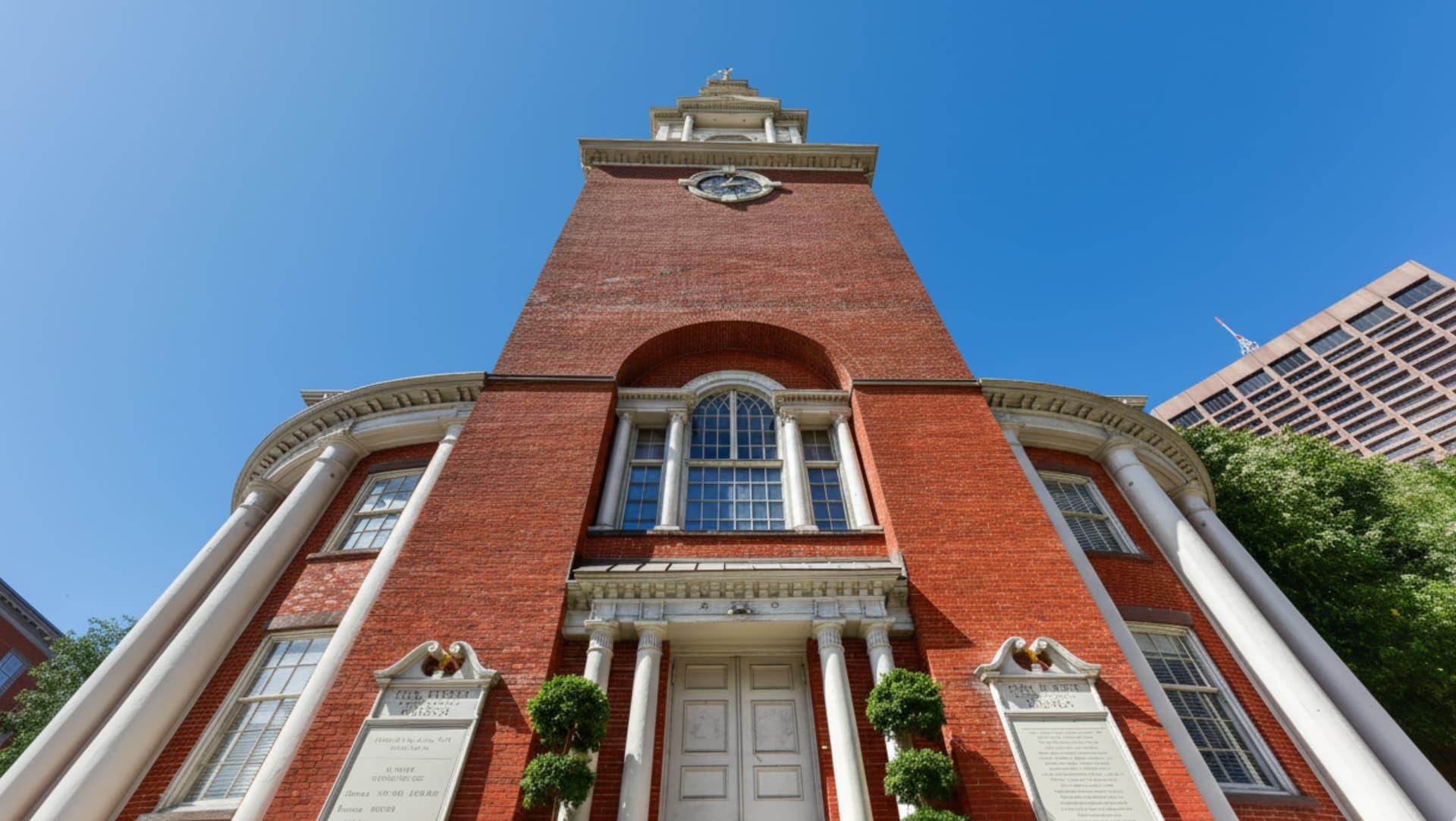
Boston Freedom Trail self guided walking tour with audio guide
2.5 hours17 stopsAudio guideStart any day, at your own paceTicket on your phone · 30-day refundThe Incident on King Street
Tensions in colonial Boston reached a boiling point following the 1768 Townshend Acts, which led to the garrisoning of approximately 2,000 British troops in a town of just 16,000 residents. The military occupation stoked persistent friction over jobs, street skirmishes, and colonial authority.
On the freezing evening of March 5, 1770, an argument erupted outside the Custom House between a young apprentice and a British sentry. An agitated crowd quickly gathered, pelting the sentry with snow, chunks of ice, and oyster shells. In response, Captain Thomas Preston and eight soldiers from the 29th Regiment formed a defensive ring. Amid the chaos, shouting, and confusion, a musket was discharged, prompting the soldiers to fire directly into the crowd.
Five men died as a result of the gunfire: Samuel Gray, James Caldwell, Samuel Maverick, Patrick Carr, and Crispus Attucks. Attucks, a sailor and dockworker of African and Wampanoag descent, was the first colonist killed and is widely remembered as the first casualty of the American Revolution. Minutes after the shooting ceased, Royal Lieutenant Governor Thomas Hutchinson stepped onto the small wooden balcony of the Old State House above the street, promising an immediate investigation to calm the enraged crowd and avert further bloodshed.
Propaganda and the Legal Defense
Following the confrontation, colonial leaders worked quickly to shape public perception. While British authorities recorded the clash as the "Incident on King Street," patriot leaders Samuel Adams and Paul Revere framed it as the "Boston Massacre." Revere adapted and widely circulated an inflammatory copperplate engraving originally drawn by Henry Pelham, depicting British soldiers firing a coordinated volley into an unarmed crowd.
Despite widespread public fury, future U.S. President John Adams and attorney Josiah Quincy Jr. agreed to defend Captain Preston and the soldiers in court. Adams argued that the rule of law had to prevail regardless of public sentiment. The legal strategy succeeded: Captain Preston and six of the soldiers were acquitted of murder, while two were convicted of the lesser charge of manslaughter and branded on their thumbs. Adams later considered this defense one of the most important services he ever rendered to his country.
Relocations of the Cobblestone Ring
Although the cobblestone ring serves as an open-air memorial to the 1770 shooting, it does not occupy the precise geographic spot where the musket fire took place. The marker was first installed in 1887 at the intersection of State and Exchange Streets.
Over the following century, the medallion was shifted and reconstructed repeatedly—in 1904, 1937, the 1960s, and 2011. These movements were made to accommodate changing street layouts, road resurfacing, and the construction of the underlying MBTA subway station.
The Site Today
Today, the Boston Massacre Site functions as a freely accessible public memorial and active walkway in the center of downtown Boston. As an outdoor stop on the Freedom Trail, it draws hundreds of thousands of visitors every year. Each March, the historical organization Revolutionary Spaces partners with local reenactment groups to stage an annual public reenactment of the confrontation, preserving the memory of the event that pushed the American colonies closer to revolution.
FAQ
Who was the first person killed in the Boston Massacre?
Crispus Attucks, a sailor of African and Wampanoag descent, was the first of five colonists killed on March 5, 1770, and is widely remembered as the first casualty of the American Revolution.
Is the cobblestone marker in the exact location of the 1770 shooting?
No. The cobblestone medallion was first placed in 1887 at State and Exchange Streets and was subsequently moved in 1904, 1937, the 1960s, and 2011 to accommodate road resurfacing, traffic changes, and MBTA subway station construction.
Who defended the British soldiers in court?
Future U.S. President John Adams, alongside Josiah Quincy Jr., defended Captain Thomas Preston and the eight soldiers to ensure the rule of law was upheld. Preston and six soldiers were acquitted, while two were convicted of manslaughter and branded on their thumbs.
What did the British call the Boston Massacre?
While patriot leaders popularized the name 'Boston Massacre,' British authorities officially recorded the event as the 'Incident on King Street.'
More places in Boston
boston, united-states
Massachusetts State House: the dome on Beacon Hill
Massachusetts State House: the dome on Beacon Hill
boston, united-states
Boston Common Visitor Center: where the trail begins
Boston Common Visitor Center: where the trail begins
boston, united-states
Park Street Church: the steeple on Brimstone Corner