Bunker Hill Monument: History & Climbing Guide
The Monument on Breed's Hill
The Bunker Hill Monument is a 221-foot-tall granite obelisk rising from Monument Square in Charlestown, Boston. Administered by the National Park Service as part of Boston National Historical Park, it serves as the 16th and final stop on the Freedom Trail. The monument connects the land battles that opened the American Revolutionary War with nearby maritime sites like the Charlestown Navy Yard.
Despite its historic designation, the monument does not stand on Bunker Hill. On the night of June 16, 1775, colonial militia under the orders of Artemas Ward bypassed Bunker Hill to fortify the lower crest of Breed's Hill instead. This strategic decision positioned provincial troops within striking range of British warships in Boston Harbor, directly precipitating the clash remembered as the Battle of Bunker Hill.
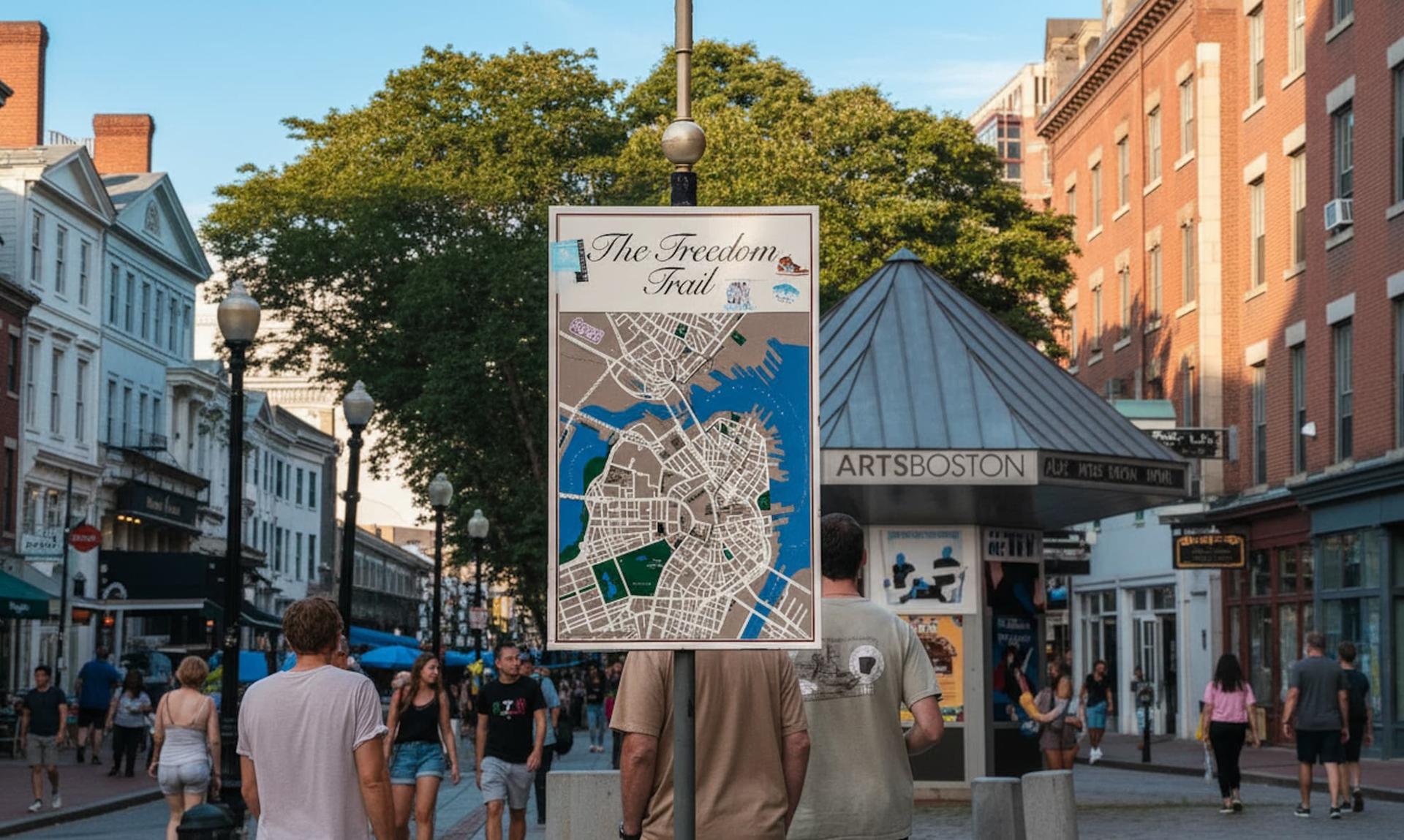
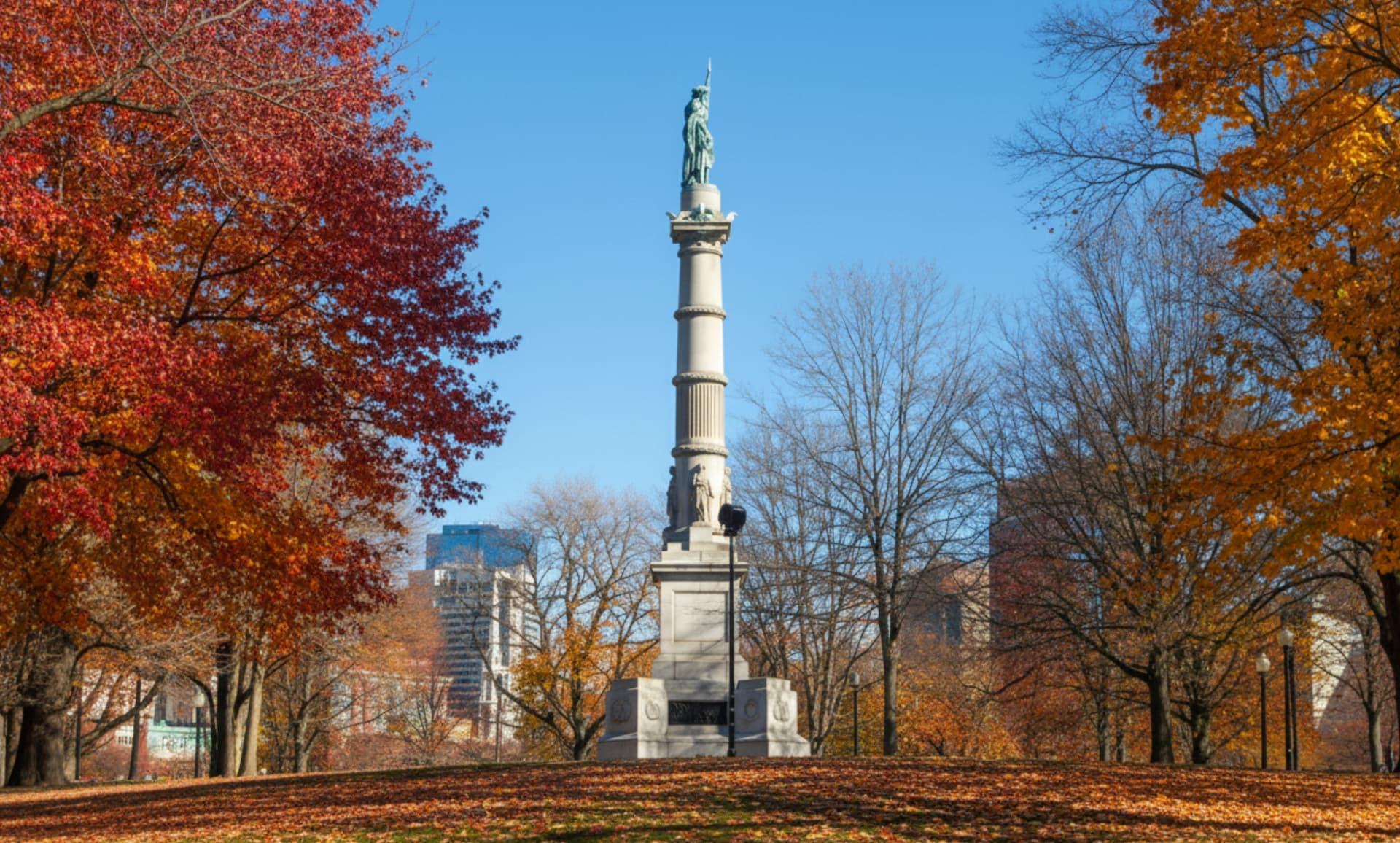
Boston Freedom Trail self guided walking tour with audio guide
2.5 hours17 stopsAudio guideStart any day, at your own paceTicket on your phone · 30-day refundThe Battle of June 17, 1775
On the afternoon of June 17, 1775, British infantry under General William Howe launched frontal assaults against the earthen redoubt constructed by Colonel William Prescott's forces. Provincial fighters repulsed the first two charges, inflicting massive losses on British regular units. By the third assault, colonial fighters exhausted their ammunition and were forced to retreat.
The battle claimed the life of Major General Dr. Joseph Warren, a prominent physician and patriot leader who was killed during the retreat from the redoubt. While the British military secured a tactical victory, they suffered over 1,000 casualties—nearly half of their engaged force. The heavy losses proved that provincial militia units could withstand the firepower and discipline of regular British troops.
Architecture and Construction
Designed by architect and carver Solomon Willard for the Bunker Hill Monument Association, the obelisk contains approximately 6,700 tons of granite. The cornerstone was laid on June 17, 1825, by the Marquis de Lafayette to commemorate the battle's 50th anniversary. To move the massive granite blocks from quarries in Quincy to the construction site, Willard and civil engineer Gridley Bryant constructed the 1826 Granite Railway, which was one of the earliest commercial railways in the United States.
Construction stalled for nearly twenty years because of funding deficits. The effort was revived in 1840 when Sarah Josepha Hale—famed as the author of 'Mary Had a Little Lamb' and the campaigner who petitioned Abraham Lincoln to make Thanksgiving a national holiday—organized a week-long Women's Fair that raised $30,000. Combined with a $10,000 contribution from philanthropist Amos Lawrence, the funds enabled the project's completion in 1842. The obelisk was officially dedicated on June 17, 1843, with an oration delivered by Daniel Webster before President John Tyler.
Climbing the Obelisk and Exploring the Grounds
The Bunker Hill Monument was designated a National Historic Landmark in 1961 and listed on the National Register of Historic Places in 1966. Access to the grounds and monument is free. Climbers enter through the adjacent Bunker Hill Lodge to ascend a 294-step granite spiral staircase. The hollow interior forms an echoing stone shaft lit by dim fixtures, opening at the summit to small observation portals that look out over Boston Harbor and the city skyline. There is no elevator, and capacity is capped at 25 climbers at a time, with closures enforced during periods of extreme heat or severe weather.
The surrounding four-acre park is bordered by granite markers tracing the original perimeter of the 1775 earthen redoubt. An 1881 bronze statue of Colonel William Prescott, sculpted by William Wetmore Story, stands on the grounds facing downtown Boston.
The Bunker Hill Museum
Located across the street from the park at 43 Monument Square, the Bunker Hill Museum occupies a historic building that originally served as the Charlestown branch of the Boston Public Library. The museum offers free admission and houses battle dioramas alongside historical artifacts, including Dr. Joseph Warren's Masonic apron and the ceremonial trowel Lafayette used to lay the monument's cornerstone.
FAQ
Why is the Bunker Hill Monument located on Breed's Hill?
On June 16, 1775, colonial forces under Colonel William Prescott chose to bypass Bunker Hill in favor of Breed's Hill, which was lower but stood closer to British shipping in Boston Harbor. The primary fighting took place on Breed's Hill.
How many steps are inside the Bunker Hill Monument?
The monument contains 294 granite spiral steps leading to an apex observation chamber. There is no elevator inside the structure.
How was the construction of the monument funded?
After construction stalled due to financial shortfalls, reformer Sarah Josepha Hale organized an 1840 Women's Fair at Faneuil Hall that raised $30,000, supplemented by a $10,000 donation from Amos Lawrence.
What artifacts are housed in the Bunker Hill Museum?
The museum displays battle dioramas, the Masonic apron belonging to fallen leader Dr. Joseph Warren, and the ceremonial trowel used by the Marquis de Lafayette during the cornerstone ceremony.
More places in Boston
boston, united-states
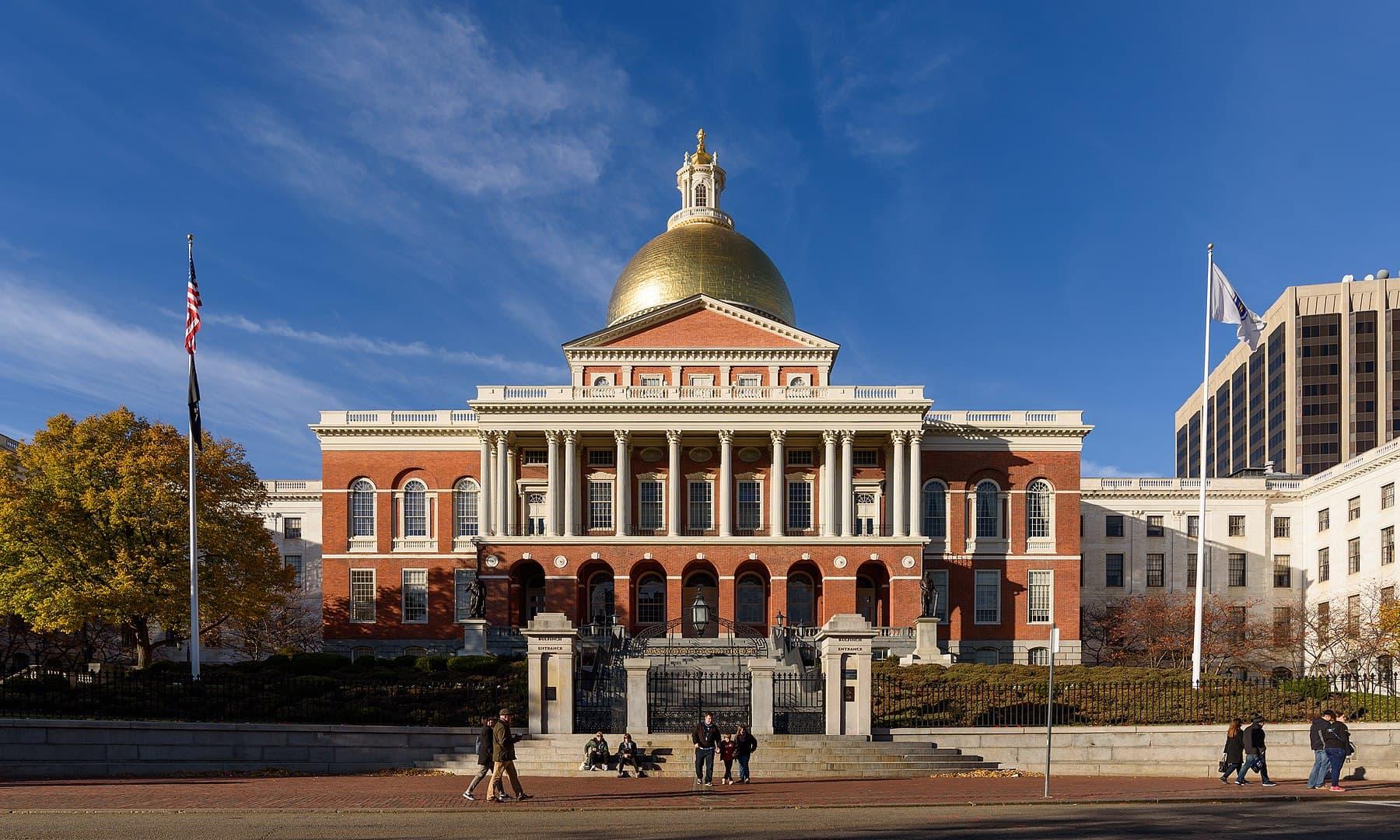
Massachusetts State House: the dome on Beacon Hill
Massachusetts State House: the dome on Beacon Hill
boston, united-states
Boston Common Visitor Center: where the trail begins
Boston Common Visitor Center: where the trail begins
boston, united-states
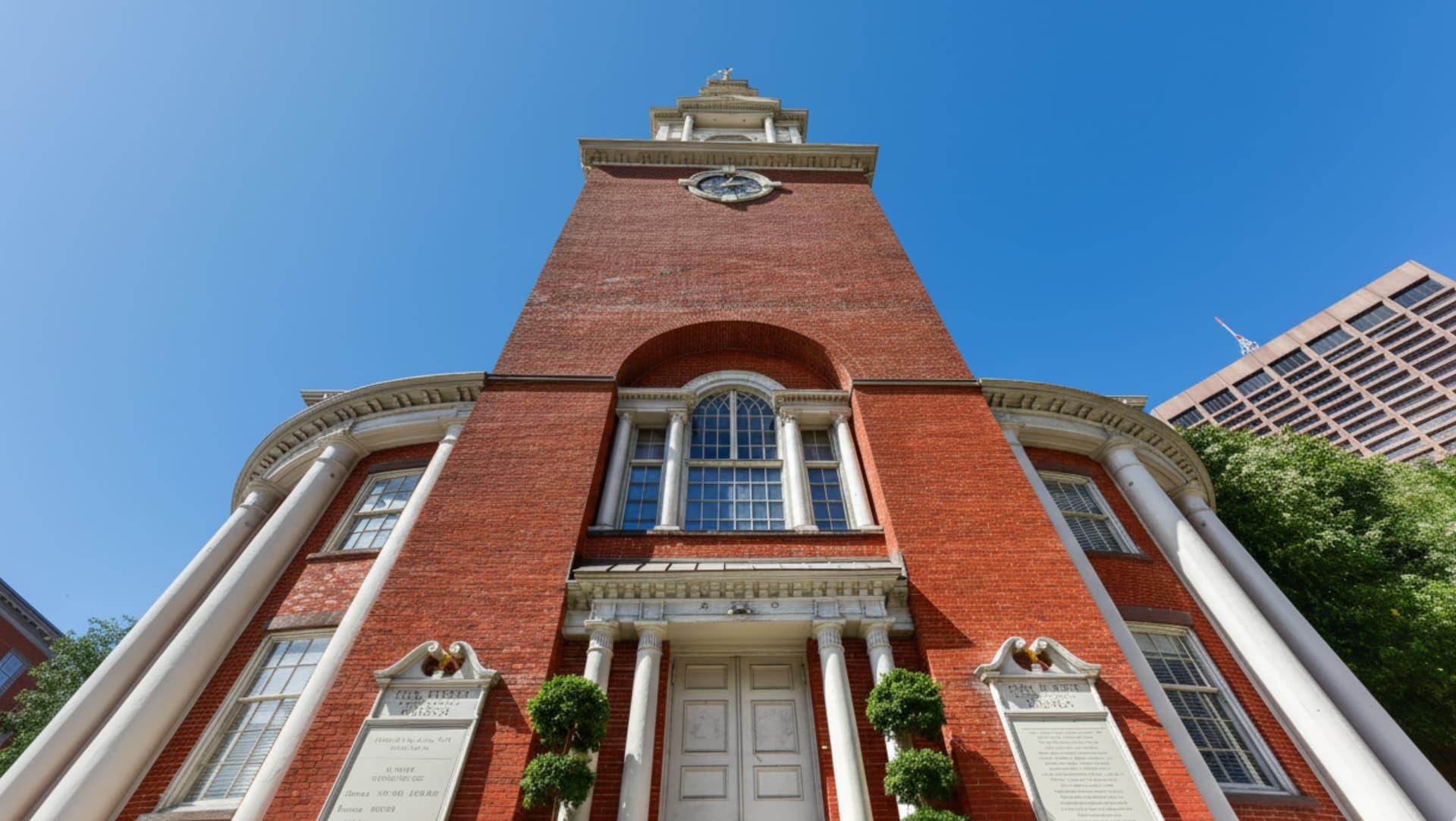
Park Street Church: the steeple on Brimstone Corner